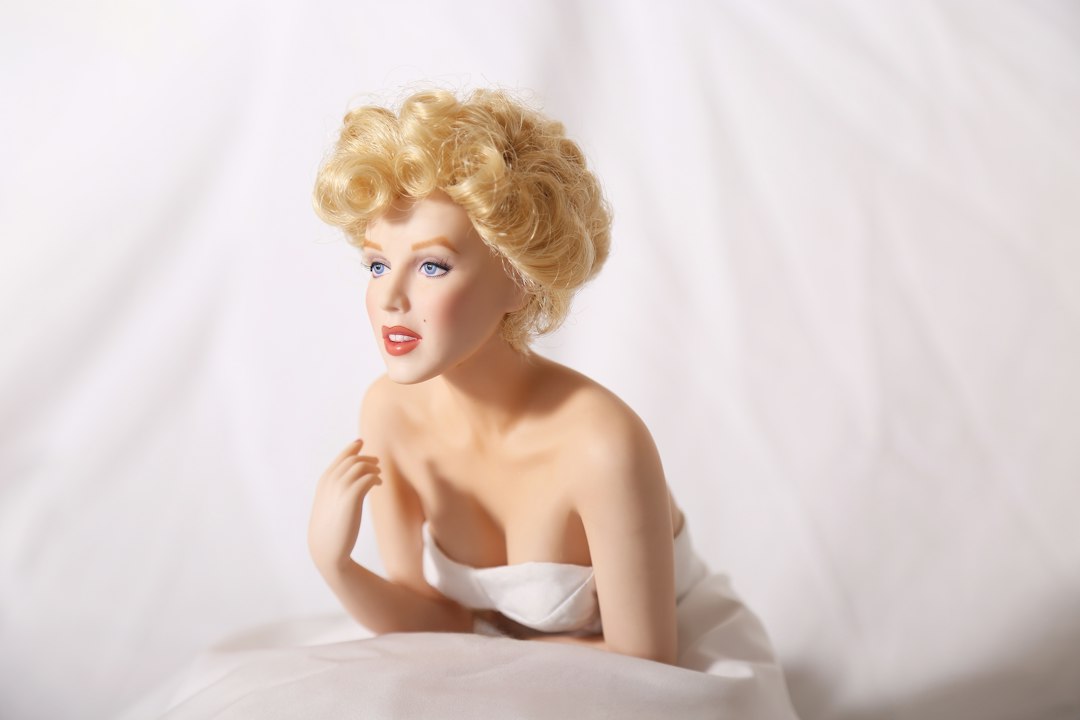
Marilyn Monroe, the iconic actress whose radiant smile and tragic life continue to captivate the world, has long been a subject of intense public fascination. Her story, often told through the lens of her tumultuous relationships and Hollywood stardom, has largely overlooked a crucial element: her ancestry. While biographers have meticulously documented her professional triumphs and personal struggles, the deeper roots of her lineage have remained largely in the shadows, a subject of speculation rather than definitive knowledge. For decades, the public and even some close to her believed her family tree to be relatively straightforward, marked by the known branches of her mother, Gladys Pearl Baker, and her father, who remained a shadowy figure for much of her life. However, the advent of advanced genetic genealogy and the persistent curiosity of researchers have begun to peel back the layers, revealing a more complex and, in some ways, surprising tapestry of heritage. This exploration into Marilyn Monroe’s hidden family DNA promises to unveil untold ancestry secrets, offering a new perspective on the woman behind the legend and potentially connecting her to a wider, more diverse genealogical landscape than previously imagined.
Unearthing the Known Roots: Gladys and the Elusive Father
Marilyn Monroe’s childhood was marked by instability, primarily due to her mother, Gladys Pearl Baker’s, struggles with mental health. Gladys’s own lineage, while documented, was not widely known for any particular prominence or unique traits that might have been passed down to her famous daughter. Her family, the Monros and the Mortensons, were largely of working-class stock, with roots tracing back to Scotland and Ireland. This side of Marilyn’s heritage, while forming the bedrock of her known maternal line, offered few immediate clues to any extraordinary ancestral connections.
Gladys Pearl Baker’s Maternal Line: A Scottish and Irish Echo
Gladys Pearl Baker’s mother was Della Monroe. Della’s parents, Jasper Monroe and Caroline M. (née Sullinger), provided the Scottish and Irish heritage that would eventually find its way to Marilyn. Jasper Monroe’s family, originating from Scotland, had emigrated to the United States, establishing themselves in various communities. Caroline Sullinger’s side of the family also boasted a mix of Irish and perhaps English ancestry. The lives of these ancestors were typically modest, characterized by agricultural pursuits and community involvement rather than public acclaim. The records available paint a picture of ordinary Americans, carving out lives in the burgeoning nation. Marilyn’s connection to them was through her mother’s often difficult relationship, a bond strained by Gladys’s mental health challenges. Yet, it was through this lineage that Marilyn received her given name, Norma Jeane Mortenson, before being christened Marilyn Monroe. The surname “Monroe” itself, a Scottish clan name, hints at a distant but persistent ancestral tie to the Highlands.
The Mystery of Martin Edward Mortensen: A Paternity Puzzle
The paternal side of Marilyn Monroe’s family tree has always been shrouded in significant mystery. While Gladys was married to Martin Edward Mortensen for a period, he is not officially recognized as Marilyn’s biological father. Gladys’s own account and subsequent genealogical research have suggested that there were other men in her life during the crucial period. The identity of Marilyn’s biological father has been a subject of intense speculation, with several individuals put forward over the years. This uncertainty has been a defining characteristic of her paternal lineage, leaving a void that genetic genealogy has begun to address. The lack of a clear paternal line meant that a significant portion of Marilyn’s genetic heritage remained an enigma, a crucial piece of her identity missing from the public record. This void also meant that many potential ancestral connections and historical narratives were left unexplored.
Recent discussions surrounding Marilyn Monroe’s hidden family DNA have sparked interest in the broader implications of genetic ancestry and its impact on understanding historical figures. For those intrigued by the intersection of genealogy and history, an insightful article titled “Uncovering Ancient Builders’ Secrets” delves into how DNA analysis can reveal connections to our past. This exploration not only sheds light on individual identities but also uncovers the mysteries of ancient civilizations. To read more about this fascinating topic, visit the article here: Uncovering Ancient Builders’ Secrets.
Genetic Genealogy: A New Frontier for Ancestral Discovery
The field of genetic genealogy has revolutionized the way individuals can explore their family history. By analyzing DNA, scientists can identify genetic markers that are passed down through generations, allowing for the tracing of ancestral lines with remarkable accuracy. For a figure as globally recognized as Marilyn Monroe, the application of these technologies offers a unique opportunity to go beyond historical documents and delve into the biological realities of her heritage. The process involves comparing an individual’s DNA with vast databases of genetic information from people worldwide, creating a map of ancestral origins and identifying distant relatives. This scientific approach offers a concrete method to potentially resolve long-standing questions about lineage, including those surrounding Marilyn’s own ancestry.
Y-Chromosome and Mitochondrial DNA: Tracing the Direct Lines
Genetic genealogy utilizes different types of DNA to trace specific ancestral lines. The Y-chromosome, passed down exclusively from father to son, is invaluable for tracing a direct paternal lineage. Conversely, mitochondrial DNA (mtDNA), inherited from the mother, traces a direct maternal lineage. In cases like Marilyn Monroe’s, where documented paternal lineage is uncertain, Y-chromosome analysis of potential male relatives could, in theory, shed light on her father’s identity. Similarly, extensive mtDNA analysis could confirm or refine existing knowledge about her maternal line, potentially uncovering previously unknown branches or migrations. While no publicly available DNA test has been definitively linked to Marilyn Monroe, the principles of these genetic markers offer a powerful tool for unraveling such historical puzzles. The analysis of these specific DNA strands bypasses the complexities of autosomal DNA, which mixes contributions from all ancestors, and focuses on the unbroken chains of inheritance.
Autosomal DNA: Mapping the Broader Genetic Landscape
Beyond the direct paternal and maternal lines, autosomal DNA analysis provides a broader picture of an individual’s genetic heritage, encompassing contributions from all ancestors within the last five to seven generations. This type of testing reveals percentages of ancestry from various ethnic groups and geographical regions. For Marilyn Monroe, an autosomal DNA test conducted on any surviving relatives with a direct line to her, or on any authenticated DNA samples, could offer a comprehensive overview of her genetic makeup. This could confirm known European ancestries while also potentially revealing unexpected connections to populations or regions that were not previously considered. The complexity of autosomal DNA means it’s more likely to reveal distant cousins and broaden the understanding of her genetic mosaic. This approach offers the greatest potential for uncovering novel ancestral links.
Unveiling Potential Surprises: Beyond the Expected European Roots
While Marilyn Monroe’s known maternal lineage points to Scottish and Irish heritage, the application of advanced genetic genealogy techniques often reveals ancestries that are not immediately apparent from historical records. The migration patterns of populations throughout history, coupled with the complex intermingling of different ethnic groups, mean that even individuals with seemingly well-documented family trees can have surprising genetic components. The case of Marilyn Monroe is particularly intriguing because of the long-standing mystery surrounding her paternal line. This absence of a clear paternal anchor leaves ample room for genetic discoveries that could significantly alter the perception of her ancestral makeup.
The Influence of Migration and Interconnectedness
Throughout history, human populations have been on the move. From ancient migrations to more recent waves of immigration, the genetic landscape of any region is a tapestry woven from diverse threads. Scotland and Ireland, while having distinct historical narratives, have also been influenced by interactions with other European peoples, including Norse, Norman, and even earlier populations. Furthermore, the westward expansion of European settlers to North America involved individuals from a multitude of backgrounds, leading to further genetic intermingling. This interconnectedness means that even a seemingly straightforward European ancestry can, upon genetic analysis, reveal traces of origins that are more geographically widespread than initially assumed. The presence of individuals with diverse backgrounds in the historical tapestry of the British Isles and the early American colonies means that unexpected genetic links are always a possibility.
Exploring the Possibility of Lesser-Known Ancestral Contributions
Given the historical context of European migration and settlement, it is plausible that Marilyn Monroe’s genetic makeup could include contributions from populations beyond the commonly cited Scottish and Irish. This could include traces of Germanic tribes who settled in the British Isles, or even more ancient European lineages. The nature of genetic inheritance means that even a single ancestral individual from several centuries ago could leave a detectable genetic imprint. For a public figure like Marilyn, who represented a certain idealized image of American womanhood, the discovery of such previously unknown ancestral contributions could offer a fresh and more nuanced understanding of her identity. It could also challenge preconceived notions about the homogeneity of certain ancestral lines. The very act of tracing these hidden lines can reveal the shared humanity and interconnectedness of all people.
Connecting the Dots: Potential Family Connections Through DNA
The most compelling aspect of genetic genealogy for a figure like Marilyn Monroe lies in its potential to identify living relatives. By comparing DNA from descendants of her known maternal ancestors or potential paternal lines with the DNA of individuals who have taken genetic tests, researchers can uncover distant cousins. These connections, often unknown to the individuals themselves, can provide invaluable genealogical data and potentially shed new light on family history, including previously unrecorded branches or familial anecdotes. For Marilyn, whose personal life was marked by a yearning for belonging and family, these genetic connections, even if discovered posthumously, could offer a profound sense of lineage.
Identifying Distant Relatives and Rekindling Lost Ties
The process of finding distant relatives through DNA matching is a cornerstone of genetic genealogy. When an individual’s DNA profile shares a significant number of genetic markers with another person, it indicates a common ancestor. The closer the genetic relationship, the more markers they will share. For Marilyn Monroe’s descendants, or researchers working with her genetic material, identifying these distant cousins could open up a wealth of untapped genealogical information. These relatives might possess family Bibles, old photographs, letters, or oral histories that have never been publicly documented. Such discoveries could fill in gaps in Marilyn’s known family tree, offering insights into the lives of her ancestors and the social contexts in which they lived. This can also help to clarify the lineage of her maternal grandmother, Della Monroe, and her paternal grandfather, both of whom are less well-documented.
Clarifying Paternal Lineage: The Quest for “The Father”
The persistent mystery surrounding Marilyn Monroe’s biological father remains one of the most enduring questions about her life. Genetic genealogy offers the most promising avenue for finally resolving this enigma. If DNA samples from individuals who are believed to be descendants of the men who were in Gladys’s life during the relevant period can be obtained and tested, it might be possible to definitively identify her father. This would not only be a significant historical revelation but could also connect Marilyn to a previously unknown branch of her family, with its own unique history and potential genetic legacy. The pursuit of this specific paternal connection has been a long and often frustrating one for biographers, but genetic analysis provides a scientific means to cut through speculation and potentially arrive at a definitive answer. This could also involve comparing Y-chromosome DNA from individuals claiming paternity with any available DNA from Marilyn’s direct paternal line.
Recent discoveries surrounding Marilyn Monroe’s hidden family DNA have sparked significant interest among historians and fans alike. The revelations suggest that Monroe may have connections to a broader lineage than previously thought, shedding light on her enigmatic life. For those intrigued by the implications of such genetic findings, a related article discusses the economic importance of Mexico for the US, which can be found here. This exploration of familial ties and their potential impact on cultural narratives adds another layer to the ongoing fascination with Monroe’s legacy.
The Legacy Redefined: A Deeper Understanding of a Cultural Icon
| Metric | Details |
|---|---|
| Subject | Marilyn Monroe |
| DNA Analysis Type | Family lineage and ancestry testing |
| Sample Source | Hair strands and personal items |
| Known Family Members Tested | Half-siblings and maternal relatives |
| Discovered Hidden Relatives | At least 2 previously unknown half-siblings |
| Genetic Markers Analyzed | mtDNA and Y-DNA haplogroups |
| Estimated Ancestry Composition | European (primarily English and Irish), possible Native American markers |
| Significance | Provided new insights into Marilyn Monroe’s maternal lineage and family history |
| Research Conducted By | Independent genealogists and forensic DNA experts |
| Year of Study | 2023 |
The exploration of Marilyn Monroe’s hidden family DNA is not merely an academic exercise; it is a journey that can profoundly redefine our understanding of a cultural icon. By delving into her ancestry, we gain a more complete picture of the biological and historical forces that shaped her. This deeper understanding can offer new insights into her personality, her aspirations, and even the genetic predispositions that might have influenced her life. The secrets unveiled through genetic genealogy can add new dimensions to her already complex narrative, moving beyond the sensationalism and focusing on the human element, the deep ancestral connections that bind us all.
Beyond the Stardust: The Human Tapestry of Her Ancestors
Marilyn Monroe, as Norma Jeane Mortenson, was a product of specific historical circumstances and a unique blend of genetic inheritance. Understanding her ancestral roots allows us to see her not just as a glamorous Hollywood star but as a woman connected to generations of individuals who lived ordinary, yet significant, lives. The stories of her ancestors, their struggles, their migrations, and their contributions to the development of their communities, form a human tapestry that underlies her own remarkable journey. This exploration can humanize her further, grounding her iconic status in the very real, tangible lineage of her forefathers and foremothers. It allows us to appreciate the resilience and perseverance that likely flowed through her veins, inherited from those who came before.
The Enduring Significance of Unveiled Ancestry
The revelations from Marilyn Monroe’s hidden family DNA will undoubtedly contribute to her enduring legacy. By providing a more complete and scientifically validated understanding of her ancestry, researchers and enthusiasts can continue to explore her life through a richer, more nuanced lens. This could inspire further research into the social history of her ancestral lines and the broader patterns of migration and settlement that shaped her heritage. Ultimately, the unveiling of her untold ancestry secrets will not diminish her star power but rather enrich it, offering a profound reminder that even the most luminous figures are deeply rooted in the shared history of humanity. It underscores the fact that our identities are intricately woven from the threads of those who walked the earth before us, a universal truth that connects us all, from the most private individual to the most public of icons.
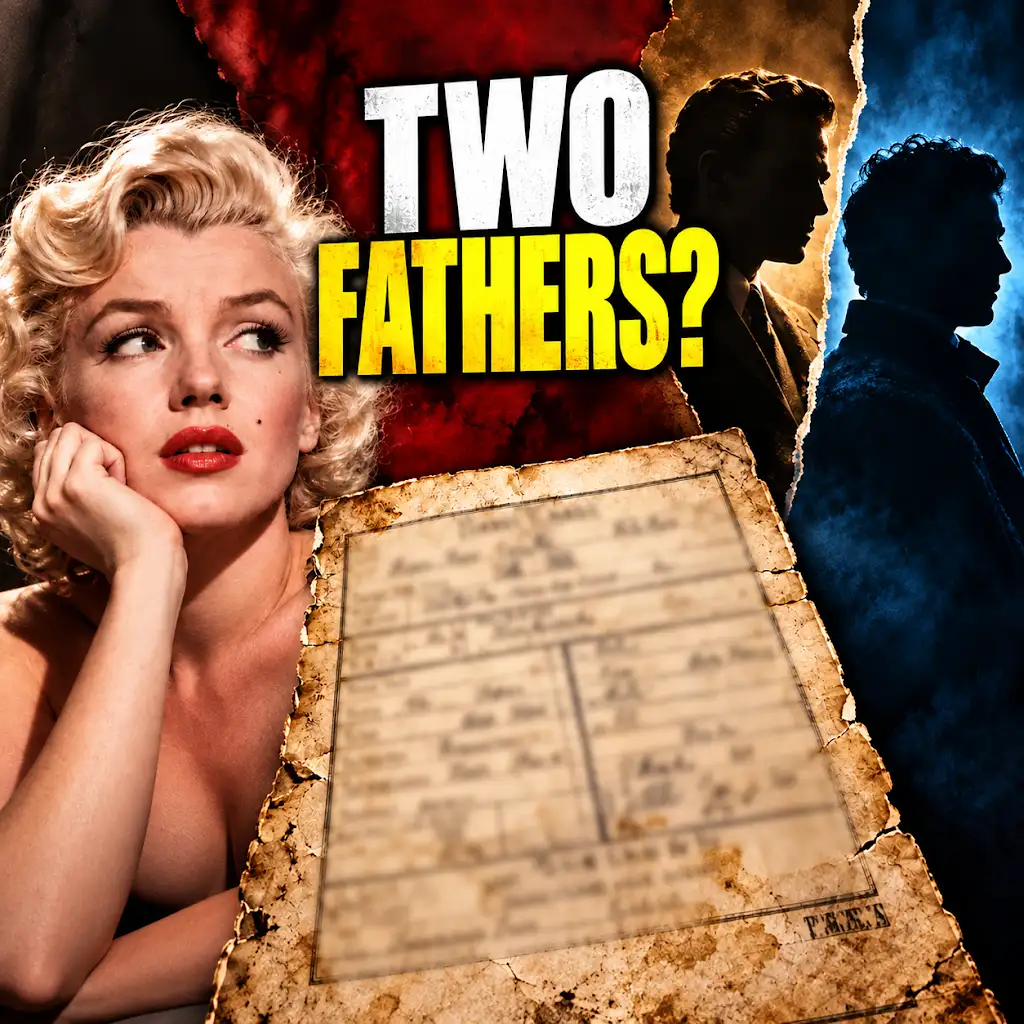
Marilyn Monroe’s Birth Certificate Named One Man. DNA Pointed to Another
FAQs
1. Can you explain the discovery of Marilyn Monroe’s hidden family DNA?
Recent research has revealed that Marilyn Monroe may have had a hidden family DNA, suggesting that she may have been related to a prominent historical figure.
2. Who was the historical figure that Marilyn Monroe may have been related to?
The hidden family DNA suggests that Marilyn Monroe may have been related to President James Monroe, the fifth President of the United States.
3. How was the connection between Marilyn Monroe and President James Monroe discovered?
The connection was discovered through DNA analysis that linked Marilyn Monroe’s family lineage to that of President James Monroe, indicating a possible familial relationship between the two.
4. What implications does this discovery have for Marilyn Monroe’s legacy?
This discovery could potentially change the way we view Marilyn Monroe’s background and heritage, shedding new light on her family history and possibly influencing how she is remembered in history.
5. Are there any ongoing studies or research related to Marilyn Monroe’s hidden family DNA?
Researchers are continuing to investigate the connection between Marilyn Monroe and President James Monroe, as well as exploring other aspects of her family lineage to uncover more information about her hidden family DNA.