
Central banks play a pivotal role in the global economy, acting as the backbone of monetary policy and financial stability. Among their various functions, the management of gold reserves stands out as a critical component. Gold has been a symbol of wealth and a store of value for centuries, and its significance has not diminished in the modern financial landscape.
Central banks hold gold reserves as part of their overall asset management strategy, which serves to bolster confidence in their national currencies and provide a safeguard against economic uncertainties. The accumulation of gold by central banks is not merely a relic of the past; it is a strategic decision influenced by various factors, including geopolitical tensions, inflationary pressures, and the quest for financial security. As nations navigate the complexities of global trade and economic fluctuations, gold remains a tangible asset that can provide stability and liquidity.
This article delves into the multifaceted role of gold in central banks’ reserves, exploring its historical context, current significance, and future trends.
Key Takeaways
- Central banks hold gold reserves as a key component of their financial stability and economic security.
- Historically, gold has served as a reliable store of value and a hedge against inflation and currency fluctuations.
- Stability and diversification in gold reserves are crucial for managing risks and maintaining confidence in national economies.
- Central banks’ gold reserves influence global markets by affecting currency values and international trade dynamics.
- Future trends suggest evolving strategies in gold reserve management amid changing economic conditions and geopolitical factors.
The Role of Gold in Central Banks’ Reserves
Gold serves multiple purposes within the framework of central banks’ reserves. Primarily, it acts as a hedge against inflation and currency devaluation. In times of economic turmoil or when fiat currencies face depreciation, gold often retains its value, making it an attractive asset for central banks seeking to preserve wealth.
This intrinsic value is particularly crucial during periods of financial instability when confidence in paper currencies may wane. Moreover, gold provides a level of diversification that is essential for risk management.
This diversification strategy is vital in maintaining overall financial health and ensuring that central banks can respond effectively to market fluctuations. As such, gold is not just a relic of historical monetary systems; it is an active component of modern financial strategies employed by central banks worldwide.
Historical Perspective on Central Banks’ Gold Reserves
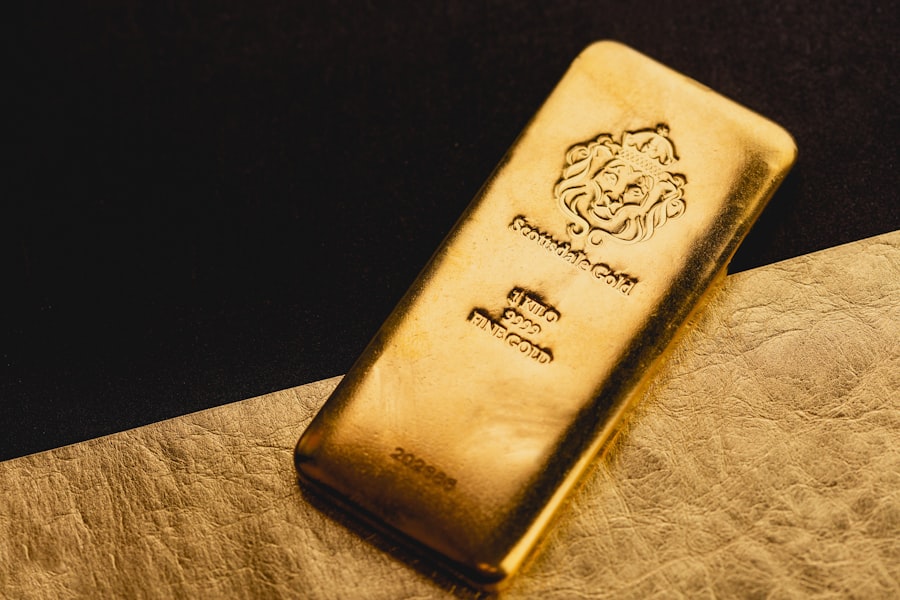
The historical significance of gold in central banking can be traced back to the establishment of the gold standard in the 19th century. Under this system, currencies were directly linked to gold, which provided a stable basis for international trade and investment. Central banks accumulated gold reserves to back their currencies, ensuring that they could meet redemption requests from foreign governments and investors.
This practice fostered trust in national currencies and facilitated global commerce. However, the abandonment of the gold standard in the 20th century marked a significant shift in monetary policy. While many countries moved towards fiat currencies, which are not backed by physical commodities, central banks continued to hold substantial gold reserves as a form of financial security.
The transition away from the gold standard did not diminish the importance of gold; rather, it transformed its role into that of a strategic asset that complements fiat currencies. Today, central banks recognize that maintaining gold reserves is essential for enhancing credibility and stability in an increasingly complex financial environment.
The Importance of Stability in Central Banks’ Reserves
Stability is a cornerstone of effective monetary policy, and gold plays a crucial role in achieving this stability within central banks’ reserves.
In times of crisis, such as during financial downturns or geopolitical tensions, gold often serves as a safe haven asset, attracting investment and providing liquidity.
Furthermore, stability in reserves is not solely about maintaining value; it also involves managing risk exposure. Central banks must navigate various economic indicators and market dynamics to ensure that their reserves are resilient against potential shocks. Gold’s historical performance during economic crises underscores its role as a stabilizing force within reserves.
By holding gold alongside other assets, central banks can create a buffer against volatility and enhance their ability to respond to unforeseen circumstances.
Diversification Strategies for Central Banks’ Gold Reserves
| Reason | Description | Metric/Indicator |
|---|---|---|
| Diversification of Reserves | Central banks buy gold to diversify their foreign exchange reserves and reduce reliance on any single currency. | Percentage of gold in total reserves (typically 5-20%) |
| Hedge Against Inflation | Gold is considered a store of value that protects against inflation and currency devaluation. | Correlation between gold price and inflation rate (positive correlation) |
| Financial Stability | Gold provides liquidity and stability during financial crises or geopolitical tensions. | Gold reserve increase during economic uncertainty periods |
| Safe Haven Asset | Gold is perceived as a safe haven asset during times of market volatility and geopolitical risks. | Gold price volatility vs stock market volatility (inverse relationship) |
| Currency Risk Mitigation | Buying gold reduces exposure to fluctuations in major currencies like the US dollar or euro. | Gold holdings as % of total foreign currency reserves |
| Long-term Value Preservation | Gold maintains purchasing power over long periods, unlike fiat currencies which may depreciate. | Gold price trend over decades (generally upward) |
Diversification is a fundamental principle in investment strategy, and central banks are no exception when it comes to managing their gold reserves. While gold itself is a singular asset class, central banks can employ various strategies to optimize their holdings. One approach involves diversifying the types of gold assets held—such as bullion bars, coins, or exchange-traded funds (ETFs)—to enhance liquidity and accessibility.
Additionally, geographical diversification plays a significant role in mitigating risks associated with political or economic instability in specific regions. By holding gold reserves in different countries or jurisdictions, central banks can reduce exposure to localized risks while ensuring that they have access to their assets when needed. This multifaceted approach to diversification not only strengthens the overall resilience of central banks’ reserves but also positions them to respond effectively to global market fluctuations.
Factors Influencing Central Banks’ Gold Reserves
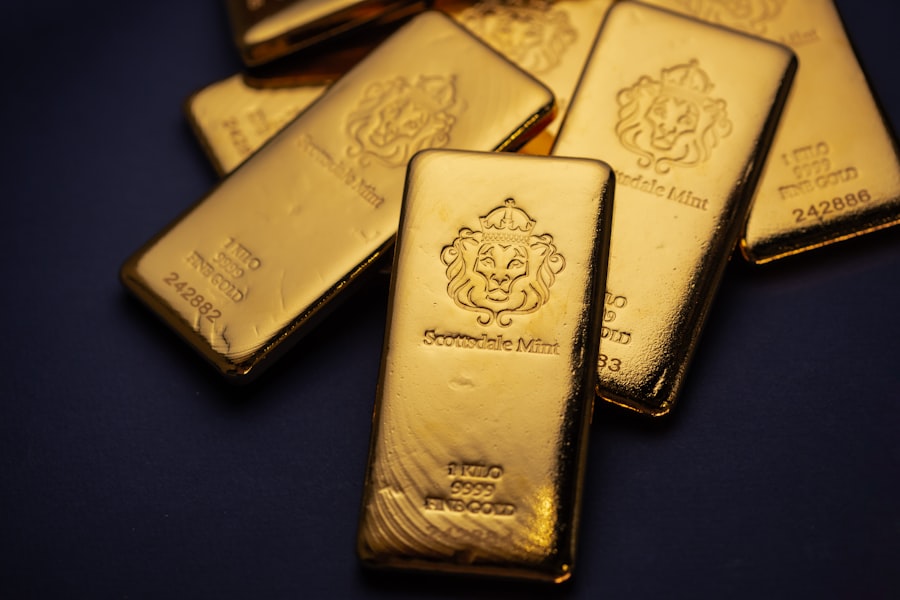
Several factors influence the decisions made by central banks regarding their gold reserves. Economic conditions are paramount; during periods of inflation or currency depreciation, central banks may increase their gold holdings as a protective measure. Conversely, in times of economic growth and stability, they may choose to sell off portions of their reserves to capitalize on favorable market conditions.
Geopolitical considerations also play a significant role in shaping central banks’ strategies regarding gold reserves. Tensions between nations can lead to increased demand for gold as a safe haven asset, prompting central banks to bolster their holdings. Additionally, changes in global monetary policy—such as interest rate adjustments or shifts in currency valuation—can impact the desirability of gold as an investment option.
As such, central banks must remain vigilant and responsive to both domestic and international developments that could affect their gold reserve strategies.
Central Banks’ Gold Reserves and Economic Stability
The relationship between central banks’ gold reserves and economic stability is intricate and multifaceted. Gold serves as a stabilizing force during periods of economic uncertainty by providing a reliable store of value that can be leveraged during crises. When confidence in fiat currencies falters, investors often flock to gold as a safe haven, which can help stabilize markets and restore trust in financial systems.
Moreover, the presence of substantial gold reserves can enhance a country’s creditworthiness on the global stage. Nations with robust gold holdings are often viewed as more financially secure, which can lead to favorable borrowing terms and increased foreign investment. This perception of stability can create a positive feedback loop, where strong gold reserves contribute to economic growth while simultaneously reinforcing confidence in national currencies.
The Impact of Central Banks’ Gold Reserves on Global Markets
Central banks’ decisions regarding their gold reserves have far-reaching implications for global markets. When central banks increase their gold holdings, it can signal to investors that they anticipate economic instability or inflationary pressures ahead. This behavior often leads to increased demand for gold on international markets, driving up prices and influencing trading patterns.
Conversely, when central banks decide to sell off portions of their gold reserves, it can have an immediate impact on market sentiment. Such actions may be interpreted as a lack of confidence in economic conditions or an attempt to liquidate assets for other investments. As global markets react to these signals, fluctuations in gold prices can ripple through various sectors, affecting everything from commodity markets to currency valuations.
Challenges and Risks in Managing Central Banks’ Gold Reserves
While managing gold reserves offers numerous benefits, it also presents challenges and risks that central banks must navigate carefully. One significant challenge is the volatility associated with gold prices; fluctuations can impact the perceived value of reserves and influence decision-making processes within central banks. Additionally, geopolitical tensions can pose risks to the security and accessibility of physical gold holdings stored in foreign jurisdictions.
Another challenge lies in balancing the need for liquidity with the desire for long-term value preservation. Central banks must ensure that they have sufficient liquid assets available for immediate needs while also maintaining a strategic allocation to gold that aligns with their overall monetary policy objectives. This delicate balancing act requires constant monitoring and assessment of market conditions, making effective management of gold reserves both complex and critical.
Future Trends in Central Banks’ Gold Reserves
As the global economy continues to evolve, several trends are likely to shape the future landscape of central banks’ gold reserves. One notable trend is the increasing interest in digital currencies and blockchain technology. As central banks explore the potential for digital currencies, they may reassess their strategies regarding traditional assets like gold.
The interplay between digital currencies and physical assets could lead to innovative approaches to reserve management. Additionally, growing concerns about inflation and economic instability may prompt more central banks to increase their gold holdings as a hedge against potential downturns. The ongoing geopolitical tensions around the world could further reinforce this trend as nations seek to bolster their financial security through tangible assets like gold.
As these dynamics unfold, central banks will need to remain agile and responsive to ensure that their reserve strategies align with emerging economic realities.
The Significance of Central Banks’ Gold Reserves
In conclusion, central banks’ gold reserves hold immense significance within the broader context of monetary policy and economic stability. Gold serves as both a hedge against inflation and a stabilizing force during times of uncertainty, reinforcing confidence in national currencies while providing liquidity when needed most. The historical perspective on gold’s role within central banking underscores its enduring value as an asset class that complements fiat currencies.
As global markets continue to evolve amidst shifting economic landscapes and geopolitical tensions, the importance of effective management strategies for gold reserves cannot be overstated. By embracing diversification approaches and remaining vigilant to external influences, central banks can navigate challenges while maximizing the benefits associated with their gold holdings. Ultimately, the strategic management of gold reserves will remain a cornerstone of central banking practices well into the future, ensuring that these institutions are equipped to foster stability and confidence in an ever-changing world.
Central banks around the world have been increasingly purchasing gold as a strategic move to diversify their reserves and hedge against economic uncertainty. This trend highlights the growing importance of gold in the global financial system. For a deeper understanding of this phenomenon, you can read more in the article available at this link.
WATCH THIS! 🚨 The Secret Deal That Will Break America
FAQs
Why do central banks buy gold?
Central banks buy gold to diversify their foreign exchange reserves, hedge against currency risk, and provide financial stability during economic uncertainty or inflation.
How does gold benefit a central bank’s reserves?
Gold is a tangible asset that retains value over time, offering protection against currency devaluation and inflation, which helps central banks maintain confidence in their reserves.
Is gold considered a safe asset for central banks?
Yes, gold is widely regarded as a safe-haven asset because it is not directly tied to any country’s economy or currency, making it a reliable store of value during global financial instability.
Do all central banks hold gold in their reserves?
Most central banks hold some amount of gold as part of their reserves, but the proportion varies depending on their monetary policies and economic strategies.
How does central bank gold buying affect the gold market?
Central bank purchases can influence gold prices by increasing demand, signaling confidence in gold as a reserve asset, and potentially encouraging other investors to buy gold.
Can central banks sell gold from their reserves?
Yes, central banks can sell gold to manage their reserves, adjust their asset allocation, or raise liquidity, but such sales are typically conducted carefully to avoid market disruption.
Has central bank gold buying increased recently?
In recent years, some central banks have increased gold purchases to diversify reserves amid geopolitical tensions, inflation concerns, and currency volatility.
Does gold pay interest or dividends to central banks?
No, gold does not generate interest or dividends; its value lies in its role as a store of value and hedge against economic risks rather than income generation.
How is gold stored by central banks?
Central banks store gold in secure vaults, either domestically or in international locations, ensuring its safety and accessibility when needed.
What role does gold play in a country’s monetary policy?
Gold supports monetary policy by providing a stable reserve asset that can back currency issuance, enhance financial credibility, and serve as a buffer during economic crises.