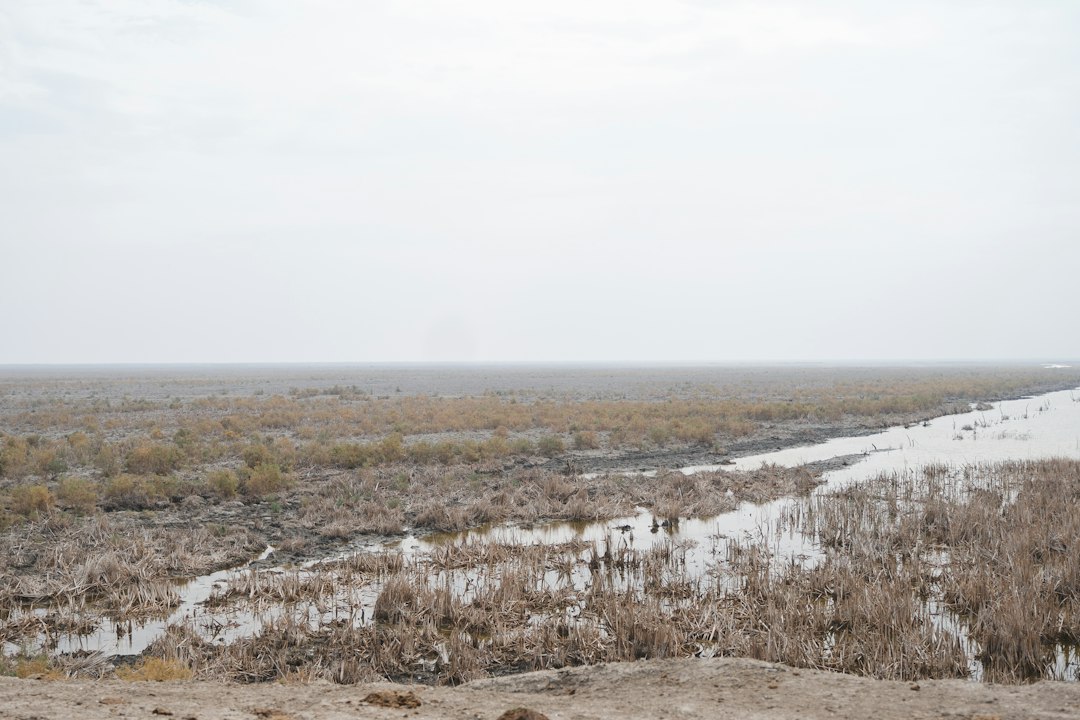
The arid winds whisper tales of vanished empires, of once-thriving cities now reclaimed by sand and dust. These are not merely stories of misfortune but stark historical accounts of how the relentless pressure of drought has sculpted the rise and fall of human civilizations. For millennia, water has been the lifeblood of societies, enabling agriculture, sustaining populations, and fostering complex social structures. When this essential resource dwindles, the consequences can be catastrophic, leading to scarcity, intensifying conflict, and ultimately precipitating societal decline. The impact of drought is not a monolithic event; it is a slow, insidious process that erodes the foundations of civilization, forcing adaptation, driving migration, and often culminating in irreversible collapse. Understanding these historical patterns offers crucial insights into the vulnerabilities of human societies in the face of environmental change, a lesson that resonates powerfully in our modern, water-stressed world.
The Genesis of Scarcity: When the Rivers Ran Dry
The fundamental impact of drought on any civilization lies in the direct depletion of its most vital resource: water. This scarcity is not merely an inconvenience; it represents a direct threat to survival, impacting agriculture, sanitation, and daily life. The history of human settlements is intrinsically linked to the availability of water, and when that availability is compromised, the entire societal edifice begins to tremble.
Agricultural Collapse and Famine
The backbone of most ancient and historical civilizations was agriculture. Dependent on predictable rainfall or reliable river systems, agricultural output was directly tied to water availability. When drought sets in, the most immediate and devastating consequence is crop failure. Without sufficient water, seeds fail to germinate, young plants wither, and established crops cannot mature. This leads to a dramatic decrease in food production, triggering widespread famine. Historical records are replete with instances of severe droughts causing widespread starvation, leading to demographic shifts as populations attempted to flee famine-stricken regions. The social fabric, already strained by the lack of sustenance, begins to unravel.
Diminished Hydrological Systems and Resource Competition
Beyond immediate agricultural needs, drought severely impacts larger hydrological systems. Rivers dwindle, lakes shrink, and groundwater levels drop. This affects not only irrigation but also drinking water supplies, industrial processes, and transportation networks that often relied on navigable waterways. As these vital water sources diminish, competition for the remaining water intensifies. This competition can manifest at various levels, from individual households struggling for access to communal wells to larger political entities vying for control of scarce river basins. The ensuing struggle for water becomes a significant driver of social tension and conflict.
Impact on Public Health and Sanitation
The availability of clean water is also intrinsically linked to public health. Droughts often lead to the contamination of remaining water sources as lower water levels concentrate pollutants and waste. This can result in outbreaks of waterborne diseases such as cholera and dysentery, further weakening an already vulnerable population. Furthermore, reduced water availability impacts sanitation practices, leading to unhygienic conditions that exacerbate the spread of illness. The cumulative effect of widespread disease and famine creates a perfect storm, severely compromising the health and resilience of a civilization.
Drought has historically played a significant role in shaping civilizations, often leading to agricultural decline, food shortages, and social unrest. For a deeper understanding of how external factors, such as trade dynamics, can influence a civilization’s resilience to drought and other environmental challenges, you may find it insightful to read the article on navigating the complexities of international trade relations, particularly between the U.S. and China. This comprehensive guide explores how economic factors can impact a nation’s ability to respond to crises, including those caused by climate change. You can access the article here: Navigating the US-China Trade War: A Comprehensive Guide.
The Escalation of Conflict: Water Wars and Societal Strife
The scarcity born from drought is rarely a passive phenomenon. It acts as a potent catalyst for conflict, transforming localized tensions into widespread strife. When basic survival needs are threatened, human societies can become deeply unstable, leading to internal and external conflicts that accelerate decline.
Internal Tensions and Social Unrest
Within a civilization facing drought, the unequal distribution of dwindling water resources can quickly ignite internal tensions. Marginalized communities or those located further from water sources often bear the brunt of the scarcity, leading to resentment and social unrest. This can manifest in localized riots, protests, and even armed uprisings against governing authorities perceived as failing to address the crisis or as favoring certain groups over others. The breakdown of trust between different segments of society further erodes its ability to collectively address the challenges posed by the drought.
Inter-Community and Inter-State Warfare
As drought conditions persist and intensify, competition for water often spills over into more organized forms of conflict. Neighboring communities, or even distinct political entities, may engage in skirmishes or full-scale warfare to secure access to vital water sources like rivers, lakes, or underground aquifers. Historical examples include conflicts over river control in ancient Mesopotamia and the Nile River Valley, where the lifeblood of these civilizations was also a point of contention. The economic and social disruption caused by such conflicts further depletes a civilization’s resources and its capacity to recover.
Displacement and Migration as a Catalyst for Conflict
Drought-induced famine and conflict often force large-scale displacement and migration. Populations flee their barren lands in search of more hospitable environments, carrying with them their desperation and their potential for both cooperation and conflict. When these migrating groups encounter established communities, they can trigger new tensions, competition for resources, and even further conflict. The influx of displaced populations can strain existing infrastructure, social services, and cultural norms, creating new avenues for friction and instability.
The Erosion of Social and Economic Structures: Decline and Collapse
The cumulative effects of scarcity and conflict exert immense pressure on a civilization’s social and economic structures. As resources dwindle and stability erodes, the complex systems that underpin societal organization begin to break down, leading to a spiral of decline.
Economic Disruption and Breakdown of Trade
Droughts have a profound impact on economies. Agricultural collapse directly reduces output, leading to shortages of food and raw materials. This disrupts trade networks, both internal and external, as the goods necessary for exchange become scarce. Industries that rely on water, such as textiles or pottery production, also suffer. The overall economic activity contracts, leading to unemployment, inflation, and a general decline in living standards. Governments, often reliant on agricultural surplus and trade taxes for revenue, find their ability to function severely diminished.
Political Instability and Loss of Authority
The inability of a government to effectively manage a severe drought and its consequences can lead to a significant loss of political authority and legitimacy. When leaders are unable to provide basic necessities, maintain order, or protect their citizens, public trust erodes. This can lead to internal dissent, rebellions, and the fracturing of political power. In extreme cases, the central authority may collapse entirely, leaving behind a fragmented landscape where local warlords or competing factions vie for control. This political fragmentation further hinders any coordinated response to the ongoing environmental crisis.
Breakdown of Social Order and Cultural Values
The sustained pressure of scarcity, famine, and conflict can lead to a gradual erosion of social order and deeply held cultural values. As survival becomes paramount, norms of cooperation and altruism may be replaced by self-interest and ruthless competition. Traditional institutions, such as religious bodies or community councils, may lose their influence if they are unable to provide solace or solutions. The psychological toll of prolonged hardship can also lead to despair and a decline in morale, making it harder for a society to maintain its collective will to persevere.
Precursors to Collapse: Warning Signs and Historical Examples
The decline of a civilization due to drought is rarely a sudden event. It is a process that unfolds over time, marked by a series of escalating warning signs. Recognizing these patterns in historical contexts can provide invaluable lessons for contemporary societies grappling with similar environmental challenges.
Maya Civilization: The Interplay of Environmental Stress and Societal Fragility
The collapse of the Classic Maya civilization in the southern lowlands offers a compelling case study. For centuries, the Maya thrived, developing sophisticated agricultural techniques, impressive cities, and a complex hieroglyphic writing system. However, their civilization was heavily reliant on rainfall for agriculture and water storage. Paleoclimate data reveals a series of severe and prolonged droughts that occurred during the Terminal Classic period (roughly 800-1000 CE). These droughts likely led to widespread crop failures, water shortages, and increased competition for resources. Archaeological evidence suggests a correlation between these droughts and the abandonment of major Maya cities, the cessation of monumental construction, and a significant population decline. While other factors likely contributed, the environmental stress of prolonged drought played a pivotal role in destabilizing their complex society.
The Indus Valley Civilization: Adapting to a Changing Climate
The Indus Valley Civilization, a remarkably advanced Bronze Age society, also faced significant environmental challenges, including changes in river courses and potentially periods of drought. While the exact reasons for its decline are debated, evidence suggests that shifts in the monsoon patterns and the drying up of key rivers like the Ghaggar-Hakra may have played a role. The civilization’s urban centers, like Mohenjo-daro and Harappa, were strategically located near rivers, and their agricultural systems were dependent on these water sources. As these water sources became less reliable, the economic and social foundations of the civilization would have been severely tested, potentially leading to a gradual dispersal and fragmentation of its population.
The Akkadian Empire: A Drought-Induced Collapse?
The Akkadian Empire, the first major empire in Mesopotamia, experienced a relatively rapid collapse around 2200 BCE. Recent research suggests that a period of intense drought, possibly lasting for three centuries, may have been a primary driver of this downfall. The Akkadians relied heavily on irrigated agriculture in the arid Mesopotamian plains. When the rains failed and river flows diminished, their agricultural base would have collapsed. This environmental catastrophe would have led to famine, economic disruption, and likely internal rebellions against the imperial authority, ultimately contributing to the empire’s fragmentation and demise.
Drought has played a significant role in shaping the rise and fall of civilizations throughout history, often leading to resource scarcity and social upheaval. For a deeper understanding of how environmental factors like drought influence human societies, you can explore this insightful article that delves into the intricate relationship between climate and civilization. The piece highlights various historical examples and offers a compelling narrative about the impact of arid conditions on cultural development. To read more about this fascinating topic, check out this article.
Lessons for the Present: Resilience, Adaptation, and Future Preparedness
| Aspect | Impact of Drought on Civilizations | Example Civilization | Metric/Data |
|---|---|---|---|
| Agricultural Productivity | Severe reduction in crop yields leading to food shortages | Ancient Mesopotamia | Up to 50% decline in grain production during drought periods |
| Water Availability | Depletion of freshwater sources causing scarcity | Indus Valley Civilization | River flow decreased by 30-40% during prolonged droughts |
| Population Decline | Migration and mortality due to famine and lack of resources | Mayans | Population dropped by approximately 60% during drought-related collapse |
| Economic Stability | Collapse of trade and economic systems due to resource scarcity | Ancient Egypt | Trade volume reduced by 25% during drought periods |
| Social Unrest | Increased conflicts and societal breakdown | Neo-Assyrian Empire | Recorded increase in internal conflicts by 40% during drought years |
| Technological Adaptation | Development of irrigation and water management systems | Ancient China | Construction of over 1,000 km of canals during drought periods |
The historical impact of drought on civilizations offers stark warnings but also valuable lessons for contemporary societies. As climate change intensifies, understanding these past patterns of scarcity, conflict, and decline is crucial for building resilience and ensuring future preparedness.
The Imperative of Sustainable Water Management
The most immediate lesson from history is the critical importance of sustainable water management. Civilizations that thrived for extended periods often developed sophisticated systems for water collection, storage, and distribution, adapting to regional hydrological cycles. Contemporary societies must prioritize investing in efficient irrigation techniques, water recycling, and responsible groundwater management. Furthermore, cross-border cooperation on shared water resources is essential to prevent the escalation of conflicts.
Fostering Societal Resilience and Adaptability
Historical examples demonstrate that societies with greater social cohesion, diversified economies, and robust governance structures are better equipped to withstand environmental shocks. Building societal resilience involves investing in education, promoting equitable resource distribution, and fostering a culture of adaptability. Encouraging innovation in agriculture, developing alternative economic sectors, and strengthening social safety nets are vital components of a resilient society.
The Long-Term Implications of Climate Change and Drought
The lessons from ancient droughts are particularly relevant today as human-induced climate change is predicted to increase the frequency and intensity of arid conditions in many regions. Understanding how past civilizations succumbed to water scarcity underscores the profound existential threat that climate change poses to current and future societies. Proactive measures to mitigate climate change and prepare for its inevitable consequences are not merely prudent but essential for human survival and prosperity. The historical record serves as a powerful testament to the fragility of civilization when faced with the fundamental challenge of securing its most vital resource.
Your 401(k) Withdrawal Can Make More of Your Social Security Taxable
FAQs
How does drought impact agriculture in civilizations?
Drought can lead to crop failure, reduced yields, and food shortages, which can result in famine and malnutrition among the population. This can have long-lasting effects on the economy and overall well-being of a civilization.
What are the social consequences of drought on civilizations?
Drought can lead to increased competition for limited resources, such as water and food, which can result in conflicts, migration, and social unrest within a civilization. It can also exacerbate existing social inequalities and vulnerabilities.
How does drought affect water availability in civilizations?
Drought can lead to decreased water availability for drinking, sanitation, and agriculture, which can impact public health, hygiene, and overall quality of life within a civilization. Water scarcity can also hinder economic activities and development.
What role does government policy play in mitigating the impacts of drought on civilizations?
Government policies related to water management, agriculture, disaster preparedness, and social welfare can play a crucial role in mitigating the impacts of drought on civilizations. Effective policies can help build resilience, ensure equitable resource distribution, and support vulnerable populations during times of drought.
How can civilizations adapt to prolonged drought conditions?
Civilizations can adapt to prolonged drought conditions by implementing water conservation measures, diversifying their sources of water and food, investing in drought-resistant crops, developing early warning systems, and promoting sustainable land use practices. Collaboration among stakeholders and communities is also essential for successful adaptation to drought.