
The annals of human civilization are punctuated by the rise and fall of empires, each leaving an indelible mark on the tapestry of history. While tales of military conquest, artistic achievements, and grand architectural feats often dominate historical narratives, a more fundamental and persistent struggle has shaped the destiny of these colossal entities: the challenge of feeding their populations. Food crises, born from a confluence of environmental factors, agricultural limitations, and societal dynamics, were not mere inconveniences; they were often existential threats that could sow the seeds of dissent, destabilize economies, and ultimately, contribute to the very unraveling of empires. From the fertile crescent of Mesopotamia to the vast expanse of the Roman Empire, the story of ancient civilizations is inextricably linked to their often-fraught relationship with the food on which their very survival depended.
The Foundations of Sustenance: Agriculture and Early Empires
The genesis of any large-scale human settlement, and by extension, the early empires, rested upon the ability to cultivate land and produce a surplus of food. This transition from hunter-gatherer societies to settled agricultural communities was a monumental shift, enabling population growth, specialization of labor, and the emergence of complex social structures. The earliest civilizations, such as those in Mesopotamia and Egypt, arose in regions blessed with fertile river valleys. The annual inundation of the Tigris and Euphrates rivers, for instance, deposited rich silt, creating ideal conditions for grain cultivation. Similarly, the Nile’s predictable flooding provided the lifeblood for Egyptian agriculture, allowing for consistent harvests of wheat, barley, and other essential crops.
The Crucial Role of Irrigation and Water Management
The success of these early agricultural societies was deeply intertwined with their mastery of water management. In arid or semi-arid regions, where rainfall was unreliable, the development of sophisticated irrigation systems was paramount. Mesopotamian city-states, for example, invested heavily in canals, dikes, and reservoirs to channel water from rivers to their fields. These systems not only ensured a steady water supply but also allowed for the expansion of arable land beyond the immediate riverbanks. The effort required to build and maintain these networks was immense, often necessitating coordinated labor and centralized authority, thereby reinforcing the power of early rulers and contributing to the growth of organized states. The effectiveness of these water management techniques directly correlated with the agricultural output, and thus, the stability and prosperity of the nascent empires.
Staple Crops and Dietary Foundations
The dietary staples of these ancient empires were remarkably consistent, reflecting the crops that were most amenable to cultivation and provided the necessary calories and nutrients. Wheat and barley formed the bedrock of many ancient diets, particularly in the Near East and the Mediterranean. These grains were versatile, could be stored for extended periods, and were suitable for grinding into flour for bread, a fundamental foodstuff. In regions like Egypt, along with grains, legumes such as lentils and chickpeas were important sources of protein. The relative ease of cultivation and the nutritional value of these staple crops were crucial factors in supporting the growing populations of these ancient civilizations. The predictability of their harvests, when conditions were favorable, provided a degree of food security that allowed for population density and the development of more complex societies.
The food crises faced by ancient empires often shaped their political and social structures, leading to significant changes in governance and societal norms. For a deeper understanding of how these challenges influenced the course of history, you can explore the article on ancient wisdom and its relevance today. This insightful piece delves into the lessons learned from past civilizations and their responses to food shortages. To read more, visit Uncovering Ancient Secrets: Revealed Wisdom from the Past.
Cycles of Abundance and Scarcity: Environmental Vulnerabilities
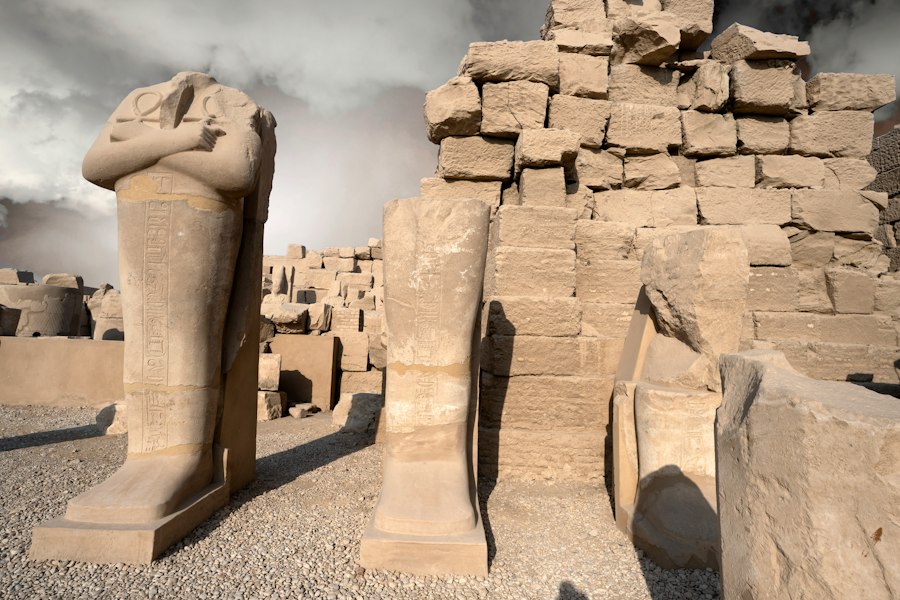
Despite the ingenuity of ancient agricultural practices, the reliance on natural cycles and the inherent limitations of their technologies made these societies highly vulnerable to environmental fluctuations. Natural disasters, such as droughts, floods, and plagues, could decimate crops, disrupt food supplies, and trigger widespread famine. These events were not isolated incidents but often recurring challenges that tested the resilience of even the most powerful empires. The interconnectedness of their agricultural systems meant that a localized environmental shock could have far-reaching consequences, impacting trade routes, social stability, and the overall capacity of the state to function.
The Shadow of Drought and Famine
Drought was perhaps the most persistent and devastating environmental threat faced by ancient empires. Extended periods of low rainfall could lead to crop failure, depleted water sources, and a drastic reduction in food availability. The impact of such droughts was not merely agricultural; it triggered a cascade of social and economic problems. Livestock would perish, leading to a loss of vital resources like meat, milk, and draft power. This, in turn, would reduce the ability to till fields and sow new crops, creating a vicious cycle of scarcity. Historical records from various civilizations offer stark accounts of prolonged droughts leading to widespread starvation, mass migrations of desperate populations, and increased social unrest. The inability to consistently secure food during such periods often exposed the fragility of the imperial administration and its capacity to respond to crises.
The Double-Edged Sword of Floods and Unpredictable Rains
While drought posed a significant threat, excessively heavy rainfall and floods could be equally destructive. Unpredictable and severe deluges could wash away planted seeds, destroy growing crops, and inundate granaries, leading to immediate food losses. In regions like Mesopotamia, while floods were essential for fertility, unmanageable floods could be catastrophic. The disruption of transportation networks due to flooded rivers and roads further exacerbated the problem, hindering the movement of food from surplus areas to those in need. The unpredictability of these weather patterns meant that even with well-established agricultural practices, a single extreme weather event could plunge a region into a food crisis, underscoring the precariousness of their food security.
The Impact of Pests and Diseases on Agricultural Output
Beyond the direct impact of weather, ancient agriculture was also susceptible to the ravages of pests and diseases. Insects, rodents, and various plant pathogens could wipe out entire harvests, reducing yields and leading to significant food shortages. The lack of understanding of biological control mechanisms meant that these outbreaks were difficult to manage and could persist for extended periods. Moreover, animal diseases could also devastate livestock populations, which were crucial for both food production and agricultural labor. The loss of a significant portion of a herd due to disease could have a devastating impact on a community’s ability to sustain itself, contributing to localized or even widespread food crises.
Societal Structures and the Burden of Sustenance
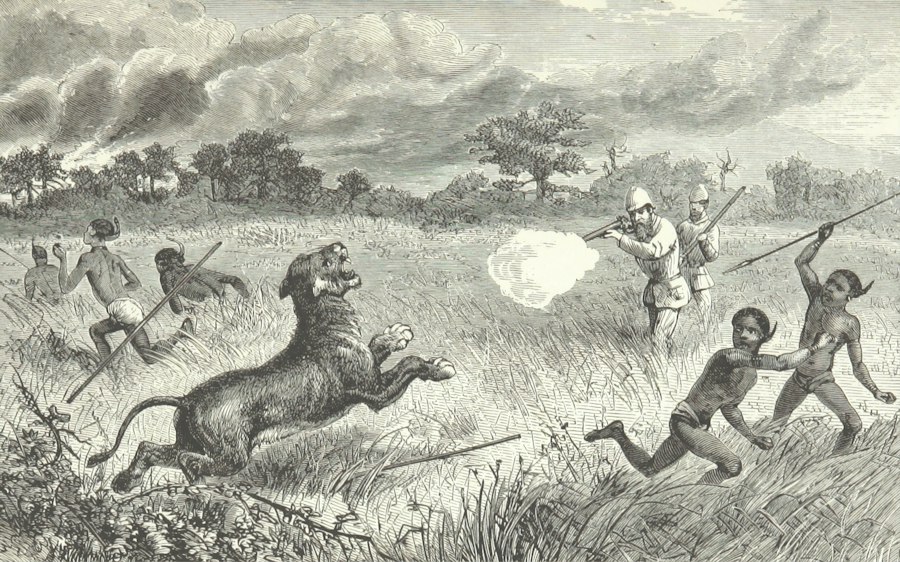
The way societies were organized, their economic systems, and the power dynamics within them played a crucial role in how food crises manifested and were addressed. The concentration of wealth and resources, the efficiency of food distribution networks, and the responsiveness of governance all influenced the impact of scarcity on different segments of the population. Hierarchical societies, common in ancient empires, often meant that the burden of food shortages fell disproportionately on the lower classes, while the elite might have had access to reserves or alternative food sources.
The Mechanics of Distribution: Granaries and Trade
The ability of an empire to withstand food crises was significantly dependent on its capacity for storing and distributing food. The construction and management of state-run granaries were essential for accumulating reserves during times of plenty, which could then be dispensed during periods of scarcity. These granaries served as a crucial buffer against famine and a tool for maintaining social order. Furthermore, trade played a vital role in mitigating regional food shortages. Empires that controlled extensive trade networks could import food from distant regions or exchange goods for essential foodstuffs, thereby alleviating pressure on local production. However, these distribution systems were not always equitable or efficient, and disruptions to trade routes due to conflict or natural disasters could quickly turn localized shortages into widespread crises.
The Role of the State in Food Security
The role of the state in ensuring food security varied across ancient empires and throughout their histories. In some instances, rulers actively intervened by regulating grain prices, organizing relief efforts, or investing in agricultural infrastructure. The Roman Empire, for example, developed a complex system of grain distribution, particularly for the city of Rome, which relied heavily on imports from its provinces. Conversely, other empires might have had a more laissez-faire approach, with local communities bearing the brunt of food shortages. The effectiveness of state intervention was often contingent on the state’s resources, its administrative capacity, and the political will of its leaders to address the needs of the populace. When the state failed to adequately respond, it could lead to widespread discontent and challenges to its authority.
Social Stratification and Unequal Access to Food
Ancient societies were almost invariably stratified, with significant disparities in wealth and access to resources. This social stratification profoundly impacted the experience of food crises. The wealthy elite, landowners, and merchants often had access to stored food, could afford to purchase food in the market even at inflated prices, or had diversified sources of income. In contrast, the poor, landless peasants, laborers, and urban dwellers were far more vulnerable. They relied on daily wages, had little to no stored food, and were often the first to suffer from crop failures and rising food prices. This inequality could breed resentment and fuel social unrest, as the desperation of the hungry clashed with the perceived indifference or inadequacy of the ruling class.
Imperial Expansion and the Strain on Resources
As empires expanded their territories, they often encountered new agricultural landscapes and new populations, but this expansion also brought its own set of challenges related to food supply. The logistical demands of feeding large armies on campaign, the integration of new territories with potentially different agricultural capacities, and the increased population that came with conquest could all strain existing food production and distribution systems. The quest for resources, including fertile land and food-producing regions, was a significant driver of imperial expansion, but it could also be a source of immense pressure on the empire’s ability to sustain itself.
Feeding the Legions: The Military’s Insatiable Appetite
The maintenance of large standing armies was a cornerstone of imperial power, but it also represented a significant drain on food resources. Armies on the march consumed vast quantities of grain, meat, and other provisions. Supplying these legions, especially in hostile or remote territories, required sophisticated logistical networks, extensive transportation capabilities, and the ability to forage or requisition food from local populations. Military campaigns could disrupt agricultural production in conquered or contested areas, further exacerbating food shortages. The logistical challenges of feeding the military often dictated the pace and success of campaigns, and the failure to adequately provision troops could lead to mutiny, desertion, and ultimately, military defeat.
The Integration of New Territories and Agricultural Diversity
Conquered territories often brought new agricultural products and practices into the empire, potentially diversifying the food supply and offering new avenues for sustenance. However, the integration of these new regions was not always smooth. Differences in farming techniques, land ownership patterns, and local customs could create friction. Furthermore, the imperial administration might impose new demands, such as tribute in the form of grain, which could place an undue burden on the agricultural capacity of newly acquired territories, potentially leading to shortages there. The successful integration of diverse agricultural systems required careful management and a nuanced understanding of local conditions, which was not always a hallmark of imperial policy.
Population Growth and the Intensification of Agriculture
Imperial expansion often led to increased population density in core areas and major cities, driven by factors such as security, economic opportunities, and the influx of people from newly conquered or unstable regions. This population growth placed immense pressure on existing agricultural systems to produce more food. This could lead to the intensification of agriculture, such as increased cultivation of marginal lands, multiple harvests per year where feasible, or the introduction of new crops and farming techniques. However, these efforts were not always sustainable and could lead to environmental degradation, soil exhaustion, and a greater vulnerability to crop failures in the long run, ultimately contributing to the precariousness of food security.
In exploring the complexities of ancient empires, one cannot overlook the significant impact of food crises on their stability and longevity. A fascinating article discusses how these challenges shaped military and political decisions, illustrating the interconnectedness of resource management and power dynamics. For a deeper understanding of how external factors influence strategic choices, you can read more in this insightful piece about the implications of artificial intelligence on military decision-making, which can be found here.
The Legacy of Food Crises: Triggers for Decline and Transformation
| Empire | Time Period | Food Crisis Cause | Impact on Population | Response Measures |
|---|---|---|---|---|
| Roman Empire | 1st-3rd Century AD | Crop failures due to climate change and over-farming | Famine in urban centers, increased mortality | Grain imports from Egypt, annona grain dole distribution |
| Han Dynasty (China) | 2nd Century AD | Floods and droughts causing poor harvests | Widespread famine, peasant revolts | State granaries, tax relief, and agricultural reforms |
| Ancient Egypt | Late Period (664–332 BC) | Nile River flooding irregularities | Food shortages, social unrest | Construction of irrigation canals, grain storage |
| Mesopotamian Empires | Various periods (c. 3000–500 BC) | Salinization of soil and drought | Decline in agricultural productivity, population decline | Canal maintenance, crop rotation, and trade |
| Inca Empire | 15th-16th Century AD | El Niño events causing crop failures | Localized famines, food shortages | Extensive storage systems (qullqas), redistribution of food |
Throughout history, food crises have been potent catalysts for significant societal and political change, acting as triggers for rebellion, contributing to economic decline, and even playing a role in the eventual collapse of empires. When the fundamental need for sustenance is threatened, populations become more prone to questioning the legitimacy and competence of their rulers. The memory of famine and the desperation it engenders can leave a lasting scar on the collective psyche of a people, shaping their future interactions with authority and their understanding of societal stability.
Seeds of Rebellion: Hunger and Discontent
The most immediate consequence of widespread food shortages was often social unrest and rebellion. When people are hungry, they are more likely to take risks. Protests, riots, and outright rebellions against established authorities could erupt as a direct response to starvation and perceived governmental inaction or incompetence. These uprisings, fueled by desperation, could destabilize regions, disrupt trade, and weaken the central authority of the empire, making it more vulnerable to external threats. The history of many empires is replete with instances where food riots or large-scale famines served as a precursor to more significant political upheaval.
Economic Repercussions: Inflation, Trade Disruptions, and Labor Shortages
Food crises had profound economic repercussions that could cripple an empire. Soaring food prices, driven by scarcity, could lead to hyperinflation, eroding the purchasing power of ordinary citizens and destabilizing the economy. Disruptions to agricultural production and trade routes could lead to the collapse of markets and a decline in economic activity. Furthermore, widespread starvation and malnutrition could lead to labor shortages, impacting not only agriculture but also other vital sectors of the economy, such as construction and manufacturing. The economic fallout from a food crisis could weaken an empire’s ability to fund its military, maintain infrastructure, and respond to other challenges.
The Ultimate Fall: Food Crises as a Factor in Imperial Collapse
While it is rare that food crises are the sole cause of imperial collapse, they often act as significant contributing factors, exacerbating existing weaknesses and accelerating decline. A sustained period of food insecurity could erode public confidence in the government, weaken its economic base, and make it more vulnerable to internal dissent and external aggression. Empires that repeatedly failed to adequately address the needs of their populations, particularly regarding food, found their legitimacy questioned and their ability to govern diminished. In this sense, the struggle for sustenance was not merely an economic or environmental challenge but a fundamental political and social one, the failure of which could, in the long arc of history, lead to the very disappearance of an empire from the world stage. The lessons learned from these ancient struggles with food crises continue to resonate today, reminding humanity of the enduring importance of food security in the foundation and survival of any civilization.
Your 401(k) Withdrawal Can Make More of Your Social Security Taxable
FAQs
What caused the food crisis in ancient empires?
The food crisis in ancient empires was caused by a combination of factors such as droughts, floods, pests, wars, and poor agricultural practices.
How did ancient empires try to address the food crisis?
Ancient empires tried to address the food crisis by implementing rationing, importing food from other regions, increasing agricultural production, and sometimes even engaging in conquests to acquire more resources.
Which ancient empires were most affected by food crises?
Ancient empires such as the Roman Empire, the Han Dynasty in China, the Maya civilization, and the Akkadian Empire in Mesopotamia were among those most affected by food crises at various points in their histories.
What were the consequences of food crises on ancient empires?
The consequences of food crises on ancient empires included widespread famine, social unrest, economic instability, population decline, and in some cases, the collapse of entire civilizations.
Did ancient empires develop any long-term solutions to prevent future food crises?
Ancient empires implemented various measures such as building irrigation systems, storing surplus food, diversifying crops, and establishing trade networks to prevent future food crises, but these solutions were not always successful in the long term.