
The Shifting Sands of Time: Early Civilizations Confronting Environmental Stress
The cradle of civilization, the ancient Near East, a region encompassing Mesopotamia, Anatolia, and the Levant, is renowned for its pioneering innovations that shaped human history. From the invention of writing and the wheel to the development of complex irrigation systems and early state formations, these societies laid the groundwork for much of what we recognize as modern life. However, this narrative of progress is inextricably linked to, and often dictated by, a dynamic and often capricious environment. The very landscapes that nurtured these burgeoning cultures were also susceptible to dramatic shifts, presenting them with challenges that, in retrospect, bear striking resemblances to our contemporary climate crisis. Understanding how these ancient societies navigated their environmental changes offers invaluable lessons for our present-day struggle to adapt to a warming planet. These were not passive recipients of climatic fortune; rather, they were active agents, striving to comprehend, mitigate, and adapt to environmental transformations that profoundly influenced their political stability, social structures, and ultimate trajectories. The story of the ancient Near East is, therefore, also a story of early environmental resilience, ingenuity, and the sometimes-harsh consequences of failing to heed the planet’s signals.
The ancient Near East experienced significant climate crises that profoundly impacted its civilizations, leading to shifts in agricultural practices and societal structures. For a deeper understanding of how environmental factors influence economic systems, you can explore the article on the economic value of lunar helium-3, which discusses the implications of resource scarcity and technological advancements in addressing climate challenges. To read more, visit this article.
Echoes of the Past: Understanding the Ancient Near East’s Environmental Context
The ancient Near East, particularly the Mesopotamian alluvial plain between the Tigris and Euphrates rivers, was a region inherently dependent on predictable hydrological cycles. Its fertility, the bedrock of its agricultural success, relied on the seasonal flooding of these mighty rivers, depositing nutrient-rich silt. However, this dependence also made it vulnerable to variations in rainfall and river flow, which were influenced by broader climatic patterns. The region’s history is punctuated by periods of environmental stress, often characterized by prolonged droughts, unpredictable flood patterns, and shifts in temperature. These climatic fluctuations were not isolated incidents but rather interconnected phenomena, influencing not only agricultural productivity but also trade routes, resource availability, and inter-regional relations. Archaeological evidence, paleoclimate data from ice cores, lake sediments, and ancient pollen, all converge to paint a picture of a region where environmental stability was a precious commodity, often hard-won and easily lost.
The Alluvial Plain’s Delicate Balance: Water as the Lifeblood and the Threat
Mesopotamia, often lauded as the “land between the rivers,” owed its very existence to the water it received. The Tigris and Euphrates, fed by snowmelt from the distant Taurus Mountains and seasonal rains, provided the lifeblood for its agriculture. The annual inundation, a predictable event in optimal conditions, was crucial for replenishing soil moisture and delivering fertile silt. However, this predictability was frequently disrupted. Evidence suggests periods of significantly reduced rainfall in the headwaters of these rivers, leading to diminished river levels and crop failures. Conversely, extreme rainfall events could result in catastrophic floods, inundating settlements, destroying irrigation infrastructure, and leading to widespread devastation. The management of water, therefore, became a central concern for Mesopotamian societies, leading to the development of sophisticated irrigation systems, canals, and reservoirs. These monumental engineering feats were not merely about expanding arable land; they were a desperate attempt to buffer against the vagacies of the climate, to create a more stable and predictable environment for sustenance. The success and ultimate decline of many Mesopotamian city-states can often be traced back to their ability to manage these water resources effectively.
Beyond Mesopotamia: Aridification and its Ripple Effects
While Mesopotamia’s challenges were primarily hydrological, other regions within the ancient Near East faced distinct but related environmental pressures. The Levant, for instance, with its Mediterranean climate, experienced periods of increasing aridity, impacting its agricultural output and contributing to resource competition. Anatolia, a more mountainous region, also saw changes in rainfall patterns and temperatures that affected its agricultural base and pastoral economies. These regional variations in climate change were not isolated events. They created a complex web of interconnected environmental pressures that could trigger migration, disrupt trade networks, and contribute to political instability across the entire Near East. The movement of people fleeing drought-stricken areas could strain resources in neighboring regions, potentially leading to conflict or new alliances. The disruption of trade routes due to environmental catastrophes could cripple economies, leading to social unrest and the weakening of established powers. The ancient Near East, therefore, serves as an early example of how interconnected global environmental shifts can have far-reaching socio-political consequences.
Adapting to the Unpredictable: Ancient Responses to Environmental Change
Faced with environmental challenges, ancient Near Eastern societies did not passively endure. They actively sought to understand, adapt to, and even shape their surroundings. Their responses ranged from technological innovations and shifts in agricultural practices to profound changes in their social and political organization. These adaptations, while often born out of necessity, demonstrate a remarkable capacity for resilience and a deep understanding of their ecological limits, at least in the short to medium term. The successes and failures of these adaptive strategies provide crucial insights into the dynamics of human-environment interaction.
Engineering Resilience: The Rise of Irrigation and Water Management
The most visible and arguably most impactful response to environmental variability was the development of elaborate irrigation systems. In Mesopotamia, the construction of extensive canal networks allowed for the diversion of river water to fields further from the riverbanks, expanding agricultural production and creating surplus. This surplus was crucial for supporting larger populations, specialized labor, and the development of urban centers. The management of these canals required sophisticated organizational structures, labor mobilization, and ongoing maintenance, fostering the growth of centralized authority. The ability to control and distribute water became a significant source of power for ruling elites. However, these systems were also susceptible to silting, neglect, and the impacts of extreme weather events. A prolonged drought could render entire canal networks useless, while devastating floods could destroy them, necessitating massive rebuilding efforts. The sheer scale of these irrigation projects underscores the vital importance of water management in ancient Near Eastern societies.
Shifting Horizons: Agricultural Innovations and Land Use Strategies
Beyond large-scale engineering, ancient peoples also adapted their agricultural practices to cope with changing conditions. This included diversifying crops, selecting drought-resistant varieties, and altering planting and harvesting schedules. In some areas, there may have been a shift from intensive agriculture to more extensive pastoralism during periods of drought, or a migration to areas with more reliable water sources. The development of new tools and techniques, such as improved plows or more efficient harvesting methods, also played a role in enhancing agricultural productivity and resilience. Archaeological evidence from different periods reveals shifts in the types of crops cultivated and the extent of land brought under cultivation, suggesting a continuous process of adaptation in response to environmental pressures. The understanding of local microclimates and the judicious use of available land and water resources were critical for survival.
Societal Restructuring: The Political and Social Impact of Environmental Stress
Environmental crises often had profound consequences for the social and political fabric of ancient Near Eastern societies. Periods of drought and crop failure could lead to famine, social unrest, and the breakdown of established hierarchies. This could manifest as peasant revolts, increased banditry, or the weakening of central authority. Conversely, successful management of environmental resources could consolidate power and foster stability. Some scholars argue that periods of environmental stress may have contributed to the rise and fall of empires, as states struggled to cope with resource scarcity and the resulting social dislocations. The need to manage water resources and ensure food security often led to increased social stratification and the concentration of power in the hands of those who controlled these vital resources. Furthermore, migration driven by environmental factors could lead to increased contact and competition between different groups, shaping inter-group relations and contributing to the formation of new political entities.
The Specter of Drought: A Recurring Motif in Near Eastern History
Drought, arguably the most persistent and devastating environmental challenge in the ancient Near East, cast a long shadow over its history. The region’s semi-arid and arid climate made it inherently susceptible to prolonged periods of reduced rainfall. These droughts were not merely inconveniences; they were existential threats that could decimate agricultural output, lead to widespread famine, and trigger societal collapse. The archaeological record and textual evidence provide ample testimony to the devastating impact of these dry spells.
Tales of Hardship: Textual Evidence of Famine and Despair
Ancient cuneiform texts from Mesopotamia, often administrative or economic in nature, contain references to periods of severe hardship, crop failures, and famine. These records speak of dwindling grain reserves, the desperate need for imported food, and the desperate measures taken to survive. Letters between officials sometimes detail pleas for aid, reports of starving populations, and the collapse of local economies. While these texts rarely provide detailed meteorological data, their consistent descriptions of widespread suffering during certain historical periods strongly indicate prolonged periods of drought. These are not simply isolated incidents of bad harvests but rather chronicling the consequences of a fundamental shift in the water cycle, impacting entire regions and their populations for years, if not decades. The language used in these ancient documents often conveys a sense of desperation and the breakdown of societal order, highlighting the profound human cost of environmental desiccation.
Archaeological Signatures: Traces of Subsistence Crisis
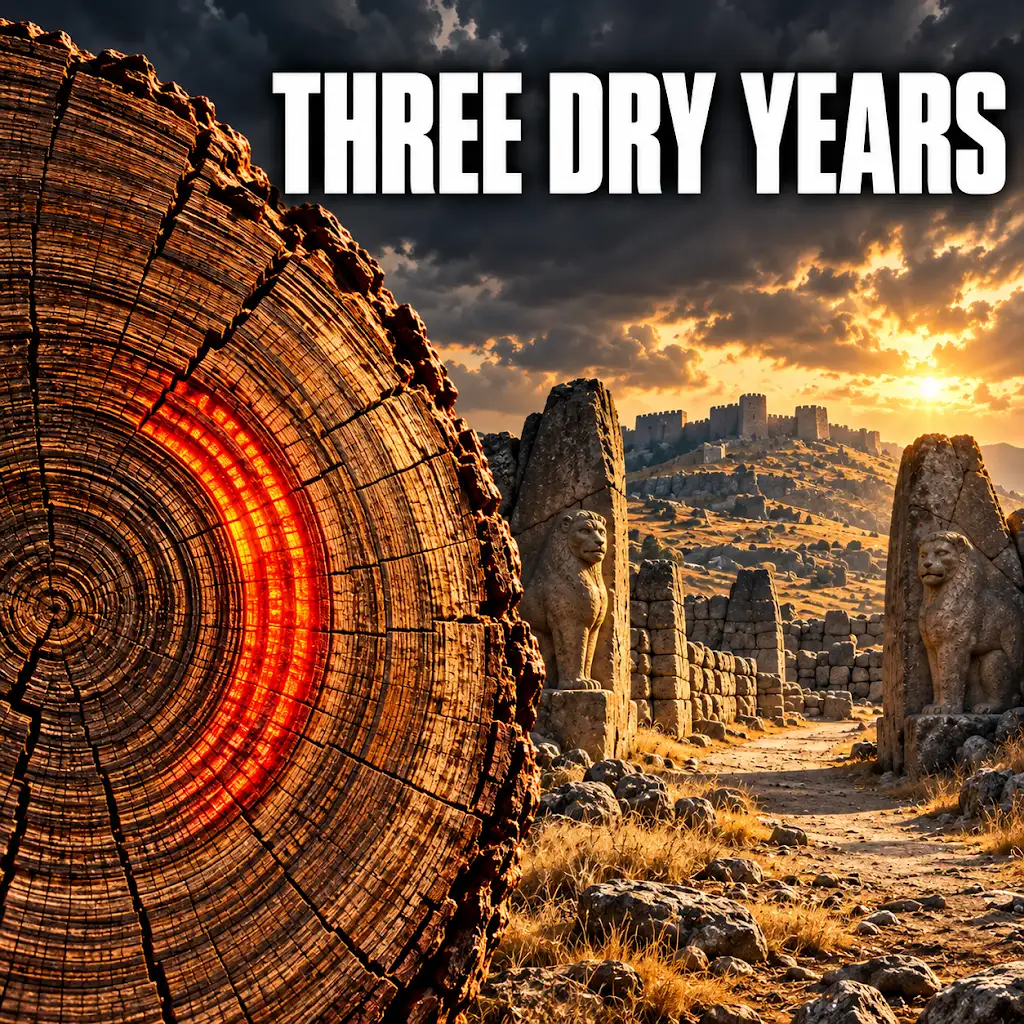
Archaeological excavations have corroborated textual accounts with tangible evidence of environmental stress. Sites abandoned abruptly during periods of known drought often show signs of rapid depopulation, with evidence of malnutrition in skeletal remains and a decline in the quality of pottery and other artifacts. The cessation of large-scale irrigation projects, the abandonment of previously fertile agricultural land, and the shift towards more easily defensible hilltop settlements can all be interpreted as responses to environmental degradation, particularly prolonged aridity. For example, the decline of certain major cities in Mesopotamia and the Levant has been linked to periods of severe drought, suggesting that the inability to sustain a large agricultural base led to the emigration of populations and the eventual collapse of urban life. The presence of fewer animal bones, indicating a reduction in livestock, or a change in the types of wild animals hunted, also points to changes in the carrying capacity of the environment due to prolonged dry conditions.
The Long Decline: Impact on Urban Centers and Political Stability
Prolonged droughts had a particularly devastating impact on the large, densely populated urban centers of the ancient Near East. These cities relied on a constant influx of food from surrounding agricultural hinterlands. When rainfall failed, and irrigation systems faltered, the food supply lines would break down, leading to widespread hunger and social unrest. This instability could weaken the authority of rulers, making them vulnerable to internal dissent or external aggression. In some cases, a series of severe droughts, occurring in close succession, may have contributed to the gradual decline and eventual abandonment of once-thriving urban centers. The inability of the state to provide for its citizens during times of environmental crisis eroded its legitimacy and could lead to a cascade of failures, ultimately culminating in societal transformation or collapse. The ancient Near East provides a stark reminder that even the most sophisticated urban civilizations are ultimately dependent on the environmental conditions that sustain them.
The ancient Near East experienced significant climate shifts that profoundly impacted its civilizations, leading to agricultural decline and societal upheaval. A related article explores the intriguing concept of lost technologies in ancient societies, shedding light on how these innovations may have contributed to their resilience or vulnerability during climate crises. For more insights on this topic, you can read about it in the article on lost ancient technology. Understanding these historical contexts can provide valuable lessons for contemporary climate challenges.
Lessons for Today: Enduring Wisdom from the Ancient World
| Period | Region | Climate Event | Approximate Date (BCE) | Impact on Societies | Evidence Type |
|---|---|---|---|---|---|
| Late Bronze Age Collapse | Eastern Mediterranean & Near East | Severe drought and cooling | 1200-1150 | Collapse of major civilizations (Hittites, Mycenaeans, Egyptians) | Tree rings, sediment cores, archaeological records |
| 4.2 Kiloyear Event | Mesopotamia, Levant, Egypt | Prolonged drought | c. 2200-1900 | Collapse of Akkadian Empire, urban decline, societal disruptions | Speleothems, lake sediments, written records |
| Early Bronze Age Drought | Near East | Drying trend and reduced rainfall | c. 3000-2500 | Shift in settlement patterns, agricultural stress | Isotopic analysis, pollen data |
| Iron Age Cold Event | Near East | Temperature drop and aridity | c. 900-700 | Changes in crop yields, migration, political instability | Ice cores, archaeological evidence |
The ancient Near East’s experience with environmental change is not merely an academic curiosity; it offers profound and enduring lessons for our contemporary world grappling with its own climate crisis. While the scale and nature of our current challenges are amplified by industrialization and global interconnectedness, the fundamental human responses to resource scarcity, environmental degradation, and the imperative to adapt remain remarkably consistent. By studying how these early civilizations navigated their environmental shifts, we can gain valuable insights into the strategies that fostered resilience, the pitfalls that led to collapse, and the inherent limitations of human intervention in the face of powerful natural forces.
The Interconnectedness of Systems: Ecology, Society, and Politics
A primary lesson from the ancient Near East is the undeniable interconnectedness of ecological, social, and political systems. They demonstrated that environmental stability is not an independent variable but rather a foundational element upon which societies are built. When the environment faltered, so too did the social order and the political structures that depended on it. This underscores the need for a holistic approach to environmental management, recognizing that solutions to climate change cannot be solely technological or economic. They must also address the social inequalities, political vulnerabilities, and deeply ingrained societal behaviors that exacerbate environmental problems. Ignoring the ecological underpinnings of human civilization is a recipe for instability, a lesson learned the hard way by the peoples of the ancient Near East. Their history serves as a powerful testament to the fact that societal prosperity and stability are inextricably linked to the health of the planet.
The Imperative of Adaptation and Innovation
The ancient Near East’s history is a story of remarkable adaptation and innovation in the face of environmental challenges. From the sophisticated irrigation systems of Mesopotamia to the diversified agricultural practices across the region, these societies actively sought to understand and mitigate the impacts of climatic shifts. This spirit of ingenuity and resourcefulness is crucial for our own time. It highlights the importance of investing in research and development, fostering technological solutions, and promoting flexible and adaptive strategies in agriculture, water management, and urban planning. However, it also cautions against over-reliance on purely technological fixes. The ancient examples show that even the most impressive engineering feats can be undone by prolonged or extreme environmental shifts, or by the social and political will to maintain them. True resilience requires a combination of technological innovation and a deep understanding of ecological principles.
The Consequences of Inaction and Unsustainable Practices
Conversely, the decline and collapse of some ancient Near Eastern societies offer stark warnings about the consequences of inaction and unsustainable practices. Periods of prolonged environmental stress, coupled with political instability and a failure to adapt, could lead to societal disintegration. This serves as a potent reminder that ignoring environmental signals and continuing on unsustainable pathways carries significant risks. The ancient Near East demonstrates that societies that fail to heed the warning signs of environmental degradation and resource depletion are ultimately vulnerable to collapse. This historical perspective should embolden us to take immediate and decisive action to address the climate crisis, recognizing that the costs of inaction far outweigh the costs of proactive mitigation and adaptation. The echoes of ancient societal decline, driven in part by environmental factors, should serve as a powerful cautionary tale for the 21st century.
Your 401(k) Withdrawal Can Make More of Your Social Security Taxable
FAQs
What caused the climate crisis in the ancient Near East?
The climate crisis in the ancient Near East was primarily caused by natural factors such as prolonged droughts, changing weather patterns, and deforestation due to human activities.
How did the climate crisis impact ancient Near Eastern civilizations?
The climate crisis had devastating effects on ancient Near Eastern civilizations, leading to food shortages, famine, social unrest, and the collapse of some societies.
Were there any attempts to mitigate the effects of the climate crisis in the ancient Near East?
Ancient Near Eastern civilizations implemented various strategies to cope with the climate crisis, including water management systems, crop diversification, and trade networks to acquire food from other regions.
What lessons can we learn from how ancient Near Eastern civilizations dealt with the climate crisis?
We can learn the importance of sustainable resource management, adaptation to changing environmental conditions, and the need for international cooperation in addressing climate challenges from the experiences of ancient Near Eastern civilizations.
How does the study of the ancient Near East climate crisis help us understand modern climate change?
Studying the ancient Near East climate crisis provides valuable insights into the long-term impacts of environmental degradation, the interconnectedness of human societies and the environment, and the urgency of taking proactive measures to address modern climate change.