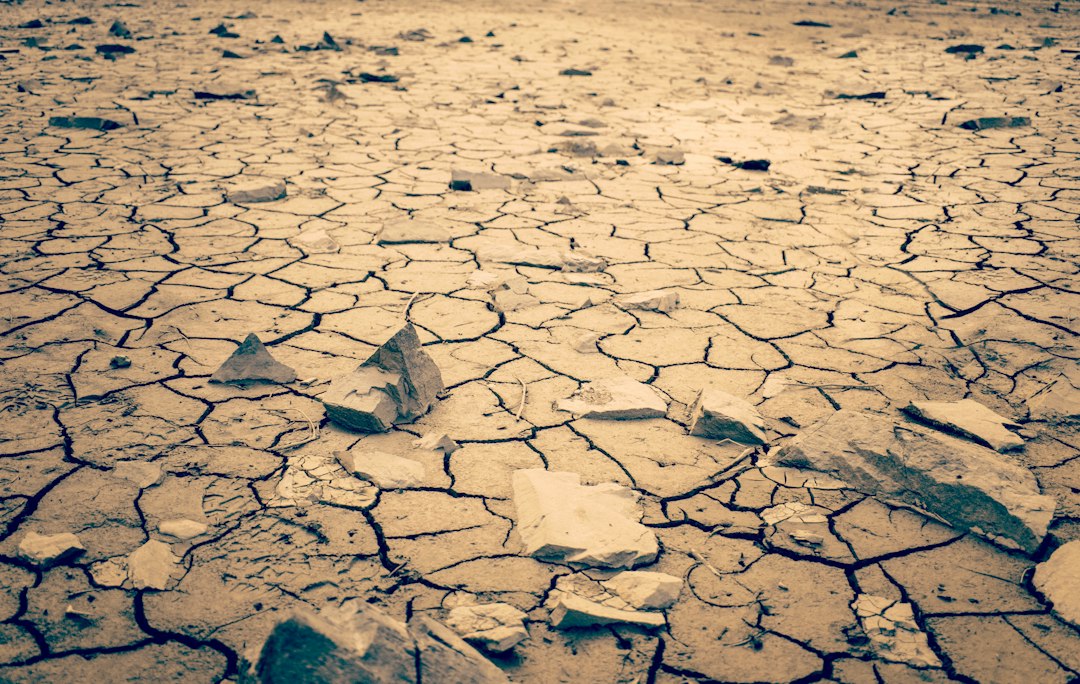
The annals of human history are punctuated by the rise and fall of civilizations, and while myriad factors contribute to imperial collapse, the subtle yet relentless pressure of water scarcity stands as a recurring and often underestimated antagonist. Empires, by their very nature, require vast resources to sustain their populations, military might, and complex administrative structures. When the most fundamental resource – water – begins to dwindle, the intricate edifice of empire can begin to tremble, its foundations slowly eroded by drought and the societal unrest it breeds. Examining these historical water crises offers a potent lens through which to understand the vulnerabilities of complex societies and provides enduring lessons for the present day.
The Invisible Hand of Water: Preconditions for Collapse
Before delving into specific empires, it is crucial to understand the fundamental ways in which water scarcity can destabilize a society, particularly one operating at the scale and complexity of an empire. Empires typically exert considerable influence over their surrounding environments, often through ambitious agricultural projects, extensive urbanization, and the creation of sophisticated infrastructure. These endeavors, while contributing to imperial power, also create inherent dependencies. The larger the population, the more extensive the agricultural output required, and the more reliant the empire becomes on a predictable and abundant water supply. When this supply is disrupted, the cascade of consequences can be swift and devastating.
Population Growth and Resource Strain
The growth of an empire is often intrinsically linked to its ability to support a burgeoning population. This growth, in turn, places ever-increasing demands on natural resources, with water being paramount. Agricultural expansion, the bedrock of most pre-industrial empires, requires significant water for irrigation. As populations swell, so too does the need for food, leading to further intensification of agriculture, often pushing into marginal lands that are less resilient to drought. Urban centers, the pulsating hearts of empires, also have substantial water needs for drinking, sanitation, and industry. When the water table drops or rainfall diminishes, these growing demands collide with a shrinking supply, creating a fundamental imbalance that fuels instability. The expansionist policies of many empires, driven by a need to acquire more resources, also often overextended their logistical capabilities, making them more vulnerable when those acquired resources proved less sustainable than anticipated.
Agricultural Reliance and Food Security
The economic and social stability of most historical empires rested heavily on successful agricultural production. A consistent supply of grain and other staples was essential not only for feeding the populace but also for provisioning armies, supporting trade, and maintaining social order. Droughts directly threaten this crucial element. Reduced rainfall or prolonged dry spells can lead to widespread crop failure, leading to food shortages, inflated prices, and famine. These famines are not merely periods of hardship; they are potent catalysts for social upheaval. Starving populations are prone to rioting, internal conflict, and increased emigration, all of which erode the authority and control of the imperial government. Furthermore, the dependence on rain-fed agriculture, or on irrigation systems that themselves rely on consistent water sources, makes empires particularly susceptible to climate fluctuations.
Infrastructure and Water Management Systems
Empires often distinguished themselves through their ability to engineer ambitious water management systems. Aqueducts, canals, reservoirs, and intricate irrigation networks were testaments to their technological prowess and their capacity to mobilize labor. While these systems could, in times of plenty, significantly enhance agricultural productivity and support large urban populations, they also represented concentrated points of vulnerability. If the source of water for these systems – rivers, springs, or lakes – diminished, the entire infrastructure could become useless. Moreover, the maintenance of these complex systems required constant labor and resources. During periods of economic hardship or political instability, the upkeep of such infrastructure could falter, leading to their disrepair and a further exacerbation of water problems. The failure of these engineered solutions, once symbols of imperial strength, could become stark reminders of their fragility.
Throughout history, drought has played a significant role in the collapse of empires, as seen in various civilizations that struggled to adapt to changing climate conditions. An insightful article that delves into this topic is available at this link. It explores how prolonged periods of drought not only affected agricultural productivity but also led to social unrest and the eventual decline of powerful states. Understanding these historical patterns can provide valuable lessons for contemporary societies facing similar environmental challenges.
Case Studies in Water-Induced Decline
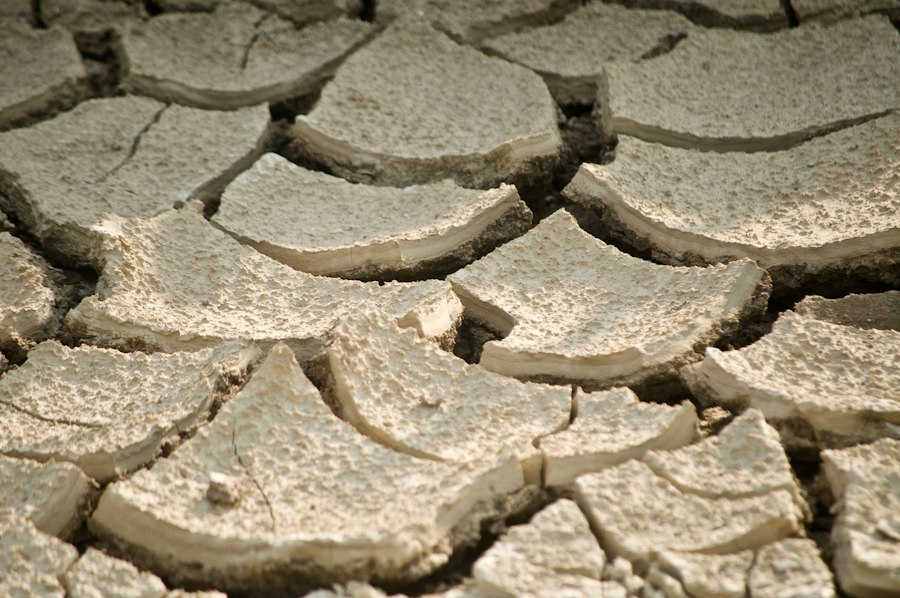
History offers a rich tapestry of empires whose trajectories were significantly shaped, and in some cases, ultimately dictated, by the challenges of water scarcity. These examples, spanning diverse geographical locations and historical periods, highlight the recurring patterns of societal response to drought and the profound consequences that can ensue.
The Collapse of the Classic Maya Civilization
The Classic Maya civilization, flourishing in Mesoamerica for centuries, provides one of the most compelling and extensively studied examples of a complex society undone by prolonged drought. The Maya developed sophisticated agricultural techniques, including terracing and raised fields, to maximize food production in their tropical environment. Their cities were centers of monumental architecture and elaborate religious practices, sustained by large populations that placed significant demands on water resources. However, their reliance on rainfall for agriculture and their impressive hydraulic systems, designed to capture and store rainwater, proved to be their undoing.
Intensified Drought and Environmental Stress
Paleoclimate data, including the analysis of lake sediment cores and stalagmites, has revealed a series of severe and prolonged droughts that afflicted the Maya heartland during the terminal Classic period (roughly 800-1000 CE). These droughts, likely exacerbated by deforestation and land degradation – themselves consequences of intensive agriculture and population growth – created immense environmental stress. The Maya had developed intricate systems of reservoirs and cisterns to store water, but these were ultimately insufficient to withstand the prolonged absence of significant rainfall. As water sources dried up, agricultural yields plummeted, leading to widespread food shortages.
Societal Fragmentation and Elite Failure
The Maya elite, who held significant religious and political authority, were deeply intertwined with the concept of rain-making and the appeasement of deities associated with water. The inability of the rulers to alleviate the suffering caused by drought would have severely undermined their legitimacy. Archaeological evidence suggests that as the droughts intensified, so did internal conflict, warfare, and the breakdown of social order. Cities were abandoned, and the complex political landscape of the Classic Maya fragmented. The collapse was not a single event but a protracted process of decline, marked by depopulation and the eventual abandonment of their magnificent urban centers. The Maya learned a brutal lesson: even the most advanced societies are not immune to the power of natural forces when the fundamental resource of water becomes scarce.
Throughout history, drought has played a significant role in the collapse of empires, as evidenced by various civilizations that struggled to adapt to changing climatic conditions. A fascinating exploration of this topic can be found in the article that discusses the Piri Reis map, which offers insights into how environmental factors influenced navigation and trade in ancient times. For more information on this intriguing connection, you can read the article here. Understanding these historical patterns can provide valuable lessons for contemporary societies facing similar challenges.
The Decline of the Akkadian Empire
The Akkadian Empire, a significant Mesopotamian power that rose to prominence in the 3rd millennium BCE, also offers a stark illustration of the impact of drought on imperial stability. The empire, centered in the fertile crescent, relied heavily on rain-fed agriculture and sophisticated irrigation systems that drew from the Tigris and Euphrates rivers. Its expansion and consolidation of power were predicated on its ability to control and manage these vital water resources. However, evidence suggests that climatic shifts played a crucial role in its eventual downfall.
The Aridification of Northern Mesopotamia
Research, particularly from the Khabur River basin in northeastern Syria, has indicated a significant aridification event around 2300-2200 BCE, coinciding with the decline of the Akkadian Empire. This period saw a dramatic decrease in rainfall, which would have severely impacted the agricultural productivity of the northern regions, the breadbasket of the empire. The Akkadian administration, which had established a centralized system of governance and resource extraction, would have been heavily dependent on the surplus generated by these fertile lands.
Collapse of Trade Networks and Rebellion
The aridification would have crippled Akkadian agriculture, leading to food shortages and a decline in the empire’s ability to provision its large army and bureaucracy. This economic strain, coupled with the reduced ability to maintain irrigation systems, would have weakened the empire’s control over its periphery. Archaeological evidence points to a sharp decline in trade networks and an increase in nomadic incursions. The weakened central authority, struggling with internal instability caused by food scarcity, would have been unable to effectively respond to these external threats. The collapse of the Akkadian Empire, often attributed solely to internal rebellion or invasion, likely had a significant component driven by a prolonged drought that destabilized its economic and military foundations.
The Roman Empire and Water Crises
While the Roman Empire was renowned for its sophisticated engineering of water management systems, even this mighty power was not immune to the challenges posed by water scarcity, particularly in its later stages. The vast reach of the empire and its immense population placed considerable demands on water resources across a diverse geographical range.
Strain on Urban Water Supplies and Agriculture
In regions like North Africa, the breadbasket of the Roman Empire, prolonged droughts could significantly impact grain production, a vital commodity for feeding Rome and its legions. While Rome itself benefited from impressive aqueducts that brought water from distant springs, these systems were not impervious to reduced water availability. Moreover, the expansion of Roman agriculture, including viticulture and olive cultivation, required significant water input, and periods of drought would have strained these endeavors. The maintenance and expansion of these complex water systems also demanded considerable labor and financial resources, which became increasingly difficult to muster during the empire’s later periods of economic and political turmoil.
The Role of Water in the Empire’s Western Decline
While attributing the fall of the Western Roman Empire solely to water scarcity is an oversimplification, it is undeniable that it played a contributing role. Periods of drought in key agricultural regions could have exacerbated existing economic vulnerabilities, leading to increased food prices, social unrest, and a weakened ability to fund the military. Furthermore, the control of vital water sources, such as rivers and springs, could have become a point of contention, both internally and with external groups seeking to disrupt Roman supply lines. The decline in the quality of water delivered by some aqueducts, potentially due to a lack of maintenance or diminished source flow, may have also contributed to public health issues in urban centers, further weakening the fabric of society. The empire’s reliance on a complex, interconnected system meant that the failure of one element, like a consistent water supply, could have cascading negative effects.
Lessons for Today: A Recurrent Threat
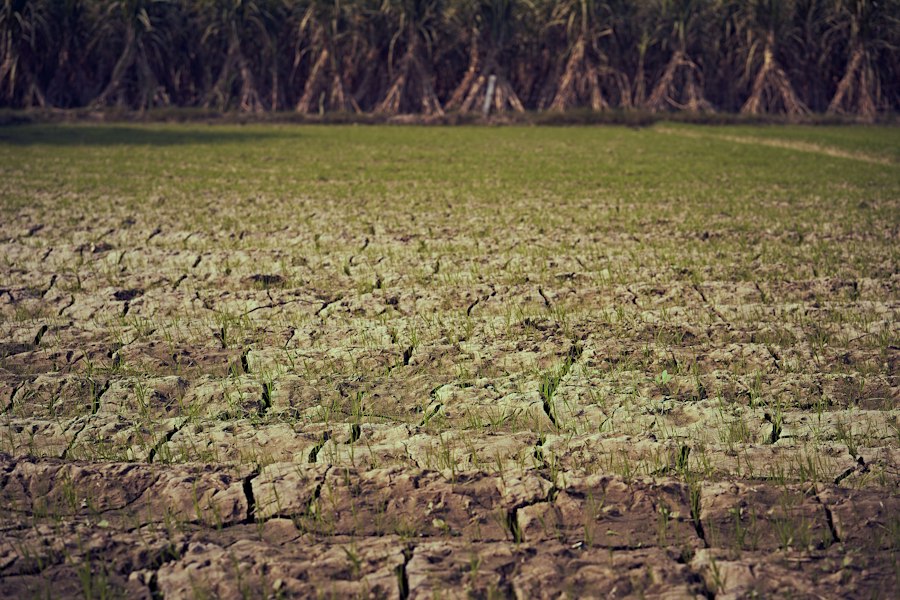
The historical patterns of drought and imperial collapse offer sobering lessons for the contemporary world, especially in an era marked by climate change and increasing global interconnectedness. The vulnerabilities that plagued ancient empires are not entirely eradicated; rather, they have been amplified by the scale of our modern civilization and our reliance on complex, often fragile, global systems.
The Interplay of Climate Change and Societal Resilience
Modern society, like its historical predecessors, remains fundamentally dependent on a stable climate and predictable water resources. Climate change, driven by anthropogenic greenhouse gas emissions, is demonstrably leading to more frequent and intense droughts in many regions of the world. This directly threatens agricultural productivity, a cornerstone of global food security. Furthermore, the increasing demand for water due to population growth, industrialization, and urbanization creates a perfect storm, where shrinking supplies collide with escalating needs. The historical record shows that when these pressures reach a tipping point, societal stability can fracture. The challenge today is to learn from these past collapses and proactively build resilience.
The Dangers of Ignoring Environmental Signals
The historical examples demonstrate a recurring theme: the tendency of societies, and particularly their leadership, to ignore or downplay environmental signals until it is too late. The Maya elite, for instance, seem to have persevered in their established rituals and governance structures even as the rains failed. Similarly, later Roman authorities may have struggled to adapt to the gradual decline in agricultural output in some regions. In the present day, the scientific consensus on climate change and its implications for water resources is clear. The danger lies in political inertia, economic vested interests, and a reluctance to make the necessary systemic changes. The lessons of history urge us to heed these environmental warnings and to prioritize long-term sustainability over short-term expediency.
Building Adaptive Capacity in a Water-Scarce Future
The historical analysis of drought and empire collapse underscores the critical importance of adaptive capacity. Societies that were able to develop flexible agricultural techniques, diversify their economies, and maintain robust social safety nets were often more resilient to water stress. For the contemporary world, this translates into investing in sustainable water management technologies, promoting water conservation, developing drought-resistant crops, and fostering international cooperation on water resource management. It also means building more equitable societies that are less vulnerable to the disproportionate impacts of resource scarcity. The failure to adapt, as demonstrated by numerous historical empires, can lead to a painful and irreversible decline.
Towards a Sustainable Water Future: Proactive Measures
The specter of water scarcity looms large over the 21st century. While the term “empire collapse” may seem anachronistic, the underlying principles of resource depletion leading to societal instability remain profoundly relevant. The lessons from history are not merely academic curiosities; they are urgent calls to action. Proactive measures are not just desirable; they are essential for navigating the challenges of a water-scarce future and ensuring the continued flourishing of human civilization.
Investing in Water Infrastructure and Innovation
Just as ancient empires invested in aqueducts and canals, modern societies must invest in robust and sustainable water infrastructure. This includes not only traditional projects like dams and reservoirs but also innovative solutions such as advanced desalination technologies, efficient irrigation systems, and comprehensive water recycling programs. Furthermore, understanding the historical failures of infrastructure – its maintenance needs, its vulnerability to source depletion – is crucial. The design and management of modern water systems must incorporate principles of resilience and long-term sustainability, anticipating future climate scenarios rather than relying on past hydrological patterns. Technological innovation, coupled with thoughtful planning and equitable distribution, will be key to managing dwindling water supplies.
Fostering Water Diplomacy and Global Cooperation
The historical tendency for resource scarcity to fuel conflict is a stark reminder of the importance of water diplomacy. As transboundary rivers become more critical and droughts become more widespread, the potential for interstate disputes over water resources will only increase. History shows that empires often faltered when their ability to control and manage shared resources broke down. Therefore, fostering robust international agreements and collaborative frameworks for water management is paramount. This involves not only equitable allocation but also shared investment in research, data collection, and the development of best practices. A cooperative approach, grounded in mutual understanding and shared responsibility, is far more likely to lead to sustainable solutions than unilateral actions or resource competition.
Educating for a Water-Conscious Society
Ultimately, the long-term sustainability of any society, regardless of its political structure, rests on the collective understanding and behavior of its citizens. The historical failures of empires grappling with water crises serve as a powerful pedagogical tool. Educating future generations about the vital importance of water, the impacts of climate change, and the historical consequences of resource mismanagement is essential. Cultivating a water-conscious society, where conservation is a norm and efficient water use is prioritized, is as crucial as any technological solution. By understanding the past, societies can better equip themselves to build a future where water remains a source of life, not a catalyst for collapse. The echoes of fallen empires, whispered across millennia, serve as a potent reminder that our relationship with water is not merely an ecological concern, but a fundamental determinant of our own civilizational destiny.
Your 401(k) Withdrawal Can Make More of Your Social Security Taxable
FAQs
What role did drought play in the collapse of empires throughout history?
Droughts have been known to contribute to the collapse of empires by causing food shortages, famine, and social unrest. Without enough food and resources, empires struggle to maintain stability and control over their territories.
Which historical empires were significantly impacted by drought?
Empires such as the Akkadian Empire, the Mayan civilization, and the Khmer Empire are known to have faced collapse due to prolonged droughts. These periods of water scarcity led to crop failures, economic decline, and ultimately the downfall of these once-powerful empires.
How did drought affect the Akkadian Empire?
The Akkadian Empire, which existed around 2300 BCE, faced a severe drought that contributed to its collapse. The lack of water led to agricultural failures, food shortages, and ultimately weakened the empire, making it vulnerable to outside invasions and internal strife.
What lessons can be learned from the impact of drought on historical empires?
One important lesson is the significance of environmental factors in the stability of empires. Droughts can expose vulnerabilities in a society’s infrastructure, economy, and governance, highlighting the importance of sustainable resource management and adaptation strategies.
How can the study of drought and empire collapse history inform modern-day policies and practices?
By understanding how droughts have contributed to the downfall of past empires, policymakers and leaders can better prepare for and mitigate the impacts of future droughts. This includes investing in water conservation, disaster preparedness, and sustainable agricultural practices to build resilience against drought-related challenges.