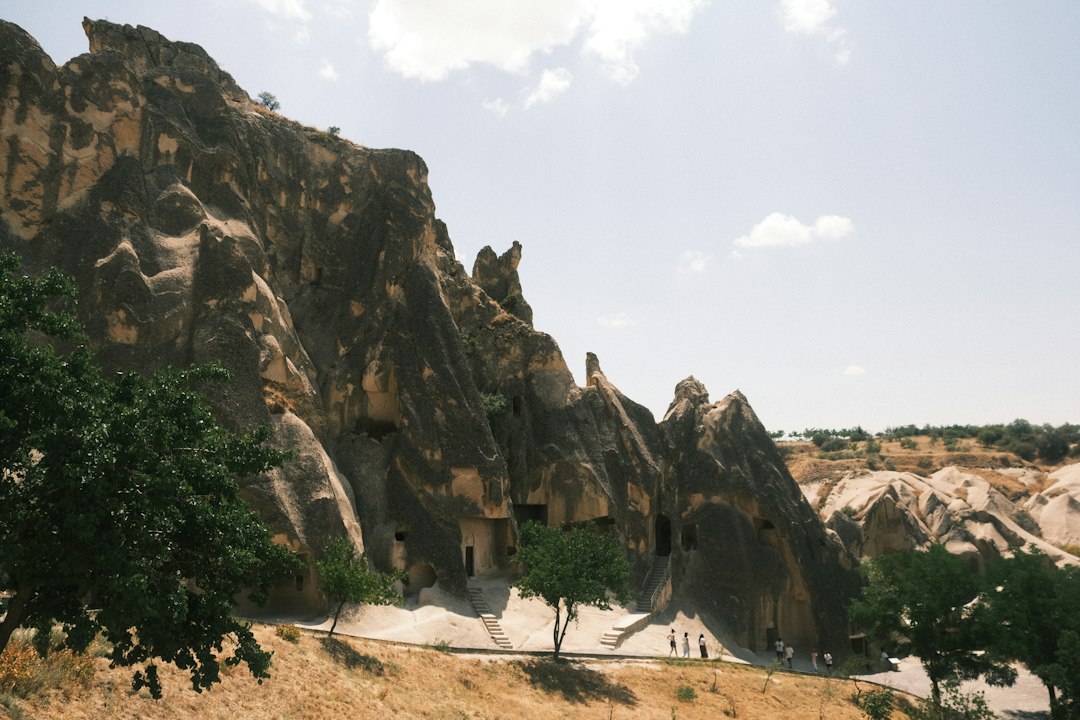
The Anatolian plateau, a vast expanse of rolling hills and fertile valleys in modern-day Turkey, has long been a cradle of civilizations. For millennia, its rich soil and strategic location have attracted peoples, fostering the rise and fall of empires. Among the most enigmatic and historically significant of these was the Hittite Empire, a powerful Bronze Age kingdom that once dominated the Near East. For centuries, their existence was primarily known through fragmented accounts in other ancient texts, leaving their true story shrouded in mystery. It was only through persistent and meticulous archaeological endeavors, primarily in the heart of Turkey, that the Hittites were resurrected from the dust of ages, their empire painstakingly reconstructed through the unearthed remnants of their cities, their art, and their very words.
Unearthing Hattusa: The Capital City’s Secrets
The most pivotal discoveries concerning the Hittite Empire have undoubtedly stemmed from the excavation of their magnificent capital city, Hattusa, located near the modern village of Boğazkale in north-central Turkey. This sprawling site, designated a UNESCO World Heritage Site, has yielded an unparalleled wealth of information, painting a vivid picture of Hittite life, governance, and religious practices. The sheer scale of Hattusa, with its monumental architecture and complex urban planning, speaks volumes about the empire’s power and sophistication.
The Great Temple and Its Sacred Precinct
At the heart of Hattusa lies the Great Temple, a colossal structure dedicated to the Storm God Teshub and his consort Hepat. Its impressive remains, including massive stone foundations and remnants of column bases, hint at a grandeur that once defined the city’s religious life. Surrounding the temple is a sacred precinct, enclosed by a formidable wall, which likely served as a center for religious ceremonies and processions. Within this area, archaeologists have uncovered numerous altars, offering tables, and votive objects, providing tangible evidence of the Hittites’ devotion to their pantheon. The meticulous layout and the scale of construction suggest a highly organized religious hierarchy and a society deeply intertwined with its spiritual beliefs.
The Royal Palace and Administrative Buildings
Beyond the religious center, Hattusa boasts the remains of a sprawling royal palace complex. Though much of it has succumbed to the ravages of time, the excavated sections reveal grand courtyards, multi-roomed chambers, and evidence of advanced masonry techniques. This complex served not only as the residence of the Hittite kings but also as the administrative hub of the empire. Nearby, excavations have uncovered numerous other administrative buildings, including what are believed to be treasury, archives, and barracks. The presence of these structures underscores the bureaucratic sophistication required to manage such a vast and powerful state. Their careful organization and the sheer volume of unearthed artifacts within them point to a well-established system of governance and record-keeping.
The City Walls and Gates: Defenses of an Empire
Hattusa was a heavily fortified city, and its impressive defensive structures offer a testament to the Hittites’ military prowess and their constant need to protect their domain. The city walls, often constructed of massive cyclopean masonry, encircle the sprawling urban area, punctuated by formidable gates. The Lion Gate, with its imposing stone lion sculptures, and the King’s Gate, featuring a relief of a warrior god, are particularly striking examples. These monumental gateways not only served a defensive purpose but also acted as symbolic declarations of the empire’s strength and authority. The engineering involved in their construction, particularly the precision of the stonework and the strategic placement of defensive features, showcases the Hittites’ advanced understanding of architecture and military strategy. The sheer scale and the evident labor invested in these fortifications highlight the importance of security and territorial integrity to the Hittite state.
The Hittite Empire, which thrived in what is now modern-day Turkey, has long fascinated archaeologists and historians alike due to its complex society and significant contributions to ancient civilization. Recent archaeological discoveries continue to shed light on this enigmatic empire, revealing insights into its governance, culture, and interactions with neighboring civilizations. For a deeper exploration of the themes of deception and power in ancient societies, you might find the article “Uncovering the Deceptions of Ancient Rulers” particularly intriguing. It discusses how rulers, including those from the Hittite period, often manipulated narratives to maintain control. You can read more about it here: Uncovering the Deceptions of Ancient Rulers.
The Royal Archives of Hattusa: A Lexicon of Hittite Civilization
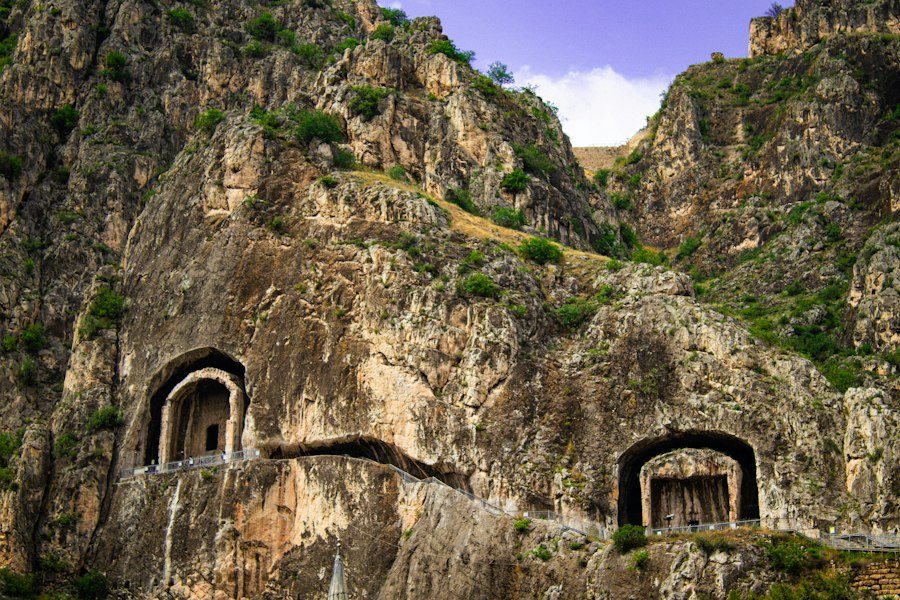
Perhaps the most significant single discovery at Hattusa, and arguably one of the most important in Near Eastern archaeology, is the vast collection of cuneiform tablets unearthed from the palace and temple archives. These clay tablets, inscribed with the Akkadian and Hittite languages, have provided an unprecedented window into the Hittite world, allowing scholars to reconstruct their history, laws, administration, mythology, and even their daily lives. The sheer volume and diversity of the texts are staggering.
Royal Decrees and Treaties: The Foundations of Diplomacy
Among the most illuminating finds are the royal decrees and treaties. These documents detail the Hittite kings’ pronouncements, their interactions with neighboring states, and their diplomatic strategies. The Treaty of Kadesh, a peace treaty between the Hittites and the Egyptians, stands as a landmark achievement, representing one of the earliest known international peace agreements. Its discovery and translation have revolutionized our understanding of ancient diplomacy and the complex geopolitical landscape of the Bronze Age. The careful preservation of these documents, often stored in designated archive rooms, speaks to the Hittites’ understanding of the importance of written records for governance and historical memory.
Recent archaeological discoveries in Turkey have shed new light on the Hittite Empire, revealing intricate details about their culture and governance. These findings not only enhance our understanding of this ancient civilization but also raise questions about the broader implications of historical treaties and agreements. For a fascinating exploration of how treaties impact civilizations, you can read this article on the relevance of the Outer Space Treaty. The ongoing research continues to captivate historians and archaeologists alike, as they piece together the legacy of the Hittites and their influence on subsequent cultures. For more insights, check out the article here.
Legal Codes: Justice in the Hittite Realm
The Hittite legal codes are another treasure trove of information. Unlike the more punitive laws of some contemporary civilizations, Hittite law appears to have a focus on restitution and compensation. These codes offer insights into social structures, economic practices, and the administration of justice within the empire. They detail punishments for theft, assault, property damage, and even crimes related to religious offenses. The nuanced nature of these laws, distinguishing between different types of offenses and considering various social statuses, reveals a complex and relatively sophisticated legal system. The careful drafting and preservation of these legal texts demonstrate a commitment to establishing order and fairness within the Hittite populace.
Religious Texts and Mythology: The Spiritual Heart of the Empire
The vast collection of religious texts and mythological narratives has provided invaluable information about the Hittite pantheon, their rituals, and their creation stories. These texts reveal a syncretic religion, absorbing deities and beliefs from the various cultures that the Hittites encountered and integrated into their empire, including Mesopotamian and Hurrian influences. The Epic of Ullikummi, a creation myth, is a prime example of their rich narrative tradition. These religious writings offer a profound glimpse into the spiritual beliefs that underpinned Hittite society, shaping their worldview and influencing their actions. The detailed descriptions of festivals, prayers, and offerings illuminate the ways in which religion permeated all aspects of Hittite life, from the royal court to the commoner.
Beyond Hattusa: Exploring Hittite Influence Across Anatolia
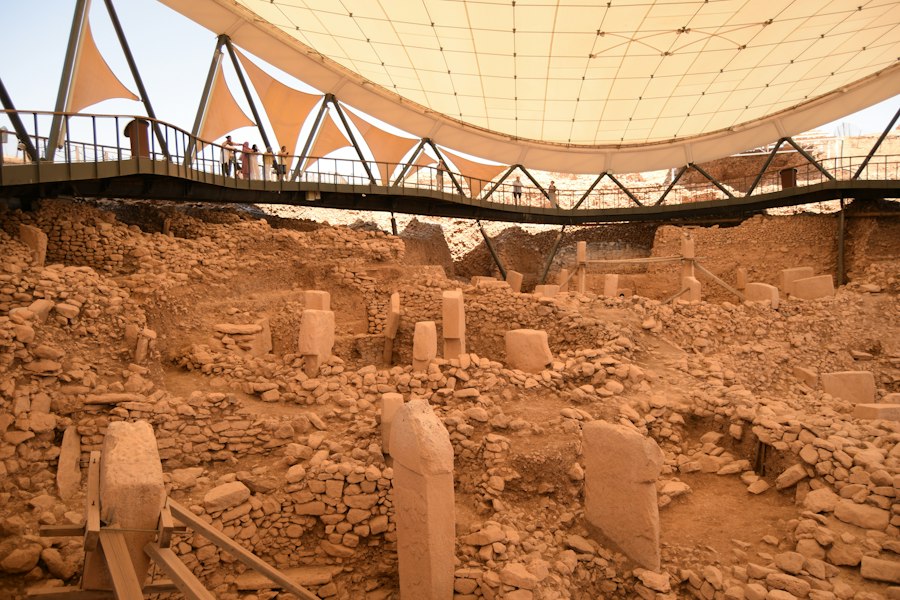
While Hattusa remains the epicenter of Hittite discovery, archaeological excavations at other sites across Anatolia have further solidified our understanding of the empire’s vast reach and its impact on the region. These sites reveal the network of cities, fortresses, and administrative centers that constituted the Hittite dominion.
Carchemish: A Northern Frontier Stronghold
The ancient city of Carchemish, located on the border of modern-day Turkey and Syria, was a strategically important Hittite stronghold. Excavations here have uncovered impressive fortifications, palaces, and a wealth of Neo-Hittite reliefs, which, while dating to a later period, demonstrate the enduring legacy of Hittite artistic and architectural traditions. The discovery of Hittite inscriptions at Carchemish further confirms its role as a vital outpost of the empire. The city’s strategic location at a major crossroads of ancient trade routes highlights the Hittites’ control over vital economic arteries. The artistic styles found here, blending Hittite motifs with local influences, offer a fascinating insight into cultural exchange within the empire.
Alacahöyük: A Precursor and Royal Necropolis
The site of Alacahöyük, located not far from Hattusa, predates the main period of Hittite dominance but played a significant role in their early history. It is renowned for its early Bronze Age royal tombs, which yielded spectacular gold and bronze artifacts, including the famous “sun disks” and stags. These discoveries suggest that Alacahöyük may have been a significant cultic center even before the rise of Hattusa as the capital. Later, it was incorporated into the Hittite Empire, likely serving as a secondary administrative and religious center. The rich burial goods from Alacahöyük provide some of the earliest and most exquisite examples of Anatolian metallurgy and artistry, hinting at a sophisticated preceding culture that the Hittites likely inherited and built upon.
Yazılıkaya: The Open-Air Sanctuary of the Gods
A truly unique and awe-inspiring discovery is Yazılıkaya, a rock sanctuary located a short distance from Hattusa. This open-air site features a series of rock-cut reliefs depicting processions of gods and goddesses, the Hittite royal family, and various mythological scenes. The intricate carvings, preserved remarkably well due to their sheltered location, offer a vivid visual representation of the Hittite pantheon and their religious beliefs. The procession of deities, led by the Storm God Teshub and Hepat, marching towards the central sanctuary, is a particularly striking tableau. Yazılıkaya provides a direct and powerful connection to the visual culture and religious practices of the Hittite Empire, offering a stark contrast to the textual evidence found in the archives.
The Legacy of the Hittites: Enduring Influence and Modern Understanding
The archaeological discoveries in Turkey have not only resurrected the Hittite Empire from historical obscurity but have also illuminated their profound and lasting influence on the ancient Near East and beyond. Their innovations in warfare, diplomacy, and administration, coupled with their rich cultural heritage, have left an indelible mark on the course of history.
Military Innovations and Empire Building
The Hittites were renowned for their military prowess, particularly their effective use of chariots and iron weaponry. Their ability to forge and utilize iron gave them a significant advantage over their contemporaries, contributing to their military dominance. The archaeological evidence of their fortresses, weapons, and depictions of warfare in their art underscores their strategic importance and their capacity for territorial expansion. Their empire-building strategies, characterized by a combination of military might, astute diplomacy, and the integration of conquered peoples, provided a model for subsequent empires in the region. The understanding of their military organization, tactics, and technological advancements has significantly enriched our comprehension of ancient warfare.
Cultural Exchange and Artistic Traditions
The Hittites were not insular; they actively engaged in cultural exchange with the diverse peoples of the Near East. This interaction resulted in a rich tapestry of artistic styles, religious beliefs, and technological advancements that characterized their empire. Their art, with its distinctive blend of Mesopotamian, Egyptian, and indigenous Anatolian influences, showcases a unique aesthetic. The relief carvings at Hattusa and Yazılıkaya, the cylinder seals, and the metalwork all bear witness to a vibrant and evolving artistic tradition. This process of cultural synthesis demonstrates the Hittites’ ability to adapt and integrate external influences while maintaining a distinct identity.
The Indispensable Role of Archaeology
The story of the Hittite Empire is a compelling testament to the power of archaeology to illuminate the past. Without the painstaking work of archaeologists in Turkey, meticulously excavating, preserving, and interpreting the material remains, our knowledge of this significant civilization would remain rudimentary. The decipherment of the cuneiform script and the careful reconstruction of the urban landscapes of Hattusa and other sites have transformed our understanding of the Bronze Age. These discoveries have not only filled crucial gaps in historical knowledge but have also challenged previous assumptions and offered new perspectives on the complexities of ancient societies. The ongoing nature of these excavations ensures that the secrets of the Hittites will continue to be unveiled, further enriching our understanding of human history.
Your 401(k) Withdrawal Can Make More of Your Social Security Taxable
FAQs
What is the Hittite Empire?
The Hittite Empire was an ancient civilization that existed in Anatolia (modern-day Turkey) during the Bronze Age. It was one of the great powers of the ancient world, known for its advanced military, diplomacy, and legal system.
Where are Hittite archaeological sites located in Turkey?
Hittite archaeological sites can be found throughout modern-day Turkey, with some of the most notable ones being Hattusa (the capital city), Alacahöyük, and Yazılıkaya. These sites offer valuable insights into the culture, architecture, and daily life of the Hittite Empire.
What are some key archaeological discoveries related to the Hittite Empire in Turkey?
Some key archaeological discoveries related to the Hittite Empire in Turkey include the royal archives found at Hattusa, which contained thousands of cuneiform tablets providing valuable historical and cultural information. The Sphinx Gate and Lion Gate at Hattusa are also significant findings.
How did the Hittite Empire influence the region of Anatolia?
The Hittite Empire had a significant influence on the region of Anatolia, shaping its political landscape, trade networks, and cultural practices. The empire’s legacy can be seen in the art, architecture, and language of subsequent civilizations in the area.
What led to the decline of the Hittite Empire in Turkey?
The decline of the Hittite Empire is believed to have been caused by a combination of factors, including invasions by the Sea Peoples, internal unrest, and environmental challenges such as droughts. These factors weakened the empire, eventually leading to its collapse around the 12th century BCE.