
The Anatolian peninsula, a land bridge between Europe and Asia, has long been a cradle of human civilization. Its Bronze Age, spanning roughly from 3000 BCE to 1200 BCE, witnessed the rise and fall of powerful kingdoms, the development of sophisticated metallurgy, and the emergence of complex societal structures. This era in what is now modern-day Turkey is a tapestry woven with threads of trade, conflict, innovation, and the enduring legacy of peoples whose stories are gradually being pieced together through archaeological discovery. From the fertile river valleys to the mineral-rich mountains, Bronze Age Turkey was a dynamic landscape where diverse cultures interacted, leaving behind an indelible mark on the region’s history.
The Dawn of Metallurgy and Early Settlements
The Bronze Age in Anatolia did not emerge in a vacuum; it built upon millennia of Neolithic and Chalcolithic developments. The true hallmark of this period, however, was the mastery of bronze, an alloy of copper and tin. This technological leap allowed for the creation of stronger tools, more durable weapons, and decorative objects of unprecedented artistry. Early settlements began to transform from small villages into more organized centers of population, driven by the need for specialized labor, resource management, and defense.
The Allure of Copper and the Dawn of Bronze
The abundance of copper ore in Anatolia, particularly in regions like the Taurus Mountains, provided the foundational material for early metalworking. Initially, copper was hammered and shaped, but the true revolution came with the understanding of alloying. The careful combination of copper with tin, often sourced through long-distance trade networks, resulted in bronze, a metal that was harder, more resilient, and easier to cast than pure copper. This innovation had a profound impact on agriculture, warfare, and craftsmanship. Farmers could wield more efficient plows, soldiers possessed superior weaponry, and artisans could create more intricate and lasting objects. The development of bronze casting techniques, including the lost-wax method, allowed for the production of complex forms, from functional tools to exquisite jewelry and ceremonial artifacts. This technological advancement was not a singular event but a gradual process of experimentation and refinement that characterized the early Bronze Age.
The Emergence of Proto-Urban Centers
As metalworking skills flourished, so did the organization of human settlements. Sites like Alacahöyük, near the Black Sea, and Mersin, on the Mediterranean coast, began to show signs of proto-urban development. These centers were not merely agricultural villages; they were becoming hubs of trade, administration, and specialized craft production. Excavations at these sites have revealed evidence of fortifications, public buildings, and distinct residential areas, suggesting a growing social stratification and a more complex political landscape. The concentration of population and resources in these early urban centers facilitated further technological innovation and the development of more sophisticated social and economic systems. The accumulation of wealth, often derived from control over metal resources and trade routes, also contributed to the emergence of elite classes and the construction of monumental structures, hinting at a developing hierarchy.
The history of Bronze Age Turkey is a fascinating topic that sheds light on the early civilizations that flourished in the region, particularly in relation to trade and cultural exchange. For those interested in understanding the economic dynamics of ancient societies, a related article can be found at this link, which discusses the broader implications of economic strategies that can be traced back to historical practices, including those from the Bronze Age.
The Hittite Empire: A Bronze Age Superpower
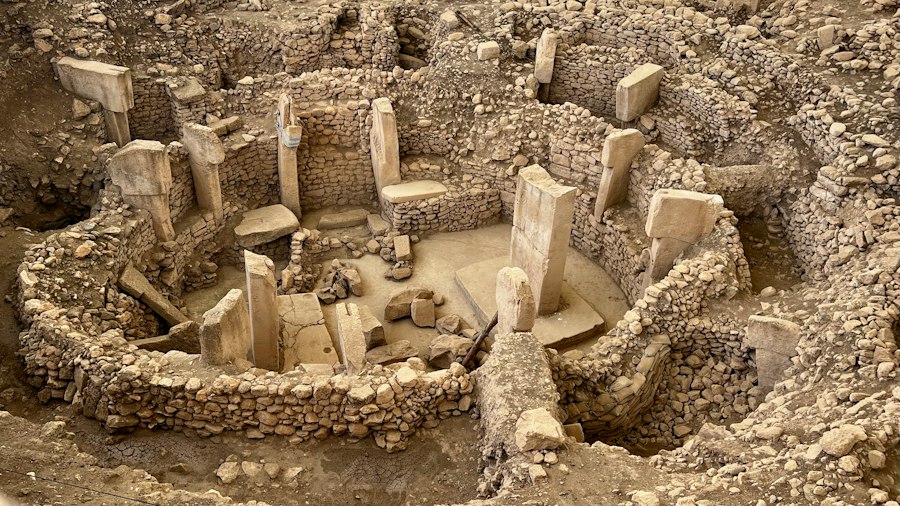
Perhaps the most significant civilization to emerge from Bronze Age Turkey was the Hittite Empire. Centered in Anatolia, the Hittites rose to prominence in the Middle Bronze Age and became a major player on the international stage, rivaling powers like Egypt and Assyria. Their achievements in warfare, law, and diplomacy left an enduring legacy.
The Rise of Hattusa and the Hittite State
The Hittites established their capital at Hattusa, a formidable city located in north-central Anatolia. The strategic location of Hattusa, with its natural defenses and proximity to important trade routes, played a crucial role in the empire’s growth. The Hittites were renowned for their military prowess, employing iron weapons in later stages of their dominance, although bronze remained their primary material for much of the Bronze Age. Their effective use of chariots and disciplined infantry allowed them to expand their dominion across Anatolia and beyond, influencing regions as far south as Syria. The development of a centralized administration, supported by a sophisticated bureaucracy and a codified legal system, was fundamental to the functioning of the Hittite state. Their deciphered cuneiform tablets offer invaluable insights into their governance, religious beliefs, and daily lives.
The Hittite Pantheon and Cultural Synthesis
The religious landscape of the Hittite Empire was characterized by a complex pantheon and a remarkable ability to incorporate deities from the cultures they encountered. While the Hittites had their own indigenous gods, such as the Storm God of Hatti, they readily adopted and integrated the gods of the Hurrians, Semites, and other peoples within their vast empire. This religious syncretism reflects a broader pattern of cultural exchange and adaptation that defined the Hittite civilization. Their temples, often elaborate structures, were centers of religious practice and community life. The Hittites also developed a rich tradition of mythology, epic poetry, and administrative texts, providing a window into their worldview and intellectual achievements. Their architectural style, evident in the monumental gates and palaces of Hattusa, also displays influences from Mesopotamian and Egyptian traditions, further underscoring their role as a cultural crossroads.
Trade Networks and Interconnections

Bronze Age Turkey was not an isolated entity; it was deeply embedded in a vast network of trade that spanned the ancient Near East and beyond. The demand for raw materials, particularly metals like copper and tin, drove these extensive exchange routes, fostering economic interdependence and cultural diffusion.
The study of Bronze Age Turkey reveals fascinating insights into the region’s complex societies and their innovative practices. One intriguing aspect of this era is the advanced water management systems that were developed, which played a crucial role in supporting agriculture and urbanization. For a deeper understanding of ancient engineering marvels, you can explore how the Persian qanat system exemplifies such ingenuity in water management by visiting this related article. This connection highlights the importance of water infrastructure in the development of ancient civilizations, including those in Turkey during the Bronze Age.
The Silk Road’s Precursors: Metal and Luxury Goods
Long before the famed Silk Road, Anatolia was a vital node in a network of trade routes focused on essential commodities. Copper and tin, the crucial ingredients for bronze, were highly sought after. Anatolia possessed significant copper deposits, making it a major supplier. However, tin was scarcer and often had to be imported from distant lands, possibly from regions as far as Afghanistan or even further afield. This necessity for tin spurred the development of sophisticated maritime and overland trade routes. Besides metals, luxury goods like precious stones, textiles, and grains also flowed through these networks. Coastal cities on the Mediterranean and Black Seas served as crucial entrepôts, facilitating the exchange of goods between Anatolia, Mesopotamia, Egypt, and the Aegean world. Archaeological evidence, such as the discovery of non-local pottery and artifacts at various sites, attests to the extensive reach of these trade connections.
The Impact of Maritime and Overland Routes
The geographical position of Anatolia, bridging continents, made it a natural conduit for trade. Maritime routes along the Mediterranean and Black Seas were vital for transporting bulk goods and connecting major coastal settlements. These sea lanes allowed for relatively efficient movement of goods, though they were subject to the vagaries of weather and piracy. Overland routes, often following river valleys and mountain passes, connected inland settlements and facilitated the movement of goods to and from Mesopotamia and further east. The development and maintenance of these routes required significant organization and often involved the cooperation or control of various regional powers. The economic prosperity of many Bronze Age cities in Turkey was directly linked to their ability to participate in and control these vital arteries of trade. The exchange of not only goods but also ideas, technologies, and artistic styles was an inevitable consequence of these interactions, enriching the cultural tapestry of the region.
The Collapse of the Bronze Age and its Aftermath
Around the end of the 13th century BCE and into the early 12th century BCE, the Late Bronze Age world experienced a widespread collapse. Civilizations that had flourished for centuries crumbled, leaving behind a period of upheaval and transition. Bronze Age Turkey was not immune to these dramatic changes.
The Mysterious Sea Peoples and Systemic Instability
The exact causes of the Late Bronze Age collapse remain a subject of intense scholarly debate. However, a confluence of factors, including climate change, internal rebellions, widespread invasions by the enigmatic “Sea Peoples,” and the breakdown of established trade networks, likely contributed to the demise of many powerful Bronze Age states. The Hittite Empire, in particular, suffered a catastrophic collapse, its capital Hattusa eventually destroyed and abandoned. The “Sea Peoples,” a confederation of maritime raiders whose origins are still debated, played a significant role in destabilizing the eastern Mediterranean, attacking coastal cities and disrupting established political and economic orders. The widespread destruction and abandonment of major settlements across Anatolia signal a dramatic societal breakdown.
The Dawn of the Iron Age and New Beginnings
Following the collapse of the Bronze Age, Anatolia entered a period of fragmentation and rebuilding, gradually transitioning into the Iron Age. While bronze remained in use for a time, the discovery and adoption of iron smelting technologies marked a new era. New political entities began to emerge, and the foundations for subsequent civilizations, such as the Phrygians and Lydians, were laid. The legacy of the Bronze Age, however, persisted. The advanced metallurgical knowledge, the established trade routes, and the cultural memory of powerful empires continued to shape the region. The ruins of Bronze Age cities, from the monumental architecture of Hattusa to the rich burials of Alacahöyük, stand as silent testaments to the sophisticated civilizations that once thrived in Bronze Age Turkey, offering ongoing insights into the deep roots of human history in this pivotal land. The resilience of human societies in adapting to profound societal shifts is a recurring theme, and the transition from the Bronze Age to the Iron Age in Anatolia is a prime example of this enduring human capacity for reinvention.
Your 401(k) Withdrawal Can Make More of Your Social Security Taxable
FAQs
What is the significance of the Bronze Age in Turkey’s history?
The Bronze Age in Turkey’s history marked a period of significant advancements in technology, trade, and cultural development. It was a time when metalworking, agriculture, and urbanization flourished, laying the foundation for future civilizations.
Which civilizations thrived during the Bronze Age in Turkey?
During the Bronze Age in Turkey, civilizations such as the Hittites, Luwians, and Mycenaeans flourished. These societies established powerful kingdoms, engaged in trade networks, and left behind impressive archaeological remains.
What were some key archaeological discoveries from the Bronze Age in Turkey?
Archaeologists have uncovered numerous important sites and artifacts from the Bronze Age in Turkey, including the Hittite capital of Hattusa, the city of Troy, and the royal tombs of Alaca Höyük. These discoveries have provided valuable insights into ancient Anatolian civilizations.
How did trade play a role in the Bronze Age civilizations of Turkey?
Trade was essential to the Bronze Age civilizations of Turkey, as it allowed for the exchange of goods, ideas, and technologies between different regions. Cities like Troy and Hattusa served as important trade hubs, connecting Anatolia to the wider ancient world.
What led to the decline of Bronze Age civilizations in Turkey?
The decline of Bronze Age civilizations in Turkey is believed to have been caused by a combination of factors, including invasions, internal conflicts, and natural disasters. The Sea Peoples, climate change, and the collapse of trade networks are also thought to have contributed to the downfall of these once-thriving societies.