
The vast, arid expanse of Central Anatolia, a region historically shaped by both its fertile plateaus and its stark climatic challenges, possesses a deep and intricate drought history. For millennia, civilizations have risen and fallen, their fortunes often intimately tied to the capricious rainfall patterns of this land. Understanding these patterns and their enduring impacts is crucial for appreciating the region’s resilience, its agricultural heritage, and the ongoing challenges of water management in an era of amplified climate change. This article delves into the historical drought trends of Central Anatolia, exploring the cyclical nature of these dry periods, their profound influence on human societies, and the ways in which the region has adapted, or struggled to adapt, to these recurring environmental pressures.
Ancient Echoes: Early Civilizations and the Shadow of Aridity
The very foundations of settled life in Central Anatolia were laid in a landscape where water was, and remains, a precious commodity. Archaeological evidence from the earliest settled communities, stretching back to the Neolithic period, suggests a sophisticated understanding of water management, even in the face of nascent understanding of meteorological phenomena. Sites like Çatalhöyük, while renowned for its urban complexity, also reveal evidence of water collection and distribution systems, hinting at an awareness of seasonal rainfall variability. As larger civilizations emerged, such as the Hittites, the reliance on rain-fed agriculture intensified, making them particularly vulnerable to drought.
Hittite Empire and Water Security
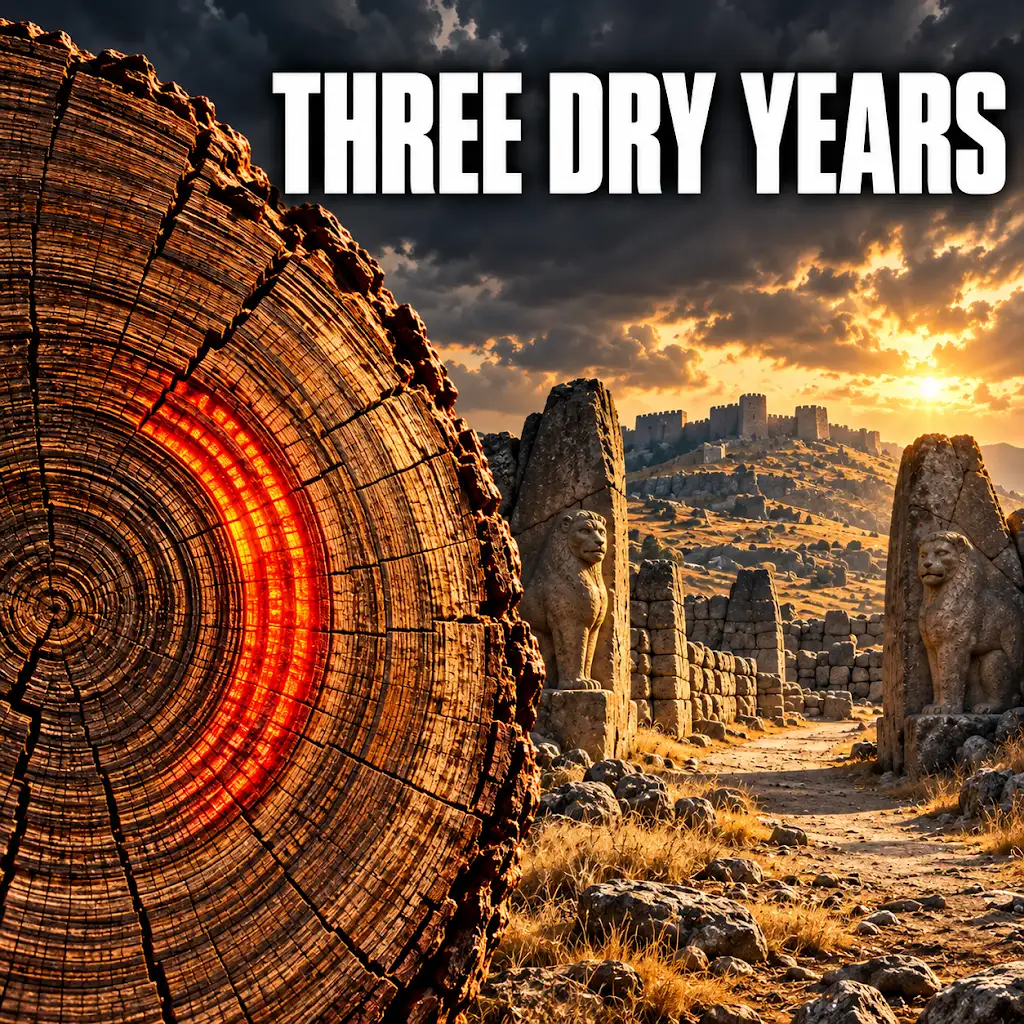
The Hittite Empire, which flourished in the second millennium BCE, controlled a significant portion of Central Anatolia. Their extensive irrigation systems, documented through cuneiform tablets, demonstrate a proactive approach to water management. They built dams, canals, and reservoirs, not only for agriculture but also for defensive purposes, recognizing the strategic importance of water. However, periods of prolonged drought would have undoubtedly strained these systems and impacted agricultural output, potentially contributing to social unrest and weakening the empire’s foundations. Paleoclimatic studies, though limited for this specific period and region, suggest that shifts in monsoon patterns could have affected rainfall, exacerbating drought conditions. The resilience of Hittite society likely rested on their ability to adapt their agricultural practices and to maintain these vital water infrastructure projects, even when faced with scarce resources.
The Seljuk Era and Agricultural Innovation
Later, during the Seljuk period (11th-13th centuries CE), Central Anatolia became a heartland of a powerful Islamic empire. The Seljuks continued to develop and expand upon existing irrigation techniques. They were known for their agricultural expertise and their introduction of new crops and farming methods. The construction of numerous caravanserais and towns across the plateau also signifies a period of relative prosperity, often underpinned by agricultural surplus. Yet, historical accounts and archaeological findings can also be interpreted as reflecting periods of hardship. While specific detailed drought records from this era are scarce, the historical narrative often includes accounts of famine and migration during times of perceived environmental stress, which would have been exacerbated by extended dry spells. The Seljuks’ success, therefore, was likely a delicate balance between human ingenuity and the prevailing climatic conditions.
The history of drought in Central Anatolia has been a significant factor influencing the region’s agricultural practices and settlement patterns over the centuries. A related article that delves into the complexities of historical maps and their implications on our understanding of geography and climate is available at this link: Debunking the Piri Reis Map: Why It’s Impossible. This article explores how historical documentation can shape our perceptions of environmental changes, including drought occurrences in Central Anatolia.
Cycles of Scarcity: Medieval and Ottoman Perceptions of Drought
The medieval and Ottoman periods in Central Anatolia were characterized by a more detailed, albeit often anecdotal, record of environmental events. While systematic meteorological data collection was nonexistent, chroniclers, geographers, and travelers frequently documented instances of drought, famine, and their societal consequences. These accounts, when pieced together, paint a picture of recurring drought cycles, interspersed with periods of relative rainfall abundance. The perception of drought shifted from a purely natural phenomenon to one that also carried religious and political implications.
The Ottoman Administration and Agricultural Resilience
The Ottoman Empire, which governed Central Anatolia for centuries, developed administrative structures that were deeply intertwined with agricultural productivity. The state relied on agricultural taxes for its revenue and maintained a keen interest in ensuring food security. During periods of drought, provincial governors were often instructed to implement measures to alleviate suffering, such as providing grain reserves, reducing taxes, or encouraging the digging of new wells. However, the effectiveness of these measures varied greatly depending on the severity of the drought, the capacity of the local administration, and the sheer geographical scale of the affected areas. Ottoman chronicles frequently mention famines and widespread hardship attributed to drought, suggesting that while attempts at mitigation were made, the region remained highly vulnerable. The impact on nomadic pastoralism, a significant economic activity, would have been particularly severe during prolonged dry periods.
Folk Wisdom andcoping Mechanisms
Beyond official records, a rich tradition of folk wisdom and traditional ecological knowledge emerged in Central Anatolia as a response to recurrent drought. This knowledge was passed down through generations, encompassing a deep understanding of local microclimates, soil types, and drought-resistant crops. Practices such as water harvesting through small-scale terracing, the selection of hardy grain varieties (like certain types of wheat and barley), and the timing of planting based on subtle environmental cues were crucial for survival. Oral histories and proverbs often reflect these ingrained strategies. For instance, sayings about the importance of conserving every drop of water or about the resilience of certain plants highlight this deep-seated awareness of arid conditions. This accumulated local knowledge, though often unwritten, played a vital role in the survival and adaptation of communities to intermittent water scarcity.
The Dawn of Modern Meteorology: Quantifying Drought in the 20th Century
The advent of scientific meteorological observation in the 20th century marked a turning point in understanding and documenting drought in Central Anatolia. For the first time, systematic collection of rainfall data, temperature records, and other climatic variables allowed for a more quantitative and analytical approach to drought assessment. This era saw the establishment of weather stations across the region, providing the empirical basis for identifying trends, calculating drought indices, and forecasting future conditions with greater accuracy.
Rainfall Variability and Drought Indices
The 20th century witnessed significant fluctuations in rainfall across Central Anatolia. While some decades were characterized by relatively normal or above-average precipitation, others experienced prolonged periods of below-average rainfall, leading to severe droughts. The establishment of meteorological services in Turkey led to the development and application of various drought indices, such as the Standardized Precipitation Index (SPI) and the Palmer Drought Severity Index (PDSI). These indices allowed scientists to objectively classify the severity of drought events, from moderate to extreme, and to analyze their spatial and temporal extent. Analyzing these historical data reveals a non-uniform distribution of rainfall, with some sub-regions of Central Anatolia being more prone to drought than others. The frequency and intensity of these events have been a consistent concern for agricultural planning and water resource management throughout the modern era.
Agricultural Impact and Adaptation Strategies
The agricultural sector in Central Anatolia, which forms the backbone of the regional economy, has been profoundly affected by drought throughout the 20th century. Reduced rainfall directly impacts crop yields, leading to economic losses for farmers, increased food prices, and potential food insecurity. The Turkish government and agricultural institutions have responded by implementing various adaptation strategies. These include promoting drought-resistant crop varieties, improving irrigation technologies (though water availability remains a constraint), encouraging water-saving agricultural practices, and developing crop insurance schemes. The push for modernization in agriculture, while increasing efficiency in good years, has also sometimes led to greater reliance on water-intensive farming methods, which can exacerbate the vulnerability to drought when water resources are scarce. The ongoing challenge lies in balancing increased agricultural productivity with sustainable water management in a region inherently prone to aridity.
Contemporary Challenges: Climate Change and Intensifying Drought
The 21st century presents Central Anatolia with an intensified set of challenges, largely driven by the accelerating impacts of climate change. While drought has always been a characteristic of the region’s climate, scientific consensus points to an increase in both the frequency and severity of dry periods, coupled with rising temperatures that further exacerbate water scarcity through increased evaporation. This confluence of factors is placing unprecedented pressure on the region’s water resources and its traditional ways of life.
Rising Temperatures and Evaporation Rates
One of the most significant consequences of climate change in Central Anatolia is the rise in average temperatures. This warming trend directly contributes to increased evapotranspiration – the combined process of evaporation from the soil and transpiration from plants. Even if rainfall amounts were to remain constant, higher temperatures would lead to a greater loss of soil moisture, making it harder for crops to survive and increasing the demand for irrigation. This phenomenon creates a feedback loop: warmer temperatures lead to drier conditions, which in turn can further contribute to regional warming. The impact on the delicate balance of the Central Anatolian ecosystem is profound, affecting not only agriculture but also natural vegetation and water bodies.
Water Scarcity and its Socio-Economic Repercussions
The intensification of drought in Central Anatolia has direct and severe socio-economic repercussions. Reduced water availability impacts not only agricultural production, leading to potential crop failures and livestock losses, but also affects water supplies for human consumption and industrial use. This can lead to increased competition for scarce resources, potentially fueling social tensions. The economic impact extends beyond the agricultural sector, affecting rural livelihoods, migration patterns (as people seek opportunities elsewhere), and the overall economic development of the region. Water scarcity can also hinder industrial growth and tourism, both of which are becoming increasingly important for the region’s economic diversification.
The history of drought in Central Anatolia is a fascinating topic that sheds light on the region’s climatic challenges over the centuries. A related article discusses how ancient civilizations adapted to these environmental changes, revealing insights into their resilience and ingenuity. For those interested in exploring this subject further, you can read more about it in the article found here. Understanding the patterns of drought in Central Anatolia not only informs us about the past but also provides valuable lessons for contemporary water management strategies.
Future Prospects: Adaptation and Sustainable Water Management
| Year | Duration (Months) | Precipitation Deficit (%) | Impact on Agriculture | Notes |
|---|---|---|---|---|
| 1970 | 6 | 25 | Moderate crop losses | One of the earliest recorded droughts in the region |
| 1989 | 8 | 30 | Severe reduction in wheat yield | Significant water shortages reported |
| 2000 | 10 | 40 | Major crop failures and livestock losses | Considered one of the worst droughts in recent history |
| 2012 | 7 | 35 | Reduced irrigation capacity | Increased government intervention for water management |
| 2018 | 5 | 28 | Moderate impact on fruit orchards | Localized drought conditions |
| 2023 | 9 | 45 | Severe agricultural and economic impact | Record low rainfall levels recorded |
Navigating the future of Central Anatolia’s drought-prone landscape requires a multi-faceted approach focused on enhanced adaptation strategies and a fundamental shift towards sustainable water management. The historical experiences of the region offer valuable lessons, but the unprecedented scale of current and projected climate change demands innovative and integrated solutions. The long history of human interaction with drought in this region provides a crucial backdrop for understanding the challenges and opportunities that lie ahead.
Innovation in Water Resource Management
Future water resource management in Central Anatolia must embrace innovation and a holistic approach. This includes investing in and expanding efficient irrigation technologies, such as drip irrigation and precision agriculture, to minimize water waste. Furthermore, exploring and implementing advanced water harvesting techniques, both at the community and individual level, will be crucial for capturing and storing precious rainfall. The careful management of existing reservoirs and the potential for developing new water storage solutions, while considering environmental impacts, will also be critical. Furthermore, the integration of data from advanced satellite monitoring and climate modeling can provide more accurate forecasts and enable proactive decision-making in water allocation.
Building Resilient Communities and Ecosystems
Ultimately, building resilience in Central Anatolia necessitates a focus on both human communities and the natural ecosystem. This involves fostering greater awareness and education about water conservation and drought preparedness at all levels of society. Supporting farmers in adopting drought-resistant agricultural practices and crop varieties that are better suited to arid conditions is paramount. Diversifying rural economies to reduce over-reliance on rain-fed agriculture can also enhance community resilience. Simultaneously, protecting and restoring natural ecosystems, such as wetlands and forests, can play a vital role in water regulation and soil conservation, further mitigating the impacts of drought. The historical narrative of Central Anatolia’s struggle with drought is a testament to the region’s enduring capacity for adaptation, a capacity that will be tested and refined in the face of the evolving challenges of a changing climate.
Your 401(k) Withdrawal Can Make More of Your Social Security Taxable
FAQs
What is the history of drought in Central Anatolia?
Central Anatolia has a long history of experiencing droughts, with records dating back centuries. The region’s semi-arid climate makes it prone to periods of low precipitation and water scarcity.
How have droughts in Central Anatolia impacted agriculture?
Droughts in Central Anatolia have had significant impacts on agriculture, leading to crop failures, livestock losses, and economic hardship for farmers. Water scarcity during droughts can also result in reduced crop yields and food insecurity.
What are some of the factors contributing to droughts in Central Anatolia?
Several factors contribute to droughts in Central Anatolia, including climate change, deforestation, overgrazing, and unsustainable water management practices. These factors can exacerbate the region’s natural susceptibility to drought conditions.
How have communities in Central Anatolia historically coped with droughts?
Communities in Central Anatolia have developed various coping mechanisms to deal with droughts, such as water conservation practices, crop diversification, and traditional irrigation methods. Some communities have also relied on government assistance and international aid during severe droughts.
What are the potential future implications of droughts in Central Anatolia?
With climate change projections indicating an increase in extreme weather events, including droughts, Central Anatolia may face more frequent and severe water shortages in the future. This could have far-reaching consequences for agriculture, water resources, and the overall socio-economic well-being of the region.