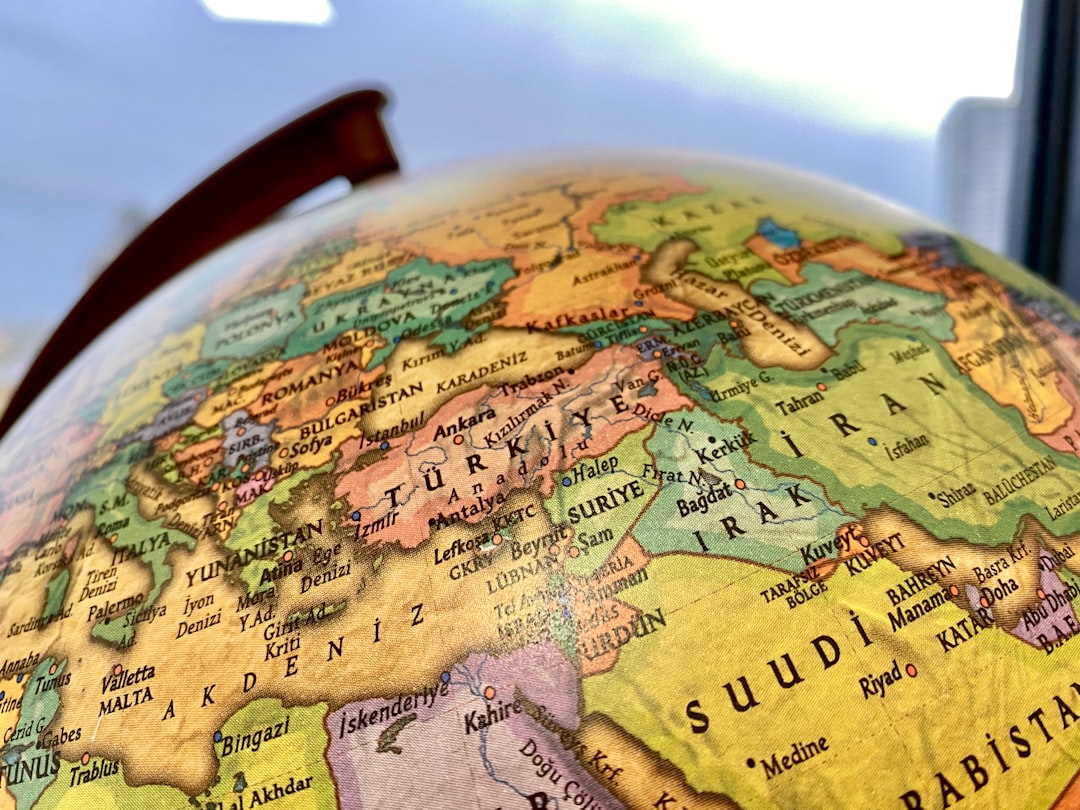
Geopolitical leverage refers to the ability of a nation or entity to influence global affairs through strategic advantages, whether they be economic, military, or cultural. In an increasingly interconnected world, the dynamics of power are constantly shifting, leading to a complex landscape where traditional notions of dominance are being challenged.
As nations navigate this intricate web of relationships, understanding the nuances of geopolitical leverage becomes essential for both policymakers and scholars alike. The significance of geopolitical leverage has grown in recent years, particularly as emerging powers assert themselves on the global stage. The rise of new players has led to a reconfiguration of alliances and rivalries, making it imperative for established powers to adapt their strategies.
This evolving landscape is characterized by a blend of competition and cooperation, where nations must balance their interests while navigating the complexities of international relations. As the world grapples with multifaceted challenges, from economic crises to environmental threats, the ability to wield geopolitical leverage effectively will determine the future trajectory of global affairs.
Key Takeaways
- Geopolitical leverage is increasingly shaped by emerging global power centers and technological advancements.
- Economic interdependence complicates traditional power dynamics, influencing leverage among nations.
- Climate change and regional conflicts are critical factors altering global geopolitical landscapes.
- Military alliances, international organizations, and non-state actors play significant roles in shaping power balances.
- Soft power is becoming a vital tool for countries to navigate and influence complex global relations.
The Rise of New Global Power Centers
In recent decades, the emergence of new global power centers has fundamentally altered the geopolitical landscape. Countries such as China, India, and Brazil have risen to prominence, challenging the long-standing dominance of Western powers. This shift is not merely a matter of economic growth; it represents a broader transformation in the distribution of power and influence across the globe.
These nations are not only expanding their economic clout but are also asserting themselves politically and culturally, reshaping international norms and institutions in the process. China’s ascent is particularly noteworthy, as it has leveraged its economic prowess to expand its influence through initiatives like the Belt and Road Initiative. This ambitious project aims to enhance connectivity and trade across Asia, Europe, and Africa, effectively positioning China as a central player in global commerce.
Meanwhile, India has emerged as a key player in regional security dynamics, fostering partnerships with other nations while asserting its own interests in South Asia. As these new power centers continue to evolve, they challenge traditional paradigms and compel established powers to reconsider their strategies in a rapidly changing world.
The Role of Technology in Shifting Global Power Dynamics
Technology plays a pivotal role in reshaping global power dynamics, acting as both a catalyst for change and a tool for influence. The rapid advancement of digital technologies has transformed communication, commerce, and warfare, creating new avenues for nations to assert their geopolitical leverage. Cyber capabilities have become a critical component of national security, with states investing heavily in cyber defense and offensive capabilities to protect their interests and project power.
Social media platforms have given rise to grassroots movements that can challenge established authorities and influence public opinion on a global scale. This shift has implications for traditional power structures, as governments must now contend with a more informed and engaged citizenry that can mobilize around issues ranging from human rights to environmental justice.
As technology continues to evolve, its impact on geopolitical leverage will only grow more pronounced.
Economic Interdependence and Geopolitical Leverage
Economic interdependence has become a defining feature of contemporary geopolitics, shaping relationships between nations in profound ways. As countries become increasingly intertwined through trade and investment, their fates are often linked, creating both opportunities and vulnerabilities. This interconnectedness can enhance geopolitical leverage by providing nations with tools to influence one another’s policies through economic means.
For instance, countries that are major trading partners may find themselves in positions where they can exert pressure on one another through tariffs or sanctions. Conversely, economic ties can foster cooperation and collaboration, as nations recognize the mutual benefits of maintaining stable relationships. The delicate balance between competition and cooperation underscores the complexity of modern geopolitics, where economic interdependence can serve as both a source of strength and a potential point of contention.
The Impact of Climate Change on Global Power Dynamics
| Metric | Description | Current Trend | Impact on Geopolitical Leverage |
|---|---|---|---|
| Military Spending | Annual defense budget as a percentage of GDP | Increasing in emerging powers, stable or declining in traditional powers | Higher spending enhances military influence and deterrence capabilities |
| Energy Export Dependency | Percentage of national revenue from energy exports | Shifting as renewable energy adoption grows globally | Countries reliant on fossil fuels may lose leverage; renewables shift power dynamics |
| Trade Network Centrality | Position in global trade routes and supply chains | Increasing for Asia-Pacific nations, decreasing for some Western countries | Central trade hubs gain economic and diplomatic influence |
| Technological Innovation Index | Level of advancement in key technologies (AI, 5G, biotech) | Rising in select countries investing heavily in R&D | Technological leaders gain strategic advantages and soft power |
| Diplomatic Alliances | Number and strength of formal international partnerships | Realignment with new blocs forming and old alliances weakening | Stronger alliances increase collective leverage and bargaining power |
| Population Demographics | Youth population percentage and growth rate | Growing in developing countries, aging in developed nations | Demographic trends influence labor markets and military recruitment |
Climate change is emerging as a significant factor influencing global power dynamics, with far-reaching implications for geopolitical leverage. As nations grapple with the consequences of environmental degradation—such as rising sea levels, extreme weather events, and resource scarcity—their ability to respond effectively will shape their standing on the world stage. Countries that prioritize sustainability and invest in green technologies may find themselves at an advantage, while those that fail to adapt could face economic and social upheaval.
Moreover, climate change has the potential to exacerbate existing tensions and create new conflicts over resources. Water scarcity, for example, can lead to disputes between nations sharing river basins or aquifers. As countries vie for access to dwindling resources, geopolitical rivalries may intensify, complicating efforts to address climate-related challenges collaboratively.
In this context, nations that can demonstrate leadership in climate action may enhance their geopolitical leverage while fostering alliances with like-minded countries committed to sustainable development.
Geopolitical Leverage in the Context of Regional Conflicts
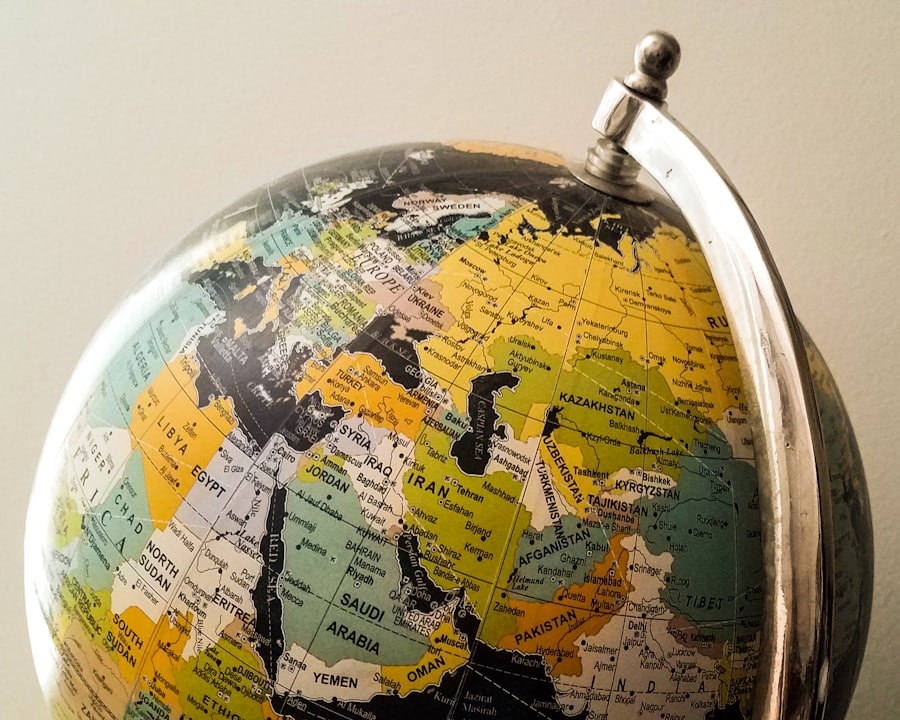
Regional conflicts often serve as a crucible for testing geopolitical leverage, as nations seek to assert their interests amid competing claims and historical grievances. In such contexts, external powers frequently intervene to support one side or another, using their influence to shape outcomes that align with their strategic objectives. This dynamic underscores the importance of understanding local contexts while recognizing the broader geopolitical implications of regional conflicts.
For example, the ongoing tensions in the Middle East illustrate how external actors can wield significant geopolitical leverage through military support or diplomatic engagement. The involvement of major powers like the United States and Russia has not only influenced the course of conflicts but has also reshaped alliances within the region. As nations navigate these complex landscapes, they must consider how their actions will resonate beyond immediate concerns, impacting their standing in the international arena.
The Influence of Military Alliances on Global Power Dynamics
Military alliances play a crucial role in shaping global power dynamics by providing nations with collective security arrangements that enhance their geopolitical leverage. Organizations such as NATO exemplify how countries can pool resources and capabilities to deter aggression and project power collectively. These alliances not only serve as deterrents against potential adversaries but also facilitate cooperation among member states in addressing shared security challenges.
The evolution of military alliances reflects changing geopolitical realities, as new threats emerge and traditional rivalries shift. For instance, the growing assertiveness of China has prompted discussions among regional powers about strengthening defense partnerships in Asia-Pacific. As nations reassess their security needs in light of evolving threats, military alliances will continue to be a key factor influencing global power dynamics.
The Role of International Organizations in Geopolitical Leverage
International organizations serve as platforms for dialogue and cooperation among nations, playing a vital role in shaping geopolitical leverage on a global scale. Institutions such as the United Nations (UN), World Trade Organization (WTO), and International Monetary Fund (IMF) provide frameworks for addressing pressing global issues while facilitating collaboration among member states. These organizations can amplify the voices of smaller nations and provide them with avenues to influence international norms and policies.
However, the effectiveness of international organizations often hinges on the willingness of member states to cooperate and adhere to established rules. In recent years, challenges such as rising nationalism and unilateralism have tested the resilience of these institutions. As countries grapple with complex global challenges—from pandemics to climate change—the ability of international organizations to foster cooperation will be critical in determining how geopolitical leverage is exercised in an increasingly multipolar world.
Geopolitical Leverage and the Rise of Non-State Actors
The rise of non-state actors has introduced new dimensions to geopolitical leverage, challenging traditional notions of state-centric power dynamics. Non-state actors—including multinational corporations, non-governmental organizations (NGOs), and transnational advocacy networks—have gained prominence in shaping global affairs. These entities often possess significant resources and expertise that enable them to influence policy decisions at both national and international levels.
For instance, multinational corporations wield considerable economic power that can impact government policies and regulations across borders. NGOs focused on human rights or environmental issues can mobilize public opinion and advocate for change in ways that challenge state authority. As non-state actors continue to play an increasingly prominent role in global governance, their ability to exert influence will reshape traditional power dynamics and complicate efforts by states to maintain control over geopolitical narratives.
The Role of Soft Power in Shifting Global Power Dynamics
Soft power—the ability to attract and co-opt rather than coerce—has emerged as a critical component of geopolitical leverage in contemporary international relations. Nations that effectively utilize soft power can enhance their global standing by promoting cultural values, ideals, and institutions that resonate with others. This approach contrasts sharply with hard power tactics that rely on military force or economic sanctions.
Countries like Japan and South Korea have successfully leveraged their cultural exports—such as music, film, and cuisine—to enhance their soft power on the global stage. By fostering positive perceptions through cultural diplomacy, these nations have been able to build alliances and strengthen their influence without resorting to coercive measures. As soft power becomes increasingly important in shaping public opinion and international relations, nations must recognize its potential as a tool for enhancing their geopolitical leverage.
Navigating Geopolitical Leverage in a Complex World
In conclusion, navigating geopolitical leverage in today’s complex world requires a nuanced understanding of the multifaceted dynamics at play. As new global power centers emerge and technology reshapes traditional paradigms, nations must adapt their strategies to remain relevant in an ever-evolving landscape. Economic interdependence, climate change impacts, regional conflicts, military alliances, international organizations, non-state actors, and soft power all contribute to the intricate tapestry of global affairs.
As countries grapple with these challenges and opportunities, effective diplomacy will be essential for fostering cooperation while safeguarding national interests. The ability to wield geopolitical leverage effectively will determine not only individual nations’ standing but also the collective response to pressing global issues that transcend borders. In this interconnected world, understanding the complexities of geopolitical leverage is paramount for navigating the future of international relations successfully.
In recent discussions about the shifting dynamics of geopolitical leverage, it’s essential to consider the implications of these changes on global power structures. A related article that delves into this topic can be found at Real Lore and Order, where various aspects of international relations and their evolving nature are explored in depth. This resource provides valuable insights into how nations are adapting to new challenges and opportunities in the geopolitical landscape.
WATCH THIS! 🚨 The Secret Deal That Will Break America
FAQs
What does “geopolitical leverage” mean?
Geopolitical leverage refers to the ability of a country or group of countries to influence global political, economic, or security outcomes based on their strategic position, resources, alliances, or military power.
What factors contribute to shifts in geopolitical leverage?
Shifts in geopolitical leverage can result from changes in economic strength, military capabilities, technological advancements, natural resource control, diplomatic alliances, and global political dynamics.
Why is geopolitical leverage important in international relations?
Geopolitical leverage determines a country’s influence in shaping international policies, securing favorable trade agreements, ensuring national security, and advancing its strategic interests on the global stage.
How do economic changes affect geopolitical leverage?
Economic growth or decline can enhance or diminish a country’s ability to project power, invest in defense, and build alliances, thereby altering its geopolitical leverage.
Can technological advancements impact geopolitical leverage?
Yes, technological innovations, especially in areas like cyber capabilities, artificial intelligence, and energy, can shift the balance of power by providing strategic advantages.
What role do natural resources play in geopolitical leverage?
Control over critical natural resources such as oil, gas, and rare minerals can provide countries with significant leverage by influencing global supply chains and energy security.
How do alliances influence geopolitical leverage?
Strong diplomatic and military alliances can amplify a country’s influence by pooling resources, coordinating strategies, and presenting a united front in international affairs.
Is geopolitical leverage static or dynamic?
Geopolitical leverage is dynamic and can change over time due to evolving global circumstances, including political shifts, economic developments, conflicts, and technological progress.
What are some recent examples of shifting geopolitical leverage?
Recent examples include the rise of China as a global power, changes in energy markets affecting Middle Eastern influence, and the impact of digital technology on global security dynamics.
How can countries respond to shifts in geopolitical leverage?
Countries may adapt by diversifying alliances, investing in new technologies, strengthening their economies, engaging in diplomacy, or enhancing their military capabilities to maintain or improve their leverage.