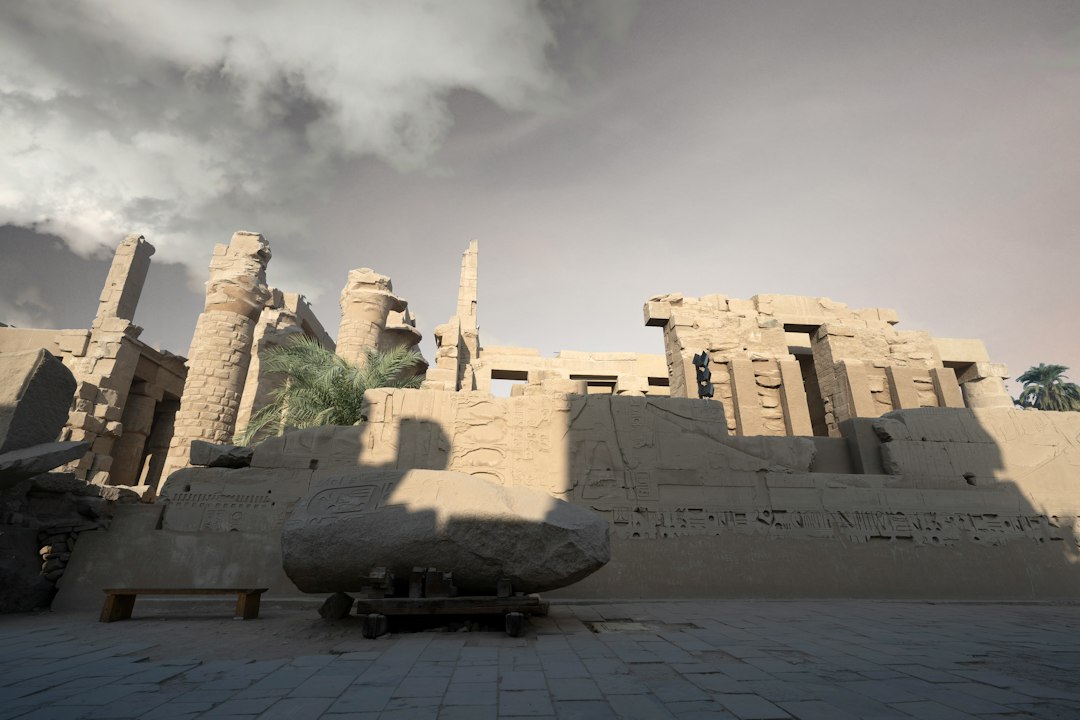
The Hittites, a civilization that flourished in Anatolia (modern-day Turkey) during the Late Bronze Age, represent a fascinating and significant chapter in ancient history. While not as universally recognized as their Egyptian or Mesopotamian contemporaries, the Hittite Empire was a formidable power, a master of diplomacy, and a pioneering force in various technological and societal advancements. Their story, pieced together from archaeological discoveries and cuneiform tablets, reveals a complex society with a rich culture, a sophisticated military, and a lasting impact on the ancient Near East. Understanding the Hittites offers a crucial perspective on the intricate web of interactions and conflicts that defined this pivotal era.
The Rise of a Balkan Powerhouse
The origins of the Hittite people are still debated among scholars, but the prevailing theory suggests they migrated from the Balkan Peninsula into Anatolia sometime in the early second millennium BCE. They brought with them their Indo-European language, a stark contrast to the Semitic and Sumerian tongues prevalent in surrounding regions. This linguistic distinction is a key marker of their unique identity. Upon settling in Anatolia, they encountered and gradually assimilated various indigenous populations, including the Hattians, whose cultural influence is evident in early Hittite religious practices and terminology. The Hittites, however, were not merely inheritors of existing cultures; they were builders and innovators.
Establishing a Foothold in Anatolia
The early Hittites, before the advent of their empire, were likely organized into a collection of city-states and tribal confederations. Archaeological evidence points to settlements like Hattusa, which would eventually become their grand capital, as early centers of Hittite activity. During this formative period, they learned to harness the land’s resources, including iron ore, a material that would later become a cornerstone of their military might. The gradual consolidation of power, likely through a combination of military prowess and strategic alliances, set the stage for the emergence of a unified Hittite state. This period of consolidation was crucial, as it laid the groundwork for the expansive empire that would soon dominate the region.
The Transition to Empire
The true dawn of the Hittite Empire is generally associated with the reign of Hattusili I, who ascended the throne around the mid-17th century BCE. Hattusili I is credited with significantly expanding Hittite territory and establishing Hattusa as a formidable capital, characterized by its impressive fortifications. He campaigned extensively, pushing Hittite influence south towards Syria and Mesopotamia, laying the foundations for future conquests and diplomatic maneuverings. His successor, Mursili I, continued this expansionist policy, famously sacking Babylon in the late 16th century BCE, an event that effectively ended the First Babylonian Dynasty. This audacious military feat demonstrated the growing power of the Hittites and sent shockwaves through the established Mesopotamian powers.
The Hittite Empire, known for its advanced civilization and significant contributions to ancient history, can be better understood through various resources. One such article that explores the complexities of ancient societies and their interactions is available at this link: AIS Role in Autonomous Space Defense. While it primarily focuses on modern technological advancements, it provides insights into how ancient empires, like the Hittites, laid the groundwork for organized defense and governance, which are still relevant in today’s discussions about societal structures and security.
The Hittite State and Society

The Hittite Empire was a complex socio-political entity characterized by a centralized monarchy, a hierarchical social structure, and a distinctive legal and religious system. Their administration, while autocratic in nature, also incorporated elements of advisory councils and a degree of regional autonomy. The success of the empire hinged on its ability to manage its diverse population and maintain order across its vast territories.
The King and the Court
At the apex of Hittite society stood the Great King, often referred to as “Sun” or “My Sun.” The king was both the supreme ruler and, in many respects, the chief priest of the state. His authority was theoretically absolute, but in practice, it was often influenced by the royal family, the nobility, and a council of elders known as the pankus. The pankus played a crucial role in advising the king, particularly in matters of succession and justice. The Hittite court was a center of power and intrigue, where political maneuvering, diplomatic negotiations, and administrative decisions were made. Elaborate ceremonies and rituals underscored the king’s divine mandate and his central role in maintaining cosmic order.
Social Stratification
Hittite society was divided into distinct social classes. At the top were the royalty and nobility, who held significant land and political influence. Below them were the free citizens, who engaged in various occupations such as farming, craftsmanship, and soldiery. A significant portion of the population, however, consisted of a class of serfs or unfree laborers, who were tied to the land and owed obligations to their masters. Slaves, often captured in war, formed the lowest rung of society. While their status was precarious, Hittite law did offer some protections to slaves, and it was possible for them to gain freedom through manumission. The intricate web of obligations and dependencies defined the social fabric of the Hittite realm.
The Hittite Legal System
The Hittites developed a sophisticated legal code, preserved in cuneiform tablets, which offers invaluable insights into their society. Unlike the retributive justice prevalent in some other ancient Near Eastern legal systems, Hittite law often favored restitution and compensation. While severe penalties existed for certain crimes, many offenses were addressed through fines and payments to the injured party or the state. The Hittite laws also reveal a concern for the welfare of different social strata, with provisions for the protection of the vulnerable and the regulation of economic transactions. The emphasis on fairness and order within their legal framework contributed to the stability of the empire.
Military Prowess and Technological Innovation

The Hittites were renowned for their military strength, a testament to their strategic acumen and their adoption of innovative military technologies. Their success on the battlefield was a key factor in their ability to establish and maintain a vast empire.
The Iron Age Advantage
Perhaps the most significant technological advancement associated with the Hittites was their early mastery of iron metallurgy. While iron was known to other cultures, the Hittites were among the first to develop large-scale production and utilize iron weapons and tools extensively. This gave them a distinct advantage over their enemies who relied primarily on bronze. Iron weapons were not only more durable but also cheaper to produce, allowing the Hittites to equip larger armies. The “secret” of ironworking was a closely guarded state monopoly, contributing to their military superiority for a considerable period.
Chariots and Warfare
The Hittite army was a formidable force, characterized by its disciplined infantry and its renowned chariot corps. The Hittite chariot was a heavy, two-man vehicle, often pulled by two horses, designed for shock tactics and breaking enemy formations. Their effectiveness was amplified by their skilled charioteers and their tactical deployment in battle. The Hittites also developed advanced siege warfare techniques, allowing them to capture fortified cities. Their military strategies were well-documented, providing a window into the complex logistics and tactical considerations of Bronze Age warfare.
Diplomatic Relations and Treaties
Beyond military might, the Hittites were also adept diplomats, engaging in a complex network of alliances, rivalries, and peace treaties with other major powers of the Near East, including Egypt, Assyria, and Mitanni. The most famous example is the Treaty of Kadesh, signed with the Egyptian pharaoh Ramesses II after the indecisive Battle of Kadesh. This treaty, inscribed on clay tablets, is one of the earliest known international peace treaties and demonstrates a sophisticated understanding of diplomatic protocol and the establishment of mutually recognized borders. These diplomatic engagements shaped the political landscape of the ancient world for centuries.
Religion and Mythology
The religious beliefs of the Hittites were a fascinating amalgam of indigenous Anatolian traditions and influences from Mesopotamia and the Near East. They worshipped a vast pantheon of gods and goddesses, reflecting the diverse cultures within their empire. Religion played a central role in Hittite life, influencing everything from political decisions to daily rituals.
A Pantheon of Deities
The Hittite pantheon was extensive and varied. Prominent deities included the Storm God of Hatti (often identified with the Hattian Tarḫunna), the Sun Goddess of Arinna, and a host of other gods and goddesses associated with natural phenomena, cities, and specific aspects of life. The Hittites adopted and adapted deities from conquered peoples, integrating them into their own religious framework. Religious festivals and sacrifices were crucial for appeasing the gods and ensuring the prosperity and well-being of the empire. Priests and priestesses played vital roles in conducting these rituals and maintaining the connection between the divine and the human realms.
Temples and Rituals
Religious practice was deeply ingrained in Hittite society. Numerous temples and sanctuaries were dedicated to various deities throughout the empire, often elaborately decorated and endowed with lands and resources. Rituals varied from grand public festivals to private prayers and offerings. The Hittites believed that the gods controlled natural forces and human destiny, and they sought to maintain a harmonious relationship with them through diligent worship and adherence to religious law. The king, as the chief priest, was responsible for ensuring the proper observance of religious duties.
Influence and Syncretism
The Hittite religious landscape was not static; it evolved through continuous interaction with neighboring cultures. Mesopotamian deities like Ea and Ishtar found their way into the Hittite pantheon, often with local Anatolian adaptations. Similarly, the Hattian goddess Wurusemu was incorporated into Hittite worship. This process of syncretism, the blending of different religious beliefs and practices, is a hallmark of Hittite religion and reflects their ability to absorb and integrate diverse cultural influences. The vast corpus of religious texts, including myths, hymns, and incantations, provides a rich source for understanding their spiritual world.
The Hittite Empire, known for its significant role in ancient history, was a powerful civilization that thrived in Anatolia during the second millennium BCE. Their advanced society made remarkable contributions to law, diplomacy, and military strategy. If you’re interested in exploring how corruption influenced ancient civilizations, you might find this article on elite corruption particularly enlightening, as it discusses the impact of corruption on various empires, including the Hittites. Understanding these dynamics can provide deeper insights into the rise and fall of such influential cultures.
The Decline and Legacy of the Hittites
| Aspect | Description |
|---|---|
| Time Period | c. 1600 BCE – c. 1178 BCE |
| Location | Anatolia (modern-day Turkey) |
| Capital City | Hattusa |
| Language | Hittite (an Indo-European language) |
| Government Type | Monarchy with a king |
| Famous For | Early use of iron, legal codes, and treaties (e.g., Treaty of Kadesh) |
| Military | Strong chariot-based army |
| Religion | Polytheistic, worshipped many gods |
| Decline | Collapsed around 1178 BCE due to invasions and internal strife |
Like all great empires, the Hittite Empire eventually faced decline and collapse. The reasons for its downfall are multifaceted, involving internal strife, external pressures, and environmental factors. Despite their eventual demise, the Hittites left behind a significant legacy that continued to influence the ancient Near East long after their empire vanished.
Internal Weaknesses and External Threats
The late Hittite period saw a rise in internal instability, possibly due to succession disputes and a weakening of royal authority. Concurrently, the empire faced increasing pressure from various external forces. The “Sea Peoples,” a confederation of seafaring raiders, swept through the Eastern Mediterranean in the late 13th and early 12th centuries BCE, disrupting trade routes and contributing to the collapse of many Bronze Age civilizations, including the Hittites. Furthermore, the resurgent Assyrian Empire in Mesopotamia also posed a growing threat to Hittite territories in Syria.
The Fall of Hattusa and the Neo-Hittite Kingdoms
Around 1178 BCE, the Hittite capital of Hattusa was sacked and abandoned, marking the effective end of the Hittite Empire as a unified political entity. The reasons for this final blow remain a subject of debate, but it likely involved a combination of the Sea Peoples’ invasions and internal collapse. However, the Hittite civilization did not disappear entirely. Following the collapse of the empire, various successor states, known as the Neo-Hittite kingdoms, emerged in southern Anatolia and northern Syria. These smaller kingdoms preserved elements of Hittite culture, language, and art for several centuries, albeit under new political and cultural influences.
Enduring Impact and Rediscovery
The Hittites’ legacy is evident in several areas. Their legal codes provided a foundation for later legal traditions. Their mastery of ironworking revolutionized warfare and technology. Their complex diplomatic relationships set precedents for international relations. For centuries, however, their civilization was largely forgotten, known only through brief mentions in biblical texts. It was only through systematic archaeological excavations, beginning in the late 19th and early 20th centuries, that the true scale and significance of the Hittite Empire were rediscovered. The decipherment of their cuneiform script and the unearthing of their magnificent cities and countless artifacts have brought this once-lost civilization back into the light, revealing a powerful and sophisticated people who played a vital role in shaping the ancient world.

Your 401(k) Withdrawal Can Make More of Your Social Security Taxable
FAQs
What was the Hittite Empire?
The Hittite Empire was an ancient civilization that existed in Anatolia (modern-day Turkey) during the Bronze Age. It was one of the great powers of the ancient world, known for its military strength and advanced culture.
When did the Hittite Empire exist?
The Hittite Empire existed from around 1600 BC to 1178 BC, making it one of the oldest civilizations in the world. It was a contemporary of other ancient civilizations such as Egypt and Mesopotamia.
What were some key achievements of the Hittite Empire?
The Hittite Empire is known for its advancements in metallurgy, chariot technology, and diplomacy. They were also skilled in the art of warfare and were able to establish a vast empire that stretched across Anatolia and parts of the Levant.
How did the Hittite Empire fall?
The Hittite Empire fell around 1178 BC during the Bronze Age collapse, a period of widespread societal collapse and chaos in the ancient world. The exact reasons for the fall of the Hittite Empire are still debated among historians, but factors such as invasions, internal unrest, and natural disasters likely played a role.
What is the legacy of the Hittite Empire?
The Hittite Empire left a lasting impact on the ancient world through its influence on later civilizations, such as the Assyrians and the Greeks. Their contributions to technology, culture, and diplomacy helped shape the course of history in the Near East.