The Bronze Age Collapse, a period of widespread societal breakdown across the Eastern Mediterranean and Near East around the late 13th and early 12th centuries BCE, stands as one of history’s most perplexing and impactful events. Among the great powers that crumbled during this cataclysmic era, the Hittite Empire, once a formidable force that rivaled Egypt and Assyria, experienced a particularly dramatic and complete disintegration. The reasons for its fall are multifaceted, a complex interplay of internal vulnerabilities and external pressures that ultimately proved too much for the Anatolian superpower to withstand. Understanding these causes is crucial not only for comprehending the demise of the Hittites but also for grasping the broader geopolitical and cultural shifts that reshaped the ancient world, paving the way for new civilizations and empires to rise from the ashes.
Internal Strains on the Hittite Realm
The Hittite Empire, despite its outward appearance of strength and military prowess, harbored a number of internal weaknesses that, over time, eroded its foundations. These vulnerabilities, exacerbated by external challenges, contributed significantly to its eventual downfall.
Dynastic Instability and Succession Issues
A recurring theme throughout Hittite history was the inherent instability surrounding dynastic succession. Unlike some empires that developed robust systems for royal inheritance, the Hittites often faced periods of disputed claims and civil unrest upon the death of a king. The principle of heredity was present, but the exact rules and the influence of various court factions could lead to intense power struggles. This often manifested as internal conflicts, weakening the central authority and diverting valuable resources and attention away from pressing external threats. The Great King was not always universally accepted, and ambitious princes or powerful nobles could exploit these transitions to assert their own influence or even launch rebellions. Such fragmentation at the top made the empire less cohesive and more susceptible to challenges from both within and without. While specific instances are not always clearly documented for every succession crisis, the overall pattern suggests a persistent undercurrent of political fragility. The Hittite bureaucracy, while developed, could be swayed by competing royal candidates, and the military’s loyalty could be divided. This meant that the transition of power was not always a smooth, peaceful affair, and this endemic instability represented a significant drain on the empire’s resources and a recurring impediment to its long-term stability.
Economic Dependencies and Resource Management
The Hittite economy was heavily reliant on agriculture, particularly grain production, and on access to vital resources like metals, especially iron and copper, which were essential for their renowned military. While Anatolia possessed significant mineral wealth, its exploitation and distribution across such a vast empire presented logistical challenges. The empire’s prosperity was also tied to its ability to maintain trade routes, both overland and maritime, for luxury goods and essential raw materials not readily available within its borders. Disruptions to these trade networks, whether due to political instability in neighboring regions or increased piracy, could have a profound economic impact. Furthermore, the immense cost of maintaining a large standing army, coupled with the demands of royal construction projects and the administration of a vast territory, placed a constant strain on state coffers. Inadequate agricultural yields due to climate fluctuations or internal unrest could lead to famine and further economic hardship. The Hittites also faced the challenge of managing their resources effectively, ensuring equitable distribution, and preventing the hoarding of wealth by powerful elites, which could lead to social unrest. The reliance on a finite set of resources, coupled with the potential for their mismanagement, rendered the empire vulnerable to economic shocks.
Administrative Overextension and Regional Autonomy
The Hittite Empire, at its zenith, controlled a vast and diverse territory encompassing much of Anatolia and extending into parts of Syria. Governing such an expansive realm presented significant administrative challenges. While the Hittites developed a sophisticated bureaucratic system, the sheer size of the empire meant that central authority could be diluted in distant provinces. Local governors and regional elites, while nominally subservient to the Great King, often wielded considerable power and influence. In periods of weakened central control, these regional powers could become increasingly autonomous, potentially withholding tribute, raising their own forces, or even defying royal decrees. The vast distances involved in communication and troop deployment also made it difficult for the Hittite rulers to respond swiftly to localized rebellions or incursions. The empire’s strength lay in its ability to integrate diverse populations and territories, but this integration was a continuous process that required constant effort and vigilance. When that vigilance faltered, or when the central government’s authority was challenged, the empire’s vastness became a liability rather than an asset, making it difficult to maintain a unified front against external threats.
The fall of the Hittite Empire has long intrigued historians, as it was a significant power in the ancient Near East that ultimately succumbed to a combination of internal strife and external pressures. For a deeper understanding of how geopolitical dynamics can influence the rise and fall of empires, you may find the article “Navigating Contested Territories: A Complex Geopolitical Landscape” insightful. This piece explores the complexities of territorial disputes and power struggles, drawing parallels to historical events such as the decline of the Hittite Empire. You can read it here: Navigating Contested Territories: A Complex Geopolitical Landscape.
The Scars of External Pressures
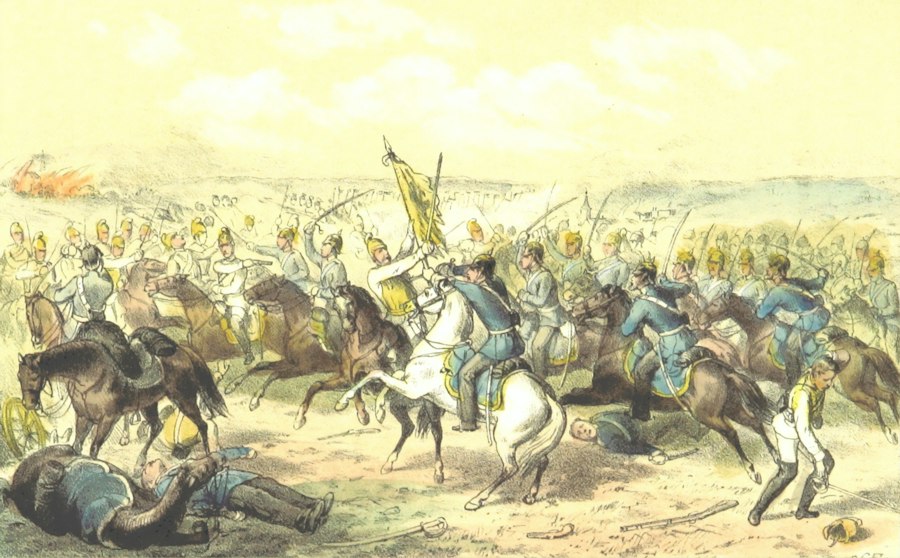
Beyond its internal frailties, the Hittite Empire faced a relentless barrage of external pressures that relentlessly chipped away at its power and resilience, ultimately contributing to its catastrophic decline.
The Unsettled Syrian Frontier and Rival Powers
The southern frontier of the Hittite Empire, particularly in Syria, was a perennial hotbed of conflict. For centuries, the Hittites were locked in a protracted struggle for dominance in this strategically vital region with other major powers, most notably Egypt and later the resurgent Assyrian Empire. The Battle of Kadesh, fought against the Egyptians in the 13th century BCE, though resulting in a treaty that acknowledged Hittite influence, underscored the fierce competition and the immense military resources expended in this ongoing contest. The Egyptians, under dynasties like the Ramesside, were a formidable rival, capable of projecting significant military power into the Levant. Later, as the Hittites weakened, the burgeoning power of Assyria from the north began to exert its own pressure, creating a pincer movement that would eventually prove fatal. This constant state of conflict drained the Hittite treasury, depleted their manpower, and diverted their attention from other pressing issues. The need to maintain a strong military presence on multiple fronts, particularly the contested Syrian territories, became an unsustainable burden.
The fall of the Hittite Empire remains a topic of intrigue for historians, as various factors contributed to its decline, including invasions, internal strife, and economic troubles. To gain further insights into the complexities of empires and their vulnerabilities, you might find it interesting to explore a related article that discusses the safety of financial assets in times of uncertainty. This article delves into how external pressures can impact stability, much like the challenges faced by ancient civilizations. For more information, you can read the article here.
The Enigmatic “Sea Peoples” and Coastal Incursions
One of the most dramatic and widely cited factors in the Bronze Age Collapse, including the fall of the Hittites, is the emergence of the mysterious “Sea Peoples.” These groups, whose exact origins remain debated among scholars, launched a series of devastating raids and invasions across the Eastern Mediterranean around the turn of the 12th century BCE. Hittite records, though fragmented, do allude to disruptions and attacks from maritime forces. The coastal cities and trade routes of the Hittite Empire would have been particularly vulnerable to these seafaring raiders. The Sea Peoples are credited with sacking numerous cities, disrupting established trade networks, and contributing to widespread societal breakdown. Their impact was not merely destructive; they also appear to have been agents of significant population displacement and political upheaval. The Hittite navy, if it existed on a scale comparable to their land forces, was apparently insufficient to deter these incursions, and the empire’s overland communication and supply lines would have been severely impacted by the instability they created. The sheer ferocity and widespread nature of these attacks likely overwhelmed the Hittites’ capacity to defend their extensive coastline and interior territories.
Climate Change and Agricultural Disruption
Growing evidence suggests that significant climatic shifts, including prolonged periods of drought, played a crucial role in destabilizing the Bronze Age world. For an empire as reliant on agricultural productivity as the Hittites, the impact of such environmental changes would have been devastating. Reduced rainfall would have led to crop failures, diminished yields, and potentially widespread famine. This would have directly impacted the food supply for the population and the army, exacerbating existing economic strains and fueling social unrest. Furthermore, scarcity of food resources could have intensified competition for arable land and water, leading to internal conflicts and making the population more susceptible to external threats. The Hittites, like other agrarian societies of the time, were acutely vulnerable to fluctuations in the climate. A prolonged drought could cripple their ability to sustain their population, their economy, and their military, creating a fertile ground for collapse. This environmental stress acted as a significant amplifier of existing political and military vulnerabilities.
The Final Collapse and Immediate Aftermath
The convergence of these internal weaknesses and external pressures created a perfect storm that ultimately led to the rapid and violent demise of the Hittite Empire. The final decades of the empire were marked by increasing chaos and disintegration.
The Sack of Hattusa and the End of an Era
The destruction of Hattusa, the Hittite capital, remains one of the most potent symbols of their collapse. Archaeological evidence indicates that the city was violently sacked and burned, marking the definitive end of the Hittite Empire as a centralized political entity. The precise perpetrators of this destruction are still debated, with possibilities ranging from internal revolts, incursions by the Sea Peoples, or a combination of factors. Regardless of the exact agents, the fall of the capital signified the irreparable shattering of Hittite power and authority. This event marked the end of over four centuries of Hittite dominance in Anatolia. The once-mighty empire, which had dictated terms to pharaohs and engaged in sophisticated diplomacy with other great powers, was reduced to scattered remnants. The fall of Hattusa was not just a military defeat; it was the symbolic and practical dismantling of the imperial structure.
The Fragmentation of Anatolia and the Rise of Neo-Hittite States
Following the collapse of the centralized Hittite Empire, Anatolia did not descend into complete anarchy. Instead, the empire fragmented into a mosaic of smaller, independent political entities that are often referred to as the Neo-Hittite states. These successor kingdoms, primarily concentrated in southeastern Anatolia and northern Syria, continued to preserve and adapt aspects of Hittite culture, language, and political traditions. They often maintained Hittite administrative practices and artistic styles, demonstrating a clear lineage from the fallen empire. These smaller kingdoms, though significantly less powerful than their imperial predecessor, managed to endure for several centuries, engaging in their own complex diplomatic and military interactions with neighboring powers such as Assyria and Urartu. They represent a fascinating post-imperial phase, where the legacy of a great civilization continued to exert influence even in its diminished form. These states served as crucial intermediaries, preserving and transmitting Hittite cultural elements into later periods.
The Cultural Echoes and Enduring Legacy
Despite its violent end, the Hittite Empire left behind a significant and enduring legacy that shaped the subsequent history of the Near East. Their achievements in law, administration, and warfare were not entirely lost. The Hittite legal code, for instance, offers valuable insights into ancient justice systems. Their sophisticated diplomatic practices, including the extensive use of treaties, influenced later international relations. The Hittites were also pioneers in iron metallurgy, a technological advancement that would become increasingly important in the subsequent Iron Age. Their linguistic legacy, preserved in cuneiform tablets written in Hittite and related Luwian languages, provides a crucial window into Indo-European language development. The successor Neo-Hittite states ensured the continued transmission of many of these cultural and administrative practices. Furthermore, the Hittite interactions with other major powers, such as Egypt and Mesopotamia, contributed to the rich cultural exchange that characterized the Late Bronze Age. Their story, a cautionary tale of imperial decline, continues to fascinate historians and archaeologists, offering profound lessons about the fragility of power and the complex interplay of factors that can lead to the rise and fall of civilizations. The very act of their rediscovery in the modern era, through archaeological excavation and decipherment of their script, has itself been a significant historical undertaking, bringing to light a lost chapter of human civilization.
Historical Impact and Lessons Learned
The fall of the Hittite Empire was not an isolated event but a pivotal moment that had profound and lasting consequences for the entire ancient world, offering enduring lessons for understanding the dynamics of empires and societal collapse.
The Reshaping of the Geopolitical Landscape
The disappearance of the Hittite Empire from the stage of great powers created a significant vacuum. This void allowed for the rise of new powers and the redefinition of existing spheres of influence. Assyria, which had been a growing power in northern Mesopotamia, was able to expand its dominion significantly into Anatolia and Syria in the absence of a strong Hittite rival. The Philistines, likely associated with the Sea Peoples, established themselves in the southern Levant, leading to new regional dynamics. The political fragmentation of Anatolia into smaller Neo-Hittite states created a more complex and localized political environment. This period of widespread collapse and realignment fundamentally altered the balance of power across the Eastern Mediterranean and Near East, setting the stage for the emergence of the great empires of the Iron Age, such as the Neo-Assyrian, Neo-Babylonian, and later the Persian empires. The once-unified imperial structures were replaced by a more diverse and often competing array of smaller kingdoms and emerging superpowers.
The Dawn of the Iron Age and Technological Shifts
The collapse of the Bronze Age civilizations, including the Hittites, is often seen as a catalyst for the transition to the Iron Age. While iron had been known and used to a limited extent during the Bronze Age, its widespread adoption as a primary metal for tools and weapons accelerated in the post-collapse period. The Hittites themselves were among the early adopters and skilled workers of iron. However, the disruption of established trade networks for bronze, which relied on the import of tin, may have further encouraged the use of the more readily available iron ore. This technological shift had profound implications, making tools and weapons more accessible and affordable for a wider population, contributing to changes in warfare, agriculture, and social structures. The decline of established bronze-producing centers and the rise of new ironworking traditions marked a significant technological and economic transformation of the ancient world, a transition that the fall of the Hittites played a role in facilitating.
Enduring Questions and Archaeological Exploration
The collapse of the Hittite Empire remains a subject of intense scholarly debate and ongoing archaeological investigation. The fragmented nature of the historical record, combined with the violent destruction that befell many Hittite sites, has left many questions unanswered. Scholars continue to grapple with the precise sequence of events, the specific roles of various actors, and the exact contribution of each causal factor. Archaeological excavations at sites like Hattusa, Yazılıkaya, and others continue to yield new evidence, shedding light on Hittite society, religion, and their interactions with neighbors. The ongoing exploration of Neo-Hittite sites further enriches our understanding of the empire’s posthumous influence. The enduring mystery surrounding the exact causes and mechanisms of the Hittite fall ensures that their story will continue to be a fertile ground for historical inquiry and a powerful reminder of the complexities of civilization and its eventual decline. The decipherment of their script and the piecing together of their history from disparate sources stand as a testament to human curiosity and the persistent drive to understand our past.

Your 401(k) Withdrawal Can Make More of Your Social Security Taxable
FAQs
1. What were the main reasons for the fall of the Hittite Empire?
The fall of the Hittite Empire was primarily caused by a combination of internal unrest, invasions by the Sea Peoples, and attacks from other neighboring powers such as the Assyrians.
2. How did the Sea Peoples contribute to the decline of the Hittite Empire?
The Sea Peoples, a group of seafaring raiders, launched attacks on the Hittite Empire’s coastal regions, weakening its defenses and disrupting trade routes, which ultimately contributed to the empire’s downfall.
3. Did climate change play a role in the collapse of the Hittite Empire?
Some historians believe that climate change, specifically a prolonged drought, may have put pressure on the Hittite Empire by causing crop failures, famine, and internal unrest, which weakened the empire and made it more vulnerable to external threats.
4. How did the internal political struggles within the Hittite Empire impact its fall?
Internal political struggles, including power struggles among the ruling elite and regional factions, weakened the central authority of the Hittite Empire, making it less able to effectively respond to external threats and contributing to its eventual collapse.
5. What role did the invasion of the Assyrians play in the downfall of the Hittite Empire?
The invasion of the Assyrians, a powerful neighboring empire, further weakened the Hittite Empire by putting pressure on its borders and resources, eventually leading to the conquest and dissolution of the Hittite state.