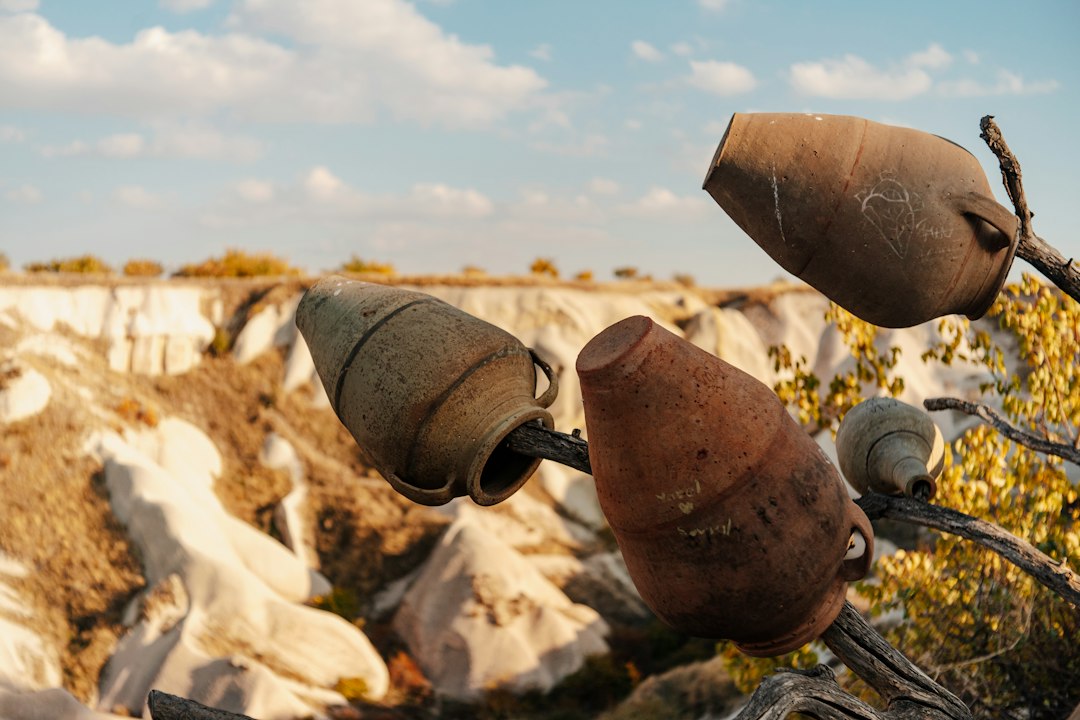
The flickering screen cast a warm, almost primal glow across the dimly lit room as the opening credits rolled. “Unveiling the Bronze Age: A History Documentary Exploration” promised a journey back millennia, to a time when humanity first truly mastered metallurgy, igniting a revolution that reshaped civilizations. This documentary, meticulously researched and visually stunning, delves deep into the heart of this transformative epoch, moving beyond dusty textbooks to bring the world of bronze-smiths, chieftains, and burgeoning empires vividly to life. It is an exploration that seeks not merely to recount events, but to understand the forces that drove them, the innovations that defined them, and the lasting legacy they have left upon our modern world.
Echoes from the Dawn of Metalworking
The documentary commences with a stark yet beautiful depiction of the raw materials that fueled the Bronze Age: copper ore, dug from the earth with rudimentary tools, and tin, a rarer, more elusive metal. The sheer ingenuity required to discover that combining these two elements yielded a material far superior to either individually is emphasized. This section masterfully illustrates the painstaking process of smelting and alloying, showing the molten metal poured into molds, shaping weapons, tools, and ornaments that were once the stuff of dreams. The visual representations are not merely academic; they evoke a sense of wonder at the sheer grit and intellectual curiosity that must have driven these early metallurgists. The narrative weaves in archaeological evidence, from the earliest copper mines in Anatolia to the sophisticated workshops unearthed across the Near East and Europe, painting a comprehensive picture of the nascent stages of this groundbreaking technology. The film doesn’t shy away from the labor-intensive nature of this work, highlighting the sweat and toil of the miners and smiths whose efforts laid the foundation for a new era.
The Alchemy of Discovery
Here, the documentary focuses on the serendipitous, or perhaps deliberate, discovery of bronze. It explores the theories behind how early humans stumbled upon the remarkable properties of copper-tin alloys. Was it accidental contamination in furnaces? Or was it a more systematic process of experimentation? The film presents compelling arguments, drawing on experimental archaeology that attempts to replicate ancient techniques. Viewers witness reconstructions of ancient furnaces, the careful selection of ore, and the precise firing temperatures needed to achieve the desired metallic blend. The sheer leap in understanding required to move from naturally occurring metals to controlled alloying is presented as a pivotal moment in human history, akin to the discovery of fire or the invention of the wheel. The documentary makes it clear that this was not a localized event but a technological diffusion that spread across vast distances, suggesting a level of communication and trade previously underestimated.
The Impact on Daily Life and Warfare
The transformation brought about by bronze extended far beyond the forge. This subsection delves into how the availability of stronger, more durable tools revolutionized agriculture, enabling more efficient clearing of land and improved farming techniques. The documentary showcases recreated scenes of ancient farmers using bronze axes and sickles, illustrating the tangible benefits of this new material. Simultaneously, the impact on warfare is explored with equal gravitas. The advent of bronze weaponry – swords, spearheads, and shields – irrevocably altered the dynamics of conflict. The film presents reconstructed battles, emphasizing the tactical advantages afforded by these superior implements. It poses questions about the social stratification that might have arisen, with access to bronze weapons potentially creating a warrior elite. The visual evidence, from burial sites containing elaborate bronze armor to depictions on ancient pottery, underscores the significance of metal in both peace and war.
The Bronze Age, a pivotal period in human history, marked significant advancements in metallurgy, trade, and societal organization. For those interested in exploring the complexities of historical transitions and their implications, a related article titled “Belgium’s Potential Partition: What Lies Ahead” delves into contemporary issues of division and governance, drawing intriguing parallels to the societal changes experienced during the Bronze Age. You can read more about it here: Belgium’s Potential Partition: What Lies Ahead.
Shaping Societies: Empires and Trade Networks
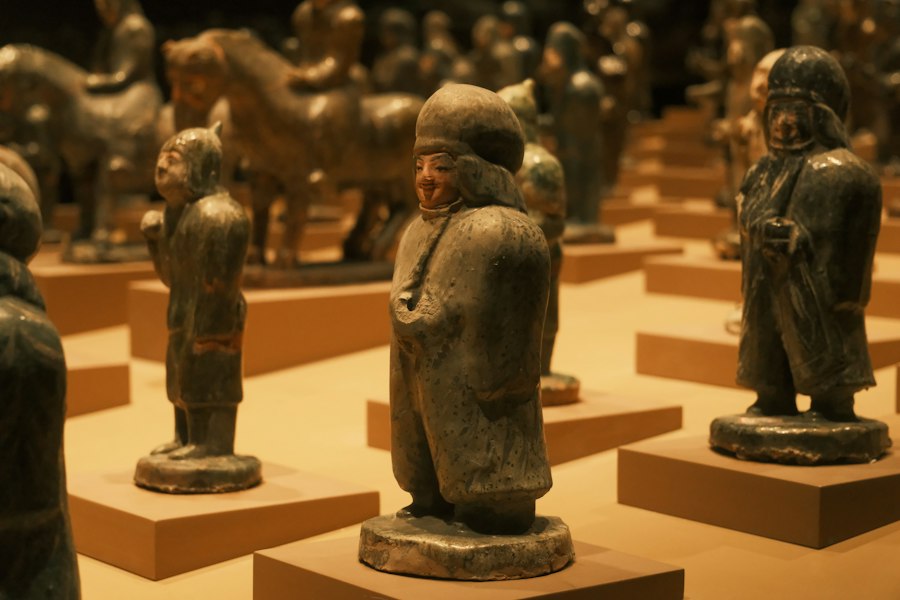
As the Bronze Age matured, so too did the complexity of its societies. The documentary moves from the technological advancements to the profound social and political ramifications, demonstrating how bronze became a catalyst for the rise of powerful states and intricate trade networks. This section paints a picture of a world interconnected by the quest for copper and tin, a world where distant lands exchanged not only raw materials but also ideas and cultural practices. The grand narratives of ancient empires are explored, highlighting how their wealth and power were often directly linked to their control over bronze production and distribution. The visual splendor of archaeological finds – elaborate jewelry, monumental architecture, and richly adorned tombs – serves as testament to the affluence and organizational capacity of these Bronze Age societies.
The Rise of the First Urban Centers
This subsection focuses on the emergence and growth of cities during the Bronze Age. The documentary draws a direct line between the agricultural surplus enabled by bronze tools and the ability to support larger, non-agrarian populations. We see animated reconstructions of bustling Bronze Age cities, with their fortified walls, intricate street plans, and specialized districts for craft production, trade, and governance. The film examines the social hierarchy within these urban centers, from the ruling elites and priests to the artisans, merchants, and laborers. The excavation of sites like Ur, Mari, and Mycenae provides tangible evidence of the scale and sophistication of these early metropolises, revealing sophisticated plumbing systems, monumental temples, and administrative buildings that speak to complex societal organization. The narrative emphasizes that these were not merely collections of houses but vibrant centers of culture, innovation, and political power.
The Silk Road of Antiquity: Bronze Age Trade
The documentary then pivots to the fascinating world of Bronze Age trade. It highlights the extensive networks that spanned continents, connecting regions as far apart as Britain and the Indus Valley. The film traces the movement of copper and tin, often across perilous land and sea routes, illustrating the immense logistical challenges faced by ancient traders. The discovery of shipwrecks laden with ingots and finished bronze artifacts provides compelling evidence of this globalized economy. The narrative explores the goods exchanged, which went beyond raw materials and weapons to include luxury items, foodstuffs, and even slaves. The cultural exchange that accompanied this trade is also a key focus, showing how ideas, artistic styles, and religious beliefs traveled alongside the commodities, leading to fascinating hybrid cultures. The documentary uses maps and animated graphics to illustrate these routes, making the vastness and complexity of this ancient commerce readily understandable.
The Bronze Age Pantheon: Beliefs and Rituals
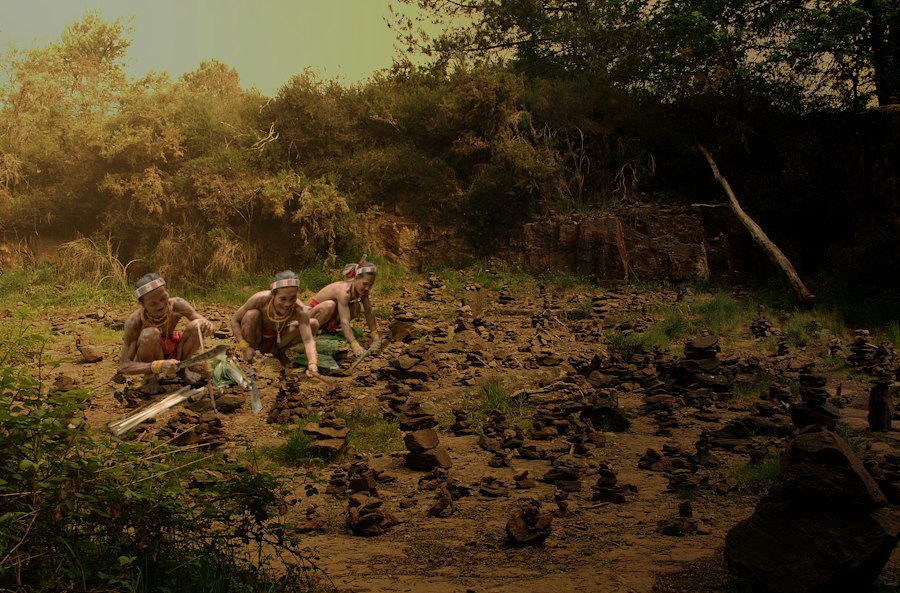
Beyond the tangible advancements in metalworking and societal structures, the documentary dedicates a significant portion to the spiritual and ideological landscape of the Bronze Age. This section explores the ways in which bronze influenced religious practices, mythologies, and the very concept of the divine. The film suggests that the ability to forge enduring objects from seemingly inert materials may have imbued bronze itself with a certain sacredness, linking it to concepts of permanence, power, and the afterlife. Viewers are taken on a journey through the temples, burial mounds, and ritual sites of the era, examining the artifacts and iconography that reveal the spiritual preoccupations of Bronze Age peoples.
The Bronze Age marked a significant turning point in human civilization, characterized by advancements in metallurgy, trade, and social organization. For those interested in exploring how ancient societies laid the groundwork for modern economic relationships, a fascinating article discusses contemporary partnerships, such as China’s investment in Mexican factories. This connection between past and present highlights the enduring impact of trade and collaboration throughout history.
Gods of the Forge and the Cosmos
This subsection delves into the specific deities and belief systems that emerged during the Bronze Age. The documentary examines the worship of gods associated with the sky, the sun, fertility, and crucially, the craft of metallurgy itself. Images of smith gods, often depicted with hammers and anvils, are highlighted as central figures in many pantheons. The film explores the myths and legends that explained the origins of the world and humanity’s place within it, noting the prevalence of creation stories that often involve divine craftsmanship. The use of bronze in votive offerings, sacrifices, and temple adornments underscores the deep integration of metal into religious life. The documentary draws on comparative mythology, showing striking similarities in Bronze Age belief systems across different geographical regions, hinting at a shared cultural substratum.
The Bronze Age Afterlife: Tombs and Treasures
The documentary then turns its attention to the Bronze Age understanding of death and the afterlife. This is most vividly represented through the elaborate tombs and burial practices uncovered by archaeologists. From the grand barrows of Northern Europe to the richly furnished tombs of the Near East, the film showcases the efforts made to equip the deceased for their journey into the next world. The inclusion of bronze weapons, tools, jewelry, and even chariots in burials speaks volumes about the Bronze Age conception of an afterlife that mirrored, to some extent, the material world. The documentary examines the symbolism of these grave goods, exploring what they reveal about social status, personal achievements, and hopes for an eternal existence. The preservation of some of these artifacts, thanks to the inherent durability of bronze, allows for an intimate glimpse into the lives and beliefs of individuals who lived millennia ago.
The Inevitable Transition: The Dawn of Iron
While the Bronze Age represents a pinnacle of ancient achievement, no era is truly static. This section of the documentary addresses the gradual, yet profound, shift from bronze to iron. It explores the reasons behind this transition, including the increasing scarcity and cost of tin, a crucial component of bronze. The film argues that the discovery and exploitation of iron, while initially yielding inferior weapons and tools, ultimately democratized metalworking, making these essential materials more accessible to a wider population. The narrative acknowledges that this was not an overnight revolution but a slow, incremental process that took centuries to fully unfold, with bronze continuing to be used in many regions even after iron production became widespread.
The Iron Revolution: A New Era Dawns
Here, the documentary focuses on the technological and social implications of the widespread adoption of iron. The film depicts the challenges and triumphs of early iron smelting, which required higher temperatures and different techniques than bronze production. The early iron artifacts are shown to be more brittle and less refined than their bronze predecessors. However, the documentary emphasizes the crucial advantage of iron’s ubiquity. Unlike copper and tin, which were often concentrated in specific geographical locations, iron ore was far more widely distributed, allowing for localized production and reducing reliance on long-distance trade. This accessibility, the film argues, was a key factor in the eventual displacement of bronze. The narrative explores how iron weapons and tools, though initially crude, allowed for the arming of larger armies and the cultivation of more land, further fueling population growth and societal change.
Legacy and Lingering Bronze
Despite the eventual dominance of iron, the legacy of the Bronze Age did not simply vanish. This concluding subsection of the exploration delves into the enduring impact of bronze on subsequent cultures and technologies. The film highlights how the knowledge and techniques developed during the Bronze Age laid the groundwork for future metallurgical advancements. Many of the fundamental principles of smelting, alloying, and casting, honed over millennia, continued to inform metalworking practices for centuries to come. Furthermore, the documentary points out that bronze continued to be used for specific purposes, such as decorative objects, religious artifacts, and even in some specialized tools and weapons, due to its unique properties and aesthetic appeal. The final scenes offer a reflective look at the sheer scale of human ingenuity that characterized the Bronze Age, a testament to our ancestors’ relentless drive to understand and manipulate the world around them, a drive that continues to shape our own technologically advanced present.
Your 401(k) Withdrawal Can Make More of Your Social Security Taxable
FAQs
What is the Bronze Age?
The Bronze Age is a historical period characterized by the use of bronze, a metal alloy made primarily of copper and tin. It is known for advancements in metallurgy, trade, and the development of complex societies.
Why is the Bronze Age considered a significant period in history?
The Bronze Age is considered significant because it marked a major technological advancement with the introduction of bronze tools and weapons. This period also saw the rise of early civilizations, the development of writing systems, and the establishment of trade networks.
What are some key archaeological sites from the Bronze Age?
Some key archaeological sites from the Bronze Age include Mycenae in Greece, Troy in Turkey, Mohenjo-daro in the Indus Valley, and Stonehenge in England. These sites provide valuable insights into the cultures and societies of the Bronze Age.
How did the Bronze Age come to an end?
The Bronze Age came to an end around 1200 BCE with a series of events known as the Bronze Age collapse. This period was marked by the decline of major civilizations, widespread warfare, and the disruption of trade routes, leading to the transition to the Iron Age.
What role did bronze play in the development of ancient societies?
Bronze played a crucial role in the development of ancient societies by enabling the production of more durable tools, weapons, and artifacts. The use of bronze also facilitated trade and cultural exchange, contributing to the growth and complexity of early civilizations.