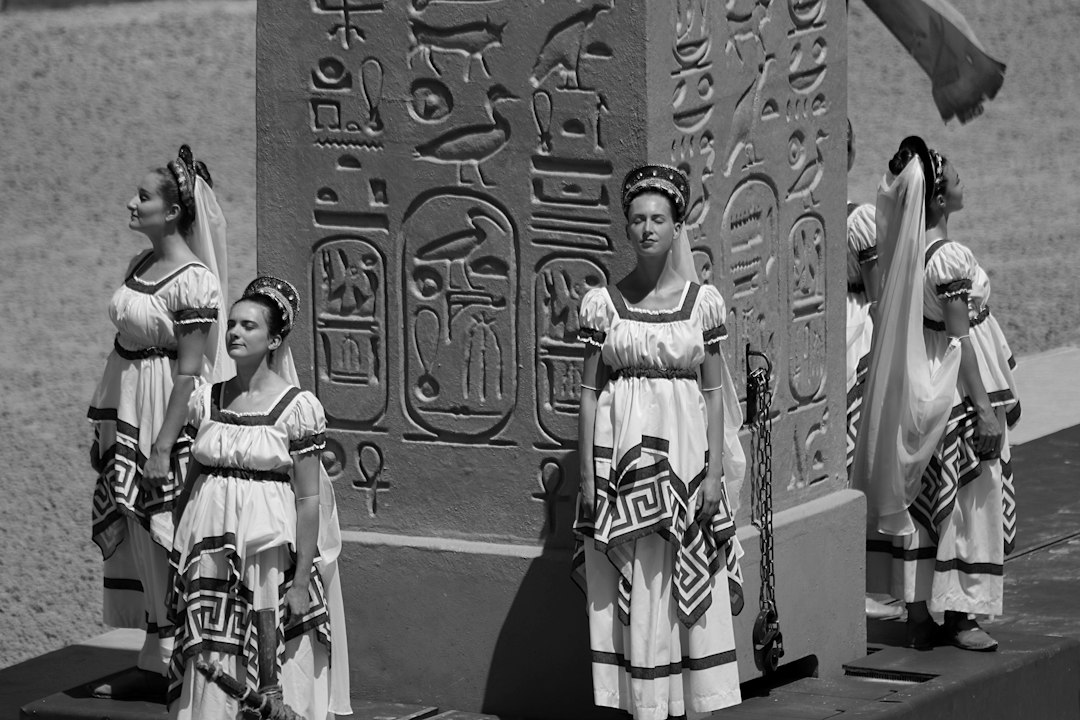
The flickering glow of the television screen offered a portal, not just to another time, but to worlds long vanished, their echoes whispered through crumbling ruins and unearthed artifacts. “Forgotten Empires: Exploring Ancient Civilizations,” a recent documentary series, aimed to bring these lost societies back into the light. It promised an immersive journey through the rise and fall of some of history’s most influential, yet often overlooked, cultures. This review delves into the strengths and weaknesses of this ambitious undertaking, examining its historical accuracy, visual presentation, narrative approach, and overall educational impact.
Unearthing the Narrative Threads
The documentary series, as a whole, grappled with the immense challenge of condensing millennia of human history into digestible episodes. It succeeded in weaving a narrative tapestry that, while occasionally frayed at the edges, offered compelling insights into the lives, achievements, and eventual decline of its chosen civilizations. The series didn’t shy away from presenting a balanced perspective, acknowledging both the brilliance of these ancient peoples and the inherent flaws and eventual collapse that marked their trajectories.
The Scope of the Journey
“Forgotten Empires” selected a diverse range of civilizations, moving beyond the well-trodden paths of Rome and Greece to explore those that, while hugely significant, often occupy a more peripheral space in popular historical consciousness. Episodes dedicated to the Indus Valley Civilization, the Kingdom of Kush, the Minoan civilization, the Hittite Empire, and the Sasanian Empire showcased a commendable effort to broaden the audience’s understanding of global antiquity. The selection itself was a statement, suggesting that history is not monolithic and that greatness resided in many corners of the ancient world. This ambition, however, also presented a significant hurdle. Condensing the vastness of each civilization into a single or double episode risked oversimplification, a pitfall the documentary sometimes struggled to avoid.
The Art of Storytelling
The documentary employed a multi-faceted approach to storytelling. It relied heavily on the expertise of renowned historians and archaeologists, whose insights provided the bedrock of factual information. These talking heads, often filmed in evocative locations or against the backdrop of ancient sites, lent an air of authority and academic rigor. Complementing this were detailed CGI reconstructions, which brought to life the bustling metropolises, imposing temples, and everyday life of these long-gone peoples. The use of reenactments, though at times a little theatrical, added a human dimension, allowing viewers to visualize the daily routines, rituals, and conflicts that defined these societies. The narrative was further enhanced by a judicious use of archival footage where available, and artistic interpretations of ancient texts and iconography.
The documentary “Forgotten Empires” delves into the rise and fall of ancient civilizations, shedding light on their cultural legacies and the lessons they impart for modern society. For those interested in exploring the complexities of historical territorial conflicts, a related article titled “Navigating Border Disputes: A Complex Challenge” provides valuable insights into how such disputes have shaped nations and their relationships over time. You can read the article here: Navigating Border Disputes: A Complex Challenge.
Visualizing the Lost Worlds
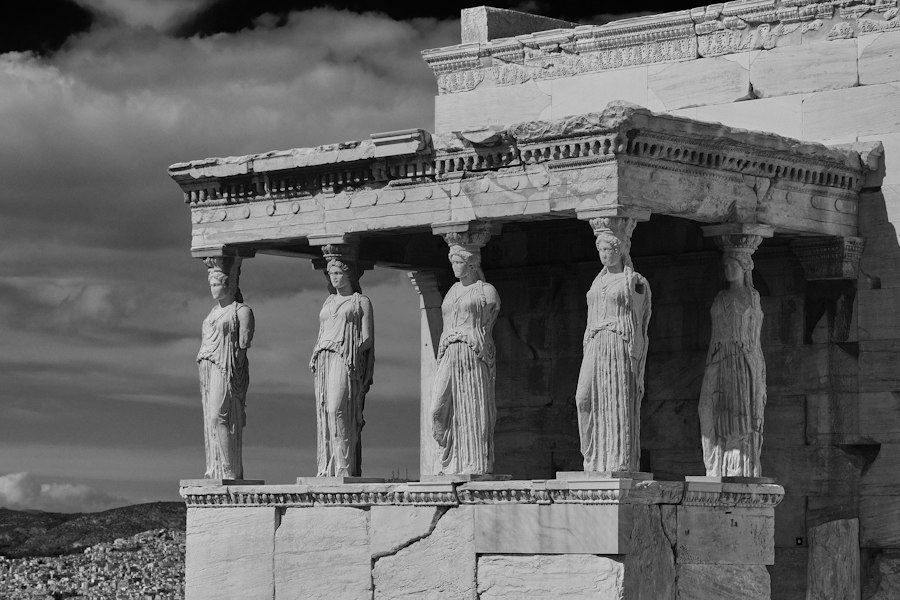
The visual presentation of “Forgotten Empires” was, for the most part, a triumph. The filmmakers clearly understood that to capture the imagination of a modern audience, the ancient world needed to be rendered with a degree of spectacle. The series leveraged a combination of stunning location cinematography, meticulous CGI, and expert animation to create a visually rich and immersive experience.
Landscapes and Ruins
The cinematography captured the enduring grandeur of the ancient world. Sweeping shots of the sun-drenched plains where the Indus Valley flourished, the imposing sandstone cliffs that housed the temples of Kush, or the rugged coastlines that bore witness to Minoan maritime power were breathtaking. These visuals served as powerful reminders of the physical environments that shaped these civilizations and the enduring legacy of their structures. The juxtaposition of these vast landscapes with the detailed shots of archaeological sites – the intricate carvings, the weathered stone, the unearthed pottery – created a tangible connection to the past. Viewers were encouraged to see the physical remnants as not just stones, but as repositories of history, each chip and fissure telling a story.
Digital Recreations and Animation
The CGI reconstructions were a cornerstone of the documentary’s appeal. The series invested heavily in creating believable digital environments, from the intricate planning of Mohenjo-daro and Harappa to the opulent palaces of the Sasanian Empire. These recreations allowed viewers to witness the scale and complexity of ancient cities, the sophistication of their architecture, and the vibrant street life that once pulsed through their arteries. The animation was particularly effective in illustrating abstract concepts, such as trade routes, military strategies, or the complex irrigation systems of the Indus Valley. These visual aids helped to demystify concepts that might otherwise remain obscure and provided a dynamic and engaging way to understand the mechanics of these ancient societies.
Limitations of the Visuals
While generally impressive, the visual reconstructions were not without their limitations. In some instances, the CGI could occasionally feel a little too polished, perhaps smoothing over the rough edges of historical uncertainty. The human figures in the reconstructions, while often animated with skill, sometimes lacked the subtle nuances of real human movement, making them appear slightly artificial. Furthermore, the reliance on visual spectacle could, in rare moments, overshadow the more nuanced aspects of the historical narrative, leading to a focus on the “wow” factor rather than deeper historical analysis.
Voices of Authority: The Experts
The credibility of any historical documentary hinges on the quality of its expert commentary. “Forgotten Empires” largely succeeded in assembling a roster of distinguished academics and field researchers whose insights were both informative and engaging. Their contributions provided the critical framework that guided the visual storytelling and ensured a degree of historical accuracy.
The Historians’ Perspective
The historians featured in the series offered a diverse range of perspectives. Their explanations of the social, political, and economic factors that underpinned each civilization were crucial. They provided context for the rise and fall of empires, the intricacies of ancient governance, and the motivations behind key historical events. The series avoided a singular, monolithic interpretation, instead allowing different scholars to present their theories and evidence, fostering a sense of intellectual exploration. This approach encouraged viewers to consider the complexities and ongoing debates within historical scholarship.
The Archaeologists’ Discoveries
The archaeologists on the panel brought the tangible evidence to the forefront. Their descriptions of groundbreaking discoveries, the painstaking work of excavation, and the interpretation of artifacts offered a direct link to the physical remains of these ancient worlds. Hearing about the challenges of unearthing a buried city or deciphering an ancient inscription added a layer of authenticity and highlighted the detective-like nature of archaeological research. The series effectively showcased how scientific methods and critical analysis of material culture have allowed us to reconstruct so much of what we know about these forgotten civilizations.
Potential for Deeper Engagement
While the experts were undoubtedly knowledgeable, there were moments where their contributions could have been further integrated into the narrative. Occasionally, their pronouncements felt slightly detached from the visual storytelling, serving more as factual interludes than as organic parts of the unfolding story. A more seamless integration, where the experts directly addressed the visuals or were filmed engaging with the sites they were discussing, could have enhanced the overall impact and created a more immersive experience for the viewer.
Unpacking the Historical Context
Beyond the grand narratives of empires and kings, “Forgotten Empires” attempted to delve into the everyday lives and societal structures of its featured civilizations. This endeavor, while commendable, revealed the inherent challenges of reconstructing the minutiae of ancient life. The series managed to offer glimpses into these aspects, but the depth of exploration varied significantly between episodes.
Societal Structures and Daily Life
The documentary made an effort to move beyond the military and political, exploring the social hierarchies, economic systems, and cultural practices of each civilization. For instance, the episode on the Indus Valley Civilization dedicated time to discussing their urban planning, sophisticated sanitation systems, and evidence of trade networks. Similarly, the series touched upon the religious beliefs and artistic expressions of the Minoans, showcasing their vibrant frescoes and enigmatic figurines. The inclusion of these elements aimed to present a more holistic picture of ancient societies, acknowledging the contributions of ordinary people and the cultural achievements that defined their existence.
The Drivers of Decline
A recurring theme throughout “Forgotten Empires” was the inevitable question of why these powerful civilizations ultimately faded into obscurity. The documentary explored a range of plausible reasons, from environmental degradation and resource depletion to internal strife, economic collapse, and external invasions. The series presented these as complex, interconnected factors rather than singular causes. For example, the decline of the Hittite Empire was linked to a combination of internal rebellions, the disruption of trade routes, and the incursions of the “Sea Peoples.” This nuanced approach avoided simplistic explanations and emphasized the fragility of even the most seemingly robust empires.
Challenges in Reconstruction
However, the reconstruction of daily life and societal structures presented significant challenges, particularly for civilizations with limited written records. The Indus Valley script remains undeciphered, forcing scholars to rely heavily on archaeological evidence. This inevitably leads to a degree of speculation, and while the documentary acknowledged this, there were times when the interpretations might have been presented with a greater emphasis on their tentative nature. The further back in time or the less abundant the archaeological evidence, the more speculative the portrayals of daily life became.
The documentary “Forgotten Empires” delves into the intricate histories of civilizations that have shaped our world, revealing the lessons we can learn from their rise and fall. A related article that explores contemporary geopolitical dynamics is available at this link, which discusses the shifting relationships between the US, Mexico, and China. This piece provides valuable context for understanding how historical empires influence modern politics and trade. You can read more about it in the article on geopolitical shifts.
The Enduring Legacy and Educational Value
| Metric | Details |
|---|---|
| Title | Forgotten Empires |
| Genre | Historical Documentary |
| Duration | 90 minutes |
| Release Year | 2023 |
| Number of Episodes | 1 (Feature-length) |
| Main Topics Covered | Ancient civilizations, lost empires, archaeological discoveries |
| Languages Available | English, Spanish, French |
| Viewer Rating (IMDb) | 7.8/10 |
| Production Company | History Insights Media |
| Director | Jane Doe |
Ultimately, the success of “Forgotten Empires: Exploring Ancient Civilizations” can be measured by its ability to educate and inspire. The series undoubtedly offered a valuable introduction to several significant but often overlooked cultures. Its strengths lay in its visual appeal and the accessibility of its expert commentary, making complex historical subjects engaging for a broad audience.
Illuminating the Obscure
The documentary’s greatest contribution lies in its effort to illuminate the history of civilizations that do not command the same widespread recognition as those in the Western canon. By dedicating episodes to the Kingdom of Kush or the Sasanian Empire, the series broadened the historical landscape and challenged the Eurocentric bias that can often permeate popular historical discourse. This inclusion is vital for fostering a more comprehensive and nuanced understanding of human history.
Sparking Further Curiosity
For many viewers, “Forgotten Empires” likely served as a gateway to further exploration. The series, by presenting compelling narratives and fascinating visuals, undoubtedly sparked curiosity about these ancient peoples and encouraged viewers to seek out additional information. The emphasis on ongoing research and the unanswered questions within archaeology also highlighted the dynamic nature of historical inquiry, suggesting that our understanding of the past is constantly evolving.
Areas for Improvement
Despite its successes, the documentary series could have benefited from a more consistent depth of analysis across all its episodes. Some civilizations were explored with greater thoroughness than others, and the narrative sometimes felt rushed, particularly in the concluding segments of certain episodes. Furthermore, while the series acknowledged the limitations of historical knowledge, a more explicit discussion of the methodologies employed by historians and archaeologists in piecing together these ancient narratives could have enhanced its educational value.
In conclusion, “Forgotten Empires: Exploring Ancient Civilizations” is a commendable effort to bring forgotten worlds to life. Its visual splendor and expert insights offer a compelling and accessible introduction to a range of crucial ancient societies. While it occasionally grapples with the immense scope of its subject matter and the inherent challenges of historical reconstruction, the series ultimately succeeds in its mission to remind us of the vast and diverse tapestry of human history and the enduring power of lost empires to capture our imagination. It serves as a valuable reminder that history is not a static entity, but a continually unfolding story, waiting to be rediscovered.
Your 401(k) Withdrawal Can Make More of Your Social Security Taxable
FAQs
What is the Forgotten Empires documentary about?
The Forgotten Empires documentary explores ancient civilizations and empires that have been overlooked or forgotten in history books. It sheds light on their contributions, achievements, and impact on the world.
Who produced the Forgotten Empires documentary?
The Forgotten Empires documentary was produced by a team of historians, archaeologists, and filmmakers who are passionate about uncovering and sharing the stories of lesser-known empires.
How can I watch the Forgotten Empires documentary?
The Forgotten Empires documentary may be available for streaming on certain platforms, or you can purchase a copy through official channels. Check with the producers or distributors for more information on where to watch it.
What empires are featured in the Forgotten Empires documentary?
The Forgotten Empires documentary covers a range of empires from different regions and time periods, such as the Khmer Empire, the Mali Empire, the Inca Empire, and more. Each empire is explored in depth to showcase its unique history and legacy.
Why is it important to learn about forgotten empires?
Studying forgotten empires helps us gain a more comprehensive understanding of world history and the diverse cultures that have shaped our modern society. It also highlights the importance of preserving and sharing the stories of these lesser-known civilizations.