The Order of the Poor Fellow-Soldiers of Christ and of the Temple of Solomon, more commonly known as the Knights Templar, remains one of history’s most enigmatic and captivating organizations. For nearly two centuries, they were a dominant force in the medieval world, evolving from a small group of knights dedicated to protecting pilgrims to a vast and powerful multinational corporation. Their meteoric rise was matched only by their sudden and brutal downfall, leaving behind a rich tapestry of history, legend, and enduring mystery that continues to fuel speculation and fascination centuries later. The secrets attributed to the Templars are as varied as they are intriguing, encompassing financial acumen, military prowess, religious devotion, and alleged heresy. Unraveling these secrets requires a careful examination of historical evidence, separating documented fact from embroidered myth, and understanding the complex socio-political landscape of the Crusades.
The Humble Beginnings and Rapid Ascent of the Warrior Monks
The genesis of the Knights Templar can be traced back to the aftermath of the First Crusade. Jerusalem had been captured in 1099, and with it, a newfound pilgrimage route opened up for devout Christians from Western Europe. However, this route was fraught with peril. Bandits and hostile forces made the journey incredibly dangerous, and the King of Jerusalem, Baldwin II, recognized the urgent need for protection for these vulnerable travelers. It was in this context, around 1119, that a French knight named Hugh de Payens, along with eight companions, approached King Baldwin and the Patriarch of Jerusalem. They proposed the formation of a monastic order dedicated to safeguarding pilgrims.
A Vow of Poverty and Protection
The initial vision for the Templars was one of extreme austerity and martial devotion. They took vows of poverty, chastity, and obedience, adhering to a monastic rule largely based on that of the Cistercians. Their primary mission was to patrol the roads leading to the Holy Land, offering protection and escort to pilgrims. Their early days were characterized by hardship and limited resources. They are said to have been granted quarters in a wing of the royal palace in Jerusalem, which stood on the site of the ancient Temple of Solomon, giving them their enduring name. Their first official recognition came at the Council of Troyes in 1129, where they received papal approval and a formal rule, marking their transition from a local security force to an internationally recognized military order.
The Power of Papal Endorsement and Templar Privilege
The real catalyst for the Templars’ explosive growth was the support they received from the highest echelons of the Church and European royalty. Pope Innocent II, through the papal bull Omne Datum Optimum in 1139, granted the Templars extraordinary privileges. They were exempted from all local laws and taxes, answering only to the Pope. They could build their own chapels, bury their dead, and collect tithes. This autonomy, coupled with their martial prowess and the inherent appeal of a holy warrior, attracted vast numbers of recruits, donations, and land grants from across Christendom. Kings, princes, and wealthy nobles saw them as both a spiritual crusade and a shrewd investment, donating vast estates and wealth to the Order. This rapid accumulation of resources and influence transformed them from humble protectors into a formidable international organization.
In the realm of financial stability and crisis management, the article titled “Understanding Financial Bank Bail-Ins” provides a comprehensive overview of how bail-ins function as a mechanism for resolving failing banks while protecting taxpayers. This insightful piece complements the themes explored in the Real Lore and Order documentary, which delves into the complexities of financial systems and their impact on society. For more information, you can read the article here: Understanding Financial Bank Bail-Ins.
The Military Might and Financial Empire of the Templars

The Knights Templar were not merely religious men with swords; they were highly disciplined and effective fighting units. Their reputation on the battlefield was formidable, built on courage, skill, and unwavering loyalty. Beyond their military achievements, they also developed an unprecedented financial system that laid the groundwork for modern banking.
The Elite Warriors of the Crusades
The Templars distinguished themselves in countless battles and sieges throughout the Crusades. Clad in their distinctive white mantles emblazoned with a red cross, they were a terrifying sight to their enemies. Their training was rigorous, emphasizing horsemanship, swordsmanship, and formation tactics. They often served as the shock troops in crusader armies, spearheading assaults and holding critical defensive positions. Battles like the Siege of Ascalon and the Battle of Montgisard saw the Templars play pivotal roles. Their bravery was legendary, often fighting to the last man rather than retreat. This unwavering commitment earned them immense respect from allies and fear from foes. Their military structure was hierarchical, with a Grand Master at the apex, followed by marshals, commanders, knights, sergeants, and chaplains.
The Dawn of Modern Finance: A Network of Banks and Loans
The wealth accumulated by the Templars through donations and spoils of war was managed with remarkable sophistication. They established a vast network of preceptories – estates and castles that served as administrative centers and treasuries – across Europe and the Levant. These preceptories acted as early banks. Pilgrims could deposit their valuables in a Templar preceptory in Europe and receive a letter of credit, which they could then redeem for cash at a preceptory in the Holy Land. This innovation drastically reduced the risk of carrying large sums of money across dangerous territories. The Templars also engaged in lending, providing significant financial backing to kings, popes, and other rulers. They financed crusades, supported royal treasuries, and acted as financial advisors, making them indispensable to the European economy. Their meticulous record-keeping and efficient management of funds were far ahead of their time, prefiguring many aspects of modern financial institutions.
The Allegations of Heresy and the Seeds of Doubt
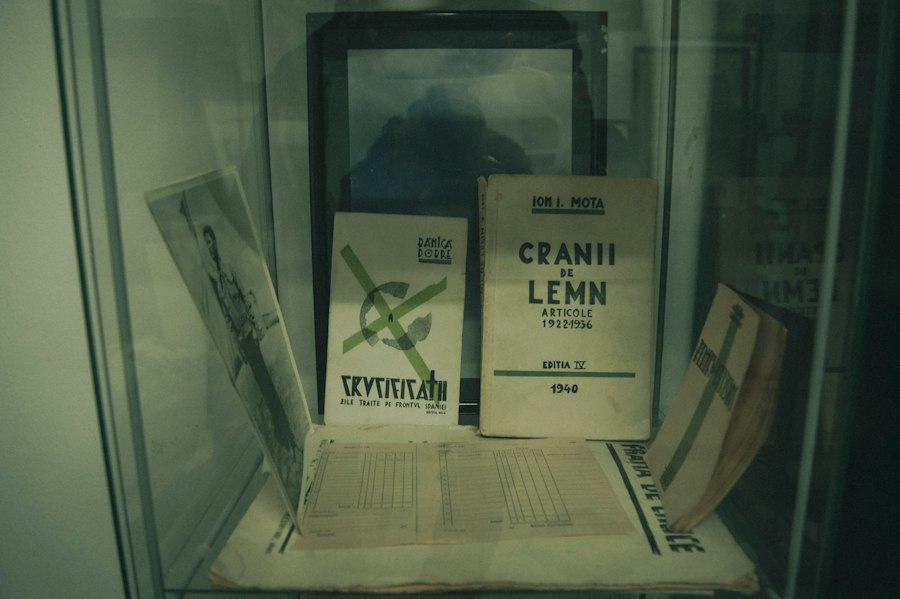
Despite their immense power and veneration, a dark cloud of suspicion began to gather around the Knights Templar. Accusations of heresy, blasphemy, and secret rituals emerged, chipping away at their once-impeccable reputation. These accusations, amplified by political machinations, would ultimately prove to be their undoing.
Whispers of Idolatry and Secret Rites
As the Templars grew in wealth and influence, rumors began to circulate about their secret rituals conducted behind the closed doors of their preceptories and castles. These whispers often spoke of strange idols, secret oaths, and blasphemous practices. One of the most persistent accusations involved the veneration of a head or skull, often referred to as “Baphomet.” The exact nature and origin of this alleged idol remain a subject of intense debate, with some scholars suggesting it was a misinterpretation of Islamic iconography or a symbolic representation within their mystical teachings. Other accusations included spitting on the cross during initiation ceremonies and denying Christ. These charges, though unsubstantiated by credible evidence from the Templars’ own documents, played on existing fears and prejudices about secret societies and their arcane practices.
The Political Game: Greed and Envy Fueling the Accusations
The accusations of heresy did not arise in a vacuum. By the early 14th century, the Crusader states in the Holy Land were in decline, and the Templars, despite their wealth, were seen as less essential for military defense. Meanwhile, their vast landholdings and immense financial power had bred envy and greed among secular rulers, particularly King Philip IV of France. Philip was heavily indebted to the Templars and likely saw their dissolution as a way to seize their assets and absolve himself of his debts. He may have also feared their independent power and influence within his kingdom. He began to systematically build a case against the Order, employing torture to extract confessions from apprehended Templars, confessions that were often contradictory and clearly coerced.
The Dissolution: Betrayal, Torture, and the End of an Era
The accusations, skillfully exploited by Philip IV, led to a swift and brutal crackdown on the Knights Templar. What followed was a period of immense suffering for the Order, marked by betrayal, torture, and the systematic dismantling of their vast organization.
The Shocking Arrests and Forced Confessions
On Friday, October 13, 1307, a date that has contributed to the superstition surrounding the number thirteen, King Philip IV ordered the mass arrest of Templars throughout France. The charges were treason, heresy, and sodomy. The arrested knights were subjected to brutal torture, designed to extract confessions that would validate the King’s accusations. Under duress, many Templars confessed to the charges, implicating themselves and their brethren. These confessions, however, were often inconsistent and varied wildly, a testament to the coercive methods employed. Despite the dubious nature of these confessions, they provided the legal pretext for the subsequent actions against the Order.
The Trial, Torture, and Papal Capitulation
The trials that followed were a sham, characterized by a lack of due process and the continued use of torture. Many Templars recanted their coerced confessions, only to be imprisoned or executed for heresy. The Pope, Clement V, initially hesitant to act against such a powerful and respected Order, eventually succumbed to the relentless pressure from Philip IV. In 1312, under duress, Clement V issued the papal bull Vox in excelso, which officially suppressed the Order of the Knights Templar. While the bull did not declare the Templars heretics, it dissolved the Order, citing scandal and the need for unity. The possessions of the Templars were ostensibly to be transferred to the Knights Hospitaller, another military order, but in practice, much of their wealth was seized by Philip IV and other rulers. The last Grand Master, Jacques de Molay, famously cursed King Philip IV and Pope Clement V from the pyre before his execution in 1314, a curse that many believed came to pass as both men died within a year of his death.
The Real Lore and Order documentary series delves into the complexities of modern conflicts, and a fascinating related article explores the implications of space warfare in the future. This piece highlights how advancements in technology could reshape military strategies beyond our planet. For those interested in understanding the evolving landscape of conflict, you can read more about it in the article on space warfare.
The Enduring Legacy and Unanswered Questions
| Metric | Value | Description |
|---|---|---|
| Title | Real Lore and Order Documentary | Name of the documentary series |
| Genre | Documentary | Type of content |
| Number of Episodes | 12 | Total episodes in the series |
| Average Episode Length | 45 minutes | Typical duration of each episode |
| Release Year | 2023 | Year the documentary was first released |
| IMDB Rating | 8.2/10 | Average viewer rating on IMDB |
| Topics Covered | History, Politics, Culture | Main themes explored in the documentary |
| Production Company | TrueStory Media | Company responsible for producing the documentary |
The abrupt and violent end of the Knights Templar left an indelible mark on history. Their legacy is a complex blend of documented historical events, romanticized legends, and persistent conspiracy theories. The questions surrounding their fate and their supposed secrets continue to intrigue and inspire.
The Mystical Echoes: From Gnostic Secrets to Esoteric Traditions
The dissolution of the Templars coincided with the decline of the Crusader states and a period of significant intellectual and spiritual ferment in Europe. The secrets attributed to the Templars often intersect with various esoteric and mystical traditions. Some theories suggest that the Templars discovered ancient artifacts or knowledge in the Holy Land, such as the Ark of the Covenant or the Holy Grail, which they then secreted away. Others propose that they possessed advanced knowledge of Freemasonry, alchemy, or even Gnostic beliefs, which they continued to practice in secret after their official demise. The symbolism found in later Masonic rituals, particularly those related to the Knight Templar degrees, has fueled speculation about a direct lineage and the transmission of hidden knowledge. While concrete evidence linking the Templars to specific esoteric groups remains elusive, their mystique has undeniably contributed to the rich tapestry of Western esotericism.
The Search for Hidden Treasures and the Persistence of Legend
One of the most enduring aspects of the Templar legend is the idea of hidden treasures. These treasures are not necessarily thought to be merely gold and jewels, but could also include sacred relics, lost texts, or even the secrets of their financial power. Numerous expeditions and treasure hunts have been undertaken over the centuries in search of these fabled riches, from Oak Island in Nova Scotia to secret chambers beneath Rosslyn Chapel in Scotland. While the material treasures may remain elusive, the legend itself has become a valuable cultural artifact, inspiring literature, art, and popular culture. The Knights Templar, through their dramatic rise and fall, their military prowess, their financial innovations, and the enduring mystique surrounding their alleged secrets, continue to capture the imagination, reminding us that history often holds more questions than answers, and that some mysteries are destined to linger through the ages.

Your 401(k) Withdrawal Can Make More of Your Social Security Taxable
FAQs
What is the premise of the real lore and order documentary?
The real lore and order documentary delves into the world of true crime and explores real-life cases that have inspired popular crime shows and movies.
How are the cases featured in the real lore and order documentary selected?
The cases featured in the real lore and order documentary are carefully chosen based on their impact on society, the complexity of the investigation, and the legal outcomes.
Are the real-life detectives and investigators involved in the cases interviewed in the documentary?
Yes, the real lore and order documentary often includes interviews with the detectives, investigators, and other key figures involved in the real-life cases to provide firsthand accounts and insights.
Does the real lore and order documentary include reenactments of the crimes?
While the real lore and order documentary may include reenactments of certain aspects of the crimes for dramatic effect, the focus is primarily on presenting the facts and details of the cases in a compelling and informative manner.
How does the real lore and order documentary differ from fictional crime shows?
The real lore and order documentary sets itself apart from fictional crime shows by showcasing actual events, investigations, and legal proceedings, offering viewers a more authentic and educational look at the world of true crime.