The Arid Cradle: Hittite Homeland and its Agro-Ecological Constraints
The Hittite civilization, a formidable Bronze Age power that dominated Anatolia from roughly 1600 to 1178 BCE, was fundamentally shaped by its environment. Their success, and indeed their survival, was intrinsically linked to their ability to wrest a living from a land that, even in antiquity, presented significant agricultural challenges. The Hittite heartland, centered on the Kizilirmak River bend in central Anatolia, was characterized by a predominantly continental climate. Summers were hot and dry, while winters could be harsh and snowy, particularly at higher elevations. This climatic duality created a narrow window for successful cultivation, demanding meticulous planning and robust adaptive strategies from Hittite farmers. Rainfall was often insufficient and unpredictable, frequently concentrated in short, intense bursts that could lead to soil erosion rather than effective moisture penetration. This inherent aridity was not a static backdrop but a dynamic force that dictated the rhythms of Hittite life, influencing crop choices, farming techniques, and even the state’s ability to project power. The kingdom’s very existence was a testament to its people’s resilience in navigating these arid constraints. The historical record, primarily in the form of cuneiform tablets unearthed from the Hittite capital of Hattusa and other administrative centers, offers glimpses into the daily struggles and triumphs of this ancient agricultural society. These texts, which include administrative records, legal codes, religious rituals, and letters, paint a picture of a people deeply attuned to the vagaries of their climate.
Water Scarcity: The Ever-Present Threat
The most significant environmental challenge faced by Hittite farmers was the scarcity of water. Unlike the riverine civilizations of Mesopotamia or Egypt, which benefited from the predictable flooding of major waterways, Hittite agriculture relied more heavily on rainfall and the management of smaller, seasonal streams. This dependence made them acutely vulnerable to drought. The Hittite landscape, while possessing some fertile plains, was also characterized by rugged terrain and plateaus where water retention was a constant battle. Archaeological evidence, including the remains of sophisticated irrigation systems, suggests a concerted effort to mitigate this scarcity. However, the scale and effectiveness of these systems varied, and they were unlikely to provide a foolproof solution during prolonged dry spells. The Hittite reliance on rain-fed agriculture meant that a single failed rainy season could have devastating consequences for harvests, leading to food shortages and potential social unrest. This vulnerability likely contributed to the kingdom’s emphasis on self-sufficiency and the stockpiling of grain, as evidenced by the extensive granaries found at Hattusa. The state’s involvement in managing water resources, whether through the construction and maintenance of cisterns, canals, or reservoirs, underscored the critical importance of this resource for the stability and prosperity of the Hittite realm. The very fabric of Hittite society, from the peasant farmer to the royal court, was woven with the threads of water availability.
Topographical Diversity: Fertile Pockets Amidst Aridity
While the Hittite homeland was largely arid, it was not uniformly so. The Anatolian plateau offered pockets of greater fertility, often found in river valleys and at lower elevations where the soil was richer and more moisture-retentive. These fertile areas became the backbone of Hittite agriculture, supporting the cultivation of staple crops like emmer wheat, barley, and lentils. However, even these more favorable regions were not immune to the broader climatic challenges. The Hittite state likely exerted considerable effort to identify, develop, and protect these prime agricultural lands. The administrative records suggest a complex system of land ownership and management, with the state playing a significant role in overseeing agricultural production. The diverse topography also presented challenges in terms of communication and transportation, potentially isolating farming communities and complicating the distribution of resources during times of scarcity. The Hittite military, a formidable force, would have been acutely aware of the agricultural potential of different regions when planning campaigns or securing its borders. The strategic importance of fertile valleys, often defended by fortified settlements, is a testament to their value in a land where food security was paramount. The Hittites were adept at identifying and exploiting these localized pockets of agricultural bounty, a skill essential for the sustenance of their growing population and their expansionist ambitions.
Hittite agriculture was significantly influenced by the climate conditions of the ancient Near East, making it vulnerable to fluctuations in weather patterns. The reliance on seasonal rains and the fertility of the land played a crucial role in the success of their agricultural practices. For a deeper understanding of how environmental factors shaped ancient civilizations, you can explore the article on this topic at this link.
Hittite Farming Techniques: Adapting to a Challenging Environment
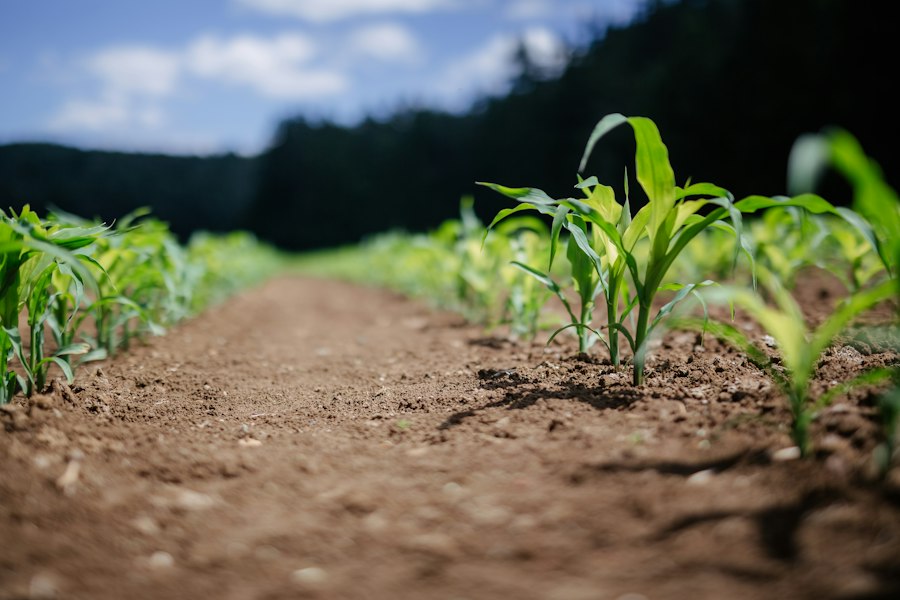
The Hittites developed a range of farming techniques to cope with the climatic vulnerabilities of their homeland. These methods, honed over centuries of experience, reflect a deep understanding of their environment and a commitment to maximizing agricultural output under challenging conditions. Their agricultural practices were a testament to their ingenuity and resilience in the face of natural adversity.
Dry Farming and Water Management: The Cornerstones of Hittite Cultivation
Given the scarcity of reliable surface water, Hittite farmers primarily employed dry farming techniques. This involved a deep understanding of soil moisture conservation, crop rotation, and the selection of drought-tolerant varieties of grains and legumes. They likely utilized methods such as plowing to break up the soil surface and create a mulch that reduced evaporation, and fallowing fields to allow them to regenerate and store moisture. The Hittite calendar, with its detailed agricultural cycles and festival observances tied to planting and harvesting, highlights the structured approach they took to farming. Beyond dry farming, evidence suggests that the Hittites also engaged in more sophisticated water management. While large-scale irrigation comparable to that of Egypt might not have been widespread, the construction of cisterns for collecting rainwater, the digging of wells, and the careful management of seasonal wadis (dry riverbeds that fill with water after rain) were likely common practices. These efforts, though perhaps localized, were crucial for providing a supplementary water supply, especially for critical periods of crop growth. The Hittite state’s interest in agriculture is further evidenced by laws pertaining to water rights and the maintenance of irrigation infrastructure, suggesting a recognition of water as a vital state resource that required regulation and protection. The agricultural calendar, a meticulously recorded sequence of activities tied to celestial observations and seasonal changes, was a vital tool for Hittite farmers, guiding their planting, tending, and harvesting efforts.
Crop Selection and Livestock Integration: Diversifying the Agricultural Portfolio
The Hittites cultivated a range of crops, with emmer wheat and barley being the most important staples. Lentils, peas, and other legumes also played a significant role, providing essential protein and nitrogen-fixing benefits to the soil. The choice of crops was undoubtedly influenced by their ability to withstand drought and their suitability to the local soil conditions. Beyond crop cultivation, livestock played a crucial role in the Hittite agricultural economy. Sheep and goats, well-adapted to arid environments, provided wool, milk, and meat, while cattle and oxen were essential for plowing and transportation. The integration of livestock also offered a means of natural fertilization through manure, which was invaluable for maintaining soil fertility in the absence of extensive artificial fertilizers. The Hittites likely practiced a form of mixed farming, where crop production and animal husbandry were intertwined, creating a more resilient and sustainable agricultural system. This diversified approach would have offered a buffer against crop failures, as livestock could still provide sustenance and economic value. The agricultural treatises and administrative documents provide hints about the importance of animal husbandry, including regulations concerning grazing rights and the management of animal herds. The Hittite dietary staples, like emmer wheat and barley, were hardy grains suited to the Anatolian climate, and their cultivation was a testament to the farmers’ understanding of plant adaptation.
Tools and Technologies: The Practicality of Bronze Age Farming
The agricultural tools and technologies employed by the Hittites were characteristic of the Bronze Age. Their toolkit likely included plows made of wood, often with bronze or iron tips for enhanced durability and cutting ability. Sickles and scythes, also made of bronze and later iron, were essential for harvesting grain. Other tools such as spades, hoes, and various types of containers for carrying and storing produce would have been standard. The development and use of iron tools, which became more prevalent in the later Hittite period, would have offered significant advantages in terms of efficiency and durability compared to bronze. The Hittites were also skilled artisans and engineers, and while grand irrigation projects might not have been their forte, they likely employed their knowledge in constructing simpler water management systems such as terraces to prevent soil erosion on sloped land, and small dams to create reservoirs. The efficiency of their farming was directly tied to the effectiveness of their tools, and the gradual introduction of iron marked a significant advancement in their capacity to work the land. The evidence from archaeological excavations, including tools unearthed from settlements and depictions in art, provides insights into the practical realities of Hittite agriculture. The simple yet effective design of their agricultural implements underscores the pragmatic nature of Hittite innovation in the face of environmental challenges.
Climate-Related Disasters: Hittite Vulnerabilities and Responses
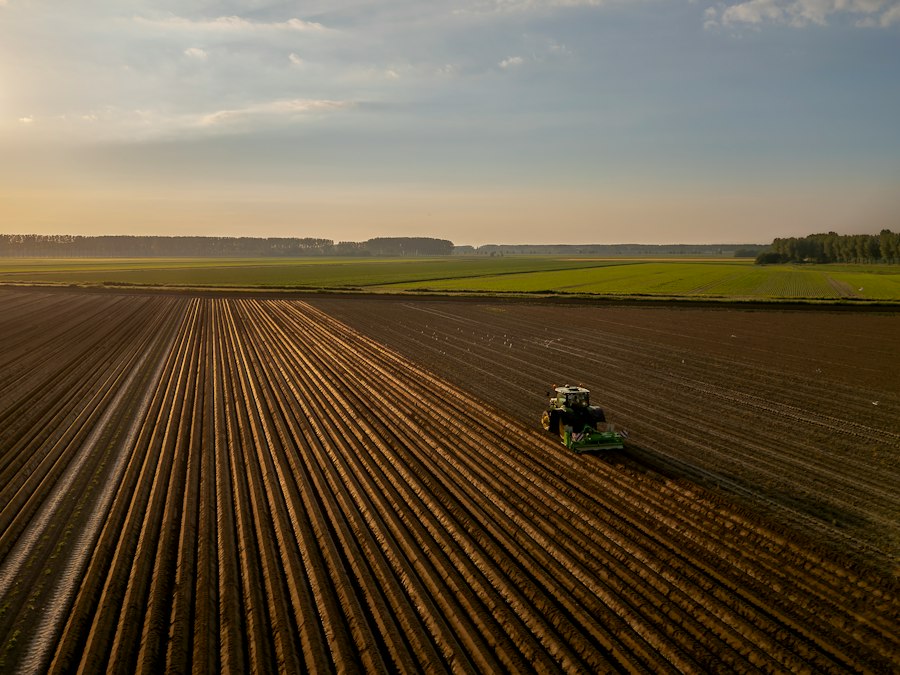
The Hittite civilization, despite its agricultural prowess, was inherently vulnerable to a range of climate-related disasters. These events, often unpredictable and severe, could have profound impacts on the Hittite economy, society, and political stability. The ancient texts reveal a consistent concern with the capriciousness of nature.
Drought and Famine: The Specter of Crop Failure
Drought was arguably the most persistent and devastating climate threat to the Hittite people. Prolonged periods of low rainfall could lead to widespread crop failure, resulting in severe food shortages and famine. The Hittite administrative records contain numerous references to grain distributions, often in response to shortages, indicating that famine was a recurring problem. The state played a crucial role in mitigating these crises, with the king and his officials responsible for organizing relief efforts, including the import of grain from neighboring regions or the distribution of royal granary reserves. The Hittite legal codes also reflect the seriousness of food scarcity, with provisions addressing issues of debt, land tenure, and the distribution of foodstuffs during times of hardship. The vulnerability to drought was not merely an agricultural issue but a fundamental threat to the social and political order, with the potential to destabilize the kingdom and undermine its authority. The reliance on rain-fed agriculture meant that Hittite farmers were constantly at the mercy of the weather, and a single failed harvest could have cascading consequences throughout society. The Hittite rulers understood the critical link between agricultural prosperity and their own power, and famine was a direct threat to their legitimacy.
Extreme Weather Events: Floods, Storms, and Their Aftermath
While drought was a chronic problem, the Hittites also faced the threat of more sudden and extreme weather events. Intense rainfall, though infrequent, could lead to flash floods that damaged crops, inundated fields, and disrupted transportation. Severe storms could cause destruction to homes and infrastructure, and hail could devastate ripening crops. The Hittite religious system often attributed such calamities to the displeasure of the gods, leading to elaborate rituals and sacrifices intended to appease divine wrath and avert future disasters. The Hittite response to these events would have involved immediate relief efforts, damage assessment, and the arduous task of rebuilding. The vulnerability of their settlements, often built with mudbrick and thatch, to severe weather would have necessitated robust repair and maintenance. The unpredictability of such events, coupled with the lack of advanced warning systems, meant that communities had to be constantly prepared for the worst, relying on their own resilience and the support of the wider Hittite state. The Hittite priests and diviners played a significant role in interpreting omens and natural phenomena, seeking to understand and mitigate the impact of these extreme weather events. The resilience of Hittite settlements, often built with readily available local materials, was tested by the force of these natural disturbances.
Impact on Hittite Society and State: Resilience and Adaptation
The constant threat of climate-related disasters profoundly shaped Hittite society and the structure of their state. The need for collective action in times of crisis fostered a sense of community and interdependence. The Hittite king, as the ultimate guarantor of prosperity and security, bore a heavy responsibility for managing agricultural resources and responding to emergencies. This likely contributed to the development of a centralized administration capable of organizing relief efforts, stockpiling grain, and maintaining infrastructure. The Hittite legal system, with its detailed regulations concerning land ownership, water rights, and communal responsibilities, reflects a society organized to cope with environmental uncertainties. The recurring challenges also fostered a culture of resilience and adaptation. Hittite farmers developed a deep knowledge of their land, their crops, and the subtle signs of changing weather. This accumulated wisdom, passed down through generations, was as crucial to their survival as any physical technology. The very existence of a powerful Hittite empire, capable of projecting its influence across Anatolia and beyond, stands as a testament to their ability to overcome these environmental limitations. The Hittite empire’s longevity was a direct consequence of its people’s capacity to adapt to the ever-present threat of climatic instability, transforming vulnerability into a source of collective strength.
Hittite Agricultural Records: Insights from the Cuneiform Archives
The cuneiform tablets discovered at Hattusa and other Hittite sites provide an invaluable window into the practicalities of Hittite agriculture and its intimate relationship with the climate. These administrative, economic, and legal texts offer concrete evidence of the challenges and strategies employed by Hittite farmers and the state.
Grain Management and Royal Reserves: The State’s Role in Food Security
The Hittite archives are replete with records detailing the collection, storage, and distribution of grain. The state maintained extensive granaries, both in the capital and in provincial centers, to ensure a reserve supply of food. These reserves were crucial for provisioning the army, supporting the royal court, and, most importantly, as a buffer against agricultural shortfalls caused by drought or other climate-related disasters. The tablets document transactions involving large quantities of grain, including quotas collected from various regions, payments to laborers, and distributions to temples and religious institutions. The careful management of these grain reserves underscores the Hittite state’s understanding of food security as a critical component of its power and stability. The king and his officials were deeply involved in agricultural administration, making decisions about land allocation, planting schedules, and the allocation of resources. The meticulous accounting of grain supplies suggests a sophisticated bureaucratic system designed to monitor and control this vital commodity, especially in a climate prone to unpredictable yields. The Hittite scribes, through their careful documentation of grain movements, provide a quantifiable measure of the state’s efforts to buffer itself against the vagaries of its environment.
Land Tenure and Agricultural Labor: Organizing the Workforce
The Hittite cuneiform tablets offer insights into the organization of land tenure and agricultural labor. While the exact details of land ownership are complex and varied, it appears that land was held by the king, the temples, and private individuals. The state played a significant role in overseeing agricultural production, likely through a system of corvée labor and the leasing of land to farmers. The tablets mention various categories of agricultural workers, including free peasants, laborers bound to the land, and possibly slaves. The organization of labor was crucial for ensuring that fields were planted, tended, and harvested efficiently, especially given the relatively short growing seasons. The Hittite legal codes also contain provisions related to agricultural labor, such as regulations concerning debt bondage and the duties of tenants, reflecting the importance of a stable and productive workforce for the kingdom’s sustenance. The administrative records offer a detailed glimpse into the complex social and economic structures that underpinned Hittite agricultural production, demonstrating a highly organized approach to resource management. The efficiency of Hittite agriculture was directly linked to the effective organization of its human resources, a fact clearly reflected in the cuneiform texts.
Rituals and Omens: Appeasing the Gods and Reading the Signs
Hittite religion played a significant role in their relationship with the environment. The Hittites believed that natural phenomena, including weather patterns, were influenced by the will of the gods. Therefore, agricultural success or failure was often interpreted as a sign of divine favor or displeasure. The archives contain numerous records of religious rituals and ceremonies performed to ensure good harvests, ward off drought, or appease angry deities during times of disaster. These rituals often involved sacrifices, prayers, and divination practices to understand the gods’ intentions. The Hittite pantheon was vast, with specific deities associated with agriculture, fertility, and the weather. The king, as the chief priest, often led these important ceremonies. The Hittite understanding of the interconnectedness of the divine and the natural world highlights their holistic approach to managing their environment. By seeking to maintain a harmonious relationship with the gods, they hoped to secure favorable conditions for their agriculture. The Hittite approach to agriculture was not purely pragmatic but also deeply spiritual, reflecting a profound respect for the forces of nature. The constant efforts to appease the gods underscore the Hittite acknowledgment of powers beyond their direct control that shaped their agricultural destinies.
Hittite agriculture was significantly influenced by the climate, making it vulnerable to various environmental changes that could disrupt food production. Understanding these historical agricultural practices can provide insights into modern challenges faced by farmers today. For a deeper exploration of safeguarding valuable resources in uncertain times, you can read more in this article on protecting your assets from potential threats here.
The Legacy of Hittite Agriculture: Lessons for the Modern World
| Metric | Value | Relevance to Hittite Agriculture | Climate Vulnerability Impact |
|---|---|---|---|
| Average Annual Rainfall | 400-600 mm | Supports rain-fed agriculture in Anatolia | Reduced rainfall leads to drought stress on crops |
| Temperature Range | 5°C – 30°C | Suitable for growing barley, wheat, and legumes | Increased temperatures can reduce crop yields |
| Primary Crops | Barley, Wheat, Lentils | Main staples of Hittite diet and economy | Crop failure risks due to erratic weather patterns |
| Soil Type | Loamy and Clayey soils | Fertile soils for cereal cultivation | Soil erosion and degradation from droughts |
| Frequency of Droughts | Every 5-7 years (historical estimate) | Periodic stress on agricultural productivity | Leads to food shortages and economic instability |
| Irrigation Practices | Limited, mostly rain-fed | Dependent on natural rainfall patterns | Vulnerability to rainfall variability |
The study of Hittite agriculture offers valuable insights that resonate even today, particularly in our understanding of climate vulnerability, adaptive strategies, and the intricate relationship between human societies and their environments. The challenges faced by the Hittites serve as a potent reminder of the enduring power of climate.
Enduring Lessons in Climate Resilience: Learning from the Past
The Hittite experience underscores the fundamental principle that human societies are deeply intertwined with their climate. Their struggles with drought, unpredictable rainfall, and extreme weather events highlight the inherent vulnerability of agricultural systems to climatic fluctuations. The Hittites’ development of drought-tolerant crops, water conservation techniques, and a diversified agricultural economy demonstrates the importance of adaptive strategies in building resilience. These ancient practices offer valuable lessons for modern agriculture, particularly in regions facing similar climatic challenges. The emphasis on understanding local environmental conditions, utilizing appropriate technologies, and fostering community cooperation remains relevant. The Hittite civilization’s ability to thrive for centuries in a challenging environment is a testament to the power of human ingenuity and adaptation in the face of environmental constraints. Their story serves as a powerful reminder that sustainable agricultural practices are not a modern invention but a historical necessity forged in the crucible of necessity. The Hittite approach to agriculture, characterized by its pragmatic adaptation to an arid landscape, offers a timeless blueprint for coping with environmental volatility.
The Interplay of Environment and Civilization: A Timeless Connection
The Hittite case study vividly illustrates the profound and inseparable link between environment and civilization. The Hittite empire’s rise and fall, its political structures, its economic policies, and its cultural expressions were all, to varying degrees, shaped by the arid Anatolian landscape. The constant need to manage scarce water resources, optimize agricultural production, and respond to climate-induced crises fostered unique societal structures and a particular worldview. The Hittites’ deep understanding of their environment, their innovative farming techniques, and their religious beliefs all reflect this intimate connection. This enduring relationship between human societies and their environments is a universal theme that transcends time and geography. The Hittites’ story compels us to recognize that our own civilizations are not independent of the natural world but are fundamentally shaped by it, a fact that demands careful consideration in our planning for the future. The long-term success of any civilization is inextricably linked to its ability to live in balance with its environment, a lesson the Hittites learned through centuries of hard-won experience.
Towards Sustainable Agriculture: Echoes of Ancient Wisdom
In an era of increasing climate change and its associated challenges, the study of ancient agricultural practices, such as those of the Hittites, offers a wealth of wisdom. Their emphasis on resourcefulness, conservation, and adaptation provides a valuable counterpoint to some of the more resource-intensive modern agricultural methods. The Hittites’ reliance on crop diversity, water management techniques adapted to arid conditions, and the integration of livestock into their farming systems are all principles that align with contemporary efforts to promote sustainable agriculture. By examining their strategies, we can gain a deeper appreciation for the long-term viability of practices that work in harmony with the environment, rather than seeking to dominate it. The echoes of their ancient wisdom, honed over millennia of survival in a challenging climate, can guide us as we strive to build more resilient and sustainable agricultural systems for the future. The lessons learned from the Hittites’ enduring struggle to cultivate their land offer a poignant reminder that the most successful farming practices are often those that respect and work with nature’s rhythms, rather than against them.

Your 401(k) Withdrawal Can Make More of Your Social Security Taxable
FAQs
What is the significance of Hittite agriculture?
Hittite agriculture was crucial for the economy and survival of the Hittite Empire, providing food for the population and supporting trade and military activities.
How did the climate impact Hittite agriculture?
The Hittite agriculture was vulnerable to the climate due to the region’s susceptibility to droughts, floods, and other extreme weather events, which could devastate crops and lead to food shortages.
What were the main crops grown by the Hittites?
The Hittites cultivated a variety of crops, including barley, wheat, lentils, grapes, and olives, which were essential for their diet and economy.
How did the Hittites adapt to the climate challenges in agriculture?
The Hittites implemented irrigation systems, terraced farming techniques, and crop rotation to mitigate the impact of climate variability on their agriculture and ensure a more stable food supply.
What role did livestock play in Hittite agriculture?
Livestock, such as sheep, goats, and cattle, were integral to Hittite agriculture, providing meat, dairy products, wool, and labor for farming activities, contributing to the overall sustainability of their agricultural practices.