The dust of millennia settles on the ruins of Hattusa, the once-mighty capital of the Hittite Empire. Within its imposing stone walls, archaeologists have unearthed not just grand temples and royal palaces, but also the quieter, yet equally revealing, remnants of everyday life. Among these, the techniques employed for food storage offer a profound glimpse into the resourcefulness, ingenuity, and societal structure of this ancient Anatolian civilization. The Hittites, known for their military prowess and diplomatic acumen, were also masters of ensuring their survival through effective management of vital resources, particularly food. Understanding their methods of preservation and storage is akin to unlocking a hidden chapter in their history, one that speaks of a society deeply attuned to the rhythms of nature and the necessities of long-term sustenance.
The Hittites flourished in Anatolia, a region subject to both fertile agricultural lands and periods of scarcity. Their empire, spanning the late Bronze Age (roughly 1600-1178 BCE), faced challenges from both internal development and external pressures. Food security was not merely a matter of convenience but a critical factor in maintaining a stable population, supporting a standing army, and fueling the empire’s administrative and economic machinery. The archaeological evidence from Hattusa, including granaries, pottery fragments, and depictions in art, collectively paints a picture of sophisticated strategies designed to combat spoilage, pest infestation, and the vagaries of climate. These techniques were not born of abstract scientific knowledge but of generations of practical experience, passed down through oral tradition and refined through necessity.
Pillars of Preservation: Understanding Hittite Storage Structures
The physical infrastructure dedicated to food storage at Hattusa provides the most tangible evidence of their practices. The Hittites invested significant resources in constructing specialized buildings and facilities designed to protect their harvests and provisions from the elements and from decay. These structures were not rudimentary storehouses but carefully planned edifices, reflecting an understanding of environmental control and security.
Granaries: The Safeguarding of Staple Crops
The most prominent feature of Hittite food storage at Hattusa are the granaries. Excavations have revealed large, often rectangular, buildings with thick stone walls, designed to offer protection from moisture, temperature fluctuations, and pests. The floors of these granaries were frequently raised, sometimes on stone pillars or a compacted rubble base, creating a buffer zone between the stored grain and the damp ground. This elevation was crucial in preventing the insidious spread of mold and rot, common enemies of stored grains.
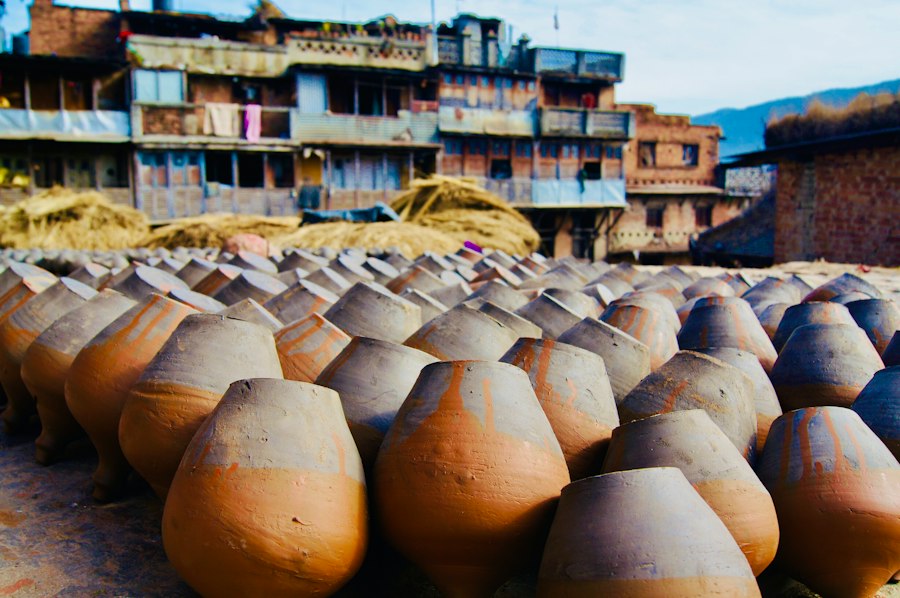
Within these granaries, grain was not simply dumped in haphazard piles. Evidence suggests the use of various containment methods. Large amphorae, ceramic vessels with narrow necks and a wide body, were likely employed to store smaller quantities of grain, offering a sealed environment that could further protect against pests and moisture. The sheer number and size of these vessels found at Hattusa attest to the importance of grain as a primary foodstuff. Furthermore, there are indications of compartmentalization within some larger granary structures. This suggests a systematic approach to managing different types of grain or perhaps different harvests, allowing for better inventory control and segregation of potentially problematic batches. The Hittites may have also employed simple but effective methods of aeration, with strategically placed openings or ventilation shafts, though direct archaeological evidence for this is often difficult to preserve. The careful construction and evident planning of these granaries highlight the Hittites’ commitment to safeguarding their most vital agricultural produce, the bedrock of their sustenance.
Silos: Subterranean Security
Beyond above-ground granaries, the Hittites also utilized subterranean storage, a technique that offers excellent insulation and a stable, cool environment. Silos, dug into the earth, provided a natural defense against extreme temperature swings that could accelerate spoilage. While direct remnants of organic materials within these silos are rare due to decomposition, their very existence, often identified by their distinct circular or rectangular outlines in the soil, points to their functional purpose.
These underground structures would have been particularly effective for storing grains that benefited from consistent cool temperatures. The earth itself acts as a thermal regulator, keeping the contents cooler in the summer and warmer in the winter compared to above-ground storage. Access to these silos would have been managed, likely with wooden or stone lids, to maintain the protective environment. The discovery of silo-like pits, sometimes lined with clay to prevent moisture ingress, indicates a sophisticated understanding of creating controlled environments for long-term storage. This method represents an ancient form of controlled atmosphere storage, albeit achieved through geological rather than technological means.
Cellars and Depots: Diverse Storage Solutions
Hattusa also reveals evidence of smaller, more localized storage areas, such as cellars dug beneath domestic structures or designated depot rooms within larger complexes. These spaces likely served a variety of purposes, from storing less perishable goods like dried fruits, nuts, and legumes, to preserving preserved meats and dairy products. The controlled access and cooler, darker conditions of these cellars would have offered protection against spoilage and vermin.
The presence of these varied storage solutions suggests a multi-faceted approach to food security. It indicates that the Hittites understood that different food items required different storage conditions to maximize their shelf life. This adaptability and the diversification of storage methods underscore their pragmatism and their deep understanding of the challenges of food preservation in their environment.
In exploring the fascinating world of ancient civilizations, the food storage practices of Hattusa, the capital of the Hittite Empire, reveal much about their agricultural and societal advancements. The strategic design of their granaries and storage facilities not only ensured the preservation of food but also reflected their understanding of resource management. For those interested in uncovering more about ancient practices and their implications, a related article can be found at Unveiling Antarctica’s Hidden Secrets, which delves into the mysteries of ancient cultures and their innovative solutions to survival.
Preserving the Bounty: Methods Beyond Structure
While the architectural features of food storage at Hattusa are significant, the actual techniques employed to preserve food itself are equally revealing. The Hittites likely combined a range of methods, drawing on both natural processes and practical innovations, to extend the usability of their food resources.
Drying: A Sun-Kissed Solution
Drying was undoubtedly one of the most fundamental and widely employed preservation techniques by the Hittites. This method, harnessing the Anatolian sun and wind, was highly effective for fruits, vegetables, and even meats. Fruits like figs and grapes, abundant in the region, would have been dried to concentrate their sugars, making them less susceptible to microbial growth and providing a vital source of energy and vitamins throughout the year.
Vegetables such as lentils, beans, and peas would also have been dried, a crucial step in making them storable for extended periods. The process of drying would have involved spreading these items in thin layers on mats or elevated platforms, exposed to direct sunlight and air circulation. This simple yet effective technique would have reduced the moisture content significantly, inhibiting the growth of bacteria and fungi. The resulting dried goods would have been lightweight, easily transportable, and capable of being reconstituted with water for consumption.
The drying of meat, though less directly evidenced through preserved material, would have been a vital practice for a society that relied on animal husbandry. Strips of meat, exposed to the sun and wind, would have had their moisture content reduced, creating a less hospitable environment for decay. This dried meat, often referred to as jerky in later cultures, would have provided a valuable source of protein, especially during periods when fresh meat was scarce.
Salting and Fermentation: Flavor and Preservation
While direct archaeological evidence for extensive salting is less prevalent at Hattusa compared to some other ancient sites, it is highly probable that the Hittites utilized salt for preservation. Salt’s ability to draw out moisture and inhibit bacterial growth makes it an effective preservative for meats and fish. The Hittites, situated within a region with access to salt deposits or trade routes, would have likely incorporated this readily available resource into their preservation strategies. The presence of salt in trade goods found at Hittite sites hints at its availability and likely use in various domestic applications, including food preservation.
Fermentation, another ancient and highly effective preservation technique, likely played a role in Hittite food storage. Fermentation, which relies on beneficial microorganisms to break down sugars and produce acids, can preserve food and create unique flavors. Dairy products, such as milk and cheese, are prime candidates for fermentation. The creation of yogurt or fermented milk drinks would have extended the shelf life of milk, making it a more reliable food source. Similarly, fermentation could have been applied to vegetables, leading to the production of fermented vegetable dishes that were both preserved and enhanced in flavor. The creation of alcoholic beverages through fermentation, such as beer or wine, would have also served as a means of preserving grains and fruits, while also providing a popular drink.
Oil and Fat: A Protective Barrier
The use of oils and animal fats as a means of preservation is a common thread in ancient foodways, and it is reasonable to infer that the Hittites employed these substances. Coating preserved foods, particularly cooked meats or vegetables, in oil or fat would have created an airtight barrier, preventing contact with oxygen and thus inhibiting spoilage. This method would have been particularly useful for cooked foods that were intended for longer-term storage.
The availability of animal fats from domestic livestock, and the production of vegetable oils from seeds like flax or sesame, would have made this a practical and accessible preservation technique. Imagine cooked meats submerged in rendered animal fat, creating a protective seal that maintained the meat’s integrity for extended periods. This method not only preserved the food but also added a rich flavor profile, making it a valuable addition to the Hittite diet.
The Contents of the Stores: What Was Preserved?
The archaeological record, while not always preserving organic remains, provides strong clues about the types of food the Hittites prioritized for storage and preservation. The staples of their diet, agricultural produce, and carefully managed animal resources were all subject to these preservation techniques.
Grains and Legumes: The Foundation of Sustenance
As previously mentioned, grains constituted the cornerstone of the Hittite diet and therefore the primary focus of their storage efforts. Wheat and barley were the most important cereals, cultivated extensively across Anatolia. The meticulous construction of granaries and silos at Hattusa directly reflects the immense importance placed on safeguarding these essential crops. The availability of sufficient grain reserves was crucial for feeding the population, supporting the army, and fueling trade.
Legumes, such as lentils and chickpeas, were also vital components of the Hittite diet. These protein-rich plants were easily dried and stored, providing a valuable dietary supplement and a reliable food source. Their inclusion in stored provisions would have contributed significantly to the nutritional diversity and overall food security of the empire.
Fruits and Vegetables: Sweetness and Nutrients
The temperate climate of Anatolia allowed for the cultivation of a variety of fruits and vegetables. Those that could be dried, such as figs, grapes, apricots, and pomegranates, would have been stored in large quantities. These dried fruits provided essential sugars, vitamins, and minerals, crucial for maintaining health, especially during periods of limited fresh produce availability.
Other vegetables, particularly root vegetables and those that could be easily dried or pickled, would have also found their way into Hittite stores. While direct evidence of pickled vegetables is scarce, the general understanding of ancient preservation techniques suggests its likely use. The ability to store these items meant that a more balanced and varied diet was possible throughout the year, mitigating the risks associated with seasonal scarcity.
Animal Products: Protein and Fat Reserves
Animal husbandry was a significant aspect of Hittite economy and daily life. Cattle, sheep, and goats provided meat, milk, and wool. While fresh meat would have been consumed regularly, preservation techniques would have been essential for managing surplus and ensuring a consistent protein supply. Dried meat, salted meats, and preserved dairy products like cheese and fermented milk would have been crucial components of their long-term food reserves. The fat rendered from these animals would have served not only as a cooking medium but also as a vital preservative.
Societal Implications: Beyond Mere Sustenance
The sophisticated food storage techniques employed at Hattusa offer far more than just insights into agricultural practices; they speak volumes about the Hittite society itself. The organization, labor, and resource allocation required for such systems reveal much about their social structure, economic priorities, and administrative capabilities.
Resource Management and Centralized Authority
The construction and maintenance of large-scale granaries and silos suggest a degree of centralized planning and authority. The organization of labor required to build these structures, procure seeds, cultivate crops, harvest, and then transport and store the produce would have necessitated a coordinated effort, likely overseen by the royal administration. This implies a society capable of mobilizing significant resources and manpower for collective benefit. The existence of surplus food, secured through effective storage, would have also underpinned the Hittite state’s ability to support a standing army, maintain administrative officials, and engage in complex diplomatic and trade relationships. A well-fed populace is a more stable and productive populace, and the Hittites clearly understood this principle.
Trade and Interdependence
The presence of goods in storage at Hattusa, some of which may have been acquired through trade, highlights the interconnectedness of the Hittite economy. While self-sufficiency was a goal, it is unlikely that the Hittites could produce every necessary commodity. The ability to store surplus grains, for instance, might have allowed them to trade for luxury goods or essential raw materials from other regions. Conversely, regions that specialized in producing certain foodstuffs might have relied on trade to acquire other necessities, with storage being a critical component of their own food security. The infrastructure at Hattusa, therefore, not only supported internal consumption but also facilitated their participation in broader regional networks.
Resilience and Adaptability
The Hittites faced numerous challenges, including environmental fluctuations, potential famines, and periods of conflict. Their advanced food storage techniques were a testament to their resilience and adaptability. By ensuring a substantial reserve of preserved food, they were better equipped to weather lean years, recover from crop failures, and sustain themselves during times of siege or displacement. This capacity for long-term planning and preservation was a critical factor in the longevity and influence of the Hittite Empire. It allowed them to endure and thrive in a dynamic and often unpredictable world.
In exploring the fascinating world of ancient civilizations, the food storage practices of Hattusa stand out as a remarkable example of ingenuity and resource management. Archaeological findings have revealed how the Hittites developed advanced techniques to preserve grains and other foodstuffs, ensuring their survival during harsh seasons. For those interested in the broader implications of ancient societies and their adaptations, a related article discusses the discovery of ancient maps that unveil the mysteries of ice-free Antarctica, shedding light on how early explorers navigated and understood their environment. You can read more about this intriguing topic here.
Legacy and Lessons: Echoes of Ancient Ingenuity
| Metric | Details |
|---|---|
| Location | Hattusa, ancient Hittite capital in modern-day Turkey |
| Time Period | Circa 1600–1200 BCE |
| Storage Facilities | Large underground silos and granaries |
| Primary Stored Foods | Grains (wheat, barley), legumes, dried fruits |
| Storage Capacity | Estimated thousands of liters per silo |
| Construction Materials | Stone, mudbrick, plaster lining for moisture control |
| Preservation Techniques | Sealed containers, cool underground environment |
| Purpose | Food security, trade, and redistribution during famine or war |
The food storage techniques of the Hittites at Hattusa, though ancient, offer enduring lessons. Their practical approach, their understanding of natural principles, and their commitment to safeguarding vital resources resonate even today. The archaeological evidence uncovered at Hattusa is not merely a collection of ancient artifacts; it is a testament to the ingenuity and foresight of a civilization that mastered the art of survival.
Rediscovering Ancient Wisdom
In an era of advanced technology and globalized food systems, it is valuable to look back at the fundamental principles that sustained ancient societies. The Hittites’ reliance on drying, salting, fermentation, and the careful management of storage environments demonstrates that effective food preservation can be achieved through simple, resource-efficient methods. These techniques, honed over centuries, highlight the importance of understanding local environments and adapting practices accordingly. The lessons learned from Hittite storage can inform contemporary approaches to food security, particularly in contexts where access to modern technology might be limited.
A Window into Daily Life
Ultimately, the study of food storage at Hattusa provides an intimate glimpse into the daily lives of the Hittites. It reveals their concerns, their priorities, and their methods for navigating the fundamental challenge of sustenance. The careful organization of their stores, the diversity of preserved goods, and the robust infrastructure built for this purpose all speak to a society that valued security, stability, and the well-being of its people. The echoes of their ancient ingenuity continue to inform our understanding of the past, reminding us of the enduring human drive to survive and thrive, no matter the era. The silent stones of Hattusa, through the lens of their food storage, speak volumes about the people who once walked among them, their lives intricately woven with the cycles of harvest and the wisdom of preservation.

Your 401(k) Withdrawal Can Make More of Your Social Security Taxable
FAQs
What is Hattusa?
Hattusa was the capital of the Hittite Empire in ancient Anatolia, located in present-day Turkey.
How did the people of Hattusa store their food?
The people of Hattusa stored their food in underground granaries, which were large storage facilities built below ground level to keep food cool and protected from pests.
What types of food were commonly stored in Hattusa?
Commonly stored foods in Hattusa included grains such as wheat and barley, as well as legumes, fruits, vegetables, and dried meats.
Were there any special techniques used for food preservation in Hattusa?
Yes, the people of Hattusa used various techniques for food preservation, such as drying, smoking, salting, and fermenting, to ensure their food lasted longer.
Why were underground granaries preferred for food storage in Hattusa?
Underground granaries were preferred in Hattusa because the cool, dark environment helped to preserve the food, protecting it from spoilage and pests, and ensuring a stable food supply for the city.