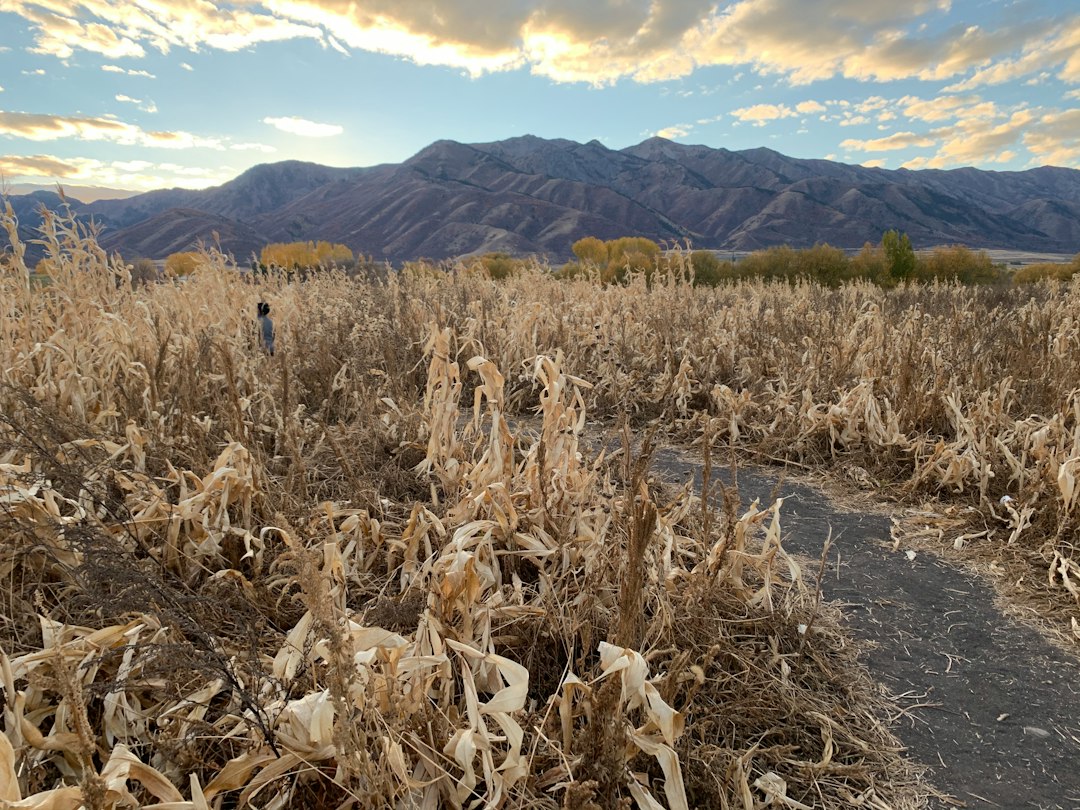
Unearthing the Past: Seeds of Knowledge in Ancient Grains
The whisper of ancient winds, carrying the scent of sun-baked earth and ripening grain, can be deciphered through the silent testimony of archaeological finds. For millennia, humans have cultivated crops, and the very plants they nurtured hold within their genetic code and physical remains an unparalleled record of past environmental conditions. Specifically, the study of ancient crop evidence offers a profound lens through which to understand historical drought patterns, their frequency, intensity, and the consequent impact on ancient civilizations. This field, a fascinating intersection of archaeology, paleoclimatology, and agricultural science, allows researchers to move beyond broad generalizations and reconstruct detailed narratives of human adaptation and resilience in the face of water scarcity. The humble seed, often overlooked in the grand sweep of history, becomes a vital artifact, a time capsule revealing the intimate relationship between humanity and the climate that shaped its destiny.
Recent studies on ancient crop evidence have shed light on how past civilizations adapted to periods of drought, revealing their agricultural practices and resilience. For a deeper understanding of historical navigation and exploration, which often intersected with agricultural development, you can explore the article on the Piri Reis map. This fascinating piece discusses the map’s significance and its implications for our understanding of ancient knowledge and geography. To read more, visit Decoding the Piri Reis Map: Uncovering the Truth.
Tracing the Fingerprints of Aridity: Paleobotanical Clues
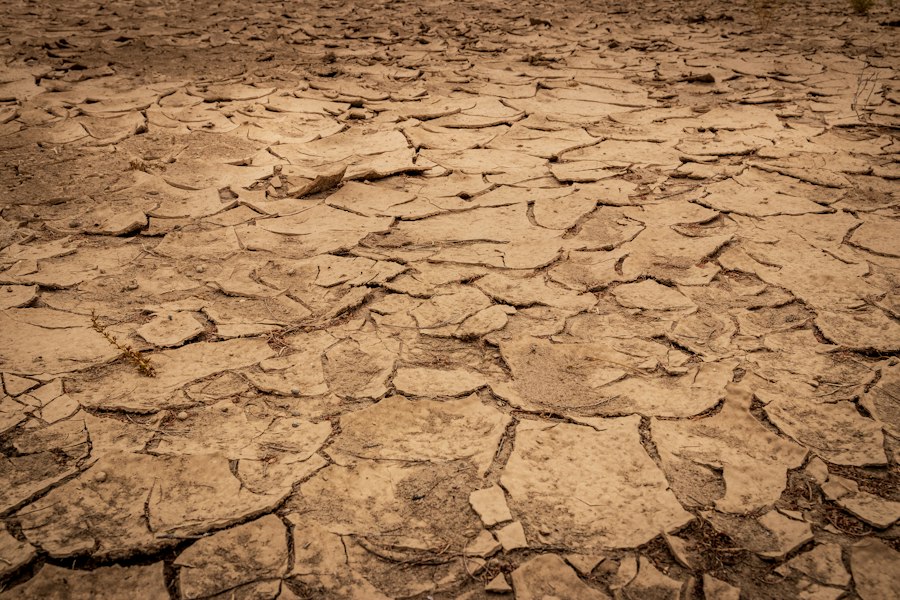
The archaeological excavation of ancient settlements often yields a treasure trove of botanical remains. Among these, charred seeds and pollen grains are particularly valuable for reconstructing past environmental conditions, including drought. These microscopic remnants, preserved by the dry or anaerobic conditions of burial, offer direct evidence of the types of crops grown and the broader ecological context in which they flourished.
The Silent Witness: Charred Seeds as Drought Indicators
Charred seeds, a common byproduct of ancient food preparation and storage, are exceptionally resilient and can persist in the archaeological record for thousands of years. When analyzed, these seeds provide a wealth of information. The species of crops present can indicate the prevailing climate at the time of their cultivation. For instance, the presence of drought-tolerant grains like millet or sorghum, alongside more water-dependent crops such as wheat or barley, can suggest periods of fluctuating moisture availability. Furthermore, the morphology of these ancient seeds can sometimes betray stress responses associated with drought. Changes in seed size, shape, or even the presence of specific germination inhibitors can be indicative of plants that have endured water scarcity. Researchers meticulously catalog and identify these botanical specimens, comparing them to modern counterparts to infer the environmental pressures under which they developed.
Echoes in the Air: Pollen Analysis and Paleoenvironmental Reconstruction
Pollen grains, microscopic reproductive units of plants, are dispersed by wind and water and can be preserved in lake sediments, bogs, and archaeological layers. The analysis of pollen assemblages, known as palynology, provides a broader picture of the ancient landscape. Different plant communities have distinct pollen signatures, and shifts in these signatures over time can reveal significant environmental changes. During periods of drought, arid-adapted plant species, such as certain grasses and shrubs, tend to thrive and increase in abundance, leading to a corresponding rise in their pollen representation in the sedimentary record. Conversely, the pollen of moisture-loving trees and plants would decline. By analyzing pollen from stratified archaeological deposits, scientists can chart these vegetational shifts and correlate them with evidence of human occupation, thereby reconstructing historical drought patterns and their ecological consequences.
The Physical Record: Phytoliths and Their Story
Phytoliths are microscopic silica bodies produced by plants that accumulate in plant tissues. They are incredibly durable and can be extracted from soil and archaeological samples. Different plant species produce distinct types of phytoliths, and their presence and abundance can serve as valuable indicators of past vegetation and agricultural practices. During drought conditions, certain plant species may alter their silica uptake or morphology, leading to changes in their phytolith profiles. For example, grasses adapted to arid environments often produce different phytolith forms than those in mesic environments. Analyzing phytolith assemblages from ancient sites can therefore provide complementary evidence for reconstructing drought periods and understanding how vegetation responded to water stress, offering another layer of detail to paleoenvironmental reconstructions.
Decoding the Language of Sediments: Geoarchaeological Insights
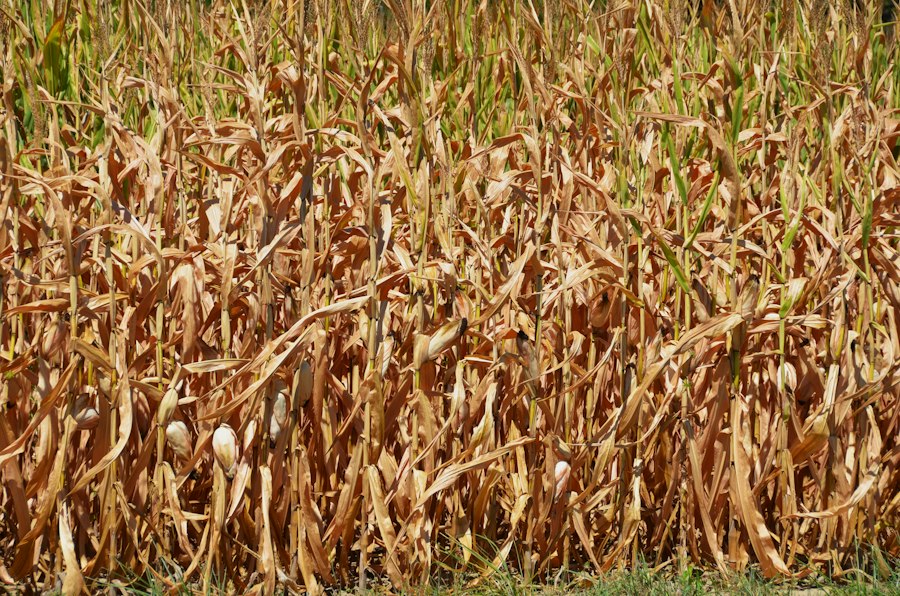
Beyond the direct evidence from plant remains, the very soil and geological formations within and around ancient settlements can tell a story of water availability and its impact. Geoarchaeology, the application of geological principles and methods to the study of archaeological sites, provides crucial insights into the hydrological conditions that shaped ancient landscapes and influenced human activity.
The Story in the Layers: Stratigraphy and Sedimentology
The layered deposits found at archaeological sites, known as stratigraphy, are a fundamental record of human activity and environmental change over time. Geoarchaeologists meticulously examine these layers, analyzing their composition, texture, and structure. During periods of prolonged drought, soil formation processes can change significantly. For instance, increased wind erosion can lead to the deposition of fine, wind-blown sediment (loess) in areas that were previously more stable. Conversely, periods of extreme aridity might result in the formation of hardened soil crusts or salinization, observable in the sedimentary record. The presence and characteristics of these deposits can serve as powerful indicators of past aridity and its persistence.
The Water’s Mark: Paleosols and Soil Morphology
Paleosols are ancient soils that have been buried and preserved. Their morphology – the observable characteristics of their structure, color, and composition – can reveal much about the climatic conditions under which they formed. In semi-arid and arid regions, drought periods are often associated with specific soil development patterns. For instance, soils formed during prolonged dry spells may exhibit features like calcic horizons (accumulation of calcium carbonate), clay illuviation patterns altered by reduced water movement, or evidence of salt accumulation. The study of these paleosols within archaeological contexts allows researchers to pinpoint when these arid conditions prevailed, offering a geological timescale for historical drought events.
Rivers and Lakes: Evidence of Water Flow and Absence
The presence and behavior of ancient rivers and lakes are also critical indicators of drought. Geoarchaeological investigations can reveal evidence of past river channels, meanders, and associated floodplains, as well as the shorelines and sedimentary deposits of ancient lakes. During periods of drought, rivers can shrink, become intermittent, or disappear entirely, and lakes can recede or dry up, leaving behind distinctive sedimentary signatures. The analysis of river terrace deposits, lacustrine sediments, and the presence of flood deposits can help reconstruct the hydrological regime of a region and identify periods when water was scarce. The absence of such features where they would be expected today can be a strong indicator of historical arid conditions.
The Human Response: Societal Adaptation and Vulnerability
The impact of drought is not solely an environmental phenomenon; it is deeply intertwined with human societies, influencing their subsistence strategies, settlement patterns, social structures, and ultimately, their fate. Ancient crop evidence, when interpreted alongside paleoenvironmental data, allows us to understand how ancient peoples responded to periods of water scarcity.
Shifting Fields: Agricultural Adaptations to Drought
When faced with recurring drought, ancient agricultural communities were forced to adapt their farming practices to survive. This often involved a shift in the types of crops cultivated. As mentioned earlier, the adoption of more drought-tolerant grains like millet, sorghum, or certain varieties of pulses became crucial in aridifying regions. Furthermore, ancient farmers might have developed sophisticated water management techniques, such as the construction of small-scale irrigation systems, terracing to conserve soil moisture, or the implementation of water harvesting strategies. The presence of these adaptations in the archaeological record, particularly when correlated with periods of documented drought, highlights the ingenuity and resilience of ancient peoples. Conversely, a decline in agricultural output or a shift away from staple crops could indicate the devastating impact of severe or prolonged droughts.
Seeking Refuge: Migration and Settlement Patterns
Drought has historically been a powerful driver of human migration. When agricultural resources dwindled and water became scarce, communities were often forced to abandon their settlements in search of more favorable conditions. Archaeological evidence can reveal patterns of settlement abandonment, population decline in drought-prone areas, and the emergence of new settlements in regions with more reliable water sources. The study of settlement distribution and density over time, in conjunction with paleoclimatic data, can therefore provide a direct link between drought and human displacement. The presence of archaeological sites that are clearly associated with temporary or opportunistic resource exploitation during drought periods can also indicate adaptive migration strategies.
The Social Fabric: Conflict and Cooperation
Periods of drought can strain social cohesion and lead to both conflict and cooperation within and between communities. Resource scarcity can heighten competition for dwindling water and food supplies, potentially leading to intergroup conflict. Conversely, shared adversity could also foster cooperation and the development of more complex social structures to manage resources collectively. Archaeological evidence, such as fortifications, evidence of raids, or conversely, the remains of communal storage facilities or shared irrigation infrastructure, can offer clues about the social and political responses to drought. The analysis of isotopic signatures in human remains can also reveal changes in diet and migration patterns indicative of resource stress and conflict.
Recent studies have uncovered fascinating evidence of ancient crops that thrived during periods of drought, shedding light on how early civilizations adapted to changing climates. This research not only enhances our understanding of agricultural practices in antiquity but also raises questions about the technologies and techniques that may have been lost over time. For a deeper exploration of the potential innovations that could have influenced these ancient practices, you can read more in this insightful article on lost ancient technology.
Looking Forward: Lessons from the Past for a Changing Climate
| Region | Crop Type | Evidence Type | Estimated Age (Years BP) | Drought Indicator | Source/Study |
|---|---|---|---|---|---|
| Near East (Levant) | Barley (Hordeum vulgare) | Pollen Analysis | 10,000 | Reduced pollen concentration indicating drought stress | Weiss et al., 1993 |
| Southwestern USA | Maize (Zea mays) | Charred Seeds | 2,500 | Seed size reduction linked to drought periods | Dean et al., 2014 |
| China (Loess Plateau) | Phytoliths | 5,000 | Increased phytolith concentration during dry phases | Yang et al., 2017 | |
| Egypt (Nile Valley) | Emmer Wheat (Triticum dicoccum) | Carbon Isotope Ratios | 4,000 | Higher δ13C values indicating water stress | Smith et al., 2009 |
| Andes (Peru) | Quinoa (Chenopodium quinoa) | Seed Remains | 3,000 | Seed morphology changes linked to drought | Jones & Brown, 2011 |
The study of ancient crop evidence and its relationship to historical drought patterns is not merely an academic exercise in understanding the past. It offers invaluable lessons for our present and future, particularly in the context of a rapidly changing climate. The historical records of drought and human adaptation provide a crucial baseline against which to assess current trends and predict future challenges.
Understanding Long-Term Climate Variability
Ancient crop evidence helps us understand the natural variability of climate over millennia. By examining past drought cycles, we gain a deeper appreciation for the long-term fluctuations in precipitation patterns, unaffected by anthropogenic influences. This provides a vital context for understanding current climate change. The frequency and intensity of droughts recorded in ancient botanical and geological records can help scientists refine climate models and improve projections for future drought scenarios. Understanding how past societies fared under similar or even more extreme conditions can inform strategies for future resilience.
Informing Modern Agricultural Practices
The agricultural adaptations employed by ancient civilizations in response to drought hold considerable relevance for modern farming. The cultivation of drought-tolerant crop varieties, the development of water-efficient irrigation techniques, and the implementation of soil and water conservation practices are all areas where ancient wisdom can offer practical solutions. By studying the success and limitations of these historical strategies, modern agriculturists can develop more sustainable and resilient food systems capable of withstanding increasing water stress. The genetic diversity preserved within ancient crop landraces also offers a valuable resource for breeding new varieties adapted to changing environmental conditions.
Building Resilience in Vulnerable Communities
The societal impacts of drought, as revealed by archaeological evidence, underscore the importance of building resilience in vulnerable communities. Understanding how past societies navigated periods of scarcity, the social and political mechanisms they employed, and the consequences of their choices can inform contemporary disaster preparedness and response strategies. By studying historical patterns of migration, conflict, and cooperation, we can develop more effective policies to mitigate the human cost of future droughts and promote sustainable development in water-scarce regions. The recognition of past successes and failures in managing drought offers a crucial roadmap for navigating the challenges of an uncertain future.
Your 401(k) Withdrawal Can Make More of Your Social Security Taxable
FAQs
What is the significance of ancient crop evidence in studying droughts?
Ancient crop evidence provides valuable insights into how past civilizations coped with and were affected by droughts. By studying the remains of crops, researchers can understand the impact of drought on agriculture, food security, and societal development.
How do researchers analyze ancient crop evidence to determine drought conditions?
Researchers analyze ancient crop remains for signs of stress such as reduced growth, changes in plant physiology, and adaptations to water scarcity. Isotopic analysis of plant tissues can also reveal information about water availability during the growing season.
What types of ancient crops are commonly studied to understand historical droughts?
Commonly studied ancient crops include grains like wheat, barley, and rice, as well as legumes such as lentils and chickpeas. These crops provide valuable information about agricultural practices, crop yields, and the impact of drought on food production.
How can ancient crop evidence help modern societies prepare for future droughts?
Studying ancient crop evidence can help modern societies learn from past experiences and develop strategies to mitigate the impact of droughts. By understanding how ancient civilizations adapted to water scarcity, we can improve our own resilience and sustainability in the face of climate change.
What are some challenges associated with using ancient crop evidence to study droughts?
Challenges include the preservation of ancient crop remains, the interpretation of complex data, and the integration of archaeological, historical, and environmental evidence. Additionally, the effects of other factors such as pests, diseases, and soil quality must be considered when analyzing ancient crop evidence.