The Silent Storytellers: Unlocking Time Through Tree Rings
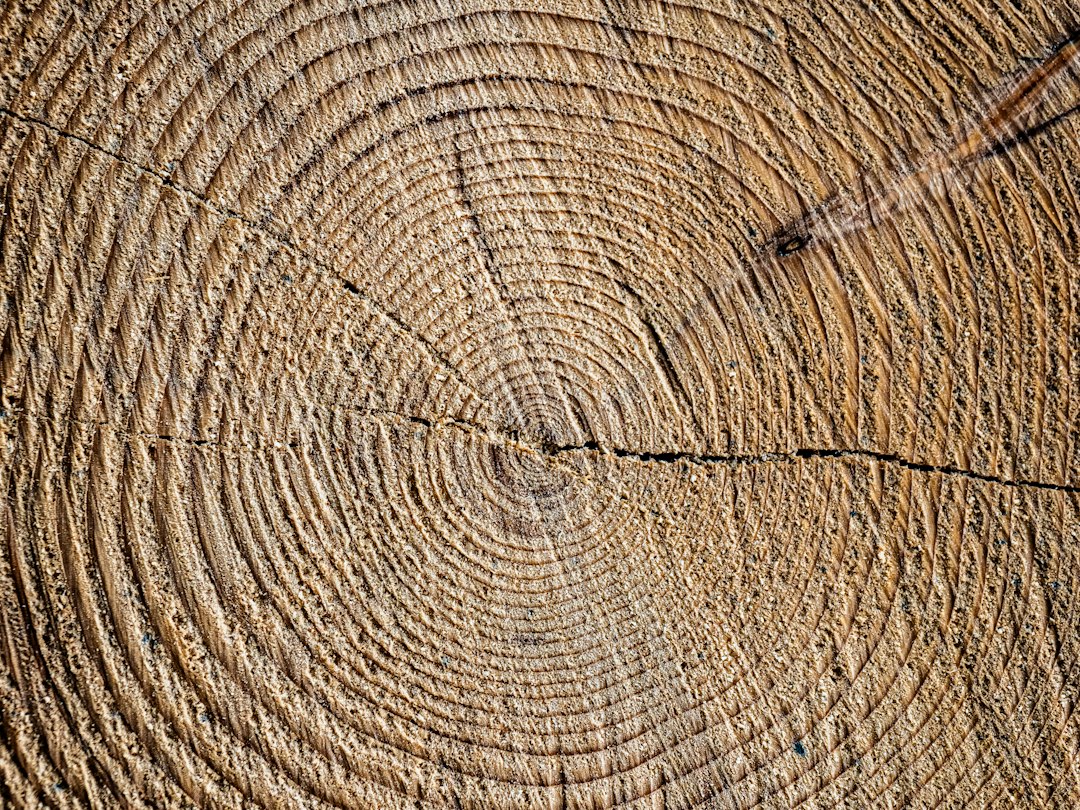
Trees, in their stoic silence, stand as living archives of history. Their growth, a slow and deliberate process, is meticulously recorded in the annual rings that encircle their trunks. These rings, often overlooked by the casual observer, are far more than just a visual indicator of a tree’s age. They are a sophisticated natural record, a dendrochronological diary that, when properly interpreted, can reveal a wealth of information about past environmental conditions, climate patterns, and even human events. For the scientist, the dendrochronologist, each ring is a page, offering insights into a past that would otherwise remain obscured.
Tree rings, also known as dendrochronology, provide a fascinating method for dating historical events and understanding climate patterns over centuries. Each ring represents a year of growth, with variations in width indicating environmental conditions such as rainfall and temperature. For those interested in how economic factors can influence personal finances, a related article discusses the impacts of depression on bank accounts and financial stability. You can read more about this topic in the article available at Surviving a Depression: What Happens to Your Bank Accounts?.
The Mechanics of Memory: How Trees Record Time
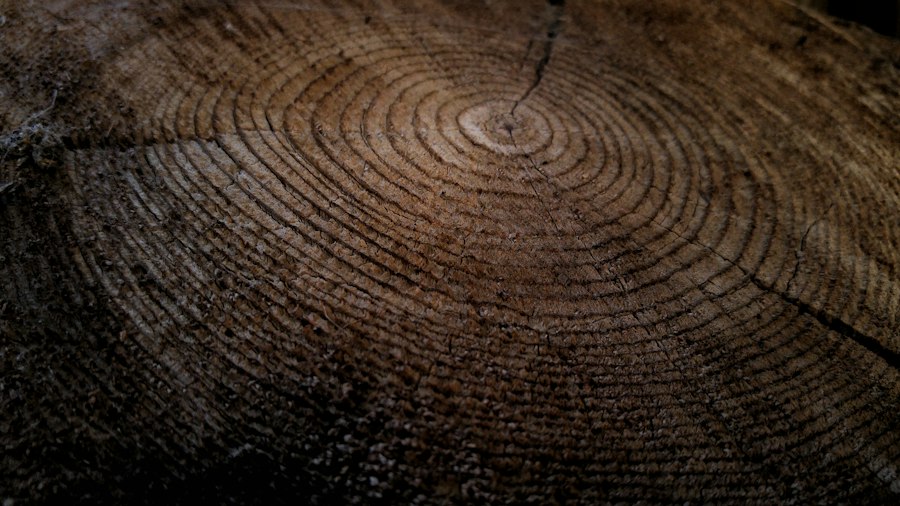
The formation of tree rings is a fascinating interplay of biology and environment. In temperate climates, trees typically exhibit distinct annual growth patterns. During the spring and early summer, when water and sunlight are abundant, cells divide rapidly, producing large, thin-walled cells. This produces the lighter-colored, wider band of wood known as earlywood. As the growing season progresses into late summer and autumn, growth slows. The cells produced are smaller, thicker-walled, and more densely packed, creating the darker, narrower band of latewood. The boundary between the latewood of one year and the earlywood of the next marks the definitive separation of an annual ring.
The Influence of Climate on Ring Width
The width of these annual rings is not uniform; it is a direct reflection of the prevailing environmental conditions during the growing season. Abundant rainfall, sufficient sunlight, and favorable temperatures generally lead to wider rings, indicating robust growth. Conversely, periods of drought, extreme cold, disease, or insect infestation can restrict growth, resulting in narrower rings. These variations in width act as a proxy for past climate. By analyzing the pattern of wide and narrow rings in a tree core, dendrochronologists can reconstruct a detailed history of annual precipitation, temperature fluctuations, and even the frequency of extreme weather events.
Beyond Width: Other Ring Characteristics
While ring width is the most commonly analyzed characteristic, dendrochronologists also examine other features within the rings. The density of the wood, the size and shape of individual cells, and the presence of anomalies like false rings (partial growth bands within a single year) or missing rings (periods of no measurable growth) can provide further clues. For example, variations in wood density can correlate with temperature, offering a complementary climate proxy. The study of these subtle variations allows for a more nuanced understanding of past environmental dynamics.
Building a Timeline: The Art of Cross-Dating

The true power of dendrochronology lies in its ability to create chronologies that extend far beyond the lifespan of a single tree. This is achieved through a technique called cross-dating. Dendrochronologists meticulously compare the ring patterns of multiple trees from the same region. By identifying matching sequences of wide and narrow rings – the “fingerprints” of specific climatic years – they can establish a precise chronological order for each tree. This process is akin to assembling a complex jigsaw puzzle, where each tree provides a unique piece of the temporal landscape.
Extending the Chronology Backwards and Forwards
Cross-dating allows for the extension of chronologies both backward and forward in time. By matching the living trees to dead trees (logs, beams from old structures, stumps), the timeline can be pushed back centuries, even millennia. Similarly, by comparing the patterns of living trees with established, long-term chronologies, the age of recently felled trees can be accurately determined. This creates a continuous, unbroken record of time, anchored by the biological rhythms of trees.
The Importance of Master Chronologies
The development of comprehensive “master chronologies” for various regions is a cornerstone of dendrochronological research. These master chronologies represent the composite, average ring-width patterns of numerous trees, effectively smoothing out individual tree variations and highlighting the dominant regional climate signals. They serve as invaluable reference tools, allowing for the dating of archaeological artifacts, historical timbers, and even geological events that have left their mark on the forest.
Unveiling the Past: Applications of Dendrochronology
The ability to accurately date wood and reconstruct past environmental conditions makes dendrochronology a remarkably versatile scientific tool with applications across a diverse range of disciplines. From archaeology to climate science and even forensic investigations, the silent stories etched in tree rings offer invaluable insights.
Dating Archaeological Sites and Artifacts
One of the most significant applications of dendrochronology is in the dating of archaeological sites and artifacts. When wooden objects, structural timbers, or even charcoal from ancient hearths are found, dendrochronology can provide precise dates for their origin. By cross-dating the wood samples with established master chronologies, archaeologists can determine when a settlement was occupied, when a structure was built or destroyed, and the timing of past human activities. This has revolutionized our understanding of prehistoric and historical periods, moving beyond assumptions and providing concrete chronological frameworks. For instance, the dating of ancient bristlecone pine rings has provided the longest continuous tree-ring record, stretching back over 10,000 years.
Reconstructing Past Climates and Environmental Change
Dendrochronology is a powerful tool for reconstructing past climates, a crucial endeavor in understanding contemporary climate change. By analyzing the ring patterns of trees, scientists can generate detailed records of past temperature, precipitation, and drought severity. These reconstructions can span centuries and even millennia, providing a vital baseline against which current climate trends can be compared. The study of tree rings has revealed recurring patterns of drought, such as the well-documented megadroughts in the American West, and has helped to contextualize the unprecedented nature of recent warming. This information is invaluable for developing effective climate models and predicting future climate scenarios.
Applications in Ecology and Forest Management
Beyond historical and climatic studies, dendrochronology also plays a vital role in ecology and forest management. By examining ring patterns, scientists can study the impact of past environmental disturbances, such as fires, insect outbreaks, and logging. This information helps in understanding forest dynamics, resilience, and the long-term effects of ecological events. For forest managers, dendrochronological data can inform sustainable harvesting practices, predict susceptibility to future disturbances, and guide reforestation efforts. The analysis of tree ring characteristics can also reveal information about competition between trees for resources and the impact of pollution on forest health.
Forensic Dendrochronology and Provenance Studies
In recent years, dendrochronology has found its way into the realm of forensic science. Wooden objects found at crime scenes, or those suspected of being stolen or illegally trafficked, can be dated using tree rings. By comparing the ring patterns to regional master chronologies, the origin and approximate felling date of the wood can be determined, potentially linking suspects to locations or providing crucial timelines. Furthermore, dendrochronology can be used in provenance studies, helping to establish the origin of historical artifacts or valuable timber, thus aiding in the fight against illegal logging and the authentication of cultural heritage.
Tree rings serve as a fascinating natural archive, allowing scientists to date historical events and understand past climates. By examining the width and density of these rings, researchers can piece together timelines that reveal information about environmental changes and even human activities. For those interested in how ancient civilizations navigated their world, a related article explores this theme in depth, shedding light on the intricate methods used by early navigators. You can read more about this intriguing topic in the article unraveling the ancient navigation mystery.
The Limitations and Future of Dendrochronology
| Metric | Description | Example/Value |
|---|---|---|
| Ring Width | Measurement of the thickness of each annual ring, indicating growth conditions | 1-5 mm per year |
| Ring Count | Number of rings counted from the bark to the pith, representing the tree’s age | Up to 5000 rings (oldest trees) |
| Crossdating Accuracy | Matching ring patterns between trees to ensure correct dating | ±1 year |
| Carbon-14 Dating Correlation | Using radiocarbon dating to verify tree ring dates | High correlation with ring counts |
| Climate Indicators | Ring characteristics used to infer past climate conditions | Temperature, precipitation patterns |
| Sample Size | Number of tree samples used to build a chronology | Typically 20-100 samples per region |
While dendrochronology is an incredibly powerful and precise scientific method, it is not without its limitations. Understanding these constraints is essential for the accurate interpretation of its findings and for guiding future research directions.
Geographical and Species Limitations
The most fundamental limitation of dendrochronology is its reliance on trees that exhibit clear annual growth rings. This is primarily found in temperate and boreal regions. Tropical trees, which often experience less distinct seasonal variations, may not produce clear annual rings, making them less suitable for standard dendrochronological analysis. Furthermore, not all tree species are equally responsive to climate variations; some species may have growth patterns that are less sensitive to specific environmental factors, requiring careful selection of study subjects.
Challenges in Data Interpretation and Calibration
Accurate dating and climate reconstruction depend heavily on the quality of the master chronologies and the careful calibration of tree-ring data with instrumental climate records. Establishing robust master chronologies requires extensive fieldwork, sample collection, and meticulous cross-dating. In regions with sparse historical data or significant environmental disturbances, building long and reliable chronologies can be challenging. Moreover, the relationship between ring width and climate can be complex, influenced by multiple factors, and may change over time, requiring sophisticated statistical methods for accurate interpretation.
Advancements and Emerging Technologies
Despite these challenges, the field of dendrochronology is continuously evolving with advancements in technology and analytical techniques. High-resolution imaging and laser scanning are improving the precision of ring measurements. The integration of dendrochronological data with other paleoclimate proxies, such as ice cores and sediment records, is providing a more comprehensive understanding of past climate dynamics. Furthermore, advancements in isotope analysis of tree rings are opening new avenues for reconstructing past temperatures, rainfall sources, and atmospheric conditions with even greater detail. The future of dendrochronology holds the promise of even deeper insights into Earth’s past, contributing significantly to our understanding of environmental change and its implications for the future.
Your 401(k) Withdrawal Can Make More of Your Social Security Taxable
FAQs
1. How do tree rings help in dating history?
Tree rings, also known as dendrochronology, provide a timeline of past events by examining the patterns of growth rings in trees. Each ring represents a year of growth, allowing scientists to determine the age of the tree and the environmental conditions during each year.
2. What information can be gathered from tree rings?
Tree rings can provide valuable information such as the age of the tree, past climate conditions, natural disasters like droughts or fires, and even human activities like deforestation or construction. By analyzing tree rings, researchers can create a detailed timeline of events in a specific region.
3. How accurate is tree ring dating?
Tree ring dating is considered one of the most accurate methods for dating historical events. The annual growth rings in trees provide a precise record of each year, allowing researchers to date events with a high degree of accuracy. However, the method’s accuracy can vary depending on the quality of the samples and the region being studied.
4. Can tree rings be used to date artifacts?
Tree rings can be used to date wooden artifacts by matching the growth ring patterns of the artifact with those of trees from the same region. This method, known as cross-dating, allows researchers to determine the age of wooden objects such as furniture, buildings, or tools with a high level of precision.
5. What are some limitations of tree ring dating?
While tree ring dating is a powerful tool for dating historical events, it has some limitations. For example, not all trees produce distinct annual rings, and certain environmental factors can affect the growth patterns of trees. Additionally, the availability of suitable tree ring samples in some regions can limit the accuracy of dating events in those areas.