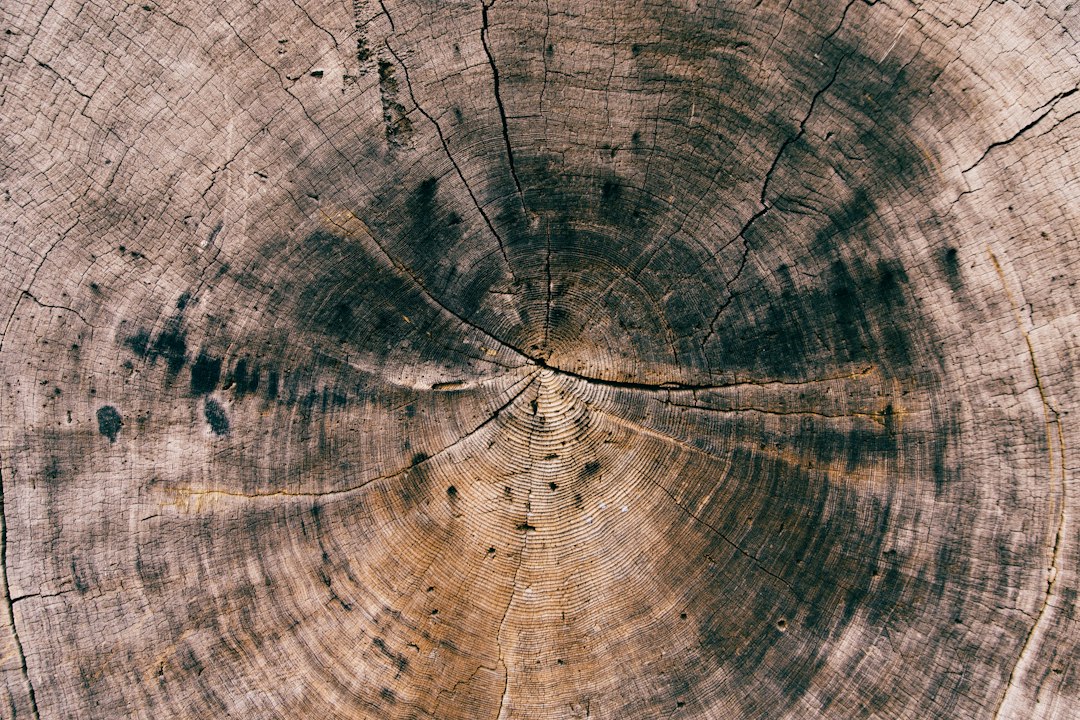
The silent sentinels of the forest, trees, have long held a hidden library within their very being. For millennia, these arboreal chroniclers have meticulously recorded the passage of time and the vicissitudes of climate through the growth of their annual rings. This remarkable archive, accessible through dendrochronology – the science of dating tree rings – offers invaluable insights into past environmental conditions, particularly revealing ancient drought patterns and their profound impact on ecosystems and human societies. By carefully analyzing the width and characteristics of these rings, scientists can reconstruct historical climates with remarkable precision, providing a vital perspective on long-term climatic trends and the potential consequences of future changes.
Unlocking the Secrets Within: The Science of Dendrochronology
Dendrochronology, a field that bridges the disciplines of botany, geology, and climatology, relies on the fundamental principle that trees grow a new layer of wood each year. In temperate regions, this growth is typically characterized by two distinct types of wood: earlywood, which is lighter and wider, formed during the rapid growth of spring, and latewood, which is darker and denser, produced during the slower growth of summer and fall. The contrast between the latewood of one year and the earlywood of the next creates a visible boundary, forming the annual ring. The width of this ring is directly influenced by the availability of resources, primarily water and sunlight, during the growing season.
The Anatomy of a Tree Ring
Each tree ring is a miniature record of a single year. The thickness of the earlywood is primarily dictated by the amount of water available in the spring, while the overall width of the ring reflects the total photosynthetic activity during the growing season, which is influenced by both water and sunlight. Wider rings generally indicate favorable growing conditions, characterized by ample rainfall and sufficient sunlight. Conversely, narrow rings are a telltale sign of stress, often caused by drought, disease, insect infestation, or other environmental challenges that limited growth.
Crossdating: The Key to Accurate Dating
A crucial technique in dendrochronology is crossdating. This method involves comparing the ring patterns of multiple trees from the same region. Even with variations in individual tree growth due to competition or localized site conditions, the broad patterns of wide and narrow rings created by regional climatic events, such as widespread droughts or periods of abundant rainfall, will be evident across many trees. By identifying these common patterns, dendrochronologists can synchronize the ring sequences from different trees, even those with missing rings or false rings (bands formed within a single year due to unusual weather patterns). This crossdating process allows for the precise dating of every ring, creating a robust and continuous chronological record that can extend back thousands of years.
Sample Collection and Preparation
To extract this vital information, dendrochronologists employ non-destructive or minimally destructive sampling methods. The most common technique involves using an increment borer, a specialized tool that extracts a pencil-thin core sample from the tree without causing significant harm. These cores are then carefully mounted and sanded to reveal the fine details of the annual rings. For older wood, such as preserved timbers from archaeological sites or fossilized trees, larger cross-sections or fragments may be used. Once prepared, the ring widths are meticulously measured, often using specialized computer software that can detect subtle variations invisible to the naked eye.
Recent studies have highlighted the significance of tree ring evidence in understanding ancient drought conditions, shedding light on how climate variability has influenced historical societies. For a deeper exploration of how environmental factors, including drought, can impact societal structures and political landscapes, you may find the article on political fragmentation insightful. It discusses the interplay between environmental stressors and governance, which can be related to the findings from tree ring studies. You can read more about this topic in the article here: The Impact of Political Fragmentation.
Reconstructing Ancient Droughts: Whispers from the Past
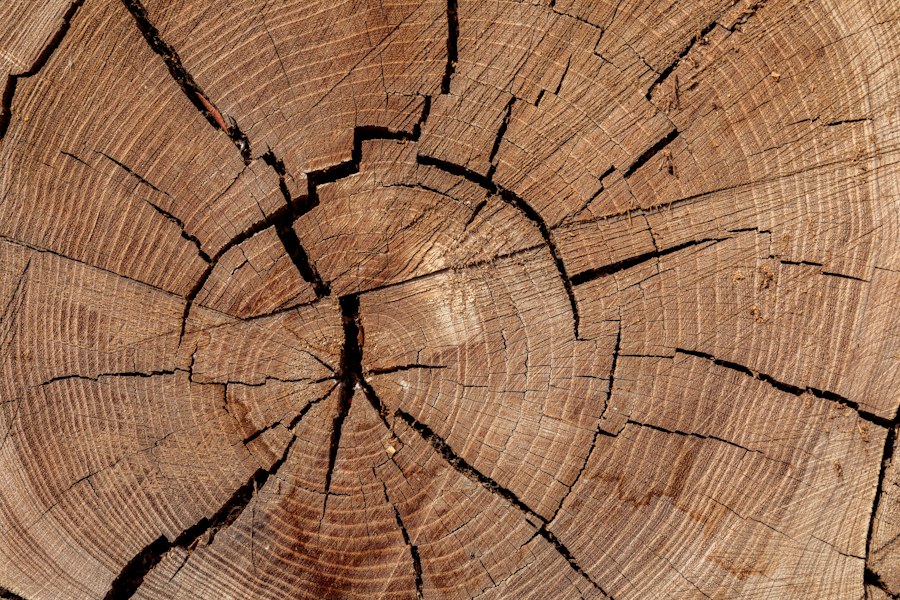
The most compelling application of dendrochronology lies in its ability to reconstruct past climate, particularly drought. By analyzing the patterns of narrow rings over extended periods, scientists can identify periods of prolonged dryness that would have significantly impacted the environment and any life that depended upon it. These reconstructions are invaluable for understanding the natural variability of Earth’s climate system and for setting historical context for contemporary climate change.
Identifying Drought Signatures in Tree Rings
Droughts leave a distinct signature in tree rings. During periods of water scarcity, trees are forced to conserve resources. This leads to reduced cell production, resulting in narrower rings. In extreme drought conditions, some trees may even cease growth altogether for a year, resulting in a missing ring. Conversely, exceptionally wet periods will be marked by unusually wide rings. By meticulously measuring the width of each annual ring and comparing it to the average width for that species and region, dendrochronologists can quantify the severity and duration of past droughts.
Spatial and Temporal Resolution of Drought Records
The spatial resolution of dendrochronological drought reconstructions depends on the availability of suitable tree-ring data. Regions with extensive old-growth forests and well-preserved wood samples can yield high-resolution records, allowing for the reconstruction of drought patterns at a decadal or even annual scale. Multiple chronologies from different locations within a region can be combined to create a more comprehensive picture of regional drought variability. The temporal resolution is limited by the age of the oldest living trees or preserved wood samples. However, some chronologies, particularly those from arid environments or those using very old wood, can extend back several millennia, providing invaluable insights into long-term drought cycles.
Beyond Ring Width: Isotopic Analysis and Other Proxies
While ring width is the primary indicator of drought, other characteristics within the tree ring can provide additional information. Isotopic analysis, for instance, examines the ratios of different isotopes of elements like oxygen and carbon within the wood. These ratios can be influenced by the amount of water transpired by the tree, offering further clues about moisture availability. Other proxies, such as tree stem density or resin duct formation, can also contribute to a more nuanced understanding of past drought conditions and their physiological impact on trees.
Climate Impacts on Ecosystems: A History of Resilience and Vulnerability
Ancient drought patterns, as revealed by tree rings, paint a vivid picture of their profound impact on terrestrial ecosystems. These periods of water scarcity have shaped the composition, structure, and dynamics of forests and grasslands for millennia, influencing everything from plant community structure to animal populations. Understanding these historical impacts is crucial for predicting how modern ecosystems will respond to future climate change.
Vegetation Shifts and Species Distribution
Prolonged droughts can lead to significant shifts in vegetation composition. Drought-tolerant species, such as certain grasses and shrubs, may thrive and expand their range, while more water-dependent species, like many broadleaf trees, may struggle to survive and reproduce. This can fundamentally alter the structure of an ecosystem, transforming dense forests into savannas or grasslands. Tree-ring records can document these shifts by showing changes in the dominance of different tree species over time, often correlated with periods of drought or increased moisture.
Fire Regimes and Their Evolution
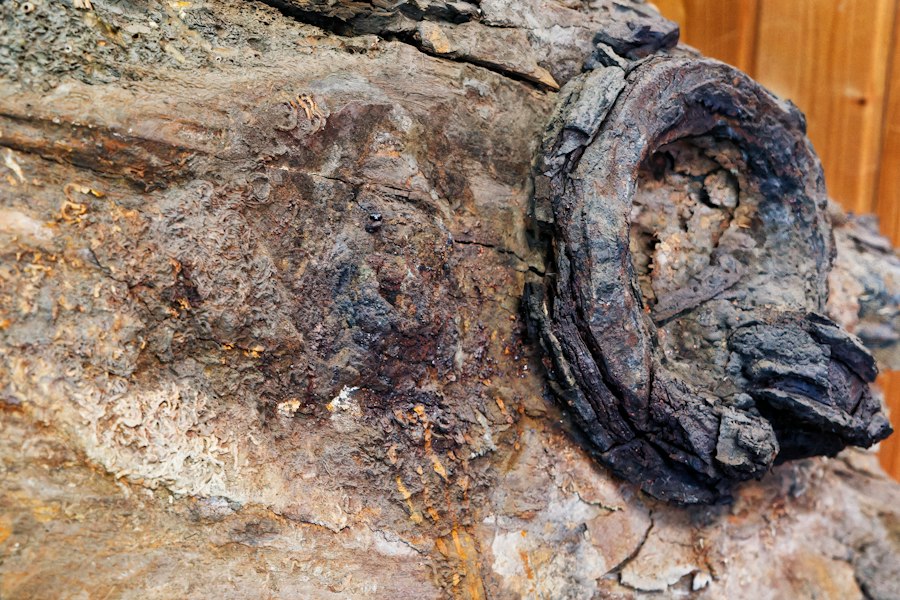
Droughts are a significant driver of increased wildfire activity. Dry vegetation becomes highly flammable, and prolonged dry spells can create conditions ripe for widespread and intense fires. Tree rings can provide evidence of past fire events through the presence of fire scars – characteristic marks left on the wood when a fire burns the bark and damages the cambium. By dating these scars and correlating them with drought periods indicated by narrow rings, dendrochronologists can reconstruct historical fire regimes and understand how droughts have influenced the frequency, intensity, and spatial extent of wildfires throughout history.
Impact on Wildlife and Food Webs
The health and distribution of animal populations are intimately linked to the availability of water and the vegetation that sustains them. Droughts can lead to reduced food sources, such as seeds, fruits, and grasses, and can also deplete water sources necessary for survival. This can result in population declines, altered migration patterns, and increased competition for limited resources. While tree rings don’t directly record animal populations, they provide the climatic context that would have shaped these populations, allowing scientists to infer the impact of drought on wildlife.
Human Civilizations and the Shadow of Drought
The consequences of ancient droughts have extended far beyond the natural world, profoundly influencing the development and decline of human civilizations. Societies that depended on rain-fed agriculture or natural water sources were particularly vulnerable to periods of extended dryness, often leading to resource scarcity, social unrest, and even the collapse of complex societies. Tree-ring evidence has provided compelling insights into these historical connections.
Agricultural Vulnerability and Societal Collapse
Many ancient civilizations, from the Maya to the Ancestral Puebloans, were heavily reliant on predictable rainfall for their agricultural success. Dendrochronological studies have revealed that severe and prolonged droughts coincided with periods of societal stress and decline for these cultures. For example, research in the Maya lowlands has shown that major droughts occurred during periods of political instability and the abandonment of major cities, suggesting that climate-induced resource scarcity played a significant role in their collapse. Similarly, tree-ring records from the American Southwest have linked periods of intense drought to the decline of Ancestral Puebloan settlements.
Migration Patterns and Resource Conflicts
When drought decimates agricultural yields and water sources, populations are often forced to migrate in search of more favorable conditions. These migrations can lead to increased competition for resources in new areas, potentially igniting conflicts between different groups. Tree-ring data can help document these periods of environmental stress that might have triggered large-scale human movements. By correlating periods of extreme drought with archaeological evidence of migration or increased conflict, researchers can reconstruct the complex interplay between climate and human history.
Adapting to Aridity: Ancient Innovations and Strategies
While drought could be devastating, it also spurred innovation and adaptation. Societies living in arid or semi-arid regions developed sophisticated water management techniques, such as irrigation systems, reservoirs, and rainwater harvesting. Tree-ring records can sometimes provide clues about the development and effectiveness of these strategies. For instance, the presence of unusually wide rings following a period of drought might indicate the successful implementation of new water management technologies that allowed for continued growth. Conversely, persistent narrow rings despite the presumed efforts to manage water might suggest the limitations of these ancient technologies in the face of extreme climate variability.
Recent studies have highlighted the significance of tree ring evidence in understanding ancient drought patterns, revealing how climate fluctuations have impacted ecosystems over centuries. This research not only sheds light on historical weather events but also informs current climate models. For a deeper exploration of how environmental factors influence various domains, you can read about the implications of lunar defense initiatives in this related article on lunar defense.
Lessons for the Future: Climate Change and Predictive Modeling
| Year Range | Region | Tree Species | Drought Severity Index | Estimated Precipitation (mm/year) | Notable Findings |
|---|---|---|---|---|---|
| 800-1200 AD | Southwestern USA | Ponderosa Pine | -2.5 (Severe Drought) | 250 | Prolonged drought linked to Ancestral Puebloan societal changes |
| 1500-1700 AD | Central Europe | Oak | -1.8 (Moderate Drought) | 400 | Reduced growth rings indicating dry summers |
| 1000-1300 AD | East Africa | Juniper | -3.0 (Extreme Drought) | 200 | Severe drought periods coinciding with historical famines |
| 500-800 AD | China (Loess Plateau) | Chinese Pine | -2.0 (Severe Drought) | 300 | Evidence of drought impacting ancient agricultural practices |
| 1200-1400 AD | Australia (Southeast) | River Red Gum | -2.3 (Severe Drought) | 280 | Drought periods correlated with Indigenous oral histories |
The ancient drought patterns revealed by tree rings are not merely historical curiosities. They offer a vital baseline for understanding the natural variability of Earth’s climate and provide crucial data for developing more accurate predictive models of future climate change. By studying how past societies and ecosystems responded to drought, we can gain valuable insights into how modern systems might fare under similar, and potentially more extreme, conditions.
Validating Climate Models
Climate models are sophisticated tools used to simulate Earth’s climate system and project future changes. However, these models are only as good as the data they are trained on. Tree-ring reconstructions of past climate, including detailed drought histories, provide invaluable real-world data for validating and refining these models. By comparing the model’s output for past periods with the actual climate record preserved in tree rings, scientists can assess the accuracy of the model’s predictions and identify areas for improvement. This iterative process of validation is crucial for building confidence in future climate projections.
Understanding the Scale and Frequency of Extreme Events
Tree-ring records allow us to place current climate trends within a much longer historical context. They reveal that extreme drought events, while potentially devastating, have occurred naturally throughout Earth’s history. However, current scientific consensus suggests that human-induced climate change is exacerbating the frequency and intensity of many extreme weather events, including droughts. By comparing the severity and duration of modern droughts with those reconstructed from tree rings, scientists can better understand the magnitude of human influence on current climatic patterns.
Informing Adaptation and Mitigation Strategies
The historical lessons learned from the impact of ancient droughts on ecosystems and human societies are directly relevant to contemporary challenges. Understanding the vulnerabilities of different regions and societies to drought, as evidenced by past collapses and migrations, can inform the development of effective adaptation strategies. This includes investing in resilient agricultural practices, improving water management infrastructure, and developing early warning systems for drought. Furthermore, the long-term perspective provided by tree rings underscores the urgency of mitigation efforts to reduce greenhouse gas emissions and limit the extent of future climate change, thereby reducing the likelihood of even more severe and prolonged droughts in the future. The silent narratives held within tree rings are a powerful reminder of our planet’s dynamic climate history and a critical guide for navigating the challenges of a changing world.
Your 401(k) Withdrawal Can Make More of Your Social Security Taxable
FAQs
What is tree ring evidence of ancient drought?
Tree ring evidence of ancient drought refers to the study of tree rings to determine past periods of drought. During times of drought, trees grow more slowly, resulting in narrower rings. By analyzing the width of tree rings in ancient wood samples, scientists can identify periods of drought in the past.
How do scientists use tree rings to study ancient droughts?
Scientists use a method called dendrochronology to study tree rings and determine past climate conditions. By examining the width, density, and chemical composition of tree rings, researchers can reconstruct past climate patterns, including periods of drought.
What can tree ring evidence tell us about ancient droughts?
Tree ring evidence can provide valuable information about the frequency, duration, and intensity of ancient droughts. By studying tree rings from different regions and species, scientists can gain insights into past climate variability and better understand the impact of droughts on ecosystems and civilizations.
How far back in time can tree ring evidence of ancient droughts be studied?
Tree ring evidence of ancient droughts can be studied over thousands of years. Some tree species, such as bristlecone pines, can live for thousands of years, allowing scientists to analyze tree rings dating back to ancient times. This long-term perspective helps researchers track climate variations and drought patterns over millennia.
What are some of the implications of tree ring evidence of ancient droughts for modern climate research?
Tree ring evidence of ancient droughts can provide important insights for modern climate research and help improve our understanding of current and future climate change. By studying past droughts, scientists can better predict future drought patterns, assess the impact of climate change on water resources, and develop strategies to mitigate the effects of droughts on society and the environment.