The Bronze Age Collapse Documentary: Unraveling Ancient Civilization’s Fall
The late Bronze Age, a period characterized by interconnected civilizations, flourishing trade networks, and monumental achievements, met a sudden and catastrophic end around 1200 BCE. From the Mediterranean to the Near East, empires that had stood for centuries crumbled, cities were abandoned, and established societal structures dissolved. For generations, scholars have grappled with the mystery of this widespread decline, proposing a multitude of theories ranging from climate change and invasion to internal rebellion and systemic collapse. A compelling new documentary, “Bronze Age Collapse: Echoes of the End,” dives deep into this enigmatic period, employing cutting-edge archaeological evidence, historical analysis, and compelling storytelling to present a nuanced and multifaceted understanding of why this once-vibrant era came to such a dramatic halt. The film eschews simplistic explanations, instead weaving together a complex tapestry of interacting factors that likely contributed to the downfall of what was, in many ways, the ancient world’s first globalized civilization.
The Dawn of Interconnectivity: A World of Bronze
The documentary opens by painting a vivid picture of the Bronze Age world at its zenith. It meticulously details the sophistication of societies like the Mycenaean Greeks, the Hittite Empire, the Egyptians of the New Kingdom, and the burgeoning powers in Mesopotamia and the Levant. These were not isolated kingdoms but rather part of a complex web of diplomacy, trade, and cultural exchange. The very foundation of this era, bronze, a metal alloy requiring tin and copper, necessitated extensive long-distance trade routes. Tin mines were often located far from copper sources, forcing communities to interact and develop elaborate systems of exchange to acquire the raw materials for weapons, tools, and ornaments that defined their technological prowess.
The Pillars of Bronze Age Society
“Echoes of the End” illustrates the fundamental building blocks that supported these advanced civilizations. The film highlights the role of centralized monarchies, often wielding immense power and controlling vast resources. Palatial economies, characterized by large administrative centers that managed agricultural surplus, artisan production, and tribute, were the norm. The documentary showcases intricate depictions of elite lifestyles, military might, and religious practices, demonstrating the cultural achievements that characterized the period. The script of the Linear B tablets, found in Mycenaean palaces, reveals a highly organized bureaucracy focused on administration and inventory. Similarly, Hittite cuneiform texts offer insights into their legal codes, diplomacy, and military campaigns. Egyptian hieroglyphs from this period adorn monumental tombs and temples, testament to their artistic and spiritual achievements.
The arteries of Trade and Diplomacy
Central to the film’s argument is the intricate network of trade that bound the Bronze Age world together. It explores the flow of goods, from precious metals and luxury items to staple commodities, across vast distances. The documentary uses animated maps and archaeological finds – such as Egyptian scarabs found in Mycenaean tombs or Mesopotamian cylinder seals discovered in Crete – to illustrate the reach and depth of these connections. The importance of maritime trade routes, particularly across the Mediterranean, is emphasized, with evidence of shipwrecks revealing the types of cargo transported and the routes taken. The film suggests that this interconnectedness, while a source of strength and prosperity, also represented a critical vulnerability, a point that becomes increasingly apparent as the narrative progresses.
The Bronze Age Collapse remains one of the most intriguing periods in ancient history, characterized by the sudden decline of several advanced civilizations around the Mediterranean. For those interested in exploring more about historical mysteries, a related article titled “Uncovering the Secret History of Antarctica” delves into the enigmatic past of one of the world’s most remote continents and its potential connections to ancient civilizations. You can read more about it by following this link: Uncovering the Secret History of Antarctica.
The Shifting Sands: Seeds of Disruption

As the documentary moves into its central investigation, it meticulously examines the various internal and external pressures that began to erode the foundations of Bronze Age civilization. The film presents a compelling case that the collapse was not a singular event but rather a confluence of crises that, when combined, proved overwhelming for these complex societies. It moves beyond the sensationalism of singular causes and instead delves into the subtle, yet significant, shifts that set the stage for widespread upheaval.
The Persistent Shadow of Climate Change
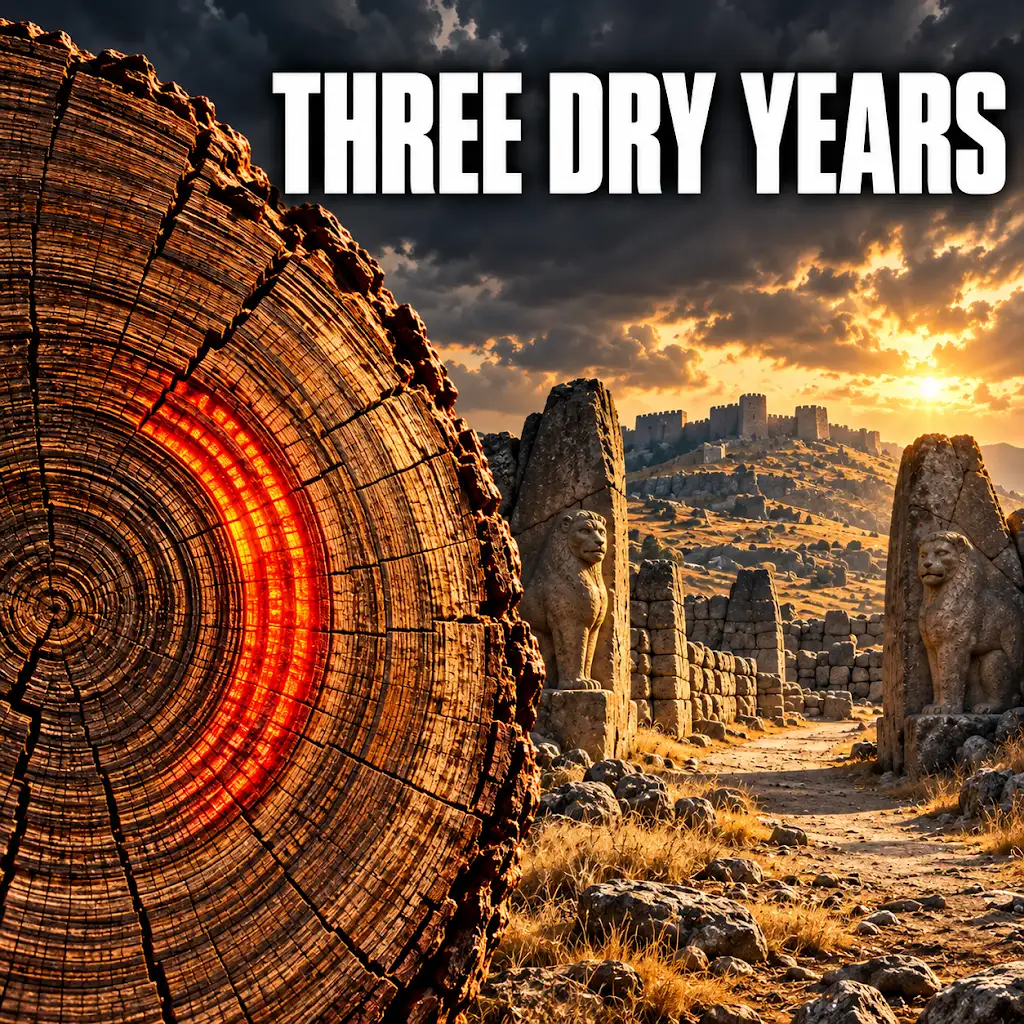
A significant portion of the documentary is dedicated to exploring the role of climate change. Utilizing paleoclimate data, such as ice cores and lake sediment analysis, researchers have identified a prolonged period of drought that gripped the Eastern Mediterranean and Near East during the late Bronze Age. The film visually represents these climatic shifts through expert interviews and animated graphics, showing how rainfall patterns changed, rivers dwindled, and agricultural yields suffered. This environmental stress had a cascading effect on the resource-dependent Bronze Age economies. The reliance on large-scale agriculture to feed burgeoning populations and support elite lifestyles made these societies particularly susceptible to drought.
The Famine and its Aftermath
The documentary effectively links the drought to widespread famine. Evidence from archaeological sites, including analyses of skeletal remains showing signs of malnutrition and disease, directly supports this hypothesis. The film posits that the inability of agricultural systems to cope with the prolonged dry spells would have led to food shortages, internal unrest, and a weakening of state authority. The carefully managed palatial economies, so adept at surplus distribution in times of plenty, would have struggled to function when the fundamental source of their wealth – agricultural produce – began to fail. This economic strain would have exacerbated existing social tensions and made populations more vulnerable to other threats.
The Whispers of Internal Strife
Beyond environmental factors, “Echoes of the End” delves into the possibility of internal dissent and societal breakdown. The film explores the rigid social hierarchies of the Bronze Age and suggests that the growing inequalities, coupled with resource scarcity, could have fueled resentment and rebellion among the lower classes. Evidence of destruction layers in some cities, not always attributable to external invasion, hints at internal conflicts. The documentary examines the administrative burden placed upon the ruling elites. As the economic pressures mounted, maintaining control over increasingly restive populations and managing dwindling resources would have become an insurmountable challenge for many rulers.
The Erosion of Royal Authority
The film argues that the cumulative pressures – famine, economic hardship, and the inability to provide for the populace – would have significantly eroded the legitimacy and authority of the ruling elites. For societies deeply reliant on the divine right of kings or the perceived benevolent stewardship of rulers, the failure to avert disaster would have been catastrophic. The documentary suggests that this loss of faith could have led to widespread social disintegration, as local communities and individuals began to fend for themselves, abandoning traditional allegiances and societal structures.
The Fury from Without: The Rise of the “Sea Peoples” and Other Threats
While internal and environmental factors undoubtedly played a crucial role, the documentary dedicates substantial attention to the external threats that assailed the Late Bronze Age world. The “Sea Peoples,” a mysterious confederation of maritime raiders, are prominently featured as a significant disruptive force. However, the film also acknowledges that their role may have been a symptom of a larger, systemic crisis rather than the sole cause of the collapse.
The Bronze Age collapse remains one of the most intriguing mysteries of ancient history, and it has sparked numerous discussions and analyses in various documentaries. A particularly insightful article that complements this topic is available at Uncovering Ancient Builders’ Secrets, which explores the architectural advancements and societal changes that may have contributed to the eventual decline of civilizations during that era. By examining these ancient builders, we can gain a deeper understanding of the factors that led to the dramatic transformations of the Bronze Age.
Unmasking the Enigmatic “Sea Peoples”
“Echoes of the End” meticulously examines the scant historical records that mention the Sea Peoples, primarily Egyptian inscriptions detailing their invasions. The documentary presents different theories about their origins – from Anatolia and the Aegean to further afield – and discusses the archaeological evidence that may link them to certain settlement patterns and destruction layers. The film utilizes reenactments and expert commentary to portray the terrifying impact of these raids, highlighting their maritime prowess and their ability to strike at coastal cities and trade routes. The destruction of cities like Ugarit and the sacking of Egyptian settlements are vividly depicted.
A Wave of Destruction, Not the Sole Culprit
Crucially, the documentary cautions against viewing the Sea Peoples as the singular cause of the Bronze Age Collapse. It argues that their invasions likely occurred at a time when many societies were already severely weakened by drought, famine, and internal strife. The film suggests that these raiders may have been opportunists, exploiting existing vulnerabilities rather than initiating the downfall. The Sea Peoples, in this interpretation, were a powerful catalyst that accelerated the collapse of already-fragile systems, rather than the primary architects of the destruction.
The Hittite Heartland Overrun
The Hittite Empire, one of the dominant powers of the Late Bronze Age, suffered a particularly devastating fate. The documentary explores the evidence of the Hittite capital, Hattusa, being sacked and abandoned. It discusses the role of internal rebellions, possibly exacerbated by famine and the strain of constant warfare, alongside external pressures, including attacks by the Kaska people from the north and potentially the Sea Peoples. The collapse of the Hittite Empire, a major player in regional politics and trade, would have had a profound destabilizing effect on the entire Eastern Mediterranean.
The Fallout: A World Transformed
The final act of the documentary examines the immediate aftermath of the Bronze Age Collapse and the long-term consequences for the civilizations of the ancient world. The film underscores that the collapse was not an end, but a radical transformation, ushering in a new era characterized by different societal structures, technologies, and political landscapes. The loss of centralized authority and complex trade networks led to a period of fragmentation and localized development, but also paved the way for new innovations and emergent powers.
The Iron Age Dawn: A New Era of Technology
One of the most significant transformations following the Bronze Age Collapse was the transition to the Iron Age. The documentary explains that while iron was known during the Bronze Age, its widespread use for tools and weapons was limited due to the difficulty of smelting and working the metal. However, in the wake of the collapse, with the disruption of long-distance tin trade, iron became a more accessible and viable alternative. The film showcases archaeological finds of early iron artifacts and discusses how this technological shift democratized warfare and agriculture, leading to the rise of new powers and a different kind of societal organization.
The Decentralization of Power
The collapse of the large, centralized Bronze Age kingdoms led to a significant decentralization of power. The documentary highlights the emergence of smaller, independent city-states and tribal confederations. This fragmentation fostered a greater degree of regional autonomy and a more localized approach to governance and economy. While the grand empires of the past were gone, this period of adaptation and innovation laid the groundwork for future developments, including the rise of the Phoenicians, the Philistines, and eventually, the Assyrians.
The Survival of Knowledge and Culture
Despite the widespread destruction and societal upheaval, the documentary emphasizes that not all was lost. Elements of Bronze Age culture, knowledge, and technologies survived and were adapted by the emergent societies of the Iron Age. The film discusses the continuity of certain religious beliefs, artistic traditions, and administrative practices, albeit in modified forms. The script of the Phoenician alphabet, which would later influence Greek and Roman writing systems, emerged during this period, demonstrating the resilience and adaptability of human ingenuity.
The Legacy of the Collapse
“Echoes of the End” concludes by reflecting on the enduring legacy of the Bronze Age Collapse. The film suggests that the lessons learned from this catastrophic event – the interconnectedness of societies, the vulnerability of complex systems to environmental and internal pressures, and the resilience of human adaptation – continue to resonate today. The documentary leaves the viewer with a profound appreciation for the fragility of civilization and the constant interplay of forces that shape its rise and fall, offering a stark reminder that even the most advanced societies are not immune to the winds of change.
Your 401(k) Withdrawal Can Make More of Your Social Security Taxable
FAQs
What caused the Bronze Age collapse?
The Bronze Age collapse was likely caused by a combination of factors, including invasions by the Sea Peoples, droughts, earthquakes, internal rebellions, and the breakdown of trade networks.
How did the Sea Peoples contribute to the Bronze Age collapse?
The Sea Peoples were a group of seafaring raiders who attacked various civilizations in the Eastern Mediterranean during the late Bronze Age, contributing to the collapse of several major empires.
What were some of the major civilizations affected by the Bronze Age collapse?
Major civilizations affected by the Bronze Age collapse include the Hittites, Mycenaeans, Minoans, and Egyptians, among others. These once-powerful empires either collapsed or experienced significant decline during this period.
What role did climate change play in the Bronze Age collapse?
Climate change, including prolonged droughts, is believed to have played a significant role in the Bronze Age collapse. These environmental factors likely contributed to food shortages, famine, and social unrest within affected civilizations.
Are there any theories about the aftermath of the Bronze Age collapse?
Some theories suggest that the Bronze Age collapse led to a period of cultural and technological regression in the affected regions, with the subsequent Dark Age eventually paving the way for the rise of new civilizations in the Iron Age.