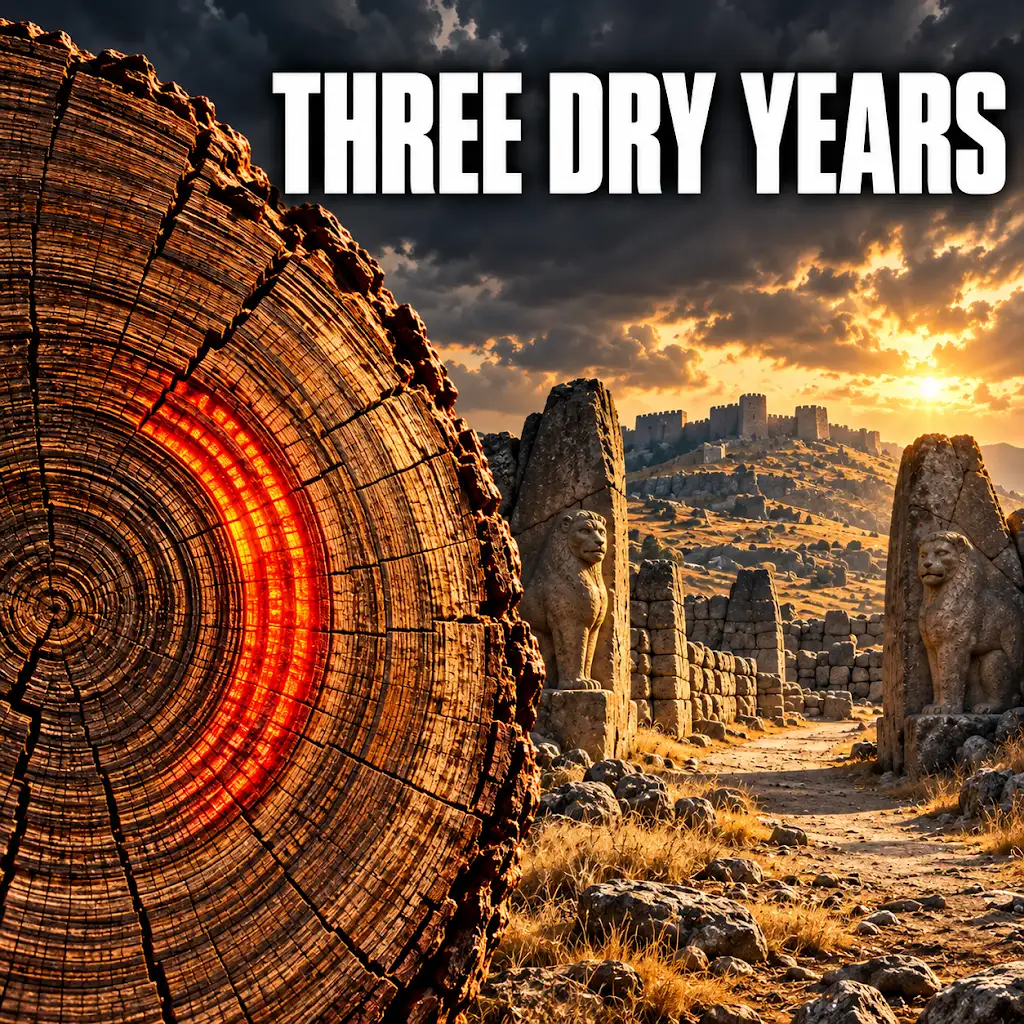
The Shattered Kingdoms: Unraveling the Bronze Age Collapse
The late Bronze Age, a period of unprecedented interconnectedness and flourishing civilizations across the Eastern Mediterranean and Near East, came to a jarring and abrupt halt around 1200 BCE. Empires that had dominated for centuries, from the Mycenaean Greeks and the Hittites to the New Kingdom of Egypt, experienced a dramatic unraveling. Cities were sacked and abandoned, trade routes collapsed, and established social and political structures dissolved, ushering in a so-called “Dark Age” in many regions. For generations, scholars have debated the myriad causes of this widespread societal breakdown, proposing a complex interplay of factors including invasion by mysterious “Sea Peoples,” internal rebellions, social unrest, and systemic economic failures. However, in recent decades, a growing body of scientific evidence, particularly from paleoclimatology, has placed a significant and compelling emphasis on a prolonged and severe drought as a primary, and perhaps even initiating, trigger for this cataclysmic event. This article will delve into the climatic evidence that links widespread drought to the societal fall of the late Bronze Age, exploring its multifaceted impacts and the potential pathways through which it contributed to the collapse of these once-mighty civilizations.
Recent studies have highlighted the significant role of climate change in the Bronze Age Collapse, suggesting that prolonged droughts and shifting weather patterns contributed to the societal upheaval of the time. For a deeper understanding of how environmental factors can influence societal structures, you may find the article on the IIEPA Act and its implications on asset freezing powers insightful. It discusses the intersection of climate-related issues and governance, which can be paralleled with historical events like the Bronze Age Collapse. You can read more about it here: IIEPA Act: Asset Freezing Powers Explained.
Whispers from the Past: The Geological Record of Aridification
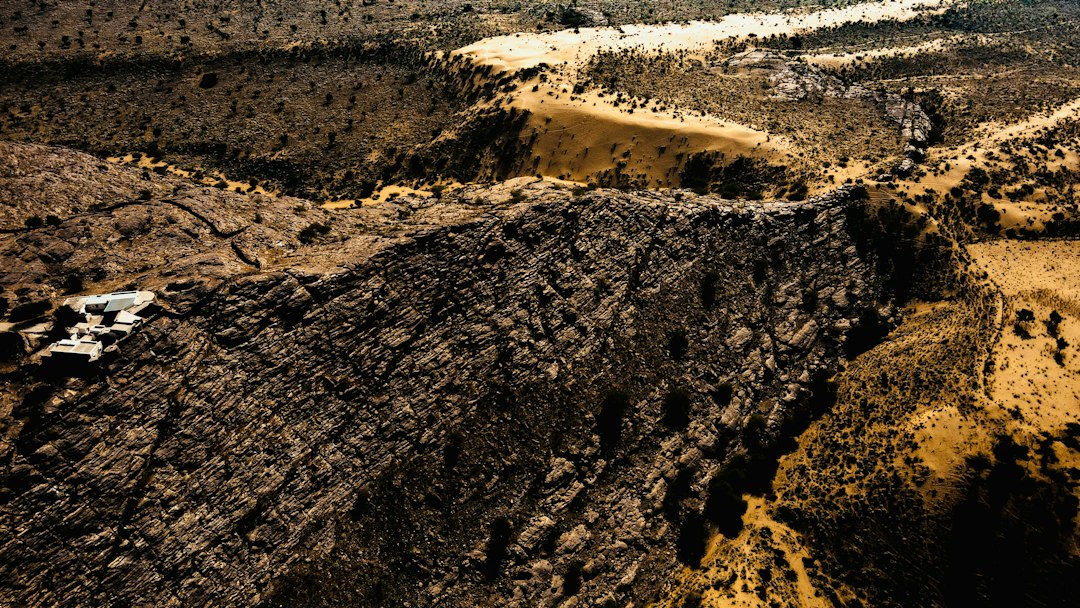
The Earth’s climate system is a dynamic entity, constantly fluctuating over millennia. Understanding past climatic conditions relies on piecing together evidence from various geological archives. For the late Bronze Age, paleoclimatological studies have become instrumental in reconstructing the environmental conditions of that era. These studies examine a range of natural records, each offering a unique perspective on precipitation patterns, temperature, and atmospheric conditions.
Lake Sediments as Chronometers of Rainfall
One of the most potent sources of information regarding past rainfall comes from the analysis of lake sediments. Lakes act as natural collection basins for water and sediment, and their stratification over time can reveal a great deal about the environmental conditions in their catchment areas. Researchers can extract long cores from the bottoms of ancient and modern lakes, meticulously analyzing the layers of deposited material. These layers, often characterized by varying colors, grain sizes, and organic content, provide a chronological record of environmental change.
During periods of ample rainfall, lakes tend to be deeper and more stable. Sediments deposited in such conditions are often finer-grained, rich in organic matter (indicating abundant plant and algal life), and may contain evidence of aquatic organisms that thrive in freshwater environments. Conversely, during periods of drought, lake levels drop significantly. This causes increased erosion in the surrounding landscape, leading to the deposition of coarser sediments, such as sand and gravel, into the lake. The reduced water volume also leads to increased salinity and can favor organisms adapted to brackish or even hypersaline conditions. Furthermore, the absence of a stable water table can result in increased windblown dust being incorporated into the sediment layers.
By analyzing the chemical composition of these sediments, particularly the isotopic ratios of oxygen (¹⁸O/¹⁶O) and hydrogen (D/H) in trapped water molecules or in the shells of ancient microorganisms, scientists can reconstruct past precipitation levels. These isotopes act as proxies for temperature and the amount of evaporation that occurred. For example, a shift towards heavier oxygen isotopes in lake carbonates or fossils often indicates a drier, warmer climate with increased evaporation. Studies of lake sediments from regions like the Eastern Mediterranean, Anatolia, and Mesopotamia have consistently pointed to a significant and prolonged period of reduced rainfall coinciding precisely with the timeframe of the Bronze Age collapse. These records reveal a stark contrast between the wetter conditions of the earlier Bronze Age and the aridification that characterized its end.
Stalagmites: Indicating Ancient Atmospheric Moisture
Stalagmites, those cone-shaped formations that grow upward from the floor of caves, are another invaluable archive of past climate. Their growth is directly dependent on the amount of water percolating through the cave roof from the surface. This water, rich in dissolved calcium carbonate, deposits minerals layer by layer, building the stalagmite over time. The isotopic composition of the oxygen and carbon within the stalagmite’s crystalline structure can be meticulously analyzed to infer past rainfall patterns.
Similar to lake sediments, the ¹⁸O/¹⁶O ratio in stalagmites is a sensitive indicator of past precipitation. During periods of increased rainfall, more meteoric water (water originating from precipitation) reaches the cave, and its isotopic signature reflects atmospheric conditions at the time of rainfall. Conversely, drier periods mean less water infiltration, leading to changes in the isotopic composition of the deposited calcite. By precisely dating different layers of a stalagmite using radiometric techniques like uranium-thorium dating, researchers can construct highly detailed chronologies of past climate fluctuations.
Numerous stalagmite studies from the Eastern Mediterranean, including regions like Israel and Greece, have revealed a pronounced arid phase that began around 1200 BCE and persisted for several centuries. These records often show a sharp decrease in rainfall, indicating a significant reduction in atmospheric moisture availability, which would have directly impacted surface water resources and agricultural potential. The convergence of evidence from multiple stalagmites across different locations strengthens the conclusion that this was a widespread climatic event, not just a localized anomaly.
Speleothems and Pollen: Complementary Climate Proxies
Beyond lake sediments and stalagmites, other geological and environmental proxies contribute to the picture of late Bronze Age aridity. The study of speleothems, a broader term encompassing stalagmites and stalactites, in caves across the affected regions continues to provide valuable data. Furthermore, analysis of fossil pollen trapped in sediments, both terrestrial and marine, offers insights into past vegetation patterns, which are intrinsically linked to climate.
During drier periods, vegetation communities shift. Drought-tolerant species become more prevalent, while moisture-loving plants decline. The study of pollen assemblages from archaeological sites or sediment cores can reveal these shifts. For instance, an increase in the pollen of drought-resistant grasses and shrubs, coupled with a decrease in the pollen of trees that require substantial water, would indicate a transition to a more arid environment. Similarly, marine sediment cores, which accumulate particles from surrounding landmasses, can contain pollen and dust indicative of regional aridity.
The synergy between these different proxy records—lake sediments, stalagmites, pollen analysis, and even the study of ancient soils and riverine deposits—creates a robust and consistent narrative. The overwhelming consensus from these diverse scientific disciplines points to a significant and prolonged period of drought that struck the Eastern Mediterranean and Near East around the turn of the 13th century BCE, precisely when the great Bronze Age civilizations began their descent.
The Cascade of Consequences: Drought’s Impact on Bronze Age Societies
The onset of prolonged and severe drought is not merely an inconvenience; it is a profoundly disruptive force, particularly for agrarian societies that form the backbone of complex civilizations. The impact of such climatic stress on the interconnected political, economic, and social structures of the late Bronze Age was multifaceted and ultimately devastating.
Agriculture Under Siege: The Foundation Crumbles
The prosperity of Bronze Age civilizations was inextricably linked to their ability to produce surplus food. Highly developed agricultural systems, relying on irrigation, sophisticated farming techniques, and extensive land management, were the bedrock of their economic and political power. The sudden and sustained lack of rainfall would have had a catastrophic effect on these systems.
In rain-fed agricultural regions, crop yields would have plummeted. Without sufficient water, staple crops like wheat and barley, essential for sustenance and trade, would fail to mature. Even in areas with irrigation, the water sources—rivers and reservoirs—would have begun to dwindle. Reduced river flows meant less water for irrigation canals, and shrinking reservoirs would have been unable to sustain crop production over extended dry periods. This scarcity would have led to widespread famine, as food reserves were depleted and new harvests failed to materialize. The nutritional stress caused by famine would have weakened populations, making them more susceptible to disease and social unrest.
The impact extended beyond basic sustenance. Agricultural surplus was the currency of the Bronze Age. It fueled trade, supported specialized craftspeople and administrators, and enabled the maintenance of armies and monumental construction projects. The failure of agriculture would have directly undermined these economic underpinnings. Trade networks, which relied on the movement of agricultural goods, would have collapsed. The ability of rulers to provision their populations, pay their soldiers, and fund their administrations would have been severely compromised.
Resource Wars and Shifting Borders: The Struggle for Survival
As water and food resources became scarce, competition and conflict would have inevitably intensified. The late Bronze Age was characterized by complex diplomatic relationships and established trade routes, but these were built on an assumption of relative resource abundance. Drought would have shattered this equilibrium, creating intense pressure on local and regional levels.
Communities dependent on dwindling water sources would have been forced to migrate or to fight for control of the remaining viable springs, wells, and river sections. This could have led to localized skirmishes and inter-community violence. On a larger scale, empires that relied on agricultural tribute from drought-stricken regions would have seen their economic power erode. This erosion of power, coupled with the need to secure dwindling resources, could have led to increased aggression and raiding by states or groups seeking to supplement their own shortages.
The concept of “resource wars” becomes particularly relevant here. As the environmental carrying capacity of regions diminished, the pressure to acquire resources by force would have mounted. This might have manifested as raids on neighboring territories, attempts to seize fertile lands or control vital water sources, or even larger-scale military campaigns driven by desperation. The breakdown of diplomatic norms and the rise of a more predatory international environment are consistent with the evidence of widespread conflict and destruction that marks the end of the Bronze Age.
Societal Fragility: The Weakening of Central Authority
The cumulative effects of agricultural collapse, famine, and resource competition would have placed immense strain on the centralized political structures of Bronze Age states. The legitimacy of rulers was often tied to their ability to provide for their people and maintain order. As these capabilities withered, so too did public trust and loyalty.
Widespread famine and economic hardship would have fueled social unrest. Disaffected populations, facing starvation and the breakdown of traditional support systems, would have been more prone to rebellion. The inability of rulers to effectively respond to these crises, often exacerbated by the very environmental conditions that undermined their authority, would have led to a loss of control. This could have manifested in peasant revolts, urban uprisings, or the rise of powerful regional warlords who could offer a semblance of order, albeit often through brute force.
The intricate administrative and logistical networks that supported Bronze Age empires would have been overwhelmed. The capacity to collect taxes, distribute relief, and maintain infrastructure would have been severely compromised. In such a scenario, the complex, inter-dependent systems that characterized the late Bronze Age would have begun to unravel, leading to fragmentation and the eventual collapse of centralized authority. The weakened states would have become increasingly vulnerable to external pressures, including the migrations and incursions of groups displaced by the same climatic stresses.
The “Sea Peoples” and Other Disruptors: A Synergistic Collapse?
The role of external factors, most famously the enigmatic “Sea Peoples,” in the Bronze Age collapse has long been a subject of intense scholarly debate. While the precise identity and origins of these groups remain elusive, the archaeological and textual evidence points to a period of significant disruption and migration associated with their movements. The prevailing theory now is that climate change, specifically drought, did not act in isolation but rather interacted with these other stressors to create a perfect storm of societal collapse.
The Migratory Pressures of Aridification
Severe and prolonged drought can have devastating consequences for entire regions, forcing populations to abandon their homelands in search of more hospitable environments. The drying up of fertile lands and reliable water sources would have triggered mass migrations. These migrations, in turn, could have led to increased pressure on the borders of existing states.
Groups displaced by drought in one region might have sought refuge or new opportunities in neighboring territories that, while also experiencing some level of aridity, might have retained sufficient resources. This influx of migrants could have strained the resources of host populations, leading to conflict and instability. Furthermore, these displaced groups might have been desperate and militarized, posing a significant threat to existing political structures.
The “Sea Peoples,” in this context, could represent one or more of these migratory waves, driven by environmental pressures. Their arrival on the coasts of the Eastern Mediterranean, as documented by Egyptian sources, could be a direct consequence of similar climatic stresses affecting their own homelands. They might have been desperate to find new lands to settle and cultivate, and the weakened, drought-stricken states of the late Bronze Age would have presented both opportunities and vulnerabilities.
The Weakening of States: An Invitation to Incursion
A civilization weakened by internal factors such as famine, social unrest, and economic decline becomes a more attractive target for external aggressors. The prolonged drought would have rendered many Bronze Age states economically and militarily vulnerable. Their ability to effectively defend their borders, provision their armies, and respond to threats would have been severely compromised.
This vulnerability might have emboldened groups that were previously deterred by the might of these empires. The “Sea Peoples” or other migrating groups, already on the move due to their own environmental challenges, might have found it easier to penetrate and sack cities that were already struggling with internal crises. The famous depictions of Egyptian defenses against the “Sea Peoples” suggest a desperate struggle against determined invaders who exploited the weakened state of the empire.
The collapse of established trade routes, itself a consequence of drought and societal breakdown, would have further isolated states and made them more susceptible to attack. Without the flow of goods and information, and with reduced access to vital resources from afar, states would have found themselves increasingly unable to cope with multiple simultaneous crises. The synergy between drought-induced internal weakness and external pressures appears to be a crucial element in understanding the widespread and rapid nature of the Bronze Age collapse.
The Shattering of Interconnectedness: A Domino Effect
The late Bronze Age was characterized by a remarkable degree of interconnectedness. Sophisticated trade networks linked distant regions, and diplomatic relations facilitated a degree of regional stability. However, this interconnectedness also meant that a crisis in one part of the system could have ripple effects throughout the entire network.
The drought, by impacting agricultural production and trade, would have disrupted these vital links. The collapse of one civilization due to drought and its associated pressures could have weakened its neighbors, making them more vulnerable to similar stresses. This could have created a cascading effect, a domino effect, where the fall of one major power triggered the downfall of others.
For instance, the collapse of the Hittite Empire, likely severely impacted by drought and internal strife, would have had significant repercussions for its neighbors and trading partners. Similarly, the weakening of Mycenaean Greece would have disrupted its influence and trade in the Aegean. The interconnectedness that had been a source of strength and prosperity in the Bronze Age ultimately became a vector for its destruction when faced with a synchronized and overwhelming set of challenges, with climate change playing a pivotal role in initiating and amplifying these pressures.
The Bronze Age collapse remains a fascinating topic for historians and archaeologists alike, particularly regarding the role of climate change in this significant event. Recent studies have provided compelling evidence that shifts in climate patterns may have contributed to widespread societal disruptions during this period. For those interested in exploring the broader implications of historical climate events on modern geopolitics, a related article discusses how understanding past crises can help us navigate current global tensions. You can read more about this intriguing connection in the article here.
Echoes in the Present: Lessons from a Shattered Past
| Type of Evidence | Description | Location | Time Period | Significance |
|---|---|---|---|---|
| Tree Ring Data (Dendrochronology) | Reduced growth rings indicating drought conditions | Eastern Mediterranean | Circa 1200 BCE | Suggests prolonged drought contributing to societal stress |
| Ice Core Samples | Increased volcanic ash and sulfate levels indicating volcanic activity | Greenland and Antarctica | Circa 1250-1150 BCE | Possible climate cooling and disruption linked to volcanic eruptions |
| Speleothem Records | Oxygen isotope ratios showing shifts in rainfall patterns | Levantine Caves | Circa 1200 BCE | Evidence of abrupt climate change and drought |
| Sediment Cores | Changes in sediment composition indicating soil erosion and aridity | Eastern Mediterranean Sea | Circa 1200 BCE | Supports evidence of environmental degradation |
| Historical Records | Texts describing famine, migration, and social upheaval | Ancient Near East | Circa 1200 BCE | Corroborates environmental stress impacting civilizations |
The Bronze Age collapse serves as a stark historical reminder of the profound impact that climate change can have on human societies. While the specific challenges and technological capabilities of the Bronze Age were vastly different from our own, the fundamental vulnerability of complex civilizations to environmental shifts remains a critical concern. Understanding the mechanisms through which drought contributed to the Bronze Age downfall offers valuable lessons for the present day.
The Fragility of Complex Systems
The late Bronze Age civilizations, despite their impressive achievements, were ultimately fragile systems when confronted with severe environmental stress. Their reliance on agricultural surplus, their intricate trade networks, and their centralized political structures, while enabling growth and prosperity, also created vulnerabilities. When the foundational element—reliable food and water—was removed, these systems began to unravel.
This highlights the importance of building resilient societies that are not overly dependent on a narrow range of resources or susceptible to single points of failure. Diversified economies, robust social safety nets, and adaptive governance structures are crucial for navigating periods of environmental uncertainty. The interconnectedness of the modern world, while offering unprecedented opportunities, also means that climate-induced crises in one region can have far-reaching global consequences.
The Interplay of Factors: Climate as an Amplifier
The Bronze Age collapse was not solely caused by drought. However, the scientific evidence strongly suggests that prolonged aridity acted as a significant, perhaps even primary, destabilizing force. It exacerbated existing social tensions, weakened political institutions, and made societies more susceptible to external pressures.
This underscores the complexity of societal collapse. It is rarely the result of a single cause. Instead, it is often the product of multiple interacting factors, where environmental change acts as an amplifier, pushing already stressed systems beyond their breaking point. Recognizing this interplay is crucial for effective climate change mitigation and adaptation strategies. Addressing climate change requires not only technological solutions but also a deep understanding of its social, economic, and political implications.
The Long Shadow of Climate Change
The study of the Bronze Age collapse offers a compelling historical narrative that resonates with contemporary concerns about climate change. The parallels between the challenges faced by ancient civilizations and the potential future impacts of global warming are striking. By examining the past, we can gain valuable insights into the potential consequences of our actions and the importance of proactive measures.
The lesson from the Bronze Age is clear: human civilizations are not immune to the forces of nature. Our advanced technologies and complex social structures offer a buffer, but they do not provide an impermeable shield against significant climatic shifts. Understanding how past societies failed, and the role that climate played in their demise, is not an academic exercise; it is a critical component of our efforts to build a more sustainable and resilient future for ourselves and for generations to come. The whispers from the ancient sediments and stalagmites serve as a potent warning, urging us to heed the lessons of a shattered past before history repeats itself on a grander, more devastating scale.
Your 401(k) Withdrawal Can Make More of Your Social Security Taxable
FAQs
What evidence suggests that climate change played a role in the Bronze Age collapse?
Studies of ice cores from Greenland have shown evidence of a sudden and severe climate event around 1250 BCE, which coincides with the timing of the Bronze Age collapse. This event likely led to droughts, crop failures, and societal disruptions.
How did the climate change impact the civilizations during the Bronze Age collapse?
The climate change during the Bronze Age collapse is believed to have caused widespread droughts, crop failures, and food shortages. This would have put immense pressure on the agricultural-based societies of the time, leading to societal unrest, migrations, and ultimately the collapse of many civilizations.
Were there other factors besides climate change that contributed to the Bronze Age collapse?
While climate change is considered a significant factor in the Bronze Age collapse, other factors such as invasions, internal conflicts, and economic disruptions also played a role. It is likely that a combination of these factors led to the collapse of multiple civilizations during this period.
How do researchers study the climate of the Bronze Age period?
Researchers study the climate of the Bronze Age period through various methods, including analyzing ice cores, tree rings, sediment samples, and historical records. By combining data from these sources, researchers can reconstruct past climate patterns and understand how they may have impacted ancient civilizations.
What lessons can we learn from the Bronze Age collapse and its connection to climate change?
The Bronze Age collapse serves as a reminder of the vulnerability of societies to environmental changes. It highlights the importance of sustainable practices, resilience, and adaptation in the face of climate change. By studying past collapses, we can better prepare for and mitigate the impacts of future environmental challenges.