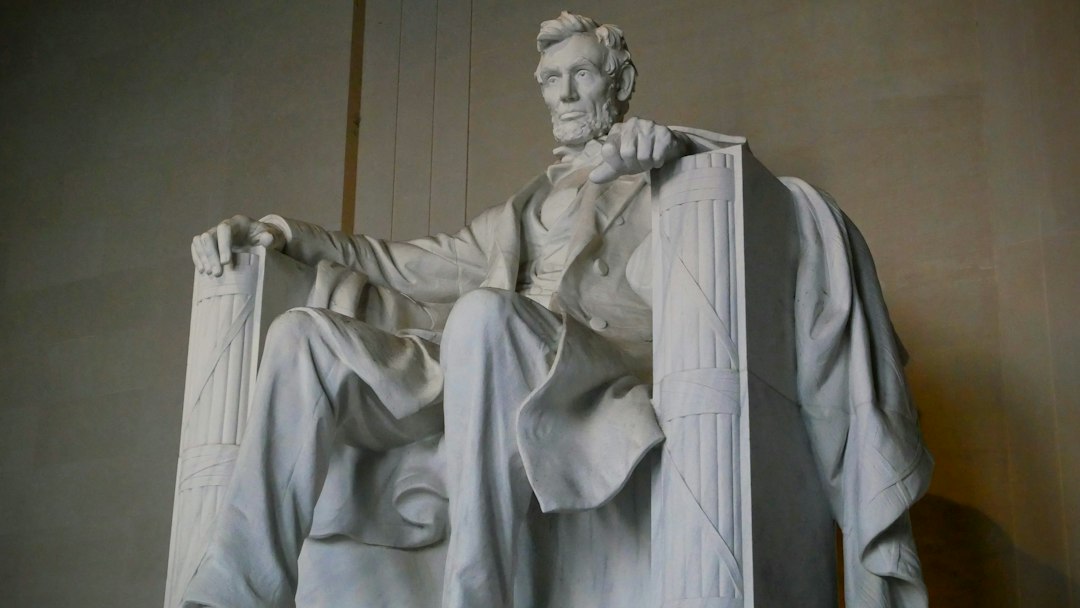
The Murky Waters of Ancestry
Abraham Lincoln, the sixteenth president of the United States, remains an iconic figure in American history. His ascent from humble beginnings to the highest office in the land is a testament to the American dream. Yet, despite his widespread recognition and the voluminous scholarship dedicated to his life, the precise origins of his paternal lineage have long been shrouded in a degree of uncertainty, fueled by historical ambiguity and the occasional fanciful speculation. While the broad strokes of his family tree have been established for generations, a deeper dive into the earliest known progenitors reveals a complex tapestry woven with migration, frontier life, and the shifting social landscapes of early America. The quest to definitively trace Lincoln’s paternal roots has been an enduring scholarly pursuit, one that has navigated through sparse records, land deeds, and the often-unreliable recollections of descendants. This journey of discovery is not merely an academic exercise; it offers a richer understanding of the forces that shaped not only the Lincoln family but also the nascent American nation.
The topic of American origins and the legacy of figures like Abraham Lincoln often intersects with contemporary discussions about governance and civil rights. For instance, an insightful article that delves into the implications of legislation on financial crimes and asset seizure can be found at this link. It highlights how modern laws can reflect the foundational principles of justice and equity that Lincoln championed during his presidency.
Unearthing the Earliest Known Ancestors

The paternal line of Abraham Lincoln, according to the most widely accepted historical consensus, traces back to one Samuel Lincoln, who emigrated from England to the Massachusetts Bay Colony in 1637. This initial transatlantic journey marks the bedrock of the American branch of the Lincoln family. Samuel, a weaver by trade, arrived in Hingham, Massachusetts, a settlement that would remain a significant hub for the family for several generations. The records indicate that he was a man of some standing within his community, serving in local government and contributing to the town’s development. His presence in Hingham laid the foundation for a lineage that would spread across New England, eventually pushing westward as the young nation expanded.
The Migration from England
The decision for Samuel Lincoln to leave his native England was undoubtedly driven by a confluence of factors prevalent in the 17th century. While the specific motivations of individual emigrants are often difficult to ascertain with absolute certainty, the broader context of the era points to religious, economic, and political considerations. England was a land undergoing significant upheaval, with religious tensions simmering between Puritans and the Church of England. Many who sought greater religious freedom and the opportunity to establish communities based on their own beliefs found solace in the promise of the New World. Furthermore, the economic prospects in England, particularly for those in skilled trades, may have been limited, making the allure of new land and economic opportunities in America a compelling prospect. The establishment of colonies like Massachusetts Bay was actively encouraged by the Crown, which sought to expand its influence and economic reach. Samuel Lincoln’s journey, therefore, was not an isolated event but part of a larger historical movement that profoundly shaped the demographic and cultural landscape of North America.
The Hingham Settlement and Early Generations
In Hingham, Samuel Lincoln established himself and his family, and his descendants continued to reside in the area for several generations. These early Lincolns were largely yeoman farmers, craftsmen, and participants in the civic life of their towns. They were part of the sturdy, self-reliant stock that formed the backbone of colonial New England society. Records of births, marriages, and deaths, along with land transactions and court documents, offer glimpses into their lives. They were farmers who worked the land, artisans who honed their skills, and community members who participated in town meetings and militia service. This period of American history, characterized by the establishment of self-governing communities and the constant negotiation of frontier life, forged the character of families like the Lincolns, instilling values of hard work, resilience, and a sense of civic responsibility. The lineage continued through Samuel’s son, Mordecai, and his grandson, also named Mordecai, who played an increasingly important role in the family’s westward expansion.
The Westward Push: Pennsylvania and Virginia
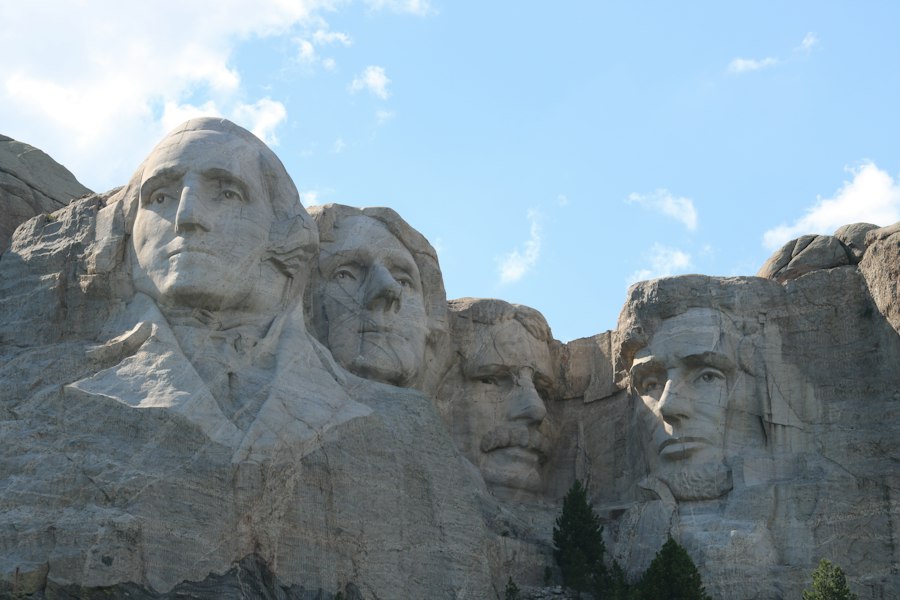
As generations passed, the Lincoln family, like many others, began to feel the pull of westward expansion. The established communities of New England, while fertile ground for generations, eventually gave way to the lure of more abundant land and new opportunities in the interior. This migration pattern, a defining characteristic of American history, saw families move from the coastal settlements into the burgeoning frontiers of Pennsylvania and, subsequently, Virginia. It was in these new territories that the immediate ancestors of President Lincoln took root, adapting to different social and economic environments.
Mordecai Lincoln and the Move to Pennsylvania
The first Mordecai Lincoln, Samuel’s grandson, is a pivotal figure in the westward movement of the family. He was born in Hingham but, by the early 18th century, was drawn to the fertile lands of Chester County, Pennsylvania. This move represented a significant shift, transplanting the family from the Puritan stronghold of New England to the more diverse and religiously tolerant environment of Pennsylvania, founded by William Penn. Pennsylvania, at this time, was a melting pot of European immigrants, including Germans, Scots-Irish, and Welsh, in addition to English settlers. Mordecai, like his father and grandfather before him, was a farmer and also engaged in iron manufacturing, an increasingly important industry in colonial America. His presence in Pennsylvania illustrates the growing ambition and entrepreneurial spirit within the Lincoln family.
Captain Abraham Lincoln and the Virginia Frontier
The next significant relocation saw Captain Abraham Lincoln, the grandfather of the future president, move from Pennsylvania into the Shenandoah Valley of Virginia, a region then considered the western frontier. This move, occurring in the mid-18th century, placed the family in a more challenging and precarious environment. Virginia’s frontier was characterized by its rugged terrain, proximity to Native American territories, and the constant need for self-reliance and defense. Captain Abraham Lincoln, a man of some means and influence, established himself as a landowner and was active in local affairs, even serving as a captain in the Virginia militia. His decision to settle in the Shenandoah Valley placed the family squarely in the path of historical events that would soon engulf the colonies, including the French and Indian War and the growing tensions that would eventually lead to the American Revolution. This period in Virginia was crucial in shaping the resilience and practical skills that would become hallmarks of the Lincoln family.
The Kentucky and Indiana Years: Laying the Groundwork
The story of Abraham Lincoln’s direct paternal ancestors takes a decisive turn with the migration from Virginia into Kentucky, and subsequently, into Indiana. These moves were driven by the persistent pursuit of land and the opportunities presented by the ever-expanding American frontier. It was in Kentucky that the president’s father, Thomas Lincoln, was born, and it was the challenges and eventual decline of farming prospects in Kentucky that led the family to Indiana. This period represents the immediate ancestral crucible from which the sixteenth president emerged.
Thomas Lincoln’s Childhood and Early Adulthood in Kentucky
Thomas Lincoln, Abraham Lincoln’s father, was born in Kentucky in 1778. His father, Captain Abraham Lincoln, had been killed by Native Americans in 1786 while the family was engaged in farming and land acquisition in Kentucky. This traumatic event undoubtedly cast a long shadow over Thomas’s upbringing and instilled in him a sense of the precariousness of frontier life. Thomas’s early years were marked by hard work and limited formal education, common for children in such environments. He learned the trades of carpentry and farming, skills essential for survival and sustenance on the frontier. His life in Kentucky was characterized by a constant struggle for economic stability, a common theme for many families who ventured into the western territories. The pursuit of better land and the desire to escape the lingering dangers and economic uncertainties of Kentucky would ultimately lead to the family’s next significant move.
The Move to Indiana and the Early Life of Abraham Lincoln
In 1816, seeking to improve his economic prospects and escape the legal complexities surrounding land ownership in Kentucky, Thomas Lincoln moved his family, including the young Abraham, to Perry County, Indiana. This marked a significant transition for the future president. Indiana, at this time, was still a frontier territory, with vast forests and a developing agricultural base. The move, however, was fraught with hardship. The family faced the challenges of building a new home, clearing land for farming, and enduring the isolation of frontier life. It was in Indiana that Abraham Lincoln experienced firsthand the realities of poverty and loss. The death of his mother, Nancy Hanks Lincoln, from “milk sickness” in 1818, when Abraham was just nine years old, was a profound tragedy that deeply affected him. Despite the hardships, this period in Indiana was crucial in shaping young Abraham’s character, instilling in him a strong work ethic, a deep appreciation for learning, and a profound sense of resilience. The simple log cabin existence, the hard labor in the fields, and the quiet solitude of the wilderness all contributed to the formation of his stoic and introspective nature.
The American origin of the phrase “solved Lincoln” can be traced back to various historical interpretations and discussions surrounding the legacy of President Abraham Lincoln. For those interested in exploring the complexities of governmental powers and individual rights, a related article discusses how the government can confiscate property and what citizens need to know about their rights. You can read more about this topic in the article linked here: government confiscation. This connection highlights the ongoing dialogue about authority and personal freedoms in the context of Lincoln’s enduring impact on American society.
Historical Evidence and Genealogical Research
| Metric | Value | Description |
|---|---|---|
| Year of Origin | 1861 | Year Abraham Lincoln became the 16th President of the United States |
| Key Achievement | Emancipation Proclamation | Declared freedom for slaves in Confederate states |
| Major Conflict Solved | American Civil War | Preserved the Union and ended slavery |
| Duration of Presidency | 1861-1865 | Four years until assassination |
| Number of States in Union | 34 | States in the United States during Lincoln’s presidency |
| Key Legislation | Homestead Act (1862) | Provided land to settlers to encourage westward expansion |
The tracing of Abraham Lincoln’s paternal lineage is a testament to the power of diligent genealogical research and the careful examination of historical records. While the broad outline of the family tree has been known for a long time, the meticulous work of historians and genealogists has provided substantiation and filled in many of the finer details, solidifying the narrative of the Lincoln roots.
Primary Source Documentation
The foundation of any reliable genealogical study rests on primary source documentation. For the Lincoln family, this includes official records such as birth, marriage, and death certificates (though early records are often less formal or nonexistent), land deeds, tax records, census data, wills, and court documents. The Massachusetts Bay Colony, for example, kept relatively detailed records for its early settlers, allowing for the reconstruction of Samuel Lincoln’s family and his connection to subsequent generations in Hingham. Similarly, land transactions in Pennsylvania and Virginia provide crucial evidence of Mordecai Lincoln’s and Captain Abraham Lincoln’s movements and their establishment in new territories. These documents, often housed in state and county archives, are the bedrock upon which the Lincoln family tree is built.
The Role of Biographers and Genealogists
Over the centuries, numerous biographers and genealogists have dedicated themselves to unraveling the Lincoln family history. Early biographers, such as William Herndon and Jesse Weik, conducted extensive interviews with people who knew Abraham Lincoln and his family, gathering oral histories and anecdotal evidence. While oral traditions can be prone to embellishment or misremembering, they often provide valuable leads that can be corroborated by documentary evidence. Later generations of genealogists, equipped with more sophisticated research methods and access to digitized archives, have been able to systematically verify and expand upon the work of their predecessors. They have meticulously cross-referenced information, identified discrepancies, and published their findings in genealogical journals and books, contributing to a more complete and accurate understanding of Lincoln’s ancestry. The Lincoln Home National Historic Site and various historical societies also play a crucial role in preserving and making accessible the historical materials related to the family.
The Enduring Legacy of Lincoln’s Roots
The journey of Abraham Lincoln’s paternal ancestors, from their origins in England to their establishment in the American heartland, is more than just a genealogical record. It is a story that reflects the broader narratives of migration, resilience, and the relentless pursuit of opportunity that have defined the American experience. The values and experiences of these forebears, forged in the crucible of frontier life, undoubtedly contributed to the character and leadership of the man who would lead the nation through its greatest crisis.
The Shaping of Character and Values
The generations of Lincolns who lived and worked on the frontiers of New England, Pennsylvania, Virginia, Kentucky, and Indiana were characterized by a deep sense of self-reliance, hard work, and a practical approach to life. They faced economic hardship, physical danger, and the constant need to adapt to changing circumstances. These experiences, passed down through the generations, likely instilled in Abraham Lincoln a profound understanding of the common person’s struggles, a resilience in the face of adversity, and a commitment to justice and fairness. His humble upbringing, devoid of privilege and marked by loss, contributed to his empathy and his ability to connect with the ordinary citizens of America. The values of honesty, integrity, and a strong moral compass, often attributed to Lincoln, can be seen as a continuation of the character traits forged by his ancestors in their pioneering endeavors.
A Microcosm of American History
The story of the Lincoln family’s westward expansion serves as a microcosm of the broader historical forces that shaped the United States. Their journey mirrors the experiences of countless other families who left their European homes seeking a new life, navigated the challenges of establishing settlements, and contributed to the growth and development of the nation. From the Puritan ethos of early New England to the diverse and expanding frontier of the 18th and 19th centuries, the Lincolns’ trajectory reflects the evolving social, economic, and political landscapes of America. Their story highlights the constant movement of people, the drive for land ownership, and the adaptation to new environments that were fundamental to the creation of the American identity. Understanding these roots provides a deeper appreciation for the man who, shaped by these very experiences, ultimately preserved the Union and redefined the meaning of freedom in America.

The Lincoln DNA Study: Why the Internet is Wrong
FAQs
What is the new theory about the American origin of Abraham Lincoln?
The new theory suggests that Abraham Lincoln’s family may have descended from a group of Moravian German immigrants who settled in Pennsylvania in the 18th century.
How was the American origin of Abraham Lincoln solved?
The American origin of Abraham Lincoln was solved through extensive genealogical research and DNA testing of living descendants of Lincoln’s ancestors.
What was previously believed about Abraham Lincoln’s ancestry?
Previously, it was believed that Abraham Lincoln’s family originated from England and that his ancestors were among the early settlers of the Jamestown colony.
What role did DNA testing play in solving the mystery of Lincoln’s American origin?
DNA testing played a crucial role in confirming the new theory about Lincoln’s ancestry by comparing the genetic markers of living descendants with those of the Moravian German immigrants.
How does the new theory about Lincoln’s American origin change our understanding of his heritage?
The new theory challenges the previously accepted narrative of Lincoln’s English ancestry and sheds light on the diverse immigrant roots that make up the American identity, including the contributions of German immigrants.