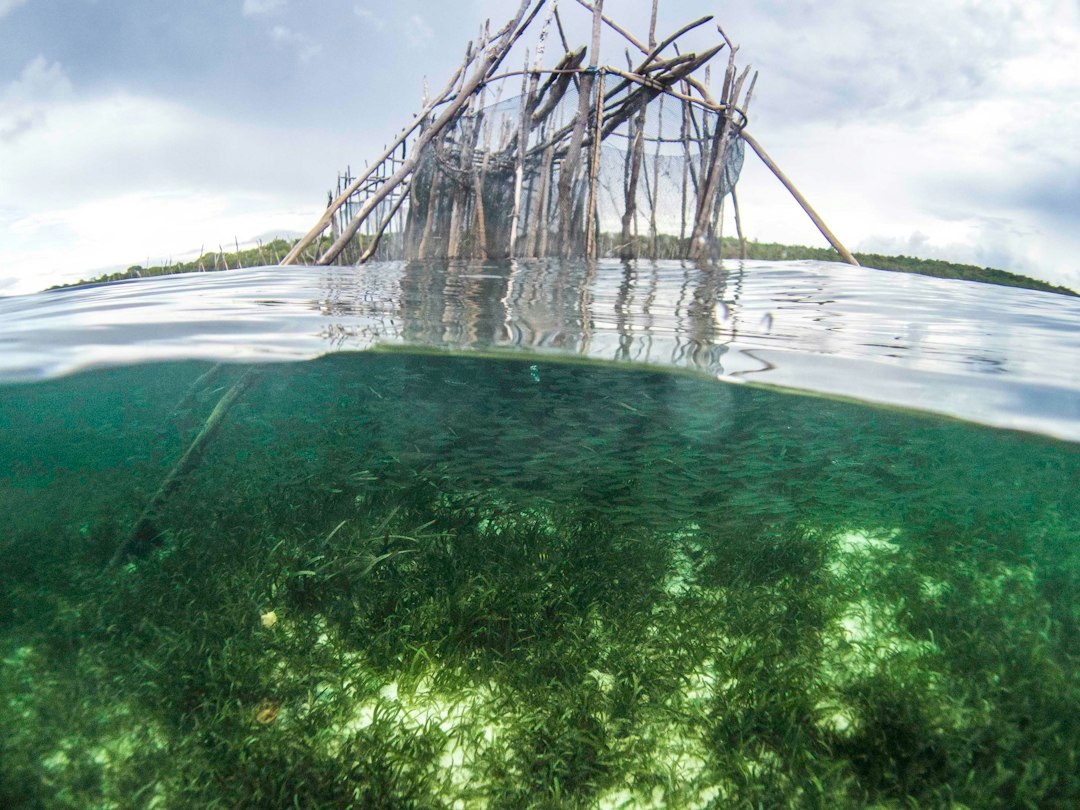
The rhythmic pulse of ancient waterways held secrets, not just of passing currents and migrating schools, but of ingenious human endeavors. Among the most enduring and fascinating of these are the ancient fish traps, submerged or partially submerged structures designed to corral and capture aquatic life. These remarkable engineering feats, often crafted from readily available natural materials, not only speak to the resourcefulness of early peoples but also highlight an early understanding of aquatic ecology. The preservation of these sites, however, presents a unique set of challenges, deeply entwined with the very water environments that facilitated their creation and use. Understanding and applying preservation techniques to these ancient fish traps requires a multidisciplinary approach, drawing from archaeology, hydrology, materials science, and conservation biology. The ephemeral nature of organic materials, coupled with the dynamic forces of water, necessitates specialized strategies to ensure these vital links to our past endure for future generations.
The Enduring Legacy of Submerged Structures
The historical record is replete with evidence of human reliance on aquatic resources, and fish traps stand as a testament to this enduring relationship. From the intricate stone labyrinths of Scotland to the woven reed corrals of the Amazon basin, the diversity of these structures is astounding. Their primary function was straightforward: to intercept fish as they moved within a waterway, either naturally or in response to tides, currents, or breeding migrations. The designs varied widely, reflecting local environmental conditions, available materials, and the specific prey species targeted. Some traps were simple V-shaped barriers designed to funnel fish into a confined area, while others were complex enclosures with multiple chambers. The materials used were equally diverse, ranging from carefully quarried stones and meticulously placed logs to woven reeds, branches, and even mud. The longevity of these structures, when preserved, is often remarkable, hinting at the durability of their construction and the protective qualities of their submerged environment. However, it is precisely this submerged environment that poses the greatest threat to their continued existence, making their preservation a delicate and ongoing endeavor.
Archeological Significance and Typologies
The study of ancient fish traps provides invaluable insights into the subsistence strategies, social organization, and technological capabilities of past populations. Archeological investigations can reveal not only the physical construction of the traps but also their spatial relationship to settlements, shedding light on land-use patterns and resource management practices. Different trap typologies offer clues about the sophistication of their builders. For example, static traps, built into the natural flow of a river or tidal channel, required a deep understanding of water dynamics. Impoundment traps, which create a reservoir to hold fish, demonstrate an ability to manipulate water levels. Driving traps, designed to herd fish into a capture zone, highlight cooperative hunting strategies. The archeological record for fish traps is often fragmented, with many sites eroded or disturbed over time. However, systematic surveys and excavations can uncover remarkably well-preserved examples, offering direct evidence of ancient fishing techniques.
Materials and Construction Techniques
The choice of materials for ancient fish traps was dictated by local availability and the desired longevity of the structure. Stone was a common choice for more permanent traps, particularly in coastal or riverine environments where suitable rocks were abundant. These stone traps could be massive structures, carefully fitted without mortar, relying on their weight and arrangement to withstand the force of water. Wooden components, such as stakes, woven hurdles, and framework, were also widely used, especially where timber resources were plentiful. These organic materials, while less durable than stone, could be remarkably effective and are often preserved in waterlogged conditions. In some regions, woven materials like reeds, grasses, and vines were employed, creating flexible and adaptive trap designs. Mud and clay were also used, often to reinforce stone structures or to create barriers in softer substrates. The construction techniques themselves often demonstrate a sophisticated understanding of structural integrity in a dynamic environment, with elements designed to interlock, brace, or dissipate the force of water.
The preservation of ancient fish traps in water bodies offers valuable insights into sustainable fishing practices and the relationship between humans and their environment. For a deeper understanding of how historical climate crises have influenced human adaptation and resource management, you can explore the related article titled “Lessons from Ancient Climate Crisis: A Historical Perspective” at this link. This article delves into the lessons we can learn from ancient societies and their responses to environmental challenges, shedding light on the importance of preserving traditional fishing methods and habitats.
The Relentless Forces of Water and Time

Water, while essential for life and for the functioning of fish traps, is also their most potent adversary in terms of preservation. The constant motion of currents, the erosive power of sediment, and the chemical composition of the water itself can all contribute to the degradation of these ancient structures. Furthermore, biological agents, such as burrowing organisms and algal growth, can further compromise their integrity. The passage of time exacerbates these effects, slowly but surely breaking down even the most robust constructions. Understanding these natural processes is the first step in developing effective preservation strategies.
Hydrological Dynamics and Erosion
The flow of water is a primary driver of erosion. Currents can dislodge stones, scour away sediment that stabilizes structures, and carry away finer materials. Tidal fluctuations can exert immense pressure on coastal traps, leading to structural fatigue and eventual collapse. In riverine environments, seasonal floods can inundate traps with debris, causing damage and altering their original form. Sedimentation, while sometimes acting as a protective blanket, can also bury traps, obscuring them from view and potentially leading to anaerobic conditions that can accelerate the decay of organic materials. The interplay between water flow, sediment transport, and trap design is a complex hydrological phenomenon that must be carefully considered during preservation efforts. Alterations to the natural hydrological regime, such as dam construction or channelization, can have significant and often detrimental impacts on the preservation of submerged archeological sites.
Chemical and Biological Degradation
The chemical composition of water can significantly impact the materials of fish traps. Acidic waters can leach minerals from stone, leading to weakening and disintegration. Conversely, highly alkaline waters can promote the growth of encrustations that can both protect and damage structures. The presence of dissolved salts, particularly in estuarine and marine environments, can also contribute to the degradation of both stone and organic materials through processes like salt crystallization. Biological agents are equally significant threats. Marine organisms, such as shipworms and boring sponges, can bore into wooden components, severely weakening them. In freshwater environments, freshwater mussels and other invertebrates can attach to surfaces, altering their texture and potentially contributing to wear. Algal and bacterial growth can also contribute to the breakdown of organic materials and can obscure the features of stone structures, making assessment and intervention more difficult.
Strategies for Submerged Site Preservation

The preservation of ancient fish traps in their water environments requires a careful and often hands-on approach. Due to their submerged nature, direct intervention is often challenging and can be disruptive. Therefore, strategies often focus on understanding the site’s condition, monitoring its changes, and implementing passive interventions where necessary to mitigate immediate threats. The goal is to stabilize the site and slow down the natural processes of degradation, allowing the archeological evidence to persist.
Non-Invasive Monitoring and Assessment
Before any intervention, a thorough understanding of the fish trap’s condition is paramount. Non-invasive monitoring techniques are crucial for this. This can include high-resolution sonar surveys to map the extent and morphology of the structure, underwater videography and photography to document surface condition, and sediment sampling to understand the surrounding environment. Regular monitoring over time allows archeologists and conservators to track changes in the structure, identify areas of concern, and assess the effectiveness of any implemented preservation measures. This iterative process of assessment and monitoring is the cornerstone of effective submerged site management.
Stabilization and Protection Techniques
When immediate threats are identified, stabilization and protection techniques may be employed. For stone traps, this might involve carefully re-placing dislodged stones using specialized underwater lifting equipment and techniques to avoid further damage. In cases of significant erosion, geotextile materials might be used to stabilize the substrate around the trap, or carefully sourced, geologically similar stones might be introduced to mimic natural deposition and provide protection. For wooden components, conservation efforts are more complex. In situ consolidation of weakened wood is a specialized field, often involving the introduction of consolidants that can permeate and strengthen the material without causing adverse chemical reactions. Sometimes, the best approach for organic materials is to leave them in situ where the stable, waterlogged anaerobic conditions provide the best possible preservation. Removing and attempting to conserve waterlogged wood outside of its environment is often a recipe for rapid disintegration.
The Interdisciplinary Nature of Preservation
Effective preservation of ancient fish traps is not the sole domain of archeologists. It demands collaboration and expertise from a range of scientific disciplines, each bringing unique knowledge and tools to bear on the complex challenges presented by these submerged cultural heritage sites. This interdisciplinary approach ensures that preservation strategies are informed by a holistic understanding of the site, its environment, and the materials from which it is constructed.
Hydrographic and Environmental Analysis
Understanding the water environment is fundamental. Hydrographic surveys, which map water depth, currents, and seabed topography, are essential for identifying potential erosion hotspots or areas of sediment deposition. Environmental analysis, including water chemistry and sedimentology, helps to determine the specific chemical and physical factors that may be contributing to the degradation of the trap materials. This data informs decisions about how best to mitigate these environmental pressures, whether through altering water flow patterns (where feasible and ethical) or by implementing protective measures against specific erosive forces.
Materials Science and Conservation Chemistry
The long-term preservation of fish trap materials relies heavily on the principles of materials science and conservation chemistry. For stone structures, understanding the mineral composition and porosity of the stone is critical for selecting appropriate cleaning agents or consolidants. Similarly, for wooden components, knowledge of the wood species, its decay state, and its reaction to various chemical treatments is vital. Conservation chemists can develop or adapt treatments to stabilize deteriorating organic matter, prevent further biological attack, or even to enhance the visual clarity of submerged artifacts without causing harm. This often involves extensive laboratory testing and a deep understanding of potential long-term interactions between the chosen conservation agents and the archeological materials.
The preservation of ancient fish traps in water is a fascinating topic that highlights the ingenuity of early civilizations in utilizing natural resources. Recent studies have shed light on the techniques used by these communities to create sustainable fishing practices, which have significant implications for modern conservation efforts. For those interested in exploring the cultural and historical context of such practices, a related article discusses the complexities of regional identities in Belgium, which can provide insight into how local traditions have evolved over time. You can read more about it in this article.
Future Perspectives and Global Challenges
| Metric | Description | Typical Values | Impact on Preservation |
|---|---|---|---|
| Water Temperature | Temperature of water surrounding the fish trap | 4°C to 15°C | Lower temperatures slow decay and microbial activity, enhancing preservation |
| Oxygen Levels | Dissolved oxygen concentration in water | 0.5 to 8 mg/L | Low oxygen (anoxic) conditions reduce wood degradation and biofouling |
| Water pH | Acidity or alkalinity of water | 6.5 to 8.5 | Neutral to slightly alkaline pH favors preservation by limiting acidic decay |
| Water Flow Rate | Speed of water movement around the trap | 0 to 0.5 m/s | Low flow reduces physical abrasion and sediment disturbance |
| Substrate Type | Type of sediment or bottom material | Mud, sand, gravel | Mud and fine sediments promote anaerobic conditions aiding preservation |
| Depth of Water | Depth at which the trap is submerged | 1 to 10 meters | Greater depth can reduce temperature fluctuations and exposure to oxygen |
| Biological Activity | Presence of wood-boring organisms and microbes | Low to high | High biological activity accelerates degradation of wooden traps |
The preservation of ancient fish traps is an ongoing global challenge, with countless sites facing threats from both natural processes and human activities. As sea levels rise, coastal traps are increasingly vulnerable to inundation and erosion. Increased shipping traffic, dredging, and coastal development can all physically damage or destroy these fragile archeological resources. Furthermore, the very act of discovering and documenting these sites can, if not managed carefully, lead to increased disturbance. Therefore, a forward-looking approach is essential.
Technological Advancements and Predictive Modeling
Future preservation efforts will undoubtedly benefit from continued technological advancements. Innovations in remote sensing, such as the development of more sophisticated underwater drones and autonomous underwater vehicles equipped with advanced imaging and sensing capabilities, will allow for more comprehensive and less intrusive site assessments. Predictive modeling, using data from hydrological and environmental analyses, can help to forecast future erosion patterns and identify sites at greatest risk, allowing for proactive intervention. The integration of artificial intelligence and machine learning could also play a role in analyzing vast datasets and identifying subtle patterns of degradation or risk.
Public Engagement and Sustainable Resource Management
Ultimately, the long-term survival of ancient fish traps depends on a broader societal understanding of their value. Public engagement initiatives, including educational programs and citizen science projects, can foster a sense of stewardship and encourage responsible behavior in coastal and riverine areas. Moreover, the lessons learned from studying ancient fishing practices and their associated structures can inform modern, sustainable resource management strategies. By understanding how past societies interacted with aquatic ecosystems, we can gain valuable insights into how to manage our own resources more effectively and ensure the preservation of both living ecosystems and the archeological traces they hold. The continued existence of these ancient fish traps is not just a matter of preserving old stones and wood; it is about preserving a tangible connection to our past and learning from the ingenuity of those who came before us.

The 7,000-Year-Old Secret Hidden Under a Lake
FAQs
What is an ancient fish trap?
An ancient fish trap is a structure built by ancient civilizations to catch fish in rivers, lakes, or coastal areas. These traps were made using various materials such as stones, wood, and woven fibers.
How were ancient fish traps constructed?
Ancient fish traps were typically constructed by creating a barrier or enclosure in the water to guide fish into a confined area where they could be easily caught. These traps were often designed to take advantage of the natural behavior of fish.
Why is it important to preserve ancient fish traps in water?
Preserving ancient fish traps in water is important for understanding the fishing techniques and technologies used by ancient civilizations. These structures also provide valuable insights into the environmental and cultural history of a region.
What are some challenges in preserving ancient fish traps in water?
Challenges in preserving ancient fish traps in water include natural deterioration due to water exposure, human activities such as fishing or boating that can damage the structures, and the need for ongoing maintenance to prevent erosion or collapse.
How can modern technology help in the preservation of ancient fish traps in water?
Modern technology such as underwater archaeology, remote sensing, and 3D modeling can help in the documentation, monitoring, and conservation of ancient fish traps in water. These tools enable researchers to study the traps without causing damage to the fragile structures.