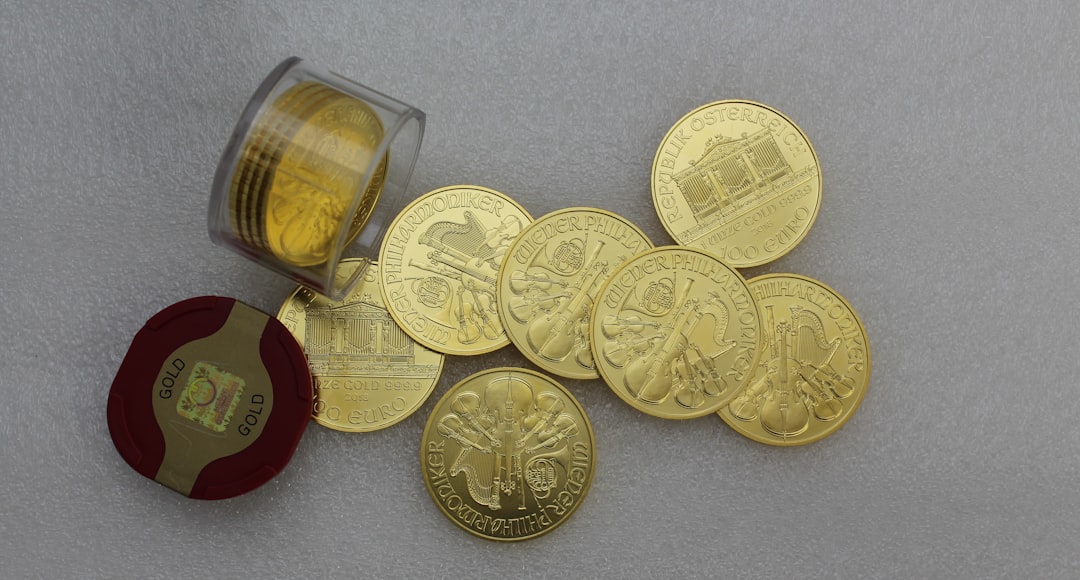
In recent years, central banks around the globe have increasingly turned their attention to gold as a vital component of their reserves. This trend has sparked interest among economists, investors, and policymakers alike, as it signifies a shift in how monetary authorities perceive the role of gold in the modern financial landscape. Historically, gold has been viewed as a safe haven asset, a hedge against inflation, and a store of value.
As economic uncertainties loom and geopolitical tensions rise, central banks are revisiting gold’s traditional role, leading to a notable increase in their gold reserves. The resurgence of interest in gold by central banks can be attributed to various factors, including the desire for financial security and the need to diversify reserves. In an era marked by fluctuating currencies and unpredictable markets, gold offers a tangible asset that can provide stability.
This article delves into the multifaceted reasons behind central banks’ growing gold reserves, exploring their implications for the global economy and the gold market itself.
Key Takeaways
- Central banks are increasingly boosting their gold reserves to enhance economic stability and diversify currency holdings.
- Gold serves as a critical asset in central banks’ reserves due to its role as a safe haven and hedge against inflation.
- Central banks acquire gold through purchases on the open market, mining partnerships, and international agreements.
- Growing gold reserves by central banks can influence global gold prices and impact the broader gold market dynamics.
- Geopolitical factors and economic uncertainties drive central banks to prioritize gold as part of their strategic reserve management.
The Role of Gold in Central Banks’ Reserves
Gold has long been a cornerstone of central banks’ reserves, serving as a reliable asset that can withstand economic turbulence. Unlike fiat currencies, which can be subject to inflationary pressures and devaluation, gold retains intrinsic value. Central banks hold gold not only as a safeguard against currency fluctuations but also as a means to bolster confidence in their monetary systems.
The presence of substantial gold reserves can enhance a nation’s creditworthiness and provide reassurance to investors and citizens alike. Moreover, gold plays a crucial role in diversifying a central bank’s asset portfolio. By holding a mix of currencies, bonds, and gold, central banks can mitigate risks associated with any single asset class.
This diversification strategy is particularly important in times of economic uncertainty when traditional investments may falter. As central banks continue to navigate complex global financial landscapes, gold remains an essential tool for maintaining stability and fostering trust in their monetary policies.
Reasons for Central Banks’ Interest in Gold
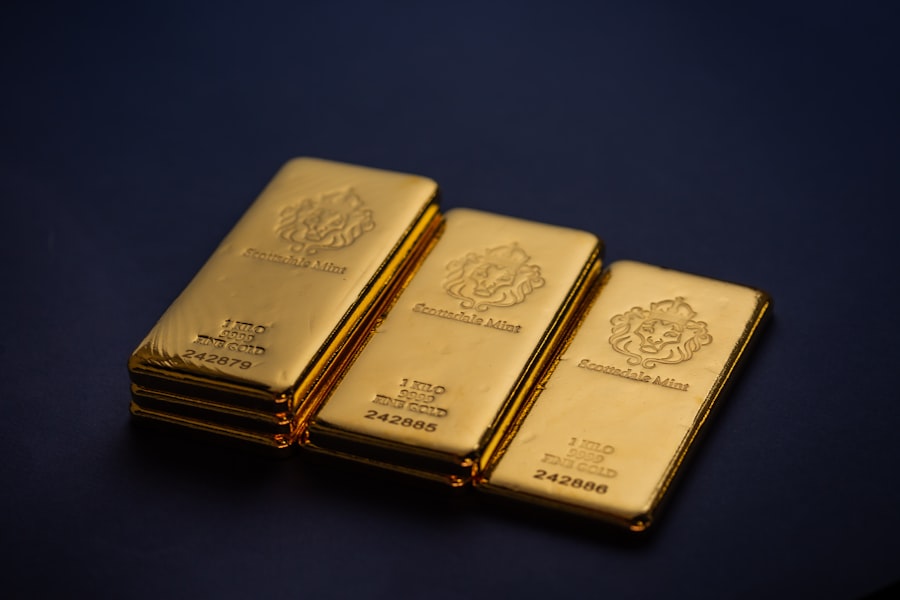
Several factors contribute to the renewed interest of central banks in accumulating gold reserves. One primary reason is the increasing volatility of global financial markets. With geopolitical tensions on the rise and economic uncertainties looming, central banks are seeking refuge in gold as a safe haven asset.
The historical performance of gold during times of crisis reinforces its appeal; it has consistently demonstrated resilience when other assets falter. Additionally, inflation concerns have prompted central banks to reconsider their asset allocations. As central banks around the world implement expansive monetary policies, including low interest rates and quantitative easing, fears of inflation have emerged.
Gold is often viewed as a hedge against inflation, as its value tends to rise when purchasing power declines. Consequently, central banks are strategically increasing their gold holdings to protect their economies from potential inflationary pressures.
How Central Banks Acquire Gold Reserves
Central banks employ various methods to acquire gold reserves, each with its own advantages and challenges. One common approach is purchasing gold from the open market. This method allows central banks to acquire significant quantities of gold quickly, but it can also drive up prices if demand surges.
As central banks compete for limited supplies, the market dynamics can lead to increased costs for acquiring gold. Another avenue for central banks is through mining operations or partnerships with mining companies. By investing in or collaborating with gold mining firms, central banks can secure a steady supply of gold while potentially benefiting from the profits generated by these operations.
However, this approach requires careful consideration of geopolitical factors and environmental concerns associated with mining activities.
Impact of Central Banks’ Gold Reserves on the Gold Market
| Year | Country | Gold Reserves (Metric Tons) | Annual Change (Metric Tons) | Percentage of Total Reserves |
|---|---|---|---|---|
| 2023 | Russia | 2500 | 150 | 23% |
| 2023 | China | 2050 | 100 | 3.5% |
| 2023 | India | 760 | 50 | 6.5% |
| 2023 | Turkey | 550 | 40 | 20% |
| 2023 | United States | 8100 | 0 | 70% |
The actions of central banks have a profound impact on the global gold market. When central banks increase their gold reserves, it often leads to heightened demand, which can drive up prices. This phenomenon is particularly evident during periods of economic uncertainty when investors flock to gold as a safe haven asset.
As central banks accumulate gold, they signal confidence in its value, further encouraging private investors to follow suit. Conversely, when central banks decide to sell off portions of their gold reserves, it can create downward pressure on prices. Such actions may be taken to rebalance portfolios or respond to changing economic conditions.
The interplay between central bank activities and market dynamics underscores the importance of monitoring central bank policies for those involved in the gold market.
Central Banks’ Gold Reserves and Economic Stability
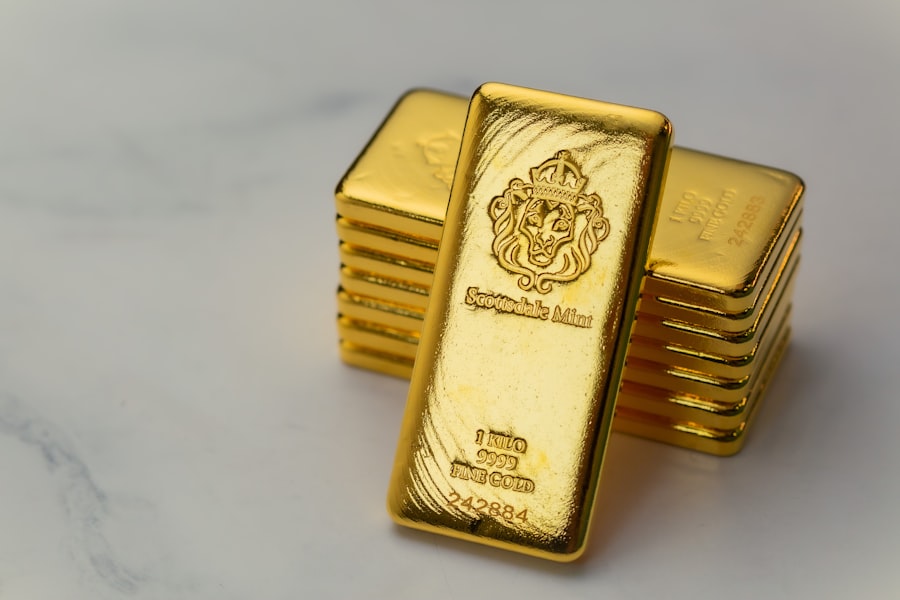
The accumulation of gold reserves by central banks is closely linked to economic stability. A robust gold reserve can serve as a buffer against financial crises and currency devaluation. In times of economic distress, countries with substantial gold holdings are often better positioned to navigate challenges and maintain investor confidence.
This stability is crucial for fostering economic growth and ensuring the smooth functioning of financial systems. Furthermore, gold reserves can enhance a country’s ability to respond to external shocks. For instance, during periods of geopolitical tension or trade disputes, nations with significant gold reserves may find themselves better equipped to weather economic storms.
The strategic importance of gold in promoting economic resilience cannot be overstated; it acts as both a safeguard and a tool for maintaining stability in an increasingly interconnected world.
Comparison of Central Banks’ Gold Reserves
A comparative analysis of central banks’ gold reserves reveals significant disparities among nations. Some countries, such as the United States and Germany, boast substantial gold holdings that form a significant portion of their total reserves. In contrast, emerging economies may have lower levels of gold reserves relative to their overall assets.
This disparity can reflect differing monetary policies, economic strategies, and historical contexts. Moreover, the composition of reserves varies widely among countries. While some nations prioritize gold as a primary reserve asset, others may focus on diversifying their holdings across various currencies and commodities.
Understanding these differences provides valuable insights into how countries approach monetary policy and manage their economic stability.
Central Banks’ Gold Reserves and Geopolitical Considerations
Geopolitical factors play a crucial role in shaping central banks’ decisions regarding gold reserves. In an era marked by rising tensions between major powers, countries are increasingly viewing gold as a strategic asset that can enhance their geopolitical standing. Nations may seek to bolster their gold reserves not only for economic reasons but also as a means of asserting their influence on the global stage.
Additionally, countries may engage in competitive accumulation of gold as a response to perceived threats from rival nations. This behavior reflects a broader trend where nations prioritize self-sufficiency and resilience in the face of geopolitical uncertainties. As central banks navigate these complex dynamics, the interplay between gold reserves and geopolitical considerations will continue to evolve.
Central Banks’ Gold Reserves and Currency Diversification
Currency diversification is another critical aspect influencing central banks’ decisions regarding gold reserves. In an increasingly interconnected global economy, reliance on any single currency poses risks associated with fluctuations in value and stability. By holding gold alongside various currencies, central banks can mitigate these risks and enhance their overall financial resilience.
Gold serves as a universal asset that transcends national borders and currency fluctuations. Its intrinsic value remains relatively stable compared to fiat currencies that can be subject to inflationary pressures or geopolitical instability. As central banks seek to diversify their holdings, gold emerges as an attractive option that complements traditional currency reserves while providing an additional layer of security.
Challenges and Risks of Central Banks’ Gold Reserves
Despite the advantages associated with holding gold reserves, central banks face several challenges and risks in managing these assets. One significant concern is the volatility of the gold market itself. While gold is often viewed as a safe haven during times of crisis, its price can experience significant fluctuations based on market sentiment and external factors such as interest rates or inflation expectations.
Additionally, logistical challenges arise in storing and safeguarding physical gold reserves. Central banks must ensure that their holdings are secure from theft or damage while also considering the costs associated with storage and insurance. These logistical considerations add complexity to the management of gold reserves and require careful planning and oversight.
Future Outlook for Central Banks’ Gold Reserves
Looking ahead, the future outlook for central banks’ gold reserves appears promising but uncertain. As global economic conditions continue to evolve, central banks are likely to reassess their strategies regarding gold accumulation and management. Factors such as inflationary pressures, geopolitical tensions, and shifts in monetary policy will play pivotal roles in shaping these decisions.
Moreover, the growing recognition of gold’s value as a strategic asset may lead more countries to increase their holdings in the coming years. As central banks navigate an increasingly complex financial landscape, their approach to managing gold reserves will remain a critical component of their overall monetary strategies. The interplay between economic realities and geopolitical considerations will undoubtedly influence how central banks view and utilize their gold reserves in the future.
In conclusion, the trend of central banks boosting their gold reserves reflects a broader reassessment of monetary policy in an era marked by uncertainty and volatility. As they navigate complex global dynamics, central banks recognize the enduring value of gold as both a safe haven asset and a strategic tool for maintaining economic stability. The implications of this trend extend beyond individual nations; they resonate throughout the global economy and influence market dynamics in profound ways.
Central banks around the world have been increasingly accumulating gold as a strategic move to bolster their reserves and enhance financial stability.
For a deeper understanding of the implications of this gold accumulation, you can read more in the article available at this link.
WATCH THIS! 🚨 The Secret Deal That Will Break America
FAQs
What is central bank gold accumulation?
Central bank gold accumulation refers to the process by which central banks increase their gold reserves by purchasing or acquiring gold. This is often done to diversify reserves, hedge against currency risks, and enhance financial stability.
Why do central banks accumulate gold?
Central banks accumulate gold to diversify their foreign exchange reserves, protect against inflation and currency devaluation, maintain confidence in the financial system, and provide a safe-haven asset during economic uncertainty.
How do central banks acquire gold?
Central banks acquire gold through purchases on the open market, gold swaps, mining royalties, or by receiving gold as part of international agreements or settlements.
Which countries are known for significant central bank gold accumulation?
Countries such as China, Russia, India, Turkey, and some Middle Eastern nations have been notable for increasing their gold reserves in recent years.
How does central bank gold accumulation affect the global gold market?
Central bank gold accumulation can influence gold prices by increasing demand. Large purchases may lead to price increases, while sales or lending of gold can have the opposite effect.
Is central bank gold accumulation a recent trend?
While central banks have held gold reserves for decades, significant accumulation has been more noticeable since the early 2000s, especially after the 2008 financial crisis, as countries sought to strengthen their reserves.
How much gold do central banks hold globally?
As of recent data, central banks collectively hold over 34,000 metric tons of gold, making them one of the largest holders of gold worldwide.
Does central bank gold accumulation impact national economies?
Yes, holding gold can enhance a country’s financial security and credibility, provide a hedge against economic instability, and influence monetary policy decisions.
Can central banks sell their gold reserves?
Yes, central banks can sell gold reserves, although such sales are typically managed carefully to avoid disrupting the gold market and to maintain confidence in the currency.
How is central bank gold accumulation reported?
Central banks usually report their gold holdings through official publications, international organizations like the International Monetary Fund (IMF), and the World Gold Council, which tracks global gold reserves.