
Reserve currency status is a designation that bestows a currency with a unique position in the global financial system. It is a currency that is widely accepted for international trade and investment, held in significant quantities by governments and institutions as part of their foreign exchange reserves. The U.S. dollar has long held this prestigious status, serving as the primary medium for global transactions and a safe haven during times of economic uncertainty. This status not only enhances the currency’s value but also provides the issuing country with considerable economic advantages, including lower borrowing costs and increased influence over global financial markets. The importance of reserve currency status extends beyond mere economic benefits; it also plays a crucial role in shaping international relations and trade dynamics. Countries that hold significant reserves in a particular currency often find themselves in a position of power, able to influence monetary policy and global economic trends. However, the landscape of global finance is continually evolving, and the dominance of any single currency can be challenged by various factors, including economic shifts, geopolitical tensions, and the emergence of alternative currencies. Understanding the complexities surrounding reserve currency status is essential for grasping the future of global finance.
Key Takeaways
- Reserve currency status has historically been tied to economic strength and geopolitical influence.
- The decline of traditional reserve currencies is driven by economic challenges and shifting global power dynamics.
- Alternative currencies and financial instruments are increasingly being adopted by central banks worldwide.
- Geopolitical shifts significantly impact the dominance and stability of reserve currencies.
- Countries holding reserve currencies must adapt strategies to maintain relevance amid diversification and emerging competitors.
Historical Overview of Reserve Currency
The concept of reserve currency is not a modern phenomenon; it has evolved over centuries. Historically, various currencies have held this esteemed position, reflecting the economic power and stability of their respective nations. In the 19th century, the British pound sterling was the dominant reserve currency, largely due to the United Kingdom’s vast colonial empire and its industrial prowess.
The pound facilitated international trade and investment, becoming the preferred currency for settling transactions across borders. The transition from the pound sterling to the U.S. dollar as the world’s primary reserve currency occurred after World War
The Bretton Woods Agreement in 1944 established a new international monetary system that pegged currencies to the U.S. dollar, which was itself convertible to gold. This arrangement solidified the dollar’s status as the leading reserve currency, as countries sought to hold dollars to facilitate trade and maintain economic stability.
Over the decades, the dollar’s dominance has been reinforced by the size and strength of the U.S. economy, its deep financial markets, and the political stability of the United States.

Factors Contributing to the Decline of Reserve Currency Status
In recent years, several factors have emerged that threaten the U.
dollar’s reserve currency status. One significant factor is the increasing national debt of the United States, which raises concerns about fiscal sustainability and inflation.
As the U.S. government continues to run large budget deficits, foreign investors may begin to question the long-term value of holding dollars. This skepticism can lead to a gradual decline in demand for the dollar as a reserve currency.
Emerging economies, particularly in Asia, are gaining prominence on the world stage, leading to calls for a more multipolar currency system. Countries like China are actively promoting their own currencies for international trade, seeking to reduce reliance on the dollar.
The rise of digital currencies and blockchain technology also poses a challenge to traditional reserve currencies, as they offer new avenues for cross-border transactions that bypass conventional banking systems.
Rise of Alternative Currencies and Financial Instruments
| Metric | 2010 | 2015 | 2020 | 2023 | Trend |
|---|---|---|---|---|---|
| Global Reserve Currency Share (%) | 62.0 | 61.5 | 59.0 | 57.0 | Declining |
| Percentage of Global FX Reserves | 62.5 | 61.0 | 58.5 | 56.5 | Declining |
| Share of Global Debt Issued in Currency (%) | 40.0 | 38.0 | 35.0 | 33.0 | Declining |
| Percentage of International Payments (%) | 45.0 | 43.0 | 40.0 | 38.0 | Declining |
| Central Bank Holdings (Trillions) | 6.0 | 6.5 | 6.0 | 5.5 | Declining |
The emergence of alternative currencies and financial instruments has further complicated the landscape of reserve currency status. Cryptocurrencies, such as Bitcoin and Ethereum, have gained traction as decentralized forms of money that operate independently of central banks. While still volatile and not widely accepted for everyday transactions, these digital assets represent a shift in how individuals and businesses perceive value and conduct transactions.
Moreover, regional currencies are gaining attention as viable alternatives to the dollar. The euro, for instance, has established itself as a significant reserve currency since its introduction in 1999. The European Union’s collective economic strength and commitment to maintaining stability have bolstered confidence in the euro as a medium for international trade.
Similarly, initiatives like China’s Belt and Road Initiative aim to promote the renminbi as a global currency by facilitating trade agreements that favor its use.
Geopolitical Shifts and Their Impact on Reserve Currency Status
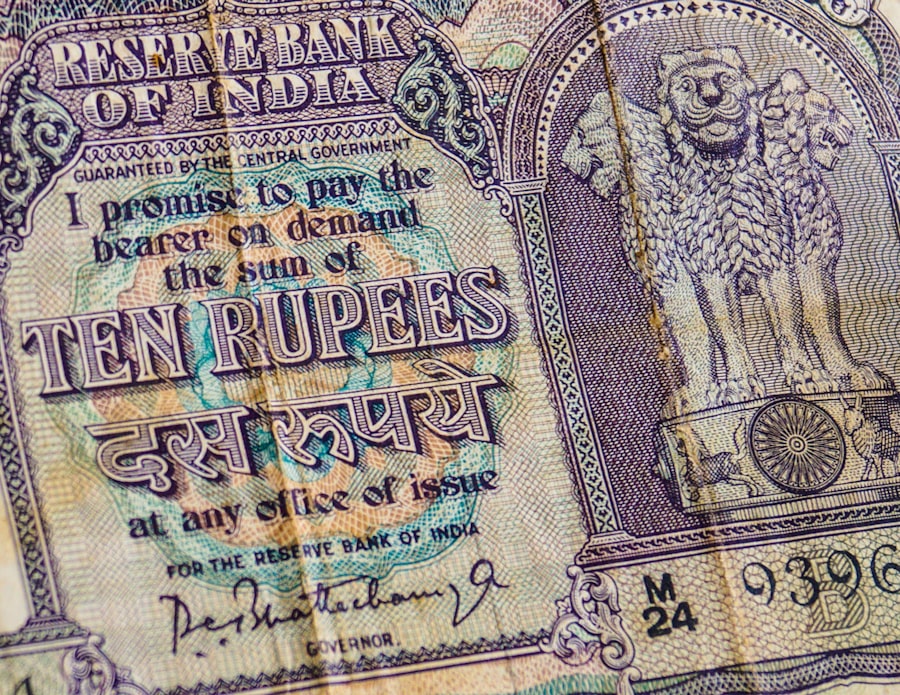
Geopolitical shifts play a crucial role in determining which currencies hold reserve status. As global power dynamics change, so too do alliances and trade relationships. The rise of China as an economic superpower has led to increased scrutiny of U.S.
hegemony in global finance. Tensions between the United States and other nations, particularly in light of trade disputes and sanctions, have prompted some countries to seek alternatives to the dollar. For instance, Russia has actively pursued de-dollarization strategies in response to U.S.
sanctions, seeking to reduce its reliance on the dollar for international trade. This shift has led to increased cooperation with countries like China and India, which are also exploring ways to conduct trade in their own currencies rather than relying on the dollar. Such geopolitical maneuvers can significantly impact demand for reserve currencies and reshape global financial systems.
Economic Challenges Faced by Current Reserve Currency
The U.S. dollar faces several economic challenges that could undermine its reserve currency status. One pressing issue is inflationary pressure resulting from expansive monetary policies implemented during times of crisis, such as the COVID-19 pandemic.
As central banks around the world engage in quantitative easing and low-interest-rate policies, concerns about inflation have risen sharply. If inflation erodes confidence in the dollar’s purchasing power, countries may reconsider their holdings of dollars as part of their foreign exchange reserves. Additionally, economic inequality within the United States poses risks to its long-term stability.
A growing wealth gap can lead to social unrest and political instability, which may deter foreign investors from holding dollars or investing in U.S. assets. Furthermore, if domestic economic challenges persist without effective policy responses, it could weaken the dollar’s appeal as a safe haven during times of global uncertainty.
Central Bank Diversification and its Effect on Reserve Currency
Central banks around the world are increasingly diversifying their foreign exchange reserves away from traditional reserve currencies like the U.S. dollar. This trend reflects a desire for greater stability and risk management in an uncertain global economic environment.
By holding a broader array of currencies and assets, central banks can mitigate potential losses associated with fluctuations in any single currency’s value. This diversification strategy has implications for reserve currency status as it signals a shift in confidence among central banks regarding traditional reserve currencies. As more countries allocate portions of their reserves to alternative currencies or assets such as gold or cryptocurrencies, it could diminish demand for dollars over time.
This trend may also encourage other nations to follow suit, further accelerating the decline of dollar dominance in global finance.
Implications of the Decline of Reserve Currency Status
The decline of reserve currency status carries significant implications for both issuing countries and the global economy at large. For countries that currently hold reserve currency status, such as the United States, losing this designation could lead to higher borrowing costs and reduced influence over international monetary policy. The ability to finance deficits through foreign investment may diminish if confidence in the currency wanes.
On a broader scale, a shift away from a single dominant reserve currency could lead to increased volatility in foreign exchange markets as multiple currencies vie for prominence. This fragmentation may complicate international trade agreements and create challenges for businesses operating across borders. Additionally, it could result in greater competition among nations to establish their currencies as viable alternatives, potentially leading to geopolitical tensions.
Potential Future Reserve Currencies
As discussions about potential future reserve currencies gain traction, several candidates emerge as contenders for this prestigious status. The euro remains a strong alternative due to its backing by one of the largest economic blocs in the world. Its stability and liquidity make it an attractive option for countries seeking diversification away from the dollar.
China’s renminbi is also frequently mentioned as a potential future reserve currency. The Chinese government has made concerted efforts to internationalize its currency through initiatives like the Belt and Road Initiative and by establishing bilateral trade agreements that favor renminbi transactions. However, concerns about transparency and capital controls continue to hinder its widespread acceptance.
Strategies for Countries Holding Reserve Currency to Adapt
Countries holding reserve currency status must adopt proactive strategies to adapt to changing dynamics in global finance. One approach involves enhancing transparency and accountability within their financial systems to maintain investor confidence. By demonstrating sound fiscal management and commitment to stable monetary policies, these countries can reassure foreign investors about the long-term viability of their currencies.
Additionally, fostering international partnerships and trade agreements can help reinforce demand for their currencies in global markets. Engaging with emerging economies and promoting bilateral trade arrangements can create opportunities for greater use of their currencies in international transactions. By positioning themselves as reliable partners in an increasingly multipolar world, countries can work to sustain their reserve currency status amid evolving challenges.
Conclusion and Outlook for Reserve Currency Status
The future of reserve currency status remains uncertain as various factors converge to challenge traditional paradigms in global finance. While the U.S. dollar currently retains its dominant position, emerging trends suggest that its supremacy may be tested by alternative currencies and shifting geopolitical landscapes.
The rise of digital currencies and regional alternatives adds complexity to an already dynamic environment. As countries navigate these changes, proactive strategies will be essential for maintaining confidence in their currencies and adapting to new realities in international finance. The evolution of reserve currency status will likely continue to unfold over time, reflecting broader economic trends and geopolitical shifts that shape our interconnected world.
Ultimately, understanding these dynamics will be crucial for policymakers and investors alike as they seek to navigate an increasingly complex financial landscape.
The decline of reserve currency status has significant implications for global economics, as highlighted in a recent article discussing the shifting dynamics in international finance. For a deeper understanding of this topic, you can read more in the article available at this link.
WATCH THIS! 🚨 The Secret Deal That Will Break America
FAQs
What is a reserve currency?
A reserve currency is a foreign currency held by central banks and other major financial institutions as part of their foreign exchange reserves. It is used for international trade, investments, and to support the value of a country’s own currency.
Why is the reserve currency status important?
Reserve currency status provides a country with economic advantages, such as lower borrowing costs, increased demand for its currency, and greater influence in global financial markets.
Which currency currently holds the dominant reserve currency status?
The US dollar is currently the dominant global reserve currency, accounting for the largest share of foreign exchange reserves worldwide.
What factors contribute to the decline of a reserve currency’s status?
Factors include economic instability, high national debt, loss of confidence by international investors, geopolitical shifts, and the emergence of alternative currencies or financial systems.
What are the potential consequences of a declining reserve currency status?
Consequences may include higher borrowing costs for the issuing country, reduced global influence, increased currency volatility, and shifts in international trade and investment patterns.
Are there any currencies challenging the US dollar’s reserve status?
Yes, currencies such as the euro, Chinese yuan (renminbi), and to a lesser extent the Japanese yen and British pound, are considered potential challengers to the US dollar’s dominance.
How do central banks respond to changes in reserve currency status?
Central banks may diversify their foreign exchange reserves by increasing holdings in other currencies, gold, or alternative assets to reduce reliance on a single reserve currency.
Can a reserve currency regain its status after decline?
Yes, a reserve currency can regain status if the issuing country improves its economic fundamentals, restores investor confidence, and maintains stability in its financial system.
What role do geopolitical events play in reserve currency status?
Geopolitical events can significantly impact reserve currency status by affecting global trust, trade relationships, and economic stability, which influence central banks’ reserve currency choices.
Is the decline of a reserve currency status a sudden or gradual process?
The decline is typically gradual, occurring over years or decades, as global economic and political dynamics evolve and alternative currencies gain acceptance.