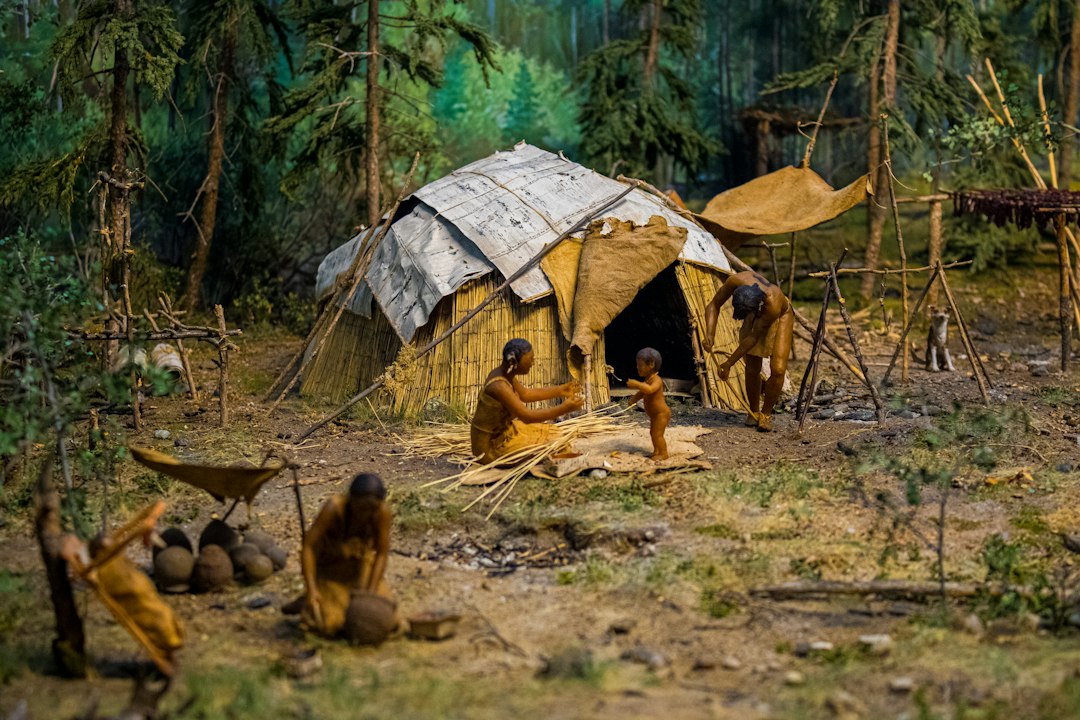
The Mesolithic period, often referred to as the “Middle Stone Age,” represents a pivotal era in human prehistory, bridging the gap between the hunter-gatherer societies of the Paleolithic and the more settled agricultural communities of the Neolithic. Within this dynamic period, which spans roughly from 10,000 BCE to 8,000 BCE in Europe and parts of Asia, human ingenuity and adaptability shone brightly, particularly in their sophisticated use of mountain resources. Far from being barren obstacles, mountain environments offered a rich tapestry of opportunities for Mesolithic peoples, influencing their settlement patterns, subsistence strategies, technological innovations, and even their cultural expressions. Understanding how these early humans interacted with and utilized mountainous landscapes provides invaluable insights into their resilience, resourcefulness, and the complex adaptive strategies that allowed them to thrive in challenging terrains.
Adapting to Altitude: Mesolithic Settlements in Mountainous Regions
The establishment of human settlements in mountainous regions during the Mesolithic period was not a haphazard affair but a testament to careful observation and strategic decision-making. Mesolithic groups demonstrated a remarkable ability to identify and exploit the unique advantages offered by these elevated environments, often establishing base camps and seasonal outposts in locations that provided both safety and access to vital resources. The selection of these sites was influenced by a confluence of factors, including proximity to water sources, defensive positioning, and the availability of specific plant and animal life.
Strategic Placement for Safety and Resources
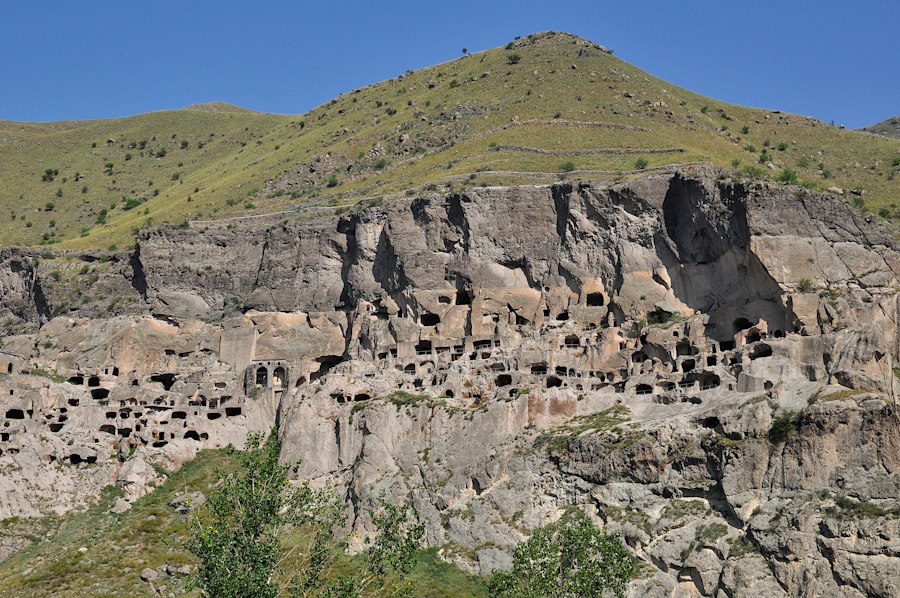
Mesolithic peoples often chose cave entrances, rock shelters, and the edges of valleys for their settlements. These locations offered natural protection from the elements and predators, crucial for the survival of small, mobile groups. Furthermore, caves could provide a stable environment for activities such as tool manufacturing and food processing. The proximity to reliable water sources, such as mountain streams and springs, was paramount. These water bodies not only sustained human life but also attracted game animals, making them central to hunting strategies. The careful selection of these sites suggests a deep understanding of the local topography and the predictable movements of wildlife.
Seasonal Migration and Exploitation Cycles
While some Mesolithic communities may have maintained more permanent or semi-permanent bases in lower mountain valleys, many likely engaged in seasonal migrations, following the availability of resources. As the seasons changed, so too would the ecological zones within mountain landscapes. In warmer months, higher altitudes might have offered abundant grazing grounds for herbivores, attracting both prey and Mesolithic hunters. Conversely, the onset of winter would have necessitated a retreat to lower elevations, where more sheltered environments and different food sources might be available. This cyclical pattern of movement and exploitation demonstrates a sophisticated understanding of altitudinal zonation and the annual rhythms of the mountain ecosystem. Evidence for such seasonal movements can be found in the distribution of archaeological sites, with different toolkits and faunal remains appearing at varying elevations, indicating distinct periods of occupation. The presence of specific plant remains, like nuts and berries, can also point to seasonal harvesting activities at particular altitudes.
The Mesolithic period, often characterized by the adaptation of early humans to changing environments, saw these people utilizing various mountain resources for their survival and development. An insightful article that explores the implications of resource management and ownership in contemporary contexts can be found at this link. It discusses how the historical relationship between humans and their environment continues to influence modern governance and property rights, drawing parallels to the resource strategies employed by Mesolithic communities in mountainous regions.
Sustenance from the Summits: Mesolithic Food Procurement in Mountains
The diet of Mesolithic peoples in mountainous regions was as diverse as the landscapes they inhabited, reflecting a remarkable adaptability in their methods of acquiring food. They were not solely reliant on one or two staple resources but possessed a broad spectrum of subsistence strategies, drawing from the abundant, albeit sometimes challenging, provisions of the mountains. Hunting, gathering, and fishing all played significant roles, often in combination, tailored to the specific offerings of each season and elevation.
The Art of Mountain Hunting
Hunting was a cornerstone of Mesolithic subsistence in mountainous areas, with a focus on animals well-suited to these environments. Wild goats and sheep, adept at navigating steep terrain, were likely primary targets. Ibex and chamois, with their remarkable agility and strength, would have required sophisticated hunting techniques, possibly involving skilled tracking, ambushes, and the use of projectile weapons. The abundance of red deer and roe deer in lower mountain forests would also have provided a significant food source. Mesolithic hunters would have needed to master the art of stalking in dense woodlands and open alpine meadows, utilizing the natural cover and terrain to their advantage. The development of more refined projectile points, such as microliths hafted onto spears and arrows, would have been crucial for increasing hunting efficiency and range. Evidence from butchered animal bones found at Mesolithic sites often reveals fractures consistent with bone marrow extraction, indicating that Mesolithic peoples utilized all parts of their prey.
Gathering the Gifts of the Alpine Flora
Beyond hunting, the Mesolithic peoples were adept gatherers, exploiting the rich botanical diversity of mountain environments. Edible plants, roots, tubers, berries, and nuts provided essential vitamins, carbohydrates, and alternative food sources, especially during periods when hunting success was low. Alpine meadows and subalpine forests would have offered a bounty of resources. For example, various species of berries, such as blueberries, raspberries, and lingonberries, would have been ripe for collection during the summer and autumn months. Roots and tubers from plants like wild parsnip and various grasses would have been dug up and processed. Nuts, such as hazelnuts and acorns, were likely gathered in large quantities and stored for winter consumption. The processing of certain plant materials, such as grinding nuts into flour, would have been a significant undertaking, requiring specialized tools like grinding stones. The presence of pollen and seed remains in archaeological contexts provides strong evidence for the significant role of plant gathering in the Mesolithic diet.
Tapping into Mountain Waterways
While often not as prominent as in lowland regions, mountain streams and rivers also offered opportunities for Mesolithic peoples to supplement their diet through fishing and gathering aquatic resources. Smaller fish species, such as trout and salmon, would have been present in these fast-flowing waterways. Mesolithic peoples likely employed simple fishing techniques, such as trapping fish in natural constrictions of rivers or using rudimentary nets and spears. The gathering of freshwater mussels and other shellfish from riverbeds would have provided an additional source of protein. The discovery of fish bones and mollusk shells at Mesolithic sites, particularly those located near water bodies, attests to the importance of these resources. The exploitation of these aquatic resources would have been particularly valuable during times of scarcity, showcasing the Mesolithic peoples’ broad subsistence strategies.
Ingenuity in Stone and Bone: Mesolithic Tools for Mountain Life
The Mesolithic period is characterized by significant advancements in stone tool technology, and these innovations were particularly crucial for enabling Mesolithic peoples to thrive in the demanding environments of mountain regions. The harshness and diversity of the mountains necessitated the development of specialized tools, not only for acquiring food and shelter but also for navigating the terrain and processing the unique resources available. These tools, crafted from local materials, speak volumes about the ingenuity and resourcefulness of these early humans.
Microlithic Mastery for Precision and Range
One of the most defining technological characteristics of the Mesolithic is the widespread use of microliths. These were small, often geometric, stone blades that were hafted onto wooden or bone shafts to create composite tools. In mountainous regions, microliths were particularly effective for creating the tips of arrows and javelins, allowing for more accurate and longer-range hunting of swift and elusive prey like mountain goats and deer. The ability to strike from a distance was a significant advantage when dealing with animals that could easily escape into inaccessible terrain. The production of microliths often involved techniques such as pressure flaking, which allowed for the creation of very sharp and precisely shaped edges. The variety of microlith shapes – triangles, trapezoids, and crescents – suggests they were adapted for different hunting purposes and potentially for use in other tools.
Diversified Lithic Assemblages for Varied Tasks
Beyond microliths, Mesolithic toolkits in mountainous areas featured a range of other stone implements, each designed for specific purposes. Axes and adzes, often made from durable stone like flint or chert, were essential for woodworking. These tools would have been used to fell trees for constructing shelters, crafting tools and weapons, and preparing firewood. The presence of larger, heavier axes suggests the ability to tackle larger timbers found in mountain forests. Scrapers, made from flint or other fine-grained stones, were used for preparing animal hides, scraping meat from bones, and working wood. Knives and blades, with their sharp edges, were indispensable for butchering game, preparing food, and countless other cutting tasks. The careful selection of raw materials, often sourcing high-quality stone from specific geological deposits within or near mountainous areas, highlights their understanding of material properties and their ability to transport and trade these valuable resources.
Bone and Antler: Versatile Mountain Materials
The use of bone and antler, readily available from the animals they hunted, provided Mesolithic peoples with a versatile range of materials for tool production. Antlers, in particular, were highly prized for their strength and durability. Antler picks and mattocks were likely used for digging up roots and tubers, as well as for excavating earth for shelters or other purposes. Awls and needles, crafted from bone or antler, were crucial for sewing together animal hides to create clothing, tents, and other essential items. Harpoons, with their barbed points, were effective for fishing in mountain streams. The shaping of bone and antler involved techniques such as grinding, polishing, and drilling, showcasing a sophisticated understanding of these organic materials. The often intricate designs and finishes found on some bone and antler artifacts suggest a developing aesthetic sense and a desire to imbue functional objects with symbolic meaning.
A Deeper Connection: Mesolithic Art and Beliefs in Mountain Landscapes
While direct evidence of Mesolithic art in mountainous regions is less abundant compared to some other prehistoric contexts, the available findings suggest that these landscapes played a significant role in shaping their symbolic world and spiritual beliefs. The awe-inspiring grandeur of mountains, the raw power of nature, and the cycles of life and death experienced within these environments likely influenced their artistic expressions and their understanding of the cosmos.
Engravings and Carvings: Echoes of Mountain Life
Evidence of Mesolithic artistic endeavors in mountainous areas often takes the form of portable art objects, such as engraved bone and antler fragments, and potentially rock art in sheltered locations. These engravings might depict the animals that were central to their lives – mountain goats, deer, and birds – rendered with a degree of naturalism or stylized abstraction. The act of creating these images could have served various purposes, including recording hunts, communicating stories, or perhaps as part of ritualistic practices. The specific motifs and styles employed can offer insights into their perception of the natural world and the creatures that inhabited it. For instance, depictions of animals in dynamic poses could reflect the excitement and skill involved in hunting. The discovery of such artifacts in association with human burials further suggests a potential link between art, belief systems, and the afterlife.
Rituals and Symbolism Tied to the Peaks
The imposing presence of mountains themselves may have held a significant spiritual or symbolic meaning for Mesolithic peoples. High peaks and prominent rock formations could have been perceived as sacred sites, places where the veil between the human and the spiritual world was thinner. Ritualistic activities, such as offerings or ceremonies, might have taken place in these locations to appease spirits, ensure successful hunts, or seek protection. The discovery of caches of tools or artifacts in natural geological features, such as caves or rock shelters within mountainous areas, could indicate ritualistic deposition. The specific placement and types of objects found in these contexts can offer clues about the nature of these practices and the beliefs they represented. The cyclical nature of mountain life – the changing seasons, the predictable movements of animals, the patterns of weather – could also have been reflected in their cosmological beliefs and their understanding of time and renewal.
The Mesolithic period, often characterized by the adaptation of early humans to changing environments, saw these people skillfully utilizing mountain resources for their survival. Their ability to gather materials such as stone, wood, and various plants from mountainous regions played a crucial role in their daily lives and cultural development. For a deeper understanding of how ancient communities adapted to their surroundings, you might find this article on preparing for emergencies insightful, as it draws parallels between resource management in historical contexts and modern-day preparedness strategies. You can read more about it here.
The Legacy of Mountain Mesoliths: Adaptability and Human Resilience
| Metric | Description | Value/Estimate | Source/Notes |
|---|---|---|---|
| Time Period | Approximate era of Mesolithic people | 10,000 – 5,000 BCE | Post-glacial period, transition from Paleolithic to Neolithic |
| Altitude Range of Mountain Habitation | Typical elevation where Mesolithic groups exploited mountain resources | 500 – 2,000 meters above sea level | Varies by region; evidence from European mountain sites |
| Primary Mountain Resources Used | Types of resources exploited in mountainous areas | Wild game (ibex, deer), edible plants, freshwater fish, flint for tools | Archaeological findings from mountain caves and rock shelters |
| Tool Types | Common tools made from mountain resources | Microliths, bone harpoons, scrapers | Used for hunting, fishing, and processing plants |
| Seasonal Mobility | Patterns of movement related to mountain resource availability | Seasonal transhumance between lowlands and mountains | Based on faunal remains and settlement patterns |
| Diet Composition | Proportion of mountain-derived food in diet | Estimated 40-60% from mountain hunting and gathering | Stable isotope analysis of human remains |
| Settlement Types | Common Mesolithic habitation sites in mountains | Caves, rock shelters, open-air camps | Sites often near water sources and hunting grounds |
The Mesolithic peoples who inhabited and utilized mountain resources left an indelible mark on human history, demonstrating a profound capacity for adaptation and resilience. Their ability to thrive in challenging, often unpredictable environments speaks to their keen observational skills, their technological prowess, and their deep understanding of the natural world. The lessons learned from their success in these elevated landscapes offer valuable insights into the broader trajectory of human development and our enduring relationship with diverse ecosystems.
Technological Diffusion and Innovation
The innovations developed by Mesolithic groups in mountainous regions were not confined to these areas but likely contributed to the broader technological landscape of the period. The refinement of projectile weaponry, for instance, undoubtedly had implications for hunting strategies across different geographical zones. The development of efficient methods for processing plant materials and utilizing animal byproducts further contributed to the expanding repertoire of Mesolithic subsistence techniques. The exchange of ideas and technologies between different Mesolithic communities, whether through direct contact or indirect diffusion, would have facilitated the spread of these successful adaptations, further enhancing human capacity to inhabit a wider range of environments.
Environmental Stewardship and Sustainable Practices
While the concept of environmental stewardship as we understand it today is anachronistic, the Mesolithic peoples’ sustained use of mountain resources suggests a form

The 7,000-Year-Old Secret Hidden Under a Lake
FAQs
What types of mountain resources did Mesolithic people utilize?
Mesolithic people utilized a variety of mountain resources such as game animals, wild plants, nuts, berries, and medicinal herbs. They also used stones for tools and weapons, as well as materials for shelter construction.
How did Mesolithic people access mountain resources?
Mesolithic people accessed mountain resources by hunting and gathering. They would travel to higher elevations to hunt game animals and collect wild plants. They also used specialized tools to extract resources such as flint for making weapons.
Did Mesolithic people have specific techniques for utilizing mountain resources?
Yes, Mesolithic people had specific techniques for utilizing mountain resources. For example, they used controlled fires to clear land for hunting and to encourage the growth of certain plants. They also used traps and snares to catch game animals.
How did the utilization of mountain resources impact Mesolithic societies?
The utilization of mountain resources had a significant impact on Mesolithic societies. It provided them with a stable source of food, materials for tools and shelter, and access to valuable resources for trade. It also influenced their social organization and cultural practices.
Were there any challenges associated with utilizing mountain resources for Mesolithic people?
Yes, there were challenges associated with utilizing mountain resources for Mesolithic people. These challenges included harsh weather conditions, difficult terrain, and competition with other groups for resources. Mesolithic people had to adapt their strategies to overcome these challenges and ensure their survival.