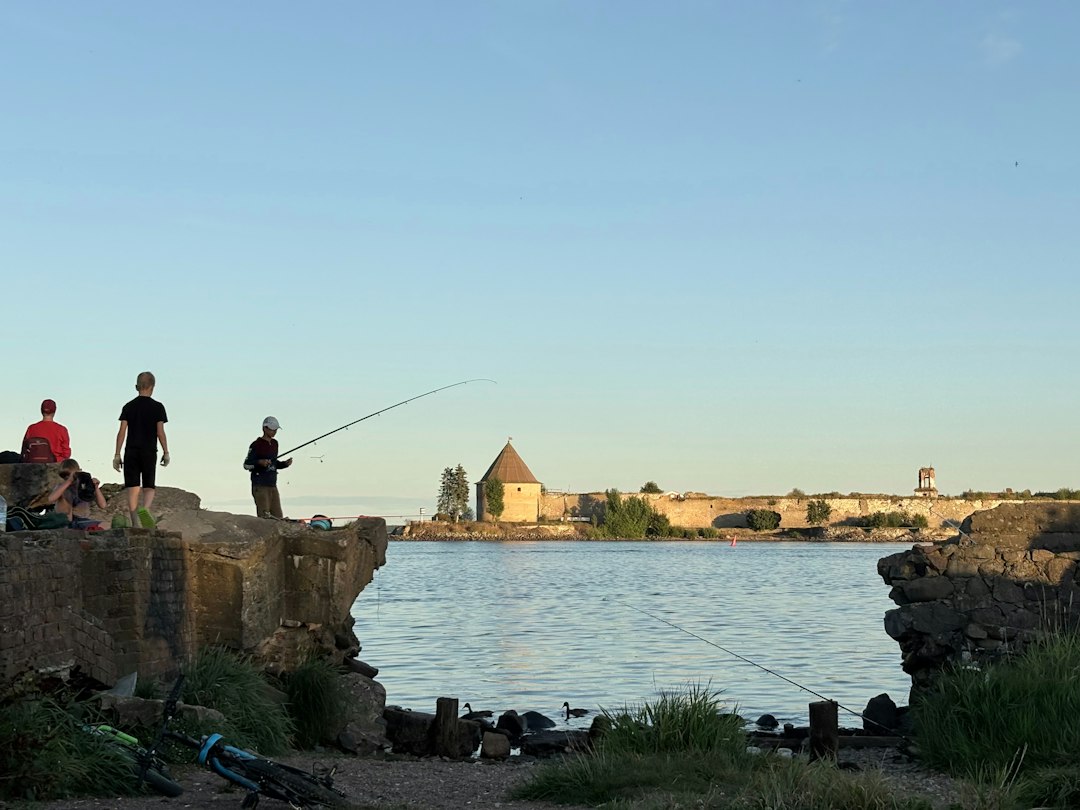
Echoes of the Tides: Ancient Fishing Grounds Rekindle Cultural Flames
The rhythmic lapping of waves against weathered shores, the tang of salt in the air, the glint of scales beneath the sun – these are the sensory touchstones that have, for millennia, anchored communities to their ancestral lands. Across the globe, a profound cultural resurgence is taking root, a movement where indigenous peoples are not merely remembering but actively reclaiming their heritage by returning to the very fishing grounds that sustained their ancestors for generations. This is more than a nostalgic pilgrimage; it is a vital act of cultural revival, a reassertion of identity, and a testament to the enduring power of place and tradition. From the remote fjords of Norway to the vibrant coral reefs of the Pacific, the story unfolds of communities breathing new life into ancient practices, ensuring their knowledge, their connection to the natural world, and their cultural narratives are passed on to future generations.
Recent studies have shown that ancient peoples often returned to specific fishing sites, highlighting the importance of these locations for sustenance and cultural practices. This behavior underscores the deep connection between early human societies and their environments, particularly in regions where resources were scarce. As we examine the impact of climate change on modern fishing practices, it’s crucial to consider how historical patterns may inform our understanding of current challenges. For more insights on how environmental changes, such as Antarctica’s melting ice caps, are affecting global ecosystems, you can read the article here: Antarctica’s Melting Ice Caps Threatening Sea Level Rise.
The Deep Roots of Aquatic Sustenance

The relationship between humanity and the aquatic realm is as old as civilization itself. For countless indigenous cultures, the sea, rivers, and lakes were not just sources of food but the very heart of their societies. The skills involved in fishing, net-making, boat construction, and the understanding of tidal patterns, fish migrations, and marine ecosystems were meticulously passed down through oral traditions and practical apprenticeship. These were not merely survival techniques; they were intricate systems of knowledge, imbued with spiritual significance and woven into the fabric of daily life. The act of fishing was often accompanied by rituals, ceremonies, and a profound respect for the bounty of the waters, recognizing a reciprocal relationship between humans and the natural world.
A Legacy of Interdependence
The deep historical roots of fishing practices highlight an era of profound interdependence between human communities and their aquatic environments. Before the advent of industrial fishing, the scale of human impact was generally far more sustainable. Traditional fishing methods, often passed down through generations, were inherently designed to work with, rather than against, the natural cycles of the ocean. This was not a conscious effort at conservation as understood today, but rather a practical necessity born from an intimate understanding of the ecosystem’s limits. If fish stocks were depleted, the community’s survival was directly threatened. This pragmatic approach fostered a deep respect for the delicate balance of marine life, a respect that often permeated their spiritual beliefs and cultural practices. Stories, songs, and art frequently depicted the importance of the sea and its inhabitants, reinforcing the connection and the responsibility that came with harvesting its gifts.
The Erosion of Traditional Ways
The arrival of colonial powers and the subsequent rise of industrialization brought about seismic shifts in these age-old relationships. The introduction of new technologies, often on a much larger scale and with less regard for local ecosystems, began to deplete fish stocks at an unprecedented rate. Traditional fishing grounds, once teeming with life, became barren. The economic and social structures that had been built around these practices were dismantled. Indigenous communities were often displaced, their access to ancestral waters restricted, and their traditional knowledge devalued or actively suppressed. This period of disruption led to a gradual erosion of cultural practices, as the practical basis for their continuation – the abundant and accessible fish – disappeared. The vibrant tapestry of knowledge and tradition associated with fishing began to fray, leaving many communities adrift from their ancestral identity.
The Modern Renaissance of Ancestral Waters
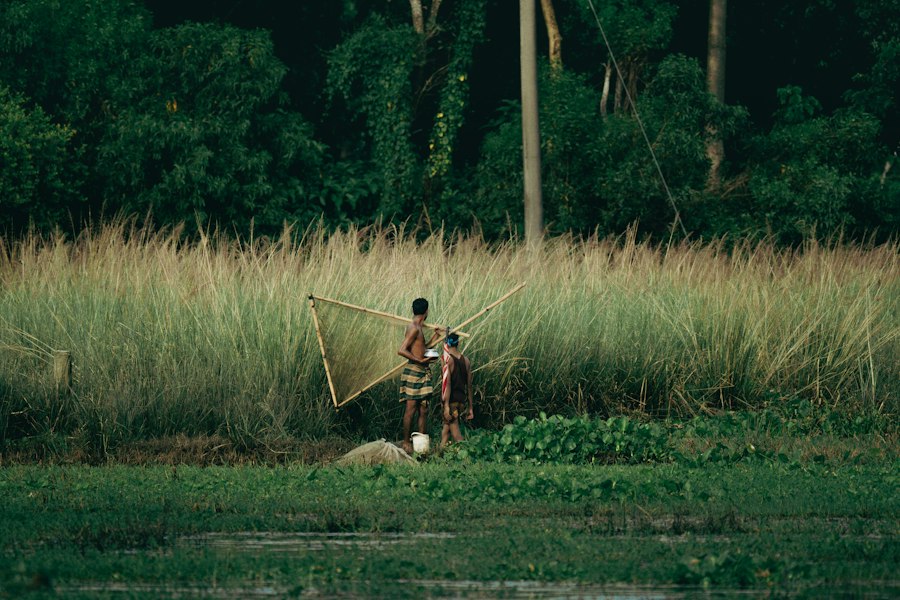
In recent decades, a powerful counter-current has emerged. Across continents and islands, indigenous peoples are undertaking deliberate efforts to reconnect with their ancestral fishing sites. This return is fueled by a growing awareness of the cultural and ecological devastation wrought by historical practices and a deep-seated desire to reclaim what was lost. It is a multifaceted movement, encompassing the revival of traditional fishing techniques, the restoration of degraded habitats, and the intergenerational transfer of ancestral knowledge. The resurgence is not a simple rehashing of the past but a dynamic adaptation, integrating modern understanding with ancient wisdom to create sustainable and culturally relevant practices for the present and future.
Relearning the Rhythms of the Sea
The journey back to ancestral fishing grounds often begins with the painstaking process of relearning. Elders, who may be the last keepers of certain traditional knowledge, are at the forefront of this revival. They teach younger generations about the nuances of specific fishing techniques, the identification of different species, the signs of changing weather patterns, and the ethical considerations that guided their ancestors. This can involve relearning how to weave specific types of nets from natural fibers, how to build and navigate traditional canoes, and how to read the subtle signs of the environment that indicate the presence of fish. The process is often slow and deliberate, requiring patience and a deep commitment from both teachers and students. The revival extends beyond the physical act of fishing to encompass the stories, songs, and ceremonies associated with it, bringing back the spiritual and cultural dimensions that were once inseparable from the practice.
Revitalizing Eco-Cultural Linkages
A critical aspect of this revival is the recognition that traditional fishing practices are intrinsically linked to the health of the ecosystem. As communities return to their ancestral sites, they are not just seeking to harvest fish but also to actively participate in the restoration and protection of these environments. This can involve initiatives to clean up polluted waterways, to replant mangrove forests that serve as crucial nurseries for fish, or to advocate for the establishment of marine protected areas that are managed according to traditional ecological knowledge. The success of these efforts is often measured not just by the return of fish populations but by the broader ecological health of the area, demonstrating a holistic approach to environmental stewardship. This renewed focus on eco-cultural linkages underscores the understanding that the vitality of their culture is inextricably tied to the vitality of the natural world they inhabit.
The Knowledge Keepers and Their Modern Apprentices
The success of any cultural revival hinges on the effective transmission of knowledge from one generation to the next. In the context of ancestral fishing sites, this means identifying and empowering the individuals who hold this invaluable wisdom – the elders – and creating structured pathways for younger generations to learn from them. This intergenerational transfer is not always a formal process; it often happens through shared experiences, storytelling, and hands-on participation. However, many communities are now developing more structured programs to ensure that this knowledge is preserved and disseminated effectively.
Elders as Living Libraries
The elders within these communities are more than just individuals with memories; they are living libraries of ancestral knowledge. Their understanding of the sea, its inhabitants, and the practices that sustained their people has been accumulated over lifetimes of observation and experience. They possess an intuitive understanding of the delicate balance of the marine ecosystem, knowledge that often predates scientific study and offers invaluable insights into sustainable resource management. Their teachings encompass not only the practical aspects of fishing but also the cultural context, the spiritual significance, and the ethical responsibilities associated with harvesting from the ocean. This often includes intricate knowledge of weather patterns, lunar cycles, and the migratory habits of various fish species, all crucial for successful and sustainable fishing.
Cultivating the Next Generation of Stewards
The challenge lies in ensuring that this rich legacy is not lost to time. Communities are actively creating opportunities for younger generations to engage with their elders and learn these traditional skills. This can take the form of mentorship programs, cultural camps, and hands-on workshops where young people participate in actual fishing expeditions, learn to mend nets, and hear the stories and legends that accompany these practices. The goal is not simply to train fishers but to cultivate stewards of the environment – individuals who understand the deep cultural significance of their fishing heritage and are committed to its preservation and sustainable future. This nurturing of the next generation ensures that the echoes of the tides continue to resonate for centuries to come.
Recent studies have shown that ancient people often returned to specific fishing sites, indicating a deep understanding of seasonal patterns and ecological balance. This practice not only highlights their sustainable fishing methods but also reflects a profound connection to their environment. For a broader perspective on how climate change impacts our relationship with nature, you can explore the article on the climate emergency, which discusses the urgent need for action in preserving our ecosystems. You can read more about it here.
Navigating the Challenges of Reconnection
| Site Name | Region | Estimated Age (Years BP) | Type of Fish Caught | Frequency of Return Visits | Evidence of Fishing Tools |
|---|---|---|---|---|---|
| Lake Mungo | Australia | 40,000 | Murray Cod, Eels | Annual | Stone fish hooks, bone points |
| Jomon Coast | Japan | 14,000 | Salmon, Trout | Seasonal | Shell fishhooks, fishing nets |
| Franchthi Cave | Greece | 13,000 | Sea Bream, Grouper | Monthly | Bone harpoons, net weights |
| Blombos Cave | South Africa | 75,000 | Rock Lobster, Fish | Irregular | Shell beads, bone tools |
| Doggerland | North Sea | 8,000 | Cod, Herring | Seasonal | Bone fishhooks, spears |
The path to reclaiming ancestral fishing sites is not without its obstacles. Modern societal pressures, economic realities, and sometimes even legal and political barriers can present significant challenges to these revival efforts. Despite these hurdles, the resilience and determination of indigenous communities are evident in their innovative approaches to overcoming these difficulties.
Economic Viability in a Changing World
One of the primary challenges is ensuring the economic viability of traditional fishing practices in the face of modern market demands and competition. Industrial fishing operations often have lower overheads and can produce fish at a price that is difficult for small-scale, traditional fishers to match. Communities are exploring innovative solutions such as developing niche markets for sustainably sourced, culturally significant seafood, engaging in community-supported fishery (CSF) models, and leveraging ecotourism opportunities that highlight their cultural heritage and traditional practices. The aim is to create economic models that not only support the community but also reinforce the value of their traditional knowledge and sustainable methods, demonstrating that cultural heritage can be a source of economic strength rather than a liability.
Addressing Legal and Policy Frameworks
In many cases, ancestral fishing grounds are subject to modern legal and policy frameworks that may not adequately recognize or accommodate traditional rights and practices. These can include complex fishing quotas, licensing requirements, and designations of marine protected areas that can restrict access. Indigenous communities are actively engaging with governments and international bodies to advocate for the recognition and protection of their traditional fishing rights, often working to develop co-management agreements that integrate traditional knowledge into modern conservation and management strategies. This advocacy is crucial for ensuring that their cultural revival efforts are supported by appropriate legal and policy structures, allowing them to practice their traditions freely and sustainably within a contemporary context.
Recent studies have shown that ancient people often returned to specific fishing sites, highlighting the importance of these locations in their daily lives and survival strategies. This behavior not only reflects their deep understanding of the environment but also suggests a sophisticated approach to resource management. For a deeper insight into how ancient communities interacted with their food sources, you can explore the article on uncovering the archaeology of food rationing, which sheds light on the broader context of food procurement in ancient societies.
The Future of Tradition on the Water
The resurgence of ancestral fishing sites represents a powerful testament to the enduring strength of cultural identity and the deep, inherent connection between humanity and the natural world. As communities continue to reconnect with their aquatic heritage, they are not only revitalizing ancient traditions but also forging a path towards a more sustainable and culturally rich future. The lessons learned from these revivals offer valuable insights for broader global efforts in conservation and cultural preservation.
A Model for Sustainable Living
The return to ancestral fishing grounds serves as a profound model for sustainable living in the 21st century. By drawing upon millennia of accumulated ecological knowledge and practicing methods that have proven to be inherently balanced, these communities offer a compelling alternative to the often destructive practices of industrial resource extraction. Their holistic approach, which integrates ecological stewardship with cultural preservation and community well-being, provides a blueprint for how humanity can better coexist with the planet’s natural systems. The success of these revivals demonstrates that a deep respect for tradition and the natural world can lead to both cultural flourishing and ecological health, offering a beacon of hope for a more harmonious future.
The Enduring Resonance of the Sea
The ongoing resurgence of ancestral fishing sites is a powerful narrative of resilience, adaptation, and the unyielding spirit of cultural preservation. The sea, with its ancient rhythms and boundless bounty, continues to call to its people, and they are answering with renewed purpose and commitment. As more individuals and communities embrace their aquatic heritage, the echoes of the tides will grow stronger, carrying with them not only the knowledge of the past but also the promise of a vibrant and sustainable future. The enduring resonance of the sea is a reminder that our deepest connections to the earth are often found in the places that have sustained us for millennia, and that by returning to these ancestral waters, we can find not just sustenance, but ourselves.

The 7,000-Year-Old Secret Hidden Under a Lake
FAQs
1. Why did ancient people return to fishing sites?
Ancient people returned to fishing sites because these locations provided a reliable source of food and resources. Fish was a staple in their diet, and fishing sites offered an abundance of aquatic life for sustenance.
2. What evidence suggests that ancient people revisited fishing sites?
Archaeological findings such as fish bones, fishing tools, and remnants of fishing structures like weirs and traps indicate that ancient people revisited fishing sites. These artifacts provide insights into their fishing practices and habits.
3. How did ancient people benefit from returning to fishing sites?
Ancient people benefited from returning to fishing sites by ensuring a consistent food supply. By revisiting these locations, they could catch fish and other aquatic animals to meet their nutritional needs, especially in times of scarcity.
4. Were fishing sites significant for ancient communities?
Yes, fishing sites were significant for ancient communities as they played a crucial role in their survival and development. These sites not only provided food but also served as social hubs for trade, communication, and cultural exchange.
5. Did ancient people have specific rituals or beliefs associated with fishing sites?
Some ancient cultures had specific rituals or beliefs associated with fishing sites. For example, they may have performed ceremonies to honor the spirits of the water or to ensure a bountiful catch. Fishing sites held spiritual and cultural significance for many ancient societies.