## The Deep Past: Tracing the Ancestral Roots of Freshwater Fish
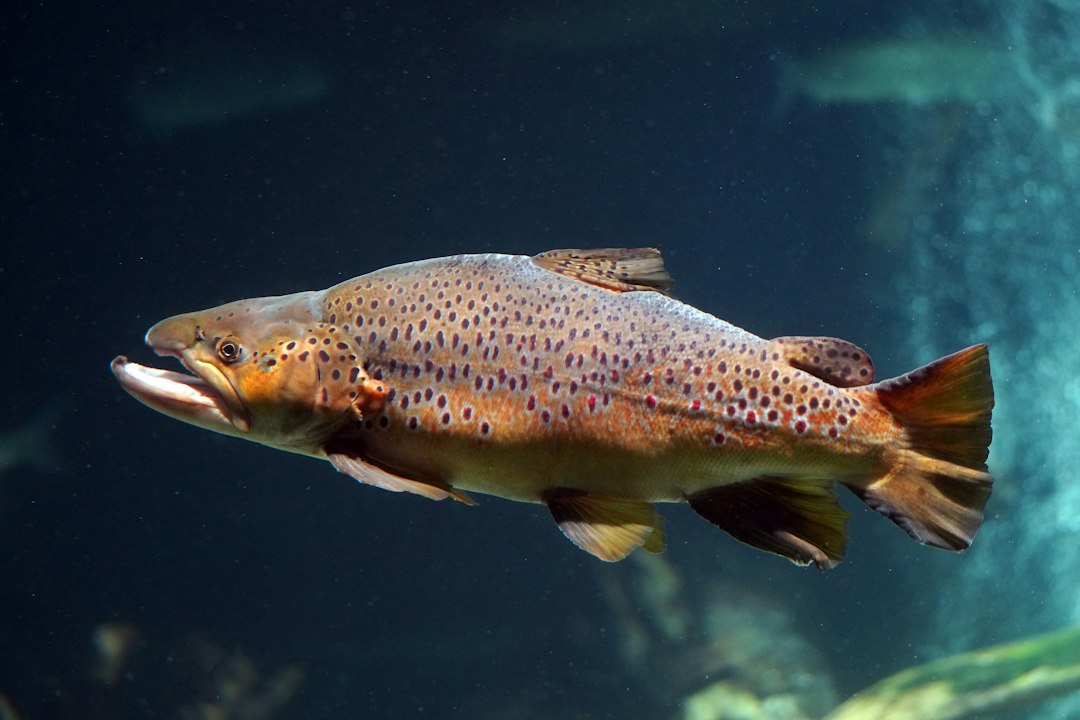
The story of prehistoric trout populations is a saga etched in the geological record, a testament to the resilience and adaptability of life in the face of dramatic environmental shifts. Unveiling these origins requires delving into the deep past, piecing together evidence from fossilized remains, genetic lineages, and the geological history of the planet. It is a narrative that stretches back millions of years, long before the advent of humans, to a time when the very continents were taking shape and the world’s oceans and freshwater systems were dramatically different. Understanding how these iconic fish came to inhabit the pristine rivers and lakes of today provides invaluable insights into evolutionary processes, paleoecology, and the interconnectedness of ancient ecosystems.
The very concept of “trout” as we understand it today is a product of gradual evolutionary divergence. Early piscine ancestors, likely venturing from marine environments into freshwater, laid the groundwork for the development of distinct species. The evolutionary pressures exerted by varied habitats, from fast-flowing mountain streams to slow-moving rivers and expansive lakes, sculpted the physical and physiological traits that define modern trout. This journey was not a linear progression but a branching process, with ancestral lineages giving rise to a diverse array of salmonid species, including the many forms of trout that populate the globe. The earliest hints of these freshwater pioneers emerge from the fossil record, offering tantalizing glimpses into their morphology and the environments they inhabited.
### Early Vertebrate Colonization of Freshwater
The transition from marine to freshwater by vertebrates was a pivotal moment in evolutionary history. While the exact timeline and specific triggers remain areas of active research, it is understood that certain ancestral fish, likely belonging to the ray-finned fish lineage (Actinopterygii), began to exploit the rich resources and less competitive environments offered by inland waters. This colonization was not a singular event but likely occurred multiple times and across different ancestral groups. The ability to osmoregulate – to manage salt and water balance in a hypotonic environment – was a fundamental hurdle overcome by these pioneering species. This physiological adaptation paved the way for the diversification of freshwater fish faunas worldwide.
### The Rise of the Salmonid Blueprint
Within the broader context of freshwater fish evolution, the salmonid family (Salmonidae) represents a significant and successful radiation. While the precise point of divergence for the salmonid lineage is debated, it is generally accepted that their origins lie in the Mesozoic Era. These early salmonids were likely characterized by a body plan well-suited to active predation in cooler waters, possessing streamlined bodies, powerful fins, and keen senses. The development of distinct adaptations for anadromy – the ability to migrate between fresh and saltwater – may have emerged early in their evolutionary history, offering access to a wider range of feeding grounds and breeding habitats. This plasticity in life history strategies would prove crucial to their subsequent diversification.
The establishment of prehistoric trout populations is a fascinating topic that sheds light on the ecological dynamics of ancient aquatic environments. For those interested in understanding the broader context of resource management in ancient societies, a related article discusses the various rationing systems employed in the ancient world, which can provide insights into how early humans interacted with their natural resources. You can read more about this intriguing subject in the article available at Rationing Systems in the Ancient World.
## Fossil Evidence: Glimpses into Ancient Ichthyofauna
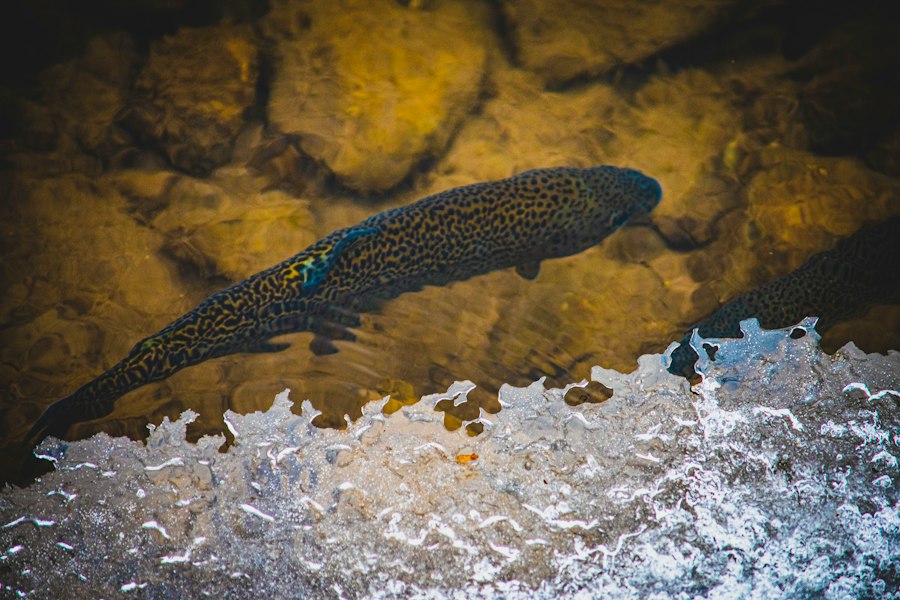
The fossil record, though often fragmented, serves as a vital window into the past life of our planet. For prehistoric trout populations, these stony remnants provide direct evidence of their existence, morphology, and the ecosystems they inhabited. Paleontologists painstakingly excavate, preserve, and analyze fossilized fish, revealing their skeletal structures, scales, and sometimes even impressions of soft tissues. These discoveries allow scientists to reconstruct the evolutionary relationships between extinct and extant species, shedding light on the gradual changes that led to the trout we know today. The distribution of these fossils also offers clues about the ancient geography and paleoclimates that influenced fish dispersal.
### Ichthyoliths and Their Significance
The study of “ichthyoliths” – the microscopic fossilized remains of fish, primarily teeth and scales – can reveal the presence of fish in ancient sedimentary rocks where larger skeletal remains are absent. These tiny fossils, often overlooked by the casual observer, can be incredibly informative. By analyzing their morphology, scientists can identify the types of fish present in a particular environment, infer their diet, and even estimate their relative abundance. For the origins of trout, ichthyoliths can provide evidence of early salmonid presence in freshwater systems long before more complete fossils of their ancestors were preserved. These microfossils are crucial for building a more comprehensive picture of ancient aquatic ecosystems.
### Notable Fossil Discoveries and Their Interpretations
Throughout the world, paleontological excavations have unearthed significant fossil discoveries pertaining to salmonid evolution. While definitive fossils of the earliest trout ancestors are rare and often subject to interpretation, discoveries of ancient cyprinids (carps and minnows) and other ray-finned fish in freshwater deposits dating back to the Jurassic and Cretaceous periods provide context for the environments into which salmonids would later emerge. More direct evidence comes from fossils of ancient salmonids found in Cenozoic freshwater deposits, showing clear evolutionary links to modern species. These discoveries often reveal adaptations such as the development of adipose fins, a characteristic feature of salmonids, and changes in jaw structure and dentition reflecting dietary shifts. The locations of these finds also highlight the ancient river systems and lake basins that were crucial for the dispersal and evolution of these fish.
## Genetic Reconstruction: Unraveling Lineages Through DNA
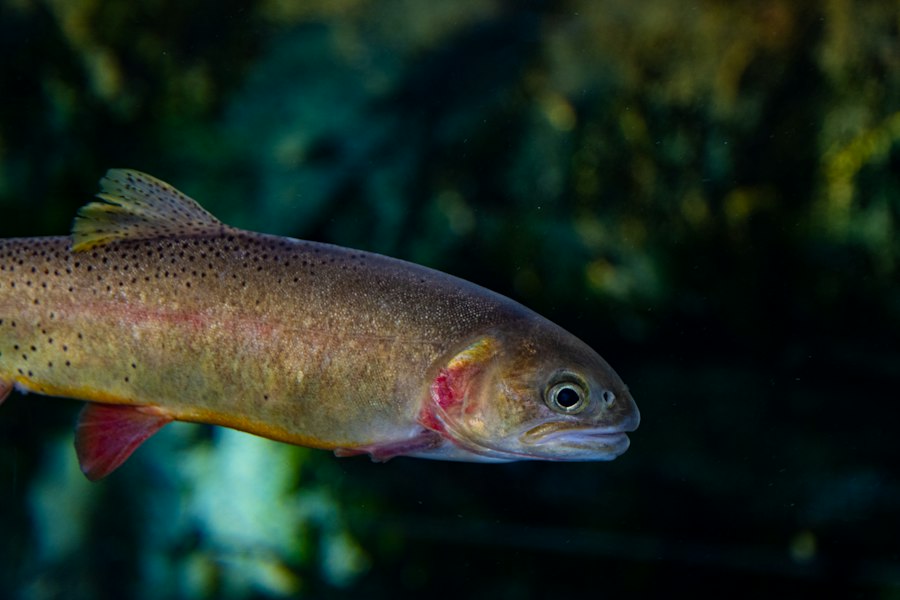
In the modern era, genetic analysis has revolutionized our understanding of evolutionary history. By comparing the DNA of living species, scientists can reconstruct their evolutionary relationships, estimate divergence times, and identify the genetic underpinnings of adaptive traits. For prehistoric trout populations, this means inferring the genetic makeup of their ancient ancestors from the genetic material passed down through generations. This molecular clock approach, combined with comparative genomics, allows for the construction of phylogenetic trees, illustrating the branching patterns of evolution and identifying the closest living relatives to extinct lineages.
### Molecular Clocks and Divergence Dates
The concept of a “molecular clock” is based on the observation that mutations in DNA accumulate at a relatively constant rate over time. By comparing the number of genetic differences between two species and calibrating this rate with known fossil dates, scientists can estimate when those species diverged from a common ancestor. Applying this to trout and their relatives has provided estimates for the divergence of major salmonid lineages, suggesting origins in the mid-to-late Mesozoic era. These molecular clock estimates are crucial for correlating genetic data with the geological timescale and placing the evolutionary history of trout within the broader context of Earth’s history.
### Comparative Genomics and the Salmonid Family Tree
Comparative genomics involves the detailed comparison of the entire genetic makeup of different species. By analyzing the genes and their sequences, scientists can build a highly detailed picture of evolutionary relationships. For salmonids, this has led to the construction of robust phylogenetic trees that clarify the relationships between various trout species, as well as their close relatives like salmon, char, and grayling. These analyses help to identify which ancient lineages are ancestral to modern trout and how different groups have diverged and specialized over millions of years. Understanding the genomic architecture of these ancient divergences also offers insights into the genetic basis of adaptations that allowed trout to thrive in diverse freshwater environments.
## Paleoenvironmental Influences: Shaping Aquatic Habitats
The evolutionary trajectory of prehistoric trout populations was inextricably linked to the dramatic changes in Earth’s environments over millions of years. Shifting continents, fluctuating sea levels, volcanic activity, and prolonged periods of glaciation all played crucial roles in shaping the freshwater habitats that trout colonized and diversified within. Understanding these paleoenvironmental factors is essential for comprehending the distribution, adaptation, and eventual speciation of trout lineages. Ancient river systems, lakes, and the connections between them formed the stages upon which this evolutionary drama unfolded.
### Continental Drift and Freshwater Connectivity
The slow but inexorable movement of tectonic plates, known as continental drift, has profoundly influenced the distribution of freshwater fish. As continents moved, ancient oceans receded and new landmasses emerged, creating and isolating freshwater systems. For early salmonids, periods of increased continental connectivity may have facilitated dispersal across vast river basins, while periods of isolation led to the divergence of populations and the evolution of new species. The formation of major mountain ranges, often a consequence of continental collisions, also created new high-altitude freshwater habitats, driving the evolution of cold-adapted trout species. The geological history of continents, therefore, directly underpins the biogeography of prehistoric trout.
### Climate Change and Glacial Cycles
Climate has been a dominant force in shaping freshwater ecosystems and the evolution of fish within them. During the Cenozoic Era, Earth experienced periods of significant warming and cooling, including several major glacial cycles. These climatic shifts dramatically impacted water temperatures, river flows, and the extent of freshwater habitats. During glacial periods, vast ice sheets covered large areas of the Northern Hemisphere, drastically altering drainage patterns and forcing fish populations to retreat to warmer refugia. Conversely, interglacial periods allowed for the expansion of habitats and the recolonization of previously glaciated regions. These cycles of habitat expansion and contraction, coupled with temperature fluctuations, acted as powerful selective pressures, driving adaptation and speciation in trout populations. For example, the evolution of cold-tolerant traits and the ability to exploit a range of thermal niches in trout are likely direct responses to these climatic oscillations.
The establishment of prehistoric trout populations has been a fascinating subject for researchers, shedding light on the ecological dynamics of ancient freshwater systems. A related article discusses the broader implications of environmental changes on species distribution, which can provide valuable context for understanding how prehistoric trout adapted to their habitats. For more insights on environmental factors affecting species, you can read this article on charting the future of ecosystems.
## Modern Implications: Conservation and Evolutionary Insights
| Metric | Value | Unit | Notes |
|---|---|---|---|
| Estimated Initial Population | 5,000 | individuals | Based on fossil site density estimates |
| Time Period | 10,000 – 8,000 | years ago | Early Holocene epoch |
| Average Lifespan | 4 | years | Estimated from bone growth rings |
| Reproductive Rate | 200 | eggs per female per season | Estimated from modern trout analogs |
| Survival Rate to Maturity | 15 | percent | Estimated from fossil juvenile to adult ratios |
| Habitat Range | 150 | square kilometers | Based on sediment and water source analysis |
| Primary Food Sources | Insects, small crustaceans | N/A | Inferred from stomach content fossils |
The study of prehistoric trout populations is not merely an academic pursuit; it holds significant implications for modern conservation efforts and offers profound insights into evolutionary processes. By understanding the deep evolutionary history of trout, scientists can better inform strategies for protecting endangered populations and managing existing ones. Furthermore, the adaptive strategies that allowed ancient trout to survive dramatic environmental changes offer valuable lessons for a world facing its own ecological challenges. The resilience and diversity forged over millions of years serve as a blueprint for the future of these iconic fish.
### Understanding Extinction Risks and Resilience
By examining the evolutionary history of trout, particularly during periods of significant environmental upheaval, scientists can identify factors that contributed to both the success and vulnerability of past populations. Understanding the paleoecological context of past extinctions and radiations provides valuable lessons for assessing current extinction risks. Species that were historically widespread and adaptable are often better equipped to cope with environmental change. Conversely, populations that became geographically restricted or specialized may be more susceptible to novel threats. This deep-time perspective helps conservationists prioritize efforts and develop strategies to foster resilience in modern trout populations facing challenges such as habitat loss, climate change, and invasive species.
### Informing Conservation Strategies and Management Practices
The evolutionary narrative of prehistoric trout provides a crucial framework for effective conservation and management. Recognizing the genetic diversity that arose from ancient divergences helps in identifying and protecting distinct evolutionary lineages, which may possess unique adaptations. Understanding historical dispersal patterns and habitat connectivity can inform the design of ecological corridors and restoration projects aimed at reconnecting fragmented populations. Furthermore, insights into the paleoenvironmental pressures that shaped trout evolution can help predict how different populations might respond to future environmental changes, allowing for more proactive and informed management decisions. Ultimately, by respecting the deep evolutionary legacy of trout, we can work towards ensuring their continued presence in the vital freshwater ecosystems they have inhabited for millennia.

The 7,000-Year-Old Secret Hidden Under a Lake
FAQs
What evidence suggests the establishment of prehistoric trout populations?
Scientists have found fossilized remains of trout dating back millions of years, indicating the presence of trout populations in prehistoric times.
How did prehistoric trout populations establish themselves in different regions?
It is believed that prehistoric trout populations spread to different regions through natural processes such as migration, adaptation to new environments, and changes in climate and geography.
What role did prehistoric trout populations play in ancient ecosystems?
Prehistoric trout populations likely played a crucial role in ancient ecosystems by serving as both predator and prey, contributing to the balance of aquatic food chains and influencing the diversity of species in their habitats.
Were prehistoric trout populations affected by environmental changes?
Yes, prehistoric trout populations were likely impacted by environmental changes such as shifts in temperature, water quality, and habitat availability, which could have led to population fluctuations and adaptations over time.
How do scientists study the establishment of prehistoric trout populations?
Scientists study the establishment of prehistoric trout populations through various methods, including analyzing fossil records, conducting genetic studies, and examining the behavior and characteristics of modern trout species to infer past evolutionary processes.