
The Dawn of the Fishermen: Early Human Ingenuity in Norwegian Waters
The story of human survival is intrinsically linked to the successful exploitation of natural resources, and in the rugged, resource-rich landscape of Norway, fishing played a pivotal role from the very earliest human settlements. Long before written records, Stone Age peoples in this region honed their skills in extracting sustenance from the abundant marine and freshwater environments. These early fishing techniques, though seemingly rudimentary to modern eyes, represent a remarkable testament to human ingenuity, adaptation, and a deep understanding of the natural world. Archaeological discoveries across Norway have gradually illuminated the sophisticated practices and the crucial importance of fish in the diet and culture of these ancient populations.
The sheer abundance of fish in the fjords, along the coastline, and in the numerous lakes and rivers of Norway would have been a primary draw for early human migration. These waters teemed with a variety of species, from salmon and trout in freshwater to cod, herring, and halibut in the saltwater environments. The predictable patterns of fish migrations, spawning seasons, and the availability of different species throughout the year would have provided a relatively stable and reliable food source, allowing for the development of more settled communities and the diversification of human activities beyond mere subsistence.
The development of fishing technologies was not a singular event but a gradual process of experimentation and refinement. Early Stone Age communities likely relied on the simplest methods, such as gathering fish stranded in tidal pools or spearing them in shallow waters. However, as populations grew and knowledge accumulated, more complex and efficient tools and techniques emerged. These innovations were crucial for accessing a wider range of fish, fishing in deeper waters, and increasing the overall yield of their efforts. The archaeological record, comprising remnants of tools, settlement sites, and even preserved organic material, offers a tangible link to these ancient fishing practices, painting a vivid picture of a people intimately connected to the waters that sustained them.
Recent archaeological discoveries in Norway have shed light on the fishing practices of the Stone Age, revealing how early humans adapted to their environment and utilized the rich marine resources available to them. For a broader perspective on how ancient practices can inform modern economic strategies, you might find the article on investing in Mexican nearshoring companies insightful. It discusses how understanding historical contexts can influence contemporary business decisions. You can read it here: Investing in Mexican Nearshoring Companies: A Guide.
Echoes from the Past: Archaeological Evidence of Stone Age Fishing

The tangible evidence left behind by Stone Age Norwegians provides the most compelling insights into their fishing practices. Archaeologists excavating ancient settlement sites have unearthed a wealth of artifacts that speak volumes about the tools, techniques, and the sheer volume of fish consumed. These discoveries are not confined to one or two locations; rather, they are scattered across the Norwegian landscape, from coastal shell middens to inland lake settlements, each offering a unique piece of the puzzle.
The meticulous analysis of these sites allows researchers to reconstruct the dietary habits of these ancient populations. Analysis of human remains can reveal isotopic signatures that point to a significant reliance on marine or freshwater fish. Furthermore, the sheer quantity of fish bones and scales found in midden deposits, layers of accumulated waste, provides direct evidence of the scale of fishing operations.
The Toolkit of Ancient Fishermen: Spears, Hooks, and Nets
The development of specialized tools was fundamental to the advancement of Stone Age fishing. These tools, crafted from readily available natural materials like stone, bone, wood, and antler, reflect a sophisticated understanding of engineering and material science.
- Spears and Harpoons: The most basic yet effective tools were likely the spear and the harpoon. These were often fashioned from sharpened wooden shafts, sometimes tipped with bone or antler points. Larger, barbed points, characteristic of harpoons, were designed to secure prey after a successful strike, preventing escape. Numerous sites have yielded these implements, particularly in areas associated with shallow-water fishing or hunting larger marine mammals. The efficiency of these tools would have depended on the skill of the hunter and the clarity of the water.
- Hooks and Lines: The invention of the fish hook marked a significant leap forward. Early hooks were typically made from bone or antler, bent into a curved shape with a sharp point. These would have been attached to lines made from plant fibers, animal sinews, or gut. The size and type of hook would have dictated the size of the fish targeted. Larger hooks suggest efforts to catch bigger species like cod or halibut, while smaller hooks would have been used for smaller fish. The discovery of meticulously crafted bone hooks at sites like Vistehola, near Stavanger, provides concrete evidence of this technology.
- Nets and Traps: While direct evidence of nets from the Stone Age is rare due to their organic nature and susceptibility to decay, the discovery of numerous net sinkers and weights strongly suggests their widespread use. These stone objects, often with a hole or groove for attachment, were essential for weighting down fishing nets, allowing them to be deployed effectively in deeper waters. The presence of various sizes and shapes of sinkers implies different types of nets were used, perhaps for catching different species or fishing at varying depths. Evidence of wooden or bone stakes, potentially used to construct fish traps in rivers or shallow coastal areas, has also been found. These traps would have funneled fish into an enclosed space, allowing for easy harvesting.
Shell Middens: A Salty Record of Sustenance
One of the most informative archaeological features related to Stone Age fishing are shell middens. These are essentially ancient refuse heaps, primarily composed of discarded shellfish shells, but also containing a wealth of other organic remains, including fish bones, animal bones, and stone tools. The sheer size and depth of some shell middens indicate sustained periods of occupation and a significant reliance on marine resources.
These deposits offer a detailed snapshot of the diet of the people who created them. By analyzing the species of fish represented in the bone fragments, archaeologists can determine which fish were most commonly caught and consumed. For example, the prevalence of cod bones in coastal middens points to successful cod fishing, a staple resource for many coastal communities. The presence of different sized fish bones within a single midden can also suggest the use of varied fishing techniques.
Mastering the Tides and Currents: Stone Age Fishing Techniques
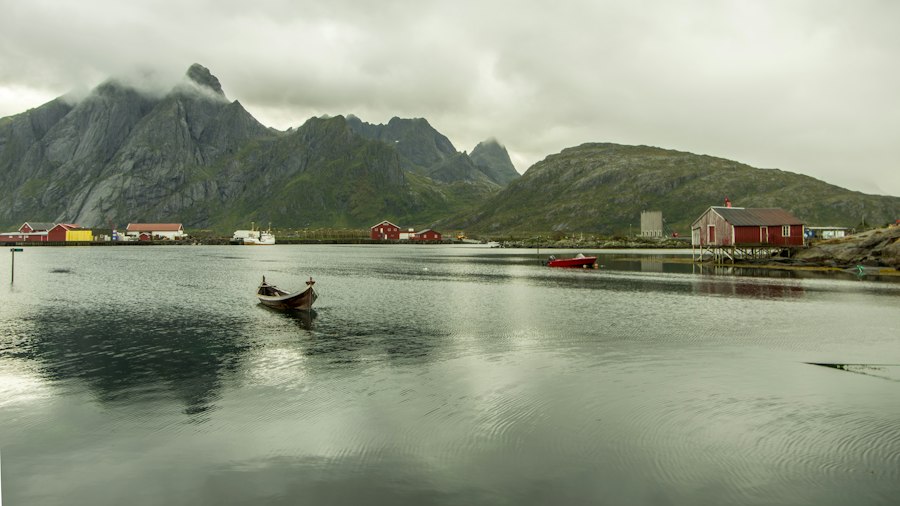
The effectiveness of Stone Age fishing was not solely dependent on the tools employed, but also on the profound knowledge and understanding of the marine and freshwater environments. These ancient fishers were keenly aware of the cycles of nature, the behavior of different fish species, and the best times and places to deploy their efforts.
Their understanding of fish behavior was paramount. They would have known when salmon ran upstream to spawn, when herring shoals appeared in coastal waters, and when cod moved closer to shore. This knowledge allowed them to anticipate resource availability and optimize their fishing expeditions.
Exploiting Coastal Riches: Shore Fishing and Tidal Traps
The Norwegian coastline, with its intricate network of fjords, bays, and islands, provided ample opportunities for shore-based fishing. During low tide, exposed tidal pools would have become natural traps, allowing early fishers to gather stranded fish and shellfish. This method would have been particularly effective for smaller fish species.
Furthermore, evidence suggests the construction of rudimentary fish traps along the shore. These might have involved strategically piling stones or building low walls to create enclosures that would capture fish as the tide receded. The simplicity of these methods belies their effectiveness in providing a consistent source of food without requiring extensive seafaring capabilities.
Venturing Offshore: Early Seafaring and Open Water Fishing
While many early fishing activities likely occurred in shallow, protected waters, there is evidence suggesting that Stone Age Norwegians also ventured into deeper, open waters. The development of more robust watercraft, likely made from wood or animal skins stretched over frames, would have been essential for this.
Fishing in open waters would have required different techniques. The use of hooks and lines, as previously discussed, would have been crucial for accessing fish in deeper zones. The discovery of larger, more specialized tools and the presence of species typically found further offshore in archaeological contexts hint at these more advanced fishing endeavors.
The risk associated with open water fishing would have been considerable, yet the potential rewards—access to larger and more diverse fish populations—would have justified the effort. This venturing offshore represents a significant step in human mastery of the marine environment.
The Salmon’s Significance: A Keystone Species in Stone Age Norway
Among the many species of fish that sustained Stone Age communities in Norway, the salmon held a particularly prominent place. Its life cycle, involving migrations between freshwater rivers and the ocean, made it a predictable and valuable resource, particularly during its spawning runs.
The importance of salmon is reflected in its prevalence in archaeological findings and its likely cultural significance.
An Annual Bounty: The Salmon Run as a Food Source
Salmon, particularly Atlantic salmon (Salmo salar), are anadromous, meaning they are born in freshwater rivers, migrate to the ocean to grow, and then return to their natal rivers to spawn. This predictable annual migration, often occurring in large numbers, presented Stone Age communities with a concentrated and abundant food source.
Fishing for salmon during their upstream spawning runs would have been a highly efficient way to gather a significant amount of food for the coming year. Techniques likely included spearing salmon in rivers, trapping them in constructed weirs or enclosures, and using nets in strategic locations. The ability to catch and preserve large quantities of salmon, perhaps through smoking or drying, would have been crucial for ensuring survival through leaner periods.
The archaeological record often reveals a disproportionate number of salmon bones at sites located along rivers and in coastal areas with access to significant salmon rivers. This abundance highlights their dietary importance.
Beyond Sustenance: The Cultural Role of the Salmon
The significance of the salmon likely extended beyond its nutritional value. In many cultures, animals that play a crucial role in sustenance also hold symbolic or spiritual importance. The salmon’s remarkable life cycle, its power, and its predictable return could have imbued it with a sense of awe and respect.
While direct evidence of spiritual beliefs related to fishing is scarce from the Stone Age, the consistent presence of salmon in their diets and the investment in catching them suggest they were deeply integrated into the worldview of these ancient peoples. Salmon might have featured in their stories, rituals, or art, although such evidence is difficult to recover archaeologically.
Recent discoveries in Norway have shed light on Stone Age fishing practices, revealing how early humans adapted to their environment. These findings are not only significant for understanding prehistoric lifestyles but also connect to broader themes of exploration and navigation in ancient times. For those interested in the intersection of history and exploration, a fascinating article about the Piri Reis map and its implications for early navigation can be found here. This connection highlights the ingenuity of our ancestors as they ventured into the unknown, whether it was through fishing in Norway or charting new territories.
Adapting to a Changing Landscape: Stone Age Fishing Through the Eras
| Metric | Details |
|---|---|
| Time Period | Approximately 10,000 to 4,000 BCE |
| Primary Fishing Techniques | Spearfishing, net fishing, and trapping |
| Common Fish Species | Salmon, trout, cod, and Arctic char |
| Fishing Tools | Bone and antler harpoons, wooden spears, stone weights for nets |
| Fishing Sites | Coastal fjords, river mouths, and lakes |
| Archaeological Evidence | Fish bones, fishing tools, and remnants of fishing nets found in settlements |
| Role in Diet | Significant source of protein and essential nutrients |
| Seasonal Patterns | Fishing intensified during spring and autumn migrations |
Stone Age Norway was not a static environment. Over thousands of years, glaciers retreated, coastlines shifted, and climates fluctuated. The fishing practices of Stone Age peoples evolved in response to these environmental changes, as well as through the development of new technologies and societal structures.
The Stone Age period in Norway is broadly divided into the Early Stone Age (Mesolithic), the Middle Stone Age (often merged with Late Mesolithic or Early Neolithic), and the Late Stone Age (Neolithic and Bronze Age transitions). Each period saw refinements and adaptations in fishing.
The Mesolithic Fishermen: Navigating the Post-Glacial World
The end of the last Ice Age saw the emergence of new coastlines and the recolonization of Norway by plants, animals, and eventually humans. The Mesolithic period (roughly 10,000 to 4,000 BCE) was a time of opportunistic hunting and gathering, with fishing playing a vital role.
During this period, communities were often semi-nomadic, following animal herds and seasonal resource availability. Fishing in rivers, lakes, and the newly formed coastal areas would have been a primary source of sustenance. The tools used were likely simpler, with an emphasis on spears, basic hooks, and perhaps early forms of nets. The archaeological sites from this era, such as shell middens, reveal a diet rich in various fish species, including cod, herring, and freshwater fish.
The Neolithic Transition: Towards More Sedentary Lifestyles and Intensified Fishing
The Neolithic period (roughly 4,000 to 1,800 BCE) in Norway saw the gradual introduction of agriculture and more settled lifestyles. However, fishing remained a crucial component of the economy, and in many areas, it may have become even more intensified.
With increased sedentism, communities could invest more in sophisticated fishing technology and infrastructure. The development of more durable nets, more complex traps, and potentially larger watercraft would have allowed for more efficient exploitation of aquatic resources. The reliance on coastal resources likely continued, with evidence of extensive shell middens, but inland fishing also remained important.
The interaction between farming and fishing communities is a subject of ongoing research. It is likely that fishing provided a vital supplement to agricultural yields, especially in areas less suited for intensive farming.
The Bronze Age and Beyond: Continued Reliance and Evolving Practices
As Norway transitioned into the Bronze Age (roughly 1,800 to 500 BCE) and subsequently the Iron Age, fishing practices continued to evolve. While new technologies emerged and societal structures became more complex, the fundamental importance of fish as a food source persisted.
Evidence from the Bronze Age suggests continued reliance on fishing, with possibly more specialized fishing locations and techniques. The ongoing availability of fish from both marine and freshwater environments remained a cornerstone of Norwegian subsistence for millennia, shaping its history, culture, and population distribution. The legacy of Stone Age fishing practices laid the foundation for Norway’s enduring relationship with the sea.

The 7,000-Year-Old Secret Hidden Under a Lake
FAQs
What evidence suggests that fishing was important during the Stone Age in Norway?
Archaeological findings such as fish bones, fishing tools, and rock carvings depicting fishing scenes indicate that fishing played a significant role in the Stone Age society of Norway.
What types of fish were commonly caught during the Stone Age in Norway?
Commonly caught fish during the Stone Age in Norway included cod, herring, mackerel, and salmon, which were abundant in the coastal waters and rivers of the region.
How did Stone Age people in Norway catch fish?
Stone Age people in Norway used various methods to catch fish, including fishing with nets made from plant fibers, using bone or antler hooks, and employing traps and weirs to capture fish in rivers and streams.
What role did fishing play in the diet of Stone Age people in Norway?
Fishing was a crucial source of food for Stone Age people in Norway, providing them with protein, essential nutrients, and a reliable food source that supplemented their diet of wild game, foraged plants, and berries.
Did Stone Age fishing in Norway have any cultural or social significance?
Stone Age fishing in Norway not only provided sustenance but also held cultural and social significance, as fishing likely played a role in rituals, ceremonies, and the sharing of food within the community, strengthening social bonds and cultural practices.