The Shimmering Veil: Early Humans and the Allure of the Waterfall
The thundering roar of a waterfall has captivated humanity for millennia, its raw power and mesmerizing beauty a constant draw. But for our Stone Age ancestors, these cascades represented more than just a spectacle; they were vibrant ecosystems, brimming with opportunity. Evidence unearthed from ancient sites across the globe points to a sophisticated understanding of riverine environments, with fishing strategies that leveraged the unique characteristics of waterfalls to their advantage. These early peoples, far from being primitive, were ingenious innovators, developing techniques that allowed them to harvest the bounty of the water in ways that seem remarkably advanced for their time. The image of a solitary hunter, spear poised at the edge of a precipice, is a powerful one, but it belies the complex knowledge and practical application that underpinned such endeavors. Understanding these ancient fishing methods offers a crucial window into the subsistence strategies, technological development, and ecological awareness of our earliest human relatives.
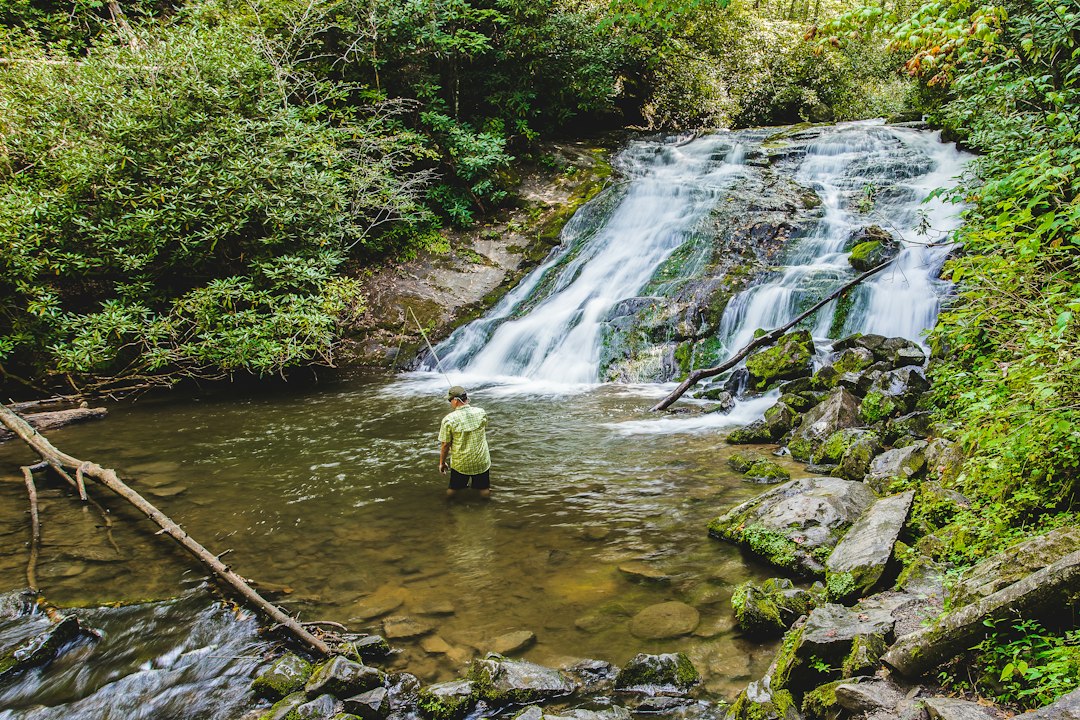
The appeal of waterfalls for Stone Age fishermen was multifaceted. The concentrated flow of water, while potentially dangerous, also served as a natural funnel, concentrating fish populations in predictable locations. The turbulent water churned by the falling cascade oxygenated the water, making it more hospitable for aquatic life. Furthermore, the physical barrier of the waterfall itself could act as a trap, impeding the upstream migration of certain fish species. These factors combined to create fishing hotspots, offering a more reliable and often more abundant source of protein than other riverine environments. The archaeological record, though often fragmented, provides compelling clues about the ingenuity employed by these early peoples to exploit these rich fishing grounds.
Stone Age people demonstrated remarkable ingenuity in their fishing techniques, particularly when it came to exploiting natural features like waterfalls. These early humans developed methods to catch fish that leapt from the water, showcasing their understanding of animal behavior and the environment. For more insights into the complexities of ancient societies and their interactions with nature, you can read about the deceptions of ancient rulers in this related article: Uncovering the Deceptions of Ancient Rulers.
Ingenuity at the Brink: Trapping and Diversion Techniques
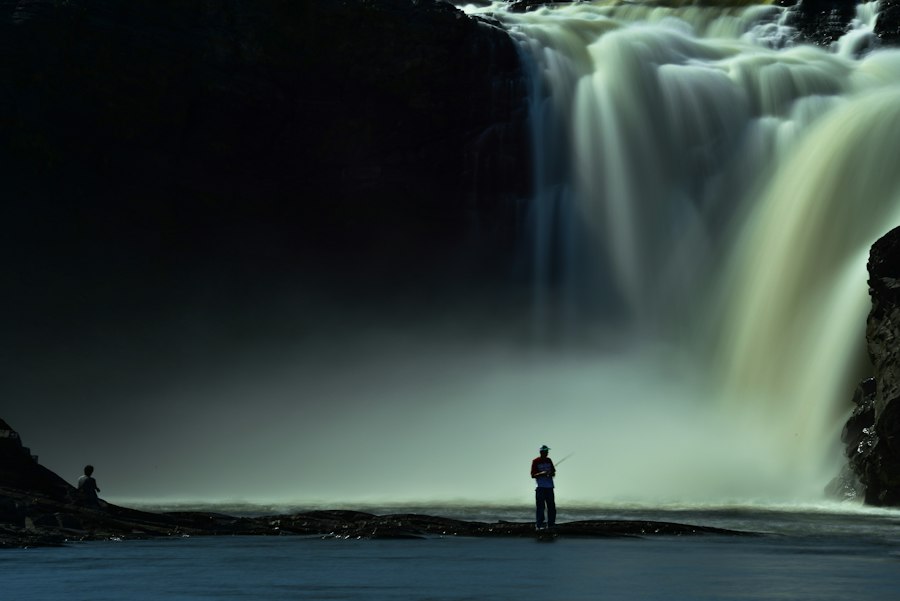
The direct approach of spearing fish in the turbulent waters below a waterfall, while certainly a plausible method, was likely one of many strategies employed. The inherent dangers of such an undertaking would have necessitated careful planning and a deep understanding of fish behavior. Archaeological findings suggest a more systematic approach, involving the construction of elaborate traps and the manipulation of water flow to enhance capture rates. These methods demonstrate a keen observation of natural processes and a remarkable ability to harness them for human benefit. The construction of such elaborate structures required not only physical labor but also a significant level of social organization and shared knowledge passed down through generations.
The Art of the Weir: Channeling and Capturing
One of the most common and effective methods employed by Stone Age peoples was the construction of weirs. These were essentially barriers built across rivers or streams, often using a combination of stones, branches, and mud. At waterfalls, weirs took on a specialized form. They were strategically placed to channel fish, which were attempting to navigate around or over the waterfall, into confined areas. Some weirs were designed to create small pools where fish could be easily netted or collected. Others were more complex, with angled walls that guided fish towards a central capture point. The sheer scale of some of these ancient weir constructions, inferred from the remains found at archaeological sites, speaks to the significant investment of time and effort, highlighting the importance of waterfall fishing to these communities. The careful selection of materials and the precise placement of stones suggest an understanding of hydraulics and the flow of water, demonstrating a practical mastery of engineering principles.
The effectiveness of weirs was further enhanced by their ability to trap fish attempting to ascend the waterfall. Many migratory fish species, such as salmon and trout, are driven by instinct to move upstream to spawn. The waterfall presents a formidable obstacle, and as fish gathered at its base, attempting to overcome the barrier, they could be easily intercepted by pre-constructed traps. The placement of these weirs would have been critical, often situated in the calmer eddies or pools that formed below the main cascade. Some designs might have incorporated natural features, such as rock formations or fallen trees, to further refine the channeling and trapping process. The evidence of meticulously arranged stones and the sheer volume of material used in some weir constructions suggests a communal effort, indicating a well-established social structure and a shared reliance on the resources provided by these abundant fishing grounds.
Diversion and Dredging: Manipulating the Flow
Beyond fixed structures, Stone Age fishers also employed more dynamic techniques to manipulate the waterfall environment. In some instances, temporary diversions of water flow may have been employed, using large rocks or fallen logs to create smaller, more manageable channels where fish could be targeted. This would have been particularly useful in areas with multiple cascades or channels. The goal was to concentrate the fish into a smaller, more predictable area, making them easier to catch. This could involve strategically placing barriers to guide fish away from their natural routes or to create calm areas where they could be more easily ambushed. The archaeological record for such temporary interventions is naturally more ephemeral, but the presence of cleared areas and discarded tools in strategic locations around waterfalls provides indirect evidence of such practices.
Another technique, particularly applicable to shallower waterfalls or areas with large, exposed rock surfaces, could have involved a form of “dredging” or disturbance. By systematically disturbing the substrate in shallow pools or around submerged rocks, Stone Age fishers could have flushed out hiding fish, driving them into open water where they could be more easily speared or netted. This would have required a keen understanding of fish hiding behaviors and the ability to predict where they would flee when disturbed. The use of long poles or branches to prod and stir the water and sediment would have been a likely tool in such operations. The effectiveness of this method would have been amplified by the natural concentration of fish in these areas, either seeking refuge from the main cascade or preparing to ascend.
The Sharpened Spear and the Woven Net: Tools of the Trade
The success of any fishing endeavor hinges on the effectiveness of the tools employed. For Stone Age peoples at waterfalls, this meant developing and refining implements that could withstand the harsh environment and efficiently capture their elusive prey. The limited range of materials available – primarily stone, wood, bone, and plant fibers – belies the sophistication and adaptability of their toolkits. These tools were not merely rudimentary instruments but finely crafted instruments born from extensive experimentation and a deep understanding of both material properties and the behavior of aquatic life. The very existence of specialized fishing tools speaks to the importance of this activity in their diet and economy.
The Precision of the Spear: From Thrust to Throw
The spear was undoubtedly a primary weapon for Stone Age waterfall fishermen. However, it was likely not a single, monolithic design but rather a suite of specialized spear types. For close-quarters engagements in the turbulent water below a waterfall, shorter, heavier spears with sharp, barbed points would have been ideal for a swift thrust. These would have allowed for quick reactions and a secure hold on a struggling fish. The material for the spearhead would have been carefully selected, with flint, chert, and obsidian being prime candidates due to their sharpness and ability to hold an edge. The hafting of these points to strong wooden shafts would have been a critical skill, ensuring durability and preventing breakage under the strain of a strike.
For fishing in slightly calmer areas or at a distance, longer, lighter spears, possibly with multiple prongs or a wider, flatter point, might have been employed for throwing. The development of throwing techniques, honed through practice, would have significantly increased the range and accuracy of their attacks. The presence of specialized spear-fishing sites, often with a high concentration of stone points, supports the idea that these were not generic hunting tools but specifically adapted for aquatic environments. The careful knapping of the stone points, creating razor-sharp edges and precise forms, demonstrates a mastery of lithic technology. The attachment of these points to wooden shafts, often using natural resins and sinew, further highlights their resourcefulness and understanding of material science.
The Art of the Net: Capturing the Collective
While spears offered individual prowess, nets represented a more communal and potentially more efficient method of capture. The creation of nets from plant fibers, such as flax, hemp, or animal sinew, would have been a time-consuming but ultimately rewarding endeavor. These fibers would have been twisted and knotted to create a mesh of varying sizes, depending on the target fish species. At waterfalls, nets could have been used in conjunction with weirs, placed in the capture zones to ensnare fish directed by the barriers. They could also have been deployed as drag nets in calmer pools or swung in arcs to intercept fish. The discovery of ancient net sinkers, weighted stones used to anchor nets, provides strong evidence for the widespread use of this technology.
The design of nets would have been adapted to the specific conditions of waterfall fishing. Larger mesh sizes might have been used for larger fish, while finer meshes could have been employed to capture smaller species. The strength and durability of the net would have been paramount, given the powerful currents and the need to secure struggling fish. The skill involved in knotting and weaving these nets would have been a vital part of Stone Age knowledge, passed down through apprenticeships and oral traditions. The efficiency of nets, allowing for the capture of multiple fish in a single effort, would have made them an invaluable tool for supplementing the diet and ensuring a more consistent food supply, particularly during periods of abundance.
Understanding the Environment: A Deep Ecological Awareness
The success of Stone Age fishing at waterfalls was not solely due to their tools and techniques; it was underpinned by a profound and intimate understanding of the natural world. These early peoples were not passive observers but active participants in their ecosystems, possessing a deep knowledge of fish migration patterns, breeding cycles, and preferred habitats. This ecological awareness, honed over generations of observation and practice, allowed them to anticipate fish movements and exploit the most opportune moments for capture. This level of understanding is a testament to their intelligence and their ability to adapt to and thrive within their environments.
The Rhythms of the River: Migration and Seasonality
Stone Age fishermen would have been acutely aware of the seasonal rhythms of the rivers and the predictable migrations of fish species. The annual runs of salmon, for instance, would have been a highly anticipated event, drawing communities to prime fishing locations, including waterfalls. They would have understood that certain species were more abundant at particular times of the year, either for feeding or for spawning. This knowledge would have informed their tool-making, their dietary strategies, and their movement patterns. They would have known when to prepare traps, when to sharpen spears, and when to deploy nets with the greatest chance of success. This cyclical understanding of the environment allowed them to maximize their harvest and ensure survival.
The behavior of fish at waterfalls would have been particularly well-studied. They would have understood how different species reacted to the current, the depth of the water, and the presence of obstacles. They would have known which fish were likely to attempt to jump the falls, and which would seek alternative routes or rest in calmer pools. This nuanced understanding of fish behavior, gleaned from countless hours of observation, was crucial for effectively deploying their fishing strategies. For example, knowing that certain fish congregate at the base of a waterfall before attempting to ascend would have dictated the optimal placement of weirs and nets.
The Language of the Water: Currents and Habits
Beyond migration patterns, Stone Age peoples would have possessed a sophisticated understanding of the micro-environments created by waterfalls. They would have recognized the different types of currents – the powerful, churning water of the main cascade, the gentler eddies that formed in its wake, and the deeper pools that offered refuge. They would have understood how these currents influenced fish behavior, driving them towards certain areas or pushing them away from others. The presence of specific aquatic plants or rock formations would have also been indicators of potential fish habitats or hiding places.
Furthermore, they would have understood the individual habits of different fish species. Some fish might have been known to be more aggressive and easier to spear, while others might have been more cautious and required the use of nets. They would have understood where different species preferred to feed, rest, and spawn. This detailed knowledge of fish ecology, combined with their practical skills, allowed them to be incredibly effective hunters. The ability to read the water, to discern subtle changes in flow and to predict where fish might be found, was a skill that likely took years to master and was passed down as a vital part of their cultural heritage. The interpretation of these subtle environmental cues was a key element in their success, distinguishing them from mere opportunistic foragers to sophisticated ecological managers.
Recent studies have shed light on the fishing techniques employed by Stone Age people, particularly their innovative methods for catching fish above waterfalls. This fascinating aspect of prehistoric life highlights not only their resourcefulness but also their deep understanding of the natural environment. For a more in-depth exploration of ancient practices and the builders behind these remarkable techniques, you can read about it in this related article on ancient builders’ secrets. Discover more about these intriguing connections by visiting ancient builders’ secrets.
The Social Fabric of Fishery: Collaboration and Knowledge Transfer
| Metric | Value | Notes |
|---|---|---|
| Time Period | Approx. 12,000 – 8,000 BCE | Late Stone Age / Mesolithic era |
| Fishing Technique | Spearfishing and trapping | Used sharpened wooden or bone tools |
| Common Fish Species | Salmon, Trout | Species known to migrate upstream and jump waterfalls |
| Fishing Location | Above waterfalls and rapids | Strategic spots where fish congregate or jump |
| Estimated Catch per Day | 5-15 fish | Varied by group size and season |
| Tools Used | Bone harpoons, wooden spears, woven traps | Crafted from natural materials available locally |
| Group Size | Small bands of 10-30 people | Cooperative fishing and sharing of catch |
| Seasonality | Spring and early summer | When fish migration upstream was at peak |
The complex undertaking of fishing at waterfalls, especially the construction of weirs and the deployment of nets, strongly suggests a cooperative social structure. These were not solitary endeavors but likely involved coordinated efforts that required communication, task delegation, and the sharing of resources. The success of such activities would have depended on the ability of individuals to work together towards a common goal, reflecting a level of social organization that was crucial for the survival and prosperity of Stone Age communities. The knowledge gained from successful fishing expeditions would have been a valuable commodity, meticulously preserved and transmitted to future generations.
The Power of the Collective: Communal Efforts and Specialization
The construction of large-scale weirs, often spanning significant portions of a river, would have been an impossible task for an individual or a small family group. It would have required the labor of an entire community, working together over extended periods. This communal effort would have fostered a sense of shared responsibility and interdependence. Furthermore, within these communities, a degree of specialization may have emerged. Some individuals might have become expert toolmakers, honing their skills in flint knapping or woodworking, while others may have specialized in net-making or in navigating the treacherous waters of the waterfall. This division of labor would have increased efficiency and allowed for the development of more sophisticated techniques.
The shared success of a good fishing haul would have reinforced social bonds and fostered a sense of collective identity. The distribution of the catch would have also played a crucial role in maintaining social cohesion, ensuring that all members of the community benefited from their collective efforts. The very act of working together, of relying on each other for success, would have strengthened the social fabric, making these communities more resilient and adaptable. The large scale of some archaeological features at waterfall sites, such as extensive weir remnants, points to a significant mobilization of human resources, underscoring the communal nature of these ancient fishing operations.
Passing Down the Wisdom: Oral Tradition and Apprenticeship
The intricate knowledge required for successful waterfall fishing – understanding fish behavior, mastering tool-making, and interpreting environmental cues – was likely passed down through oral tradition and direct apprenticeship. Elders, with their accumulated experience, would have played a vital role in teaching younger generations the secrets of the river. These lessons would have been learned through observation, imitation, and practical application. Children would have likely accompanied their parents to fishing sites from a young age, gradually absorbing the necessary skills and knowledge.
The transfer of this knowledge would have been crucial for the continuity of the community. Without it, the ability to exploit these rich food resources would have been lost with each passing generation. The development of specialized tools and techniques, therefore, was not just about innovation but also about the careful preservation and transmission of this vital information. The stories, songs, and rituals associated with fishing would have served as mnemonic devices, helping to solidify this knowledge and make it accessible across generations. This emphasis on intergenerational knowledge transfer highlights the value placed on ancestral wisdom and the practical skills that ensured survival.
Recent studies have shed light on the fishing techniques employed by Stone Age people, particularly their innovative methods for catching fish above waterfalls. These early humans demonstrated remarkable ingenuity by using natural features of their environment to enhance their hunting strategies. For a deeper understanding of ancient civilizations and their interactions with nature, you can explore this fascinating article about archaeological discoveries in an ancient city, which highlights the complexities of early human life. To read more, visit this article.
Echoes from the Past: Legacy and Modern Reflections
The ancient techniques employed by Stone Age peoples at waterfalls are not merely historical curiosities; they offer valuable insights into the ingenuity, adaptability, and deep ecological understanding of our earliest ancestors. The study of these methods reveals a sophisticated relationship with the natural world, one that was characterized by observation, innovation, and a profound respect for the resources it provided. The echoes of these ancient practices resonate even today, reminding us of the enduring human capacity to thrive by understanding and working in harmony with our environment.
Lessons for Today: Sustainability and Innovation
The methods employed by Stone Age fishermen offer a compelling case study in sustainable resource management. Their practices, dictated by the natural cycles of fish populations and the carrying capacity of the environment, were inherently sustainable. Unlike modern industrial fishing, which can lead to depletion and ecological damage, these ancient techniques were designed to harvest a predictable surplus without jeopardizing future yields. Their understanding of seasonality and migration allowed them to harvest during periods of abundance and to avoid overexploitation during vulnerable times. This ancient wisdom offers valuable lessons for contemporary approaches to fisheries management, emphasizing the importance of ecological balance and responsible harvesting.
Furthermore, their innovative use of available materials and their ability to adapt their techniques to the specific challenges of waterfall environments demonstrate a remarkable capacity for problem-solving. They were not limited by a lack of advanced technology but rather inspired by it. Their ingenuity in transforming simple materials into effective tools and their ability to manipulate natural forces speak to a deep wellspring of creativity that continues to be a hallmark of human endeavor. The study of their methods can inspire new approaches to sustainable technology and resource utilization in the modern world, demonstrating that effective solutions can often be found by looking to the principles that guided our earliest ancestors.
A Glimpse into the Mind: Cognitive Abilities and Cultural Evolution
The sophisticated fishing strategies employed at waterfalls provide compelling evidence for the advanced cognitive abilities of Stone Age peoples. The planning, foresight, and problem-solving skills required to develop and implement these techniques suggest a level of abstract thought and complex decision-making that challenges simplistic notions of primitive minds. The development of specialized tools, the construction of complex structures, and the transmission of knowledge across generations all point to a rich cultural evolution. These fishing practices were not just about survival; they were integral to the development of social structures, cultural traditions, and the very evolution of human intelligence.
The waterfall fishing sites, therefore, become more than just archaeological digs; they are windows into the minds of our ancestors, revealing a deep understanding of their world and a profound capacity for innovation. They demonstrate that early humans were not simply reacting to their environment but actively shaping it, leaving behind a legacy of ingenuity that continues to inform and inspire us. The study of these ancient techniques allows us to appreciate the long and complex journey of human development, recognizing the remarkable achievements of those who laid the foundation for our modern world. The roar of the waterfall, which once signaled a bounty of food, now whispers stories of human resilience, intelligence, and the enduring quest to understand and harness the power of nature.

The 7,000-Year-Old Secret Hidden Under a Lake
FAQs
1. How did Stone Age people fish above waterfalls?
Stone Age people used various techniques to fish above waterfalls, such as using spears, traps, and nets to catch fish as they jumped or swam upstream.
2. Why did Stone Age people fish above waterfalls?
Stone Age people fished above waterfalls because it was a strategic location to catch fish, as the fish would gather in large numbers while attempting to navigate the waterfall.
3. What tools did Stone Age people use for fishing above waterfalls?
Stone Age people used tools such as spears made from wood or bone, traps constructed from woven materials, and nets crafted from natural fibers to catch fish above waterfalls.
4. Did Stone Age people have specific fishing techniques for catching fish above waterfalls?
Yes, Stone Age people developed specific fishing techniques for catching fish above waterfalls, including positioning themselves strategically, using teamwork, and timing their actions to maximize their catch.
5. How did fishing above waterfalls contribute to the diet of Stone Age people?
Fishing above waterfalls provided Stone Age people with a valuable food source, as it allowed them to catch fish in large quantities, supplementing their diet with protein and essential nutrients necessary for survival.