
## Echoes from the Rivers: Unearthing Prehistoric Aquatic Management
The vast tapestry of human history is woven with threads of ingenuity, adaptation, and a profound connection to the natural world. While often depicted as solely terrestrial beings, hunter-gatherers and early agriculturalists possessed a sophisticated understanding of their environments, including the critical aquatic resources that sustained them. The concept of “prehistoric human fish stocking,” while sounding remarkably modern, refers to ancient practices aimed at managing, cultivating, and enhancing fish populations in natural and semi-natural water bodies. This exploration delves into the evidence and interpretations suggesting that our ancestors were not merely passive consumers of aquatic bounty but active participants in its propagation and conservation, laying groundwork for future aquatic management techniques. The very notion challenges the conventional narrative of early humans as solely reliant on opportunistic foraging. Instead, it paints a picture of strategic planning, ecological awareness, and a deep-seated desire to ensure a consistent and abundant food supply from lakes, rivers, and coastal waters.
The term “fish stocking” itself might conjure images of hatcheries and modern aquaculture, but the prehistoric equivalent was far more rudimentary, yet no less impactful. It involved a range of actions, from deliberate translocation of fish to creating more favorable habitats, all with the goal of influencing fish abundance and distribution. The motivations were primarily survival-driven: to supplement diets, to mitigate seasonal shortages, and to reduce the risks associated with over-reliance on a single food source. However, these practices also reveal an emergent understanding of ecological principles, demonstrating an awareness of fish life cycles, breeding grounds, and migratory patterns. The long-term implications of these actions, though often unintentional in terms of conservation as we understand it today, laid the groundwork for human influence on aquatic ecosystems, a legacy that continues to shape our freshwater and marine environments.
### The Ancestral Aquatic Landscape: A World of Abundance and Challenge
Prehistoric humans lived in intimate proximity to water bodies, recognizing them as vital arteries of life. From the abundant fish of the North Atlantic to the rich river systems of the Fertile Crescent, aquatic resources provided a significant portion of diets for many ancient populations. The challenging nature of foraging for these resources – the need for specialized tools, knowledge of animal behavior, and often dangerous undertaking of hunting and fishing – spurred innovations. Understanding these challenges is crucial to appreciating why deliberate intervention, or “stocking,” might have emerged as a logical solution for more reliable access.
The perceived abundance of fish in many prehistoric settings should not lead to the assumption that access was guaranteed. Seasonal variations, environmental fluctuations, and the inherent unpredictability of wild populations presented constant hurdles. A harsh winter could decimate a local fish population, or a prolonged drought could render rivers impassable. This vulnerability to natural cycles would have been a powerful impetus for developing strategies that offered greater predictability and security. Furthermore, the development of more settled lifestyles, particularly with the advent of agriculture, meant that populations became more concentrated and their reliance on immediate food sources intensified. The nomadic hunter-gatherer could move to follow resources, but a village or early town was more constrained, necessitating a focus on managing local supplies.
### Defining “Stocking” in Prehistoric Contexts: Beyond Modern Definitions
When discussing prehistoric fish stocking, it is essential to detach from modern, scientific definitions of the term. Instead, the focus shifts to actions that demonstrably aimed to increase or maintain fish populations in specific areas. This could involve the direct transfer of fish, eggs, or larvae from one body of water to another, or practices that facilitated fish spawning and growth. The archaeological and paleoecological records, though often oblique, offer tantalizing clues about these ancient aquatic interventions.
The distinction between opportunistic transplanting and deliberate stocking is subtle but important. An early human group might discover a new, fertile fishing ground and simply begin to utilize it. However, if evidence suggests a conscious effort to introduce a species into an area where it was previously absent or scarce, or to enhance an existing population beyond what natural dispersal would achieve, then we move closer to the concept of stocking. This requires careful interpretation of archaeological findings, such as the presence of non-native fish species in ancient middens, or evidence of habitat modification that would directly benefit fish. The intent, inferred from context, is key.
Recent studies on prehistoric human fish stocking practices have shed light on the sophisticated methods employed by ancient civilizations to manage aquatic resources. These practices not only highlight the ingenuity of early humans but also their deep understanding of ecological balance. For a fascinating exploration of how ancient cartography, such as the Piri Reis map, reflects the knowledge of the world held by early societies, you can read more in this related article: Piri Reis Map: Ancient Cartography and Modern Science.
## Evidence from the Archeological Record: Whispers of Ancient Aquatic Stewardship
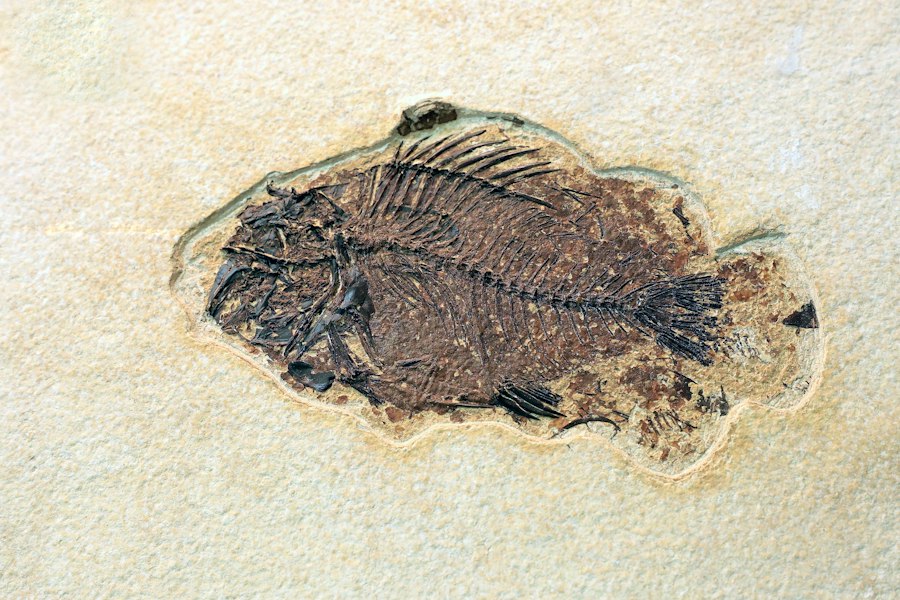
The archaeological record provides the most direct, albeit often fragmentary, evidence for prehistoric fish stocking. Examining ancient settlement sites, particularly those located near water bodies, can reveal patterns of fish consumption that hint at deliberate management. The presence of specific fish species in unexpected locations, the analysis of bone fragments, and the discovery of artifacts related to fishing and aquaculture all contribute to building a picture of past human-fish interactions.
The sheer volume and diversity of fish remains found at some prehistoric sites are striking. While this can indicate successful foraging, it can also suggest a sustained effort to maintain or increase local fish populations. The geographical distribution of certain species, particularly those that are not native to a particular watershed, is a strong indicator of human intervention. If a fish species, known to inhabit a particular lake, is found in abundance in a nearby river system where it would not naturally occur, it raises the question of how it arrived there. Human transport, whether intentional or accidental as a byproduct of other activities, becomes a plausible explanation.
### Translocation of Species: Moving the Living Bounty
One of the most compelling forms of prehistoric fish stocking would have been the direct translocation of fish or their eggs. This could have involved carrying live fish in containers of water, or perhaps transporting fertilized eggs for release in new environments. The motivation would have been to establish or bolster populations in areas that were otherwise less productive or to introduce desirable species into new territories.
The discovery of non-native fish species in ancient lake sediments or archaeological deposits is a significant piece of evidence. For instance, if a landlocked lake contains a species of anadromous fish (one that migrates between fresh and saltwater) that cannot naturally access it, its presence strongly suggests human introduction. Likewise, if a species is found in a region far from its natural range, especially in a context where it would have been a valuable food source, human agency is the most probable cause. The sheer effort involved in transporting live fish or eggs over land would imply a significant perceived benefit, suggesting a deliberate and calculated decision rather than a chance occurrence.
### Habitat Modification: Cultivating the Aquatic Garden
Beyond direct translocation, prehistoric peoples likely engaged in practices that modified aquatic habitats to enhance fish populations. This could have included creating spawning grounds, improving water flow, or even constructing simple enclosures to concentrate or protect fish. These interventions demonstrate a sophisticated understanding of fish ecology and a proactive approach to resource management.
Evidence for habitat modification can be more subtle. For example, the clearing of vegetation around the edges of lakes or rivers might have been done to improve access for fishing, but it could also have inadvertently created more open, sunlit areas suitable for the spawning of certain fish species. The construction of rudimentary dams or weirs, while primarily for fishing efficiency, could also have altered water levels and flow, potentially creating more favorable conditions for fish reproduction and growth in upstream areas. The careful placement of stones or logs could have created artificial reefs, providing shelter and foraging opportunities for smaller fish, which in turn would attract larger predatory species.
## Paleoecological Insights: Reconstructing Ancient Aquatic Ecosystems
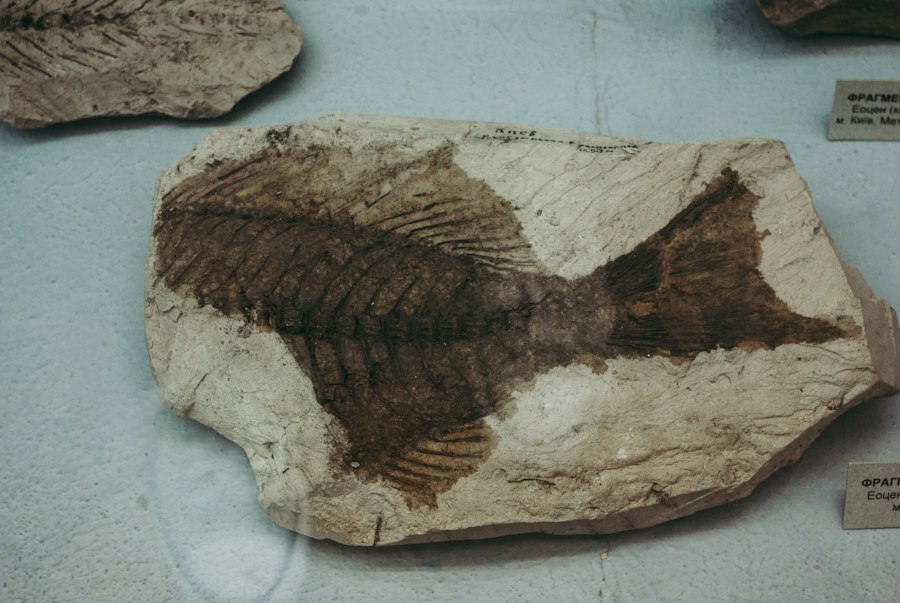
Paleoecological studies, which examine past environments through analysis of sediments, pollen, and other biological remains, can offer crucial indirect evidence for prehistoric human influence on aquatic ecosystems. By reconstructing the composition of ancient fish communities and the overall health of water bodies, scientists can infer the impact of human activities, including potential stocking practices.
Changes in the abundance and diversity of fish species over time, as revealed through the analysis of fossilized fish scales or bones in sediment cores, can point to human intervention. If a particular species suddenly appears or its population dramatically increases following a period of human settlement, it suggests a cause-and-effect relationship. Furthermore, changes in the trophic structure of an aquatic ecosystem – the relative abundance of producers, herbivores, and carnivores – can also be indicative of human management. For example, an increase in the population of herbivorous fish, perhaps introduced or encouraged, could lead to changes in algal blooms and water clarity.
### Sediment Core Analysis: Layers of Evidence
Sediment cores drilled from lakebeds or riverbeds can act as time capsules, preserving a record of past environmental conditions and biological activity. The analysis of fish remains within these cores, alongside other ecological indicators like pollen and diatoms, can reveal long-term trends in fish populations and their relationship to human settlement.
The presence of specific fish bones or scales in distinct layers within a sediment core can indicate shifts in the dominant fish species. If a species that is known to be sensitive to pollution declines while a more resilient species becomes more prevalent, it might suggest a change in water quality, potentially influenced by human activities. More directly, the sudden appearance of a species in a core layer that corresponds with a period of human occupation, especially if that species is not native to the region, is a strong indicator of human introduction. Furthermore, the abundance of certain species within the sediment can be correlated with the intensity of human exploitation or management.
### Stable Isotope Analysis: Tracing Diet and Movement
Stable isotope analysis, particularly of carbon and nitrogen isotopes found in fossilized fish bones and otoliths (ear stones), can provide insights into the diet and migratory patterns of ancient fish. This technique allows researchers to understand where fish were foraging and whether their diets changed over time, which can, in turn, reflect human influence on their food sources or habitat.
If the isotopic signature of a fish species indicates that it was feeding on organisms typically found in a different aquatic environment, it strongly suggests that the fish has been moved. For instance, a freshwater fish with an isotopic signature indicative of a marine diet would imply it was likely translocated from a marine environment to a freshwater one, or vice-versa, by human agency. Similarly, changes in isotopic composition within a population over time could reflect human efforts to alter their feeding grounds or to introduce fish that exploit different food webs, thereby reducing competition with humans or other important fish species.
## Motivations for Prehistoric Fish Stocking: Sustaining Life and Society
The driving forces behind prehistoric fish stocking were multifaceted, primarily rooted in the fundamental human need for survival and the desire to secure a consistent and reliable food source. However, these practical motivations likely intertwined with emerging social structures and a growing understanding of ecological relationships.
Beyond mere sustenance, the successful management of fish populations could have conferred significant social and economic advantages. Communities that could reliably provide for their members, particularly during lean times, would likely have enjoyed greater stability and prosperity. This could have translated into increased population density, stronger social cohesion, and even a degree of territorial control or influence over valuable aquatic resources.
### Ensuring Dietary Security and Nutritional Diversity
The most immediate and obvious motivation for prehistoric fish stocking was to ensure a stable and predictable food supply. In environments where hunting and gathering could be unpredictable, actively managing fish populations offered a more reliable source of protein and essential nutrients. This dietary security was paramount for the survival and well-being of prehistoric communities.
The nutritional value of fish is well-established, providing essential fatty acids, vitamins, and minerals. For communities that relied heavily on starchy carbohydrates or had limited access to other protein sources, fish would have been an indispensable component of a balanced diet. By introducing or enhancing fish populations, ancient peoples were essentially diversifying and securing their food base, making them less vulnerable to the failure of other food sources, such as terrestrial game or crop yields. This was particularly important for settled communities, where the risk of starvation was more pronounced due to a fixed location and a larger population to feed.
### Mitigating Seasonal Fluctuations and Resource Scarcity
The seasonality of natural resources often presented significant challenges for prehistoric populations. Fish, like many other wild resources, exhibit seasonal variations in abundance due to breeding cycles, migration patterns, and environmental conditions. Stocking practices could have helped to overcome these fluctuations, ensuring a more consistent supply of fish throughout the year.
For example, if a particular species of fish was only abundant during the spring spawning season, prehistoric peoples might have sought to stock that species in areas where it could be harvested at other times of the year, perhaps by creating controlled ponds or areas where fish could be held. Alternatively, they might have introduced species that had different peak availability, thereby spreading their fishing efforts across a wider time frame. This proactive approach to resource management would have been particularly valuable for communities that lacked sophisticated food preservation techniques, as it would reduce the reliance on storing large quantities of perishable fish.
### Social and Economic Advantages of Resource Control
The ability to manage and control valuable aquatic resources could have conferred significant social and economic advantages upon prehistoric communities. Those groups that possessed the knowledge and ability to ensure a consistent fish supply would have been in a position of strength within their societies and potentially in their interactions with neighboring groups.
Reliable access to food could have supported larger populations, allowing for greater specialization of labor and the development of more complex social structures. It could have also served as a means of exchange or trade, with communities that had abundant fish resources supplying those that did not. Furthermore, the control over productive fishing grounds could have been a source of prestige and power, leading to the establishment of leadership roles and the development of territorial claims. The act of stocking itself could have been a collective undertaking, fostering cooperation and reinforcing social bonds within the community.
Recent studies on prehistoric human fish stocking practices reveal fascinating insights into how ancient communities managed their resources. These early methods of sustainable fishing not only ensured food security but also reflected the social structures of the time. For a deeper understanding of how power dynamics influenced resource management during crises, you can explore this related article on elite control in ancient societies. The article offers a compelling look at how privilege shaped responses to famine and resource scarcity, highlighting the intricate relationship between environment and social hierarchy. You can read more about it here.
## Long-Term Ecological Impacts and Legacy: A Prehistoric Footprint on Aquatic Worlds
| Metric | Value | Unit | Notes |
|---|---|---|---|
| Estimated Time Period | 10,000 – 5,000 | Years ago | Approximate era of early fish stocking by prehistoric humans |
| Species Stocked | Trout, Salmon, Carp | Types | Common fish species believed to be managed or stocked |
| Stocking Method | Translocation of fry and fingerlings | Technique | Early humans moved young fish to new water bodies |
| Purpose | Food supply, resource management | Reason | Ensuring sustainable fish populations for consumption |
| Evidence Type | Archaeological fish remains, sediment analysis | Data | Findings supporting prehistoric fish stocking activities |
| Geographical Regions | Europe, Asia, North America | Locations | Areas where prehistoric fish stocking is documented |
| Impact on Ecosystems | Moderate alteration of aquatic habitats | Effect | Early human intervention influenced local fish populations |
The prehistoric human interventions in aquatic ecosystems, though driven by immediate needs, inevitably left a lasting ecological footprint. The introduction of non-native species, the modification of habitats, and the sustained harvesting pressures all contributed to shaping the composition and dynamics of freshwater and marine environments in ways that persist to this day. Understanding this legacy is crucial for appreciating the deep history of human influence on the natural world.
The long-term consequences of these ancient practices were not always predictable or beneficial. While some stocking efforts may have been successful in the short term, others could have led to unforeseen ecological imbalances, such as the displacement of native species or the alteration of food webs. The legacy of prehistoric fish stocking, therefore, offers a valuable case study in the complex and often unintended consequences of human-environment interactions.
### Introduction of Invasive Species: Unintended Consequences
One of the most significant and often detrimental long-term impacts of prehistoric fish stocking was the introduction of non-native, or invasive, species. While the intent was likely to enhance food availability, the introduction of species outside their natural range could disrupt existing ecosystems, outcompete native fish for resources, and even prey upon them.
The genetic makeup of fish populations can also be altered by the introduction of new individuals. If a small number of fish are introduced into a larger population, their genes can become diluted over time. However, if the introduced population is substantial or if it establishes itself independently, it can lead to genetic hybridization or even the replacement of the native gene pool. This can have significant implications for the long-term survival and adaptability of native fish species, particularly in the face of environmental change. The long-term ecological consequences of introducing a non-native species can be severe and irreversible, impacting biodiversity, ecosystem services, and even economic activities like fisheries.
### Alteration of Aquatic Habitats and Food Webs
The physical modifications of aquatic environments by prehistoric peoples, such as the construction of weirs or the clearing of shorelines, could have had lasting effects on habitat structure and the overall health of aquatic ecosystems. These changes could have altered water flow, sediment deposition, and the availability of spawning and nursery grounds, impacting the life cycles and population dynamics of a wide range of aquatic organisms.
The introduction of new species, as discussed above, directly impacts food webs. A new predator can decimate prey populations, while a new competitor can reduce the food availability for native species. Conversely, the removal of a top predator through overfishing could lead to an explosion in the populations of its prey, causing further imbalances. The cumulative effect of these alterations, over millennia, has contributed to the current state of many aquatic ecosystems, making it challenging to distinguish between natural ecological processes and the enduring legacy of prehistoric human intervention.
### A Foundation for Modern Aquaculture and Conservation
Paradoxically, the ancient practices of prehistoric fish stocking, though rudimentary, laid a conceptual foundation for modern aquaculture and fisheries management. The very idea of actively influencing fish populations for human benefit, and the implicit understanding of ecological principles required to do so, represents an early form of applied ecology.
The lessons learned, both positive and negative, from these ancient interventions continue to inform contemporary approaches to managing aquatic resources. The challenges of introducing non-native species, the importance of habitat preservation, and the need for sustainable harvesting practices are all echoes of concerns that have been present, in some form, since the earliest days of human interaction with the aquatic world. Understanding this deep history helps to contextualize modern conservation efforts and to emphasize the long-standing human role in shaping the planet’s aquatic biodiversity. The recognition of these ancient practices highlights a continuum of human engagement with aquatic ecosystems, from survival-driven innovation to deliberate stewardship, demonstrating a persistent human drive to understand and influence the natural world.

The 7,000-Year-Old Secret Hidden Under a Lake
FAQs
What is prehistoric human fish stocking?
Prehistoric human fish stocking refers to the practice of ancient civilizations intentionally introducing fish species into bodies of water for various purposes.
Why did prehistoric humans engage in fish stocking?
Prehistoric humans stocked fish for reasons such as a readily available food source, religious or ceremonial practices, or to enhance biodiversity in certain areas.
Which methods were used by prehistoric humans for fish stocking?
Prehistoric humans used various methods for fish stocking, including transporting live fish in containers of water, carrying fish eggs or larvae, or even physically moving fish from one body of water to another.
What evidence supports the practice of prehistoric human fish stocking?
Evidence of prehistoric human fish stocking includes archaeological findings of fish bones in areas where certain species were not naturally present, ancient texts or drawings depicting fish transportation, and genetic studies showing the movement of fish populations by early humans.
What impact did prehistoric human fish stocking have on ecosystems?
Prehistoric human fish stocking could have both positive and negative impacts on ecosystems, such as altering food chains, introducing invasive species, or promoting the growth of certain fish populations at the expense of others.