
The human capacity for ingenuity has manifested in myriad ways throughout history, and nowhere is this more evident than in the construction of sophisticated traps. These devices, born from necessity and honed by generations of experience, represent a remarkable blend of observation, engineering, and an intimate understanding of both the natural world and the psychology of the intended victim. From the earliest hunter-gatherer societies to more complex civilizations, ancient trap construction techniques reveal a profound respect for resourcefulness and a mastery of materials readily available in the environment. The effectiveness of these ancient methods often lay in their simplicity, their stealth, and their ability to exploit predictable behaviors. This exploration delves into the ingenious methods employed by our ancestors to create these remarkable mechanisms, shedding light on their construction, purpose, and the underlying principles that made them so successful.
The Foundations of Ancient Trapping: Understanding the Prey and the Environment
Before any trap could be conceived, let alone constructed, a deep and nuanced understanding of the target species was paramount. Ancient peoples were not merely setting random snares; they were meticulously observing the habits, migratory patterns, preferred food sources, and even the fear responses of the animals they sought to catch. This empirical knowledge formed the bedrock of their trapping strategies, allowing them to design devices that were not only mechanically sound but also psychologically attuned to the prey. Furthermore, the immediate environment played an equally crucial role. The availability of specific materials, the topography of the land, and the prevailing weather conditions all influenced the design and placement of traps, dictating the practicality and efficacy of different approaches.
The Crucial Role of Observation and Ecological Knowledge
The success of any ancient trapping endeavor hinged on the trapper’s keen observational skills. They would spend countless hours watching animals, noting their daily routines, their pathways through the wilderness, and their reactions to various stimuli. This detailed understanding allowed them to identify vulnerabilities. For instance, knowing that deer followed specific game trails in the early morning or late evening enabled trappers to position their snares strategically along these well-worn paths. Similarly, understanding the feeding habits of birds led to the development of specialized netting and baiting techniques. This was not simply about spotting an animal; it was about comprehending its entire ecological niche and integrating that knowledge into the trapping design. The trapper became a student of nature, their success directly proportional to their depth of understanding.
Resourcefulness and Material Selection in Trap Construction
Ancient trap builders were masters of working with what nature provided. They possessed an intimate knowledge of the properties of various plants, woods, stones, and animal parts, and they expertly utilized these materials to create effective and often invisible traps. Flexible vines and pliable saplings were ideal for constructing snares and spring-loaded mechanisms. Sturdy branches and logs served as the structural components for larger traps. Sharp stones, honed through careful chipping and grinding, were incorporated into deadfall traps to deliver a swift and decisive blow. Sinew, animal hides, and even hair were woven and braided to create strong cords and nets. The art lay in selecting the appropriate material for the specific function and location of the trap, ensuring durability and camouflage simultaneously. The ability to transform raw, natural elements into functional tools was a testament to their ingenuity and survival instincts.
Ancient trap construction techniques have long fascinated historians and archaeologists, revealing the ingenuity and resourcefulness of past civilizations. These methods were often employed for hunting or defense, showcasing a deep understanding of mechanics and the environment. For a deeper exploration of the complexities of ancient societies, including their diplomatic strategies and communication methods, you can refer to this insightful article on the art of diplomatic language in ancient politics at this link.
Ingenious Mechanisms: Devising the “Trigger” and the “Capture”
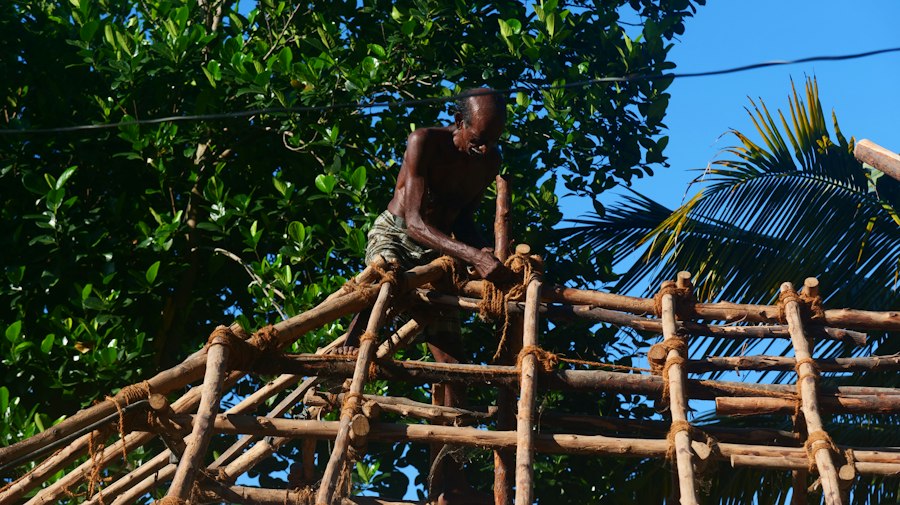
The heart of any trap lies in its mechanism – the ingenious system that detects the prey’s presence and initiates the capture. Ancient trap builders devised a remarkable array of trigger systems, often surprisingly complex for their time, that could be activated by the slightest pressure, movement, or even the weight of an unsuspecting animal. These triggers were designed to be sensitive yet reliable, ensuring that false alarms were minimized while maximizing the chances of a successful capture. The capture itself could range from simple entanglement to a swift, incapacitating strike, all achieved through clever application of natural forces like tension, gravity, and leverage.
The Art of the Trigger: Sensitivity and Deception
The trigger mechanism was the most critical and often the most intricate part of an ancient trap. Trappers developed a variety of ingenious methods to detect the presence of prey. Simple triggers might involve a carefully balanced stick or a loop of cord that, when disturbed, would release a larger mechanism. More sophisticated designs utilized the tension of bent saplings or weighted logs. For example, a baited stick could be propped against a trigger stick, which in turn held back a heavy object. When the animal tugged at the bait, it would dislodge the trigger, releasing the object to fall and trap or kill the prey. The art was in making these triggers as inconspicuous as possible, often camouflaged with natural materials, so that the prey would interact with them without suspicion. The subtle nudges and pulls of an animal investigating bait were all that was needed to set these clever devices in motion.
Harnessing Natural Forces: Spring Traps and Deadfalls
Two prominent categories of ancient traps that showcase ingenious mechanical principles are spring traps and deadfall traps. Spring traps, often referred to as “snap traps” in their modern descendants, relied on the stored energy of bent wood. A flexible sapling, bent back to create tension, would be held in place by a trigger mechanism. When released, the sapling would rapidly return to its natural position, often snapping a noose or other capture device around the prey. Deadfall traps, conversely, utilized the force of gravity. A heavy object, such as a large stone or a sharpened log, would be propped up by a trigger system. When the trigger was activated, the weight would fall directly onto the prey, crushing or incapacitating it. The effectiveness of both types relied on a precise calibration of weight, tension, and trigger sensitivity, demonstrating a profound understanding of physics principles long before formal scientific study.
Specialized Trapping Techniques: From Small Game to Large Game

The diversity of ancient trapping methods mirrored the diversity of the prey they aimed to capture. While simple snares were effective for small game like rabbits and birds, larger and more dangerous animals required more robust and complex constructions. These specialized techniques often involved collective effort, careful planning, and a deep understanding of the behavioral nuances of larger mammals. The ingenuity here lay not only in the mechanics of the trap but also in the strategies employed to lure, isolate, and ultimately subdue formidable creatures.
Snares and Nooses: The Ubiquitous Capture of Small Game
For the vast majority of ancient societies, the reliable capture of small game was essential for sustenance. Snares and nooses, therefore, represented some of the most widespread and fundamental trapping techniques. These devices, deceptively simple in appearance, were remarkably effective. Typically constructed from flexible plant fibers, animal sinew, or processed leather, a noose was carefully positioned along frequently used game trails or near food and water sources. The loop of the snare was often camouflaged with natural materials like leaves or grass, making it virtually invisible to the unsuspecting animal. When the animal’s head or limb passed through the noose and disturbed a carefully balanced trigger, the snare would tighten, effectively trapping the creature. The effectiveness of these simple devices lay in their high numbers, their widespread deployment, and the predictable movement patterns of their intended quarry.
Pitfalls and Enclosures: Containing Larger Prey
For larger and more dangerous animals, such as deer, wild boar, or even larger predators, the methods shifted from direct capture to containment or incapacitation. Pitfall traps were a common and effective strategy. These involved digging deep pits, often disguised with branches, leaves, and a thin layer of soil. The size and depth of the pit would be tailored to the target animal. Once an animal stumbled and fell into the pit, its escape was severely hampered. Some pits were even lined with sharpened stakes to inflict injury, ensuring the animal could not climb out. Alternatively, ingenious enclosure traps were constructed. These might involve constructing corrals or fences from logs, stones, or interwoven branches, often with a narrow entrance that could be sealed once the animal was inside. These larger-scale constructions often required collective effort and a significant investment of time and resources, highlighting the importance of successful hunts for these more challenging prey.
The Art of Camouflage and Concealment: The Invisible Hunter
Perhaps the most crucial element in the success of any ancient trap was its ability to remain undetected. The most brilliantly designed mechanism was useless if the prey could see or smell it from a distance. Ancient trappers were masters of camouflage and concealment, utilizing their environment to their advantage and employing techniques that rendered their traps virtually invisible to the discerning eye and keen nose of their intended victims. This artistry in disguise was not merely about aesthetics; it was a matter of life and death, ensuring that the trap remained an unseen threat until it was too late.
Blending with the Landscape: Natural Materials and Placement
The primary method of concealment involved seamlessly integrating the trap into its surroundings. This meant using materials that were indigenous to the area and that matched the color and texture of the natural environment. Leaves, moss, bark, mud, and grasses were all employed to cover and disguise trap components. The placement of traps was equally critical. They were strategically positioned in areas where prey was known to frequent, such as along game trails, near water sources, or close to feeding grounds. The trapper would carefully observe the flow of the landscape, ensuring that the trap did not disrupt the natural contours or create any unnatural lines or shapes that might alert the animal. A well-placed and well-camouflaged trap was essentially an extension of the natural environment, making it incredibly difficult for prey to discern any human intervention.
Masking Human Scent: Odor Control and Deception
Beyond visual concealment, ancient trappers also understood the importance of masking their own scent. Animals, particularly their prey, possess a highly developed sense of smell, and the presence of human odor could easily deter them from approaching a trap. Trappers employed various methods to mitigate this. They would often approach trapping areas downwind, to minimize the dispersal of their scent. Some would wear clothing made from animal hides to blend their smell with the environment. Others might use natural deodorizers like mud, ash, or certain aromatic plants to mask their human odor. In some instances, they might even strategically place animal scents near the trap to further distract and confuse the prey, making them more focused on the lure than on the subtle, tell-tale signs of human presence.
Ancient trap construction techniques have long fascinated historians and archaeologists, revealing the ingenuity of past civilizations in their quest for survival and efficiency. These methods, often influenced by the geographical features of their surroundings, played a crucial role in hunting and gathering practices. For a deeper understanding of how geographic determinism shaped these techniques, you can explore this insightful article on the topic. The interplay between environment and technology is a compelling aspect of human history, and examining it can shed light on the innovative strategies employed by our ancestors. To learn more about this connection, check out the article here.
The Legacy of Ancient Trapping: Enduring Principles and Modern Applications
| Technique | Region | Materials Used | Purpose | Effectiveness | Historical Period |
|---|---|---|---|---|---|
| Pitfall Traps | Global (Common in Africa, Asia, Americas) | Wood, sharpened stakes, earth | Capture large animals by falling into concealed pits | High for large game; depended on camouflage and location | Prehistoric to Medieval |
| Spring-Loaded Traps | Europe, Asia | Wood, rope, metal springs | Snaring small to medium animals using mechanical force | Moderate; reusable and effective for repeated use | Ancient to Early Modern |
| Deadfall Traps | North America, Europe | Heavy stones or logs, wood supports | Crushing animals by dropping heavy weights | High for small to medium animals; required precise setup | Prehistoric to Colonial |
| Snare Traps | Worldwide | Vines, wire, flexible branches | Capture animals by tightening loop around limbs or neck | High for small to medium animals; simple and portable | Ancient to Present |
| Net Traps | Asia, Africa, Europe | Plant fibers, ropes, wood frames | Ensnare groups of animals or birds | Moderate; required skill and teamwork | Ancient to Medieval |
While the need for ancient trapping techniques has diminished in many parts of the world due to modern hunting methods and agricultural practices, the principles behind them remain remarkably relevant. The ingenuity, resourcefulness, and profound understanding of natural systems displayed by ancient trap builders continue to inform our approaches in various fields, from wildlife management to even certain aspects of engineering and design. The legacy of these ancient methods is a testament to the enduring power of human observation and innovation.
Principles of Wildlife Management and Conservation
The meticulous study of animal behavior and habitat, which was fundamental to ancient trapping, is now a cornerstone of modern wildlife management and conservation efforts. Understanding migration patterns, feeding habits, and territorial behaviors allows scientists to effectively protect endangered species, manage populations, and mitigate human-wildlife conflict. The subtle art of luring and herding, often employed in ancient trapping strategies, finds echoes in modern techniques used to guide animals away from dangerous areas or towards designated reserves. Furthermore, the ethical considerations that likely arose over time regarding responsible hunting and resource utilization in ancient societies provide valuable historical context for contemporary discussions on sustainable practices.
Inspiration for Modern Engineering and Design
The clever application of leverage, tension, and trigger mechanisms in ancient traps continues to inspire engineers and designers. While modern technology allows for more complex solutions, the fundamental principles of creating efficient, reliable, and often simple mechanisms from readily available materials remain a valuable lesson. The concept of a sensitive trigger that activates a powerful response, for instance, can be seen in various modern systems, from safety mechanisms in machinery to automated devices. The ancient trappers, through their practical problem-solving, laid down foundational concepts of mechanical advantage and responsive design that have resonated through the ages, offering a timeless source of inspiration for innovation.

The 7,000-Year-Old Secret Hidden Under a Lake
FAQs
What materials were commonly used in ancient trap construction techniques?
Ancient trap construction techniques often utilized materials such as wood, stone, vines, and animal hides. These materials were readily available in the environment and were used to create effective traps for hunting and defense.
How were ancient traps designed to catch prey?
Ancient traps were designed with specific mechanisms to capture prey, such as tripwires, pressure plates, and bait. These traps were strategically placed in areas where animals were likely to pass, ensuring a successful catch.
Were ancient trap construction techniques standardized across different cultures?
Ancient trap construction techniques varied across different cultures and regions, with each society developing unique methods based on their environment, available resources, and hunting practices. Some traps were simple while others were more complex and sophisticated.
What role did ancient trap construction techniques play in daily life?
Ancient trap construction techniques played a crucial role in providing food and protection for ancient societies. Traps were used for hunting game, fishing, and securing settlements from potential threats, contributing to the survival and well-being of communities.
Are ancient trap construction techniques still used today?
While modern technology has largely replaced ancient trap construction techniques, some traditional methods are still used by indigenous communities and survivalists. These techniques are valued for their effectiveness and sustainability in certain environments.