Whispers from the Water: Prehistoric Peoples and Their Profound Relationship with Mountain Lakes
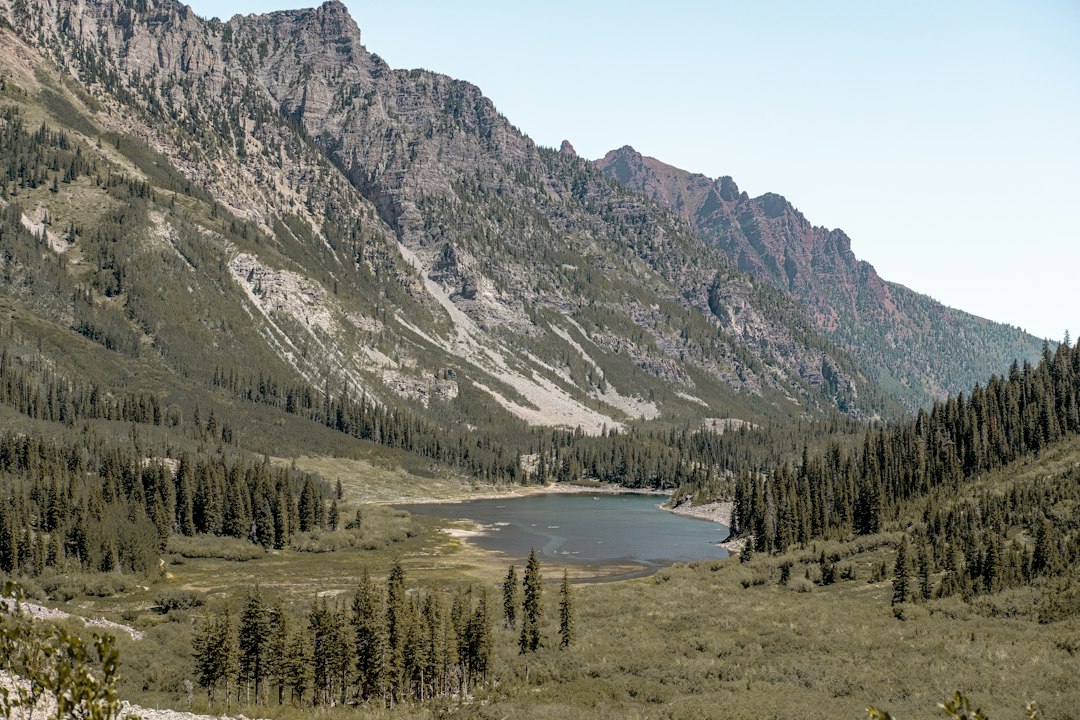
The stark beauty of a mountain lake, its surface reflecting the stoic grandeur of surrounding peaks, holds an allure that transcends time. For millennia, these pristine bodies of water have been more than just geographical features; they have been vital hubs of life, spiritual anchors, and silent witnesses to the development of early human societies. Prehistoric peoples, living in intimate communion with their environments, forged deep and multifaceted connections with mountain lakes. These connections were not merely utilitarian but deeply woven into the fabric of their survival, their belief systems, and their very identities. Understanding this relationship requires delving into the archaeological record, piecing together clues from ancient hearths, discarded tools, and the subtle shifts in landscape that speak of human presence. The story of prehistoric peoples and mountain lakes is one of necessity, reverence, and an enduring dialogue between humanity and the wild.
Prehistoric people often sought out mountain lakes as vital resources for survival, utilizing the abundant freshwater and surrounding ecosystems for food and shelter. These serene bodies of water not only provided sustenance but also served as strategic locations for early human settlements. For a fascinating exploration of ancient innovations, you can read about the remarkable properties of Roman concrete in this article: Revolutionary Roman Concrete: Self-Healing Wonders.
The Lifeblood of the Highlands: Sustenance and Survival
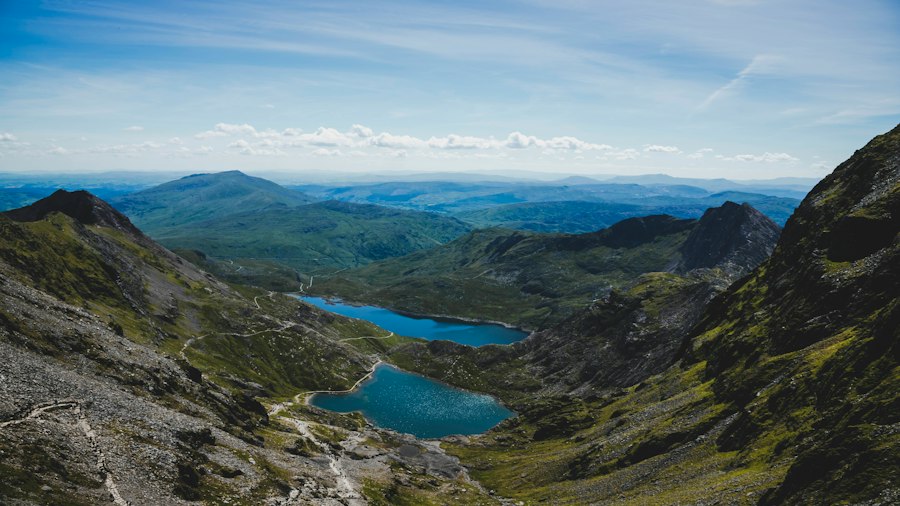
Mountain lakes were indispensable resources for prehistoric communities, providing the fundamental elements necessary for their survival in often harsh and remote environments. Their existence was intrinsically linked to the bounty and predictability that these high-altitude water bodies offered.
Aquatic Abundance: Food from the Depths
The most immediate and apparent connection prehistoric peoples had with mountain lakes was their role as a primary source of sustenance. These freshwater ecosystems teemed with life, offering a rich and reliable larder. Fish, in particular, would have been a crucial dietary staple. Species like trout, salmon (in lakes connected to migratory routes), and various smaller fish would have been readily available. Prehistoric anglers developed sophisticated techniques and tools to exploit this resource. Evidence of bone and antler fishing gorges, net sinkers fashioned from stone, and even wooden spears found at lakeside archaeological sites points to a sustained and skilled fishing tradition. The abundance of fish could provide protein and essential nutrients, allowing communities to thrive where terrestrial food sources might be scarce or seasonal. Beyond fish, lakes also supported populations of waterfowl, which could be hunted for their meat and feathers. The shores of lakes would have also attracted game animals drawn to the water’s edge for drinking, presenting opportunities for hunting.
Water for Life: Hydration and Beyond
The most fundamental need met by mountain lakes was, of course, hydration. In elevated regions, access to consistent fresh water is paramount, and lakes provided a dependable reservoir, especially during dry periods. This reliable water source not only sustained human life directly but also supported the vegetation and animal life upon which they depended. Beyond drinking, lake water played a role in various domestic activities. It would have been used for cooking, cleaning, and potentially for processing hides and other materials. The presence of a permanent water source also influenced settlement patterns. Prehistoric groups likely established camps and villages in close proximity to these lakes, minimizing the energy expenditure required to collect water and facilitating access to its other benefits. The availability of water also dictated the feasibility of certain agricultural practices, even in the limited scope of early horticultural efforts in mountainous regions.
Resource Rich Shores: Materials for Daily Life
The immediate vicinity of mountain lakes often provided a wealth of other essential resources. The shores would have been fringed with vegetation, offering materials for fuel, building, and crafting. Wood from trees and shrubs could be used for fire, shelter construction, and tool-making. Reeds and rushes might have been gathered for weaving mats, baskets, or even as bedding. The soil around lakes could also be fertile, supporting the growth of edible plants or medicinal herbs. Furthermore, the lakebed itself could have been a source of useful materials. Clay, readily available in many lake environments, would have been vital for pottery production, allowing for more efficient food storage and cooking. The presence of specific types of stone, perhaps eroded from surrounding mountains and deposited by glacial melt or water action, could have provided raw materials for lithic tool production, further reducing the need for long-distance trade.
Sacred Waters: Spirituality and Ritual in the Alpine Realm
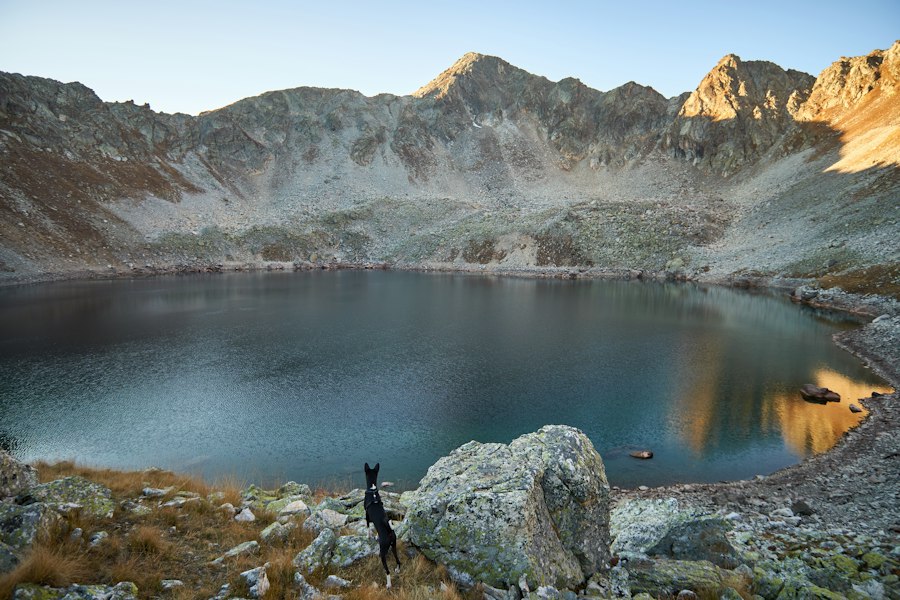
The profound connection prehistoric peoples had with mountain lakes extended far beyond the realm of material necessity. These pristine, often remote, and seemingly immutable landscapes held deep spiritual significance, becoming focal points for ritual, belief, and the expression of a worldview intertwined with the natural world.
Offerings to the Depths: Votive Practices and Sacred Sites
Archaeological evidence from numerous mountain lake sites across the globe suggests a consistent practice of making offerings to the water. These offerings, often deposited deliberately into the lake, represent a tangible expression of reverence and a plea for favor from the spirits or deities believed to inhabit these watery realms. The types of offerings varied, but commonly included precious or useful objects that would have held significant value to the people. These could range from finely crafted stone tools, weapons, and ornaments to animal bones, pottery, and even human remains in some instances. The act of submerging these items into the lake signified a transfer of value and a dedication to a higher power. These offerings were not random acts but were often concentrated in specific locations, suggesting the designation of certain areas within or around the lake as sacred sites. These could be particular inlets, depths, or even surrounding promontories that commanded views of the water. The systematic deposition of votive offerings points to a well-established ritualistic practice, a form of communication with the supernatural that aimed to maintain harmony and secure blessings.
Myths and Legends: Oral Traditions and Cosmology
While direct archaeological evidence of myths and legends is scarce, the enduring presence of mountain lakes in the oral traditions of many cultures hints at their central role in prehistoric cosmology. These stories, passed down through generations, likely explained the origins of the lakes, their inhabitants, and their relationship with the human world. Lakes could be depicted as gateways to the underworld, the dwelling places of powerful spirits or ancestral beings, or the source of life-giving forces. The cyclical nature of lakes – their filling and emptying, their seasonal changes – could have been interpreted as metaphors for life, death, and rebirth, forming the basis of complex origin stories and creation myths. The act of traveling to a mountain lake, especially for the purpose of ritual or pilgrimage, would have been imbued with spiritual significance, transforming the journey itself into a transformative experience. These narratives provided a framework for understanding the world, articulating the relationship between humans and the divine, and reinforcing cultural values.
The Lake as a Mirror: Reflection and Transformation
The reflective surface of a mountain lake, mirroring the sky, the mountains, and the human form, likely held profound symbolic meaning for prehistoric peoples. This duality of reflection and reality could have been interpreted as a connection between the physical and spiritual worlds, a place where the mundane could touch the mystical. The act of gazing into the water might have been seen as a form of introspection, a way to commune with one’s inner self or to seek guidance from the spirit world. In some cultures, lakes were associated with healing and purification. Bathing in their waters, or drinking from them, could have been seen as a way to cleanse oneself of spiritual impurities, to heal ailments, or to undergo a symbolic transformation. The enduring presence of these lakes, seemingly unchanging yet subtly dynamic, would have fostered a sense of continuity and permanence, connecting past, present, and future generations through their shared reverence for these sacred waters.
Nomadic Trails and Settled Shores: Human Movement and Adaptation
The presence of mountain lakes profoundly influenced the movement patterns and settlement strategies of prehistoric peoples, shaping their nomadic routes and, in some cases, encouraging more sedentary lifestyles.
Seasonal Migrations: Following the Water’s Call
For many prehistoric groups, especially those practicing a hunter-gatherer lifestyle, mountain lakes were integral to their seasonal migratory cycles. These movements were often dictated by the availability of resources, and lakes provided a consistent and predictable anchor point. During warmer months, when higher elevations were accessible and game animals congregated around water sources, communities might have moved into mountain valleys to exploit the bounty of the lakes and their surrounding environments. As winter approached, these groups would likely descend to lower elevations, seeking shelter and more abundant food sources. However, lakes, even when partially frozen, could still provide crucial access to ice fishing or a source of meltwater. The trails connecting these seasonal encampments would have been well-trodden paths, often following river valleys that fed into or out of the mountain lakes. These migratory patterns were not haphazard but were finely tuned to the ecological rhythms of the landscape, with lakes serving as vital nodes within these larger movement networks.
Lakeside Settlements: Anchors in the Landscape
While nomadism was prevalent, the consistent availability of resources offered by mountain lakes also led to the establishment of more permanent or semi-permanent settlements. These lakeside villages or camps offered a degree of stability and allowed for the accumulation of material possessions and the development of more complex social structures. Archaeological evidence of substantial hearths, dwelling foundations, and large middens (refuse heaps) at lakeside sites indicates prolonged human occupation. The defensibility of some lakeside locations, perhaps on islands or peninsulas, could have also contributed to their appeal as settlement sites, offering protection from predators or rival groups. The development of pottery, a more settled technology, is often found in conjunction with such sites, as it requires a stable base for production and use. These settled communities, though still reliant on the surrounding environment, represented a significant shift towards a more rooted existence, with the lake serving as the central organizing principle of their lives.
Trade and Interaction: Lakes as Crossroads
Mountain lakes, situated within larger geographical networks, could also have served as important points of interaction and exchange between different prehistoric groups. The relative ease of travel by water, particularly for smaller craft, and the concentration of resources around lakes would have made them natural gathering places. This could have facilitated the exchange of goods, ideas, and even marriage partners between communities. If a particular lake was strategically located on a route connecting different ecological zones or resource-rich areas, it could have developed into a minor trading hub. The presence of exotic materials found at a lakeside site, materials not naturally found in the immediate vicinity, would be strong evidence of such long-distance exchange networks. These interactions, facilitated by the lakes, would have played a crucial role in the diffusion of technology, cultural practices, and genetic diversity among prehistoric populations.
Recent studies have shed light on the fascinating relationship between prehistoric people and the mountain lakes they inhabited, revealing how these bodies of water played a crucial role in their survival and culture. For instance, the discovery of ancient artifacts near these lakes provides insight into the daily lives and practices of early humans. To explore more about how environmental changes have influenced human history, you can read this intriguing article on uncovering the secrets beneath Antarctica’s ice.
Ingenuity in the Ice Age: Technologies Shaped by Alpine Environments
| Metric | Data/Value | Notes |
|---|---|---|
| Estimated Time Period | 10,000 – 2,000 BCE | Late Paleolithic to Neolithic era |
| Common Activities | Fishing, hunting, gathering | Utilized mountain lakes for food and water |
| Typical Tools Found | Stone fishing hooks, spears, nets | Artifacts discovered near mountain lakes |
| Lake Altitude Range | 1,500 – 3,000 meters above sea level | Mountain lakes inhabited or used by prehistoric people |
| Diet Composition | Fish (30%), small mammals (40%), plants (30%) | Approximate dietary breakdown based on archaeological evidence |
| Settlement Proximity | Within 2 km of mountain lakes | Sites often located near water sources for sustenance |
| Climate Conditions | Cold temperate to alpine | Influenced seasonal migration and resource availability |
The challenges and opportunities presented by mountain lake environments spurred remarkable innovation and adaptation in the technologies developed by prehistoric peoples. Their tools and techniques were directly shaped by the materials available and the specific needs of living in these high-altitude, water-rich settings.
Aquatic Toolkit: Tools for the Fisher and Hunter
The exploitation of aquatic resources demanded specialized tools. As mentioned previously, the development of fishing technology was paramount. Bone and antler gorges, simple yet effective hooks, were common. Net sinkers, made from smoothed stones, allowed for the deployment of nets, enabling larger catches. Evidence of wooden net fragments suggests the use of more sophisticated fishing gear. Spears, possibly with barbed tips made of bone or stone, would have been used for spearing fish in shallower

The 7,000-Year-Old Secret Hidden Under a Lake
FAQs
1. What evidence suggests that prehistoric people lived near mountain lakes?
Archaeological findings such as tools, pottery, and structures near mountain lakes indicate that prehistoric people inhabited these areas.
2. How did prehistoric people utilize mountain lakes for survival?
Prehistoric people likely used mountain lakes as a source of freshwater, for fishing, and possibly for transportation and trade.
3. What challenges did prehistoric people face living near mountain lakes?
Harsh weather conditions, limited resources, and potential conflicts with other groups were some of the challenges prehistoric people may have encountered near mountain lakes.
4. Did prehistoric people have any spiritual or cultural connections to mountain lakes?
Some evidence suggests that prehistoric people may have viewed mountain lakes as sacred sites or had spiritual beliefs associated with these natural features.
5. How did prehistoric people adapt to changes in mountain lake environments over time?
Prehistoric people likely adapted their hunting, fishing, and gathering practices as well as their settlement patterns in response to changes in mountain lake environments, such as fluctuations in water levels or shifts in wildlife populations.