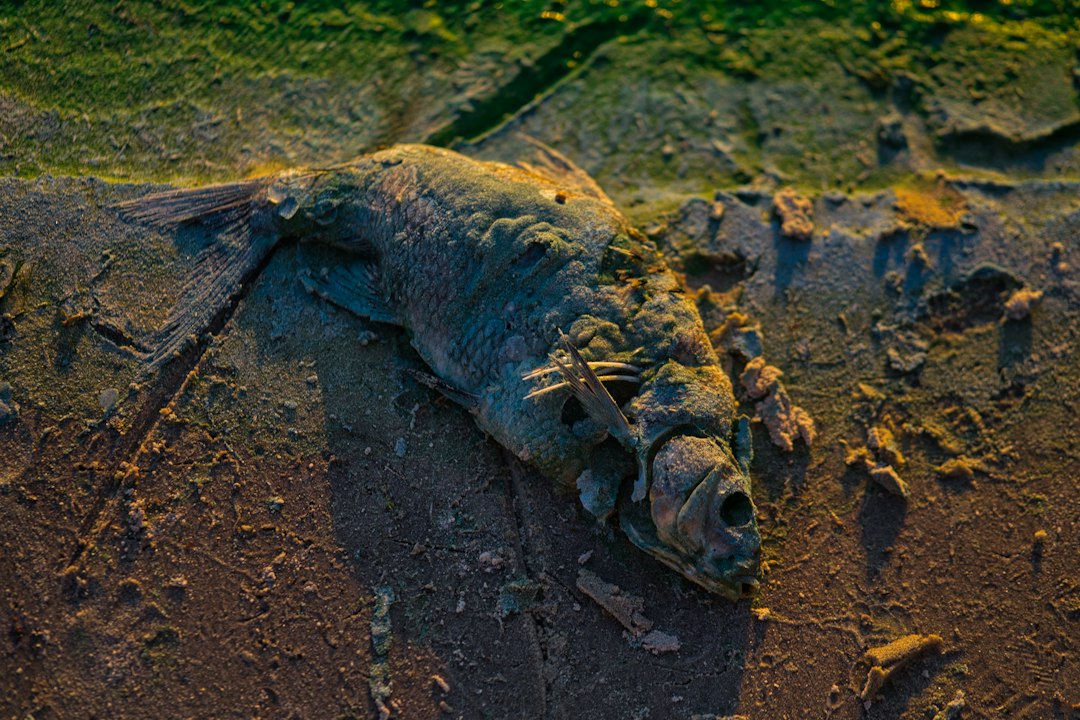
The story of life on Earth is inextricably linked to the journey from water to land. For eons, our planet was dominated by oceans, and it was within these ancient aquatic environments that the earliest forms of vertebrate life began their evolutionary ascent. The fossil record, a silent but eloquent chronicler of Earth’s past, offers compelling evidence of this monumental transition, revealing the gradual emergence and diversification of fish, the foundational lineage from which all terrestrial vertebrates, including ourselves, ultimately arose. Unraveling these ancient origins is a testament to the power of paleontological discovery, piecing together a narrative of adaptation, innovation, and the relentless drive of life to explore new frontiers.
The Dawn of Jawed Vertebrates: A Revolutionary Innovation
The development of jaws stands as a pivotal moment in the evolutionary history of vertebrates, fundamentally altering the ecological landscape and paving the way for a dazzling array of new forms. Before this innovation, jawless fish, known as agnathans, were the dominant aquatic vertebrates. Their feeding mechanisms were rudimentary, often involving filter-feeding or suction. The emergence of jaws, however, provided a powerful new tool for predation, enabling vertebrates to grasp, tear, and consume larger prey. This breakthrough not only expanded their dietary options but also influenced their morphology and behavior, leading to increased mobility and a more active predatory lifestyle. The fossil evidence for this transition, though initially sparse, has become increasingly robust, highlighting key transitional forms and the evolutionary pressures that likely drove this remarkable change.
Early Agnathans: The Precursors to Complexity
The earliest recognizable vertebrates were jawless. These ancient creatures, often referred to as “ostracoderms” (meaning “bony skin,” though not all had bony armor), swam in the Silurian and Devonian seas. Fossils like those of Astraspis and Arandaspis, dating back over 400 million years, showcase their primitive anatomy. They possessed a cartilaginous skeleton, rudimentary fins, and a distinctive dermal armor that likely provided protection against early predators. Their mouth was a simple opening, adapted for filter-feeding or scavenging on detritus at the bottom of ancient waterways. While lacking the formidable jaws of their descendants, these early agnathans represent the crucial first steps in the vertebrate evolutionary journey, demonstrating the development of key features like a centralized nervous system and a notochord, precursors to the vertebral column. The discovery of these early forms has been instrumental in understanding the baseline from which more complex vertebrate body plans evolved.
The Rise of Gnathostomes: The Impact of Jaws
The appearance of jaws marked a paradigm shift in vertebrate evolution. This innovation, which likely evolved from modified gill arches, allowed for more efficient feeding and opened up new ecological niches. The earliest jawed vertebrates, known as placoderms, dominated the Devonian period, often referred to as the “Age of Fishes.” These heavily armored fish, such as Dunkleosteus with its formidable bony plates and sharp edges that functioned like teeth, were apex predators of their time. The fossil record provides vivid illustrations of their predatory prowess, with fossilized stomach contents revealing the remains of other fish. The evolution of jaws was not a singular event but likely occurred through a series of incremental changes, with various lineages experimenting with different jaw structures and functionalities. This diversification of jawed forms led to an explosion of fish diversity, setting the stage for the subsequent evolution of all tetrapods.
Fossil Evidence for Jaw Evolution
The transition from jawless to jawed vertebrates is pieced together through a series of remarkable fossil discoveries. Early placoderms like Cladoselache, a shark-like fish from the Devonian, exhibit some of the earliest clear jaw structures. More recent discoveries, such as the acanthodian fish Fou and the jawless Tullimonster, have further illuminated the murky origins. Fou, for example, possessed tooth-like structures that might have been precursors to true jaws. The arrangement of gill arches in early vertebrates also provides crucial clues. Paleontologists hypothesize that the anterior gill arches gradually modified over evolutionary time, with the supporting cartilages and muscles adapting to form the structures that would eventually become jaws. The precise sequence and timing of these events are still subjects of active research, but the overall trajectory from jawless to jawed feeders is well-supported by the available fossil evidence, showcasing a clear evolutionary progression.
Recent studies have shed light on the introduction of ancient fish species and their significance in understanding prehistoric ecosystems. For a deeper dive into the broader implications of historical introductions and their geopolitical ramifications, you can explore the article on the Artemis Accords, which discusses how international agreements can influence environmental policies and conservation efforts. For more information, visit this article.
The Age of Fishes: Devonian Diversity and Dominance
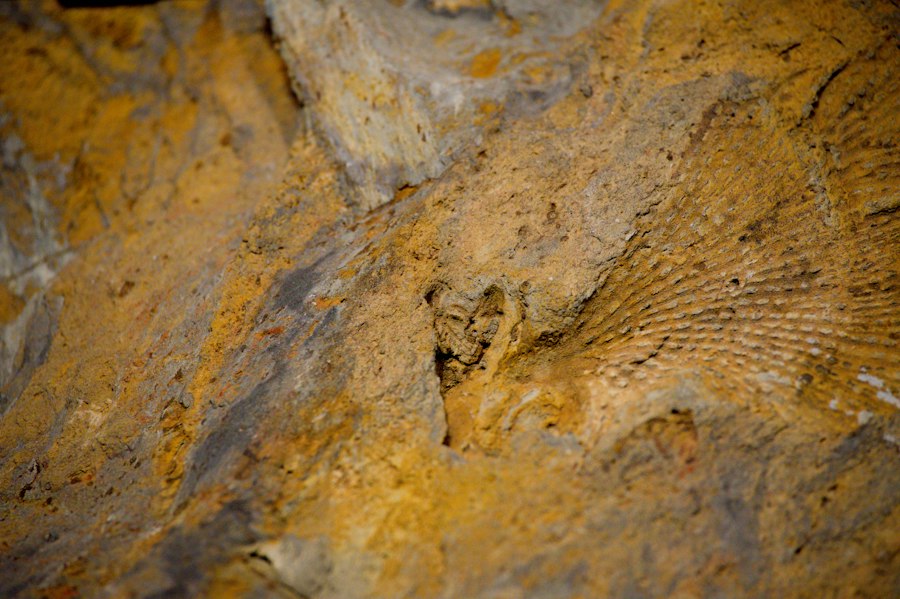
The Devonian Period, roughly 419 to 359 million years ago, is widely recognized as the “Age of Fishes.” During this time, jawed vertebrates underwent a remarkable diversification, filling a vast array of ecological roles in the planet’s oceans, rivers, and lakes. This era witnessed the rise of diverse lineages, from heavily armored placoderms to the ancestors of modern sharks and bony fish. The fossil record from this period is particularly rich, offering an unprecedented glimpse into the complexity and variety of early aquatic life. The success of fishes during the Devonian laid the groundwork for future evolutionary developments, including the eventual colonization of land.
Placoderms: The Armored Conquerors
Placoderms were the undisputed rulers of the Devonian seas. Their most striking feature was their extensive dermal armor, often covering their head and anterior body. This armor provided significant protection, making them formidable predators in an increasingly competitive aquatic environment. Genera like Coccosteus and Bothriolepis are well-represented in the fossil record, showcasing a wide range of sizes and forms. Some placoderms were relatively small, while others, like the colossal Dunkleosteus, reached lengths of over six meters. Their jaws were robust, often lined with sharp bony plates that served as effective cutting edges. The sheer abundance and diversity of placoderms during the Devonian underscore their evolutionary success and their central role in the early evolution of jawed vertebrates. Their eventual decline and extinction at the end of the Devonian remains a subject of scientific inquiry, likely due to a combination of factors including changing environmental conditions and competition from emerging cartilaginous and bony fish lineages.
Cartilaginous Fish: Ancestors of Sharks and Rays
The Devonian also saw the emergence and diversification of the earliest cartilaginous fish, the ancestors of modern sharks, rays, and chimaeras. These fish are characterized by their skeletons made of cartilage rather than bone, a feature that allows for greater flexibility and agility. Early sharks, such as Cladoselache, already possessed many of the iconic features we associate with modern sharks, including streamlined bodies, multiple gill slits, and sharp, replaceable teeth. While their fossilized skeletons are less common than those of bony fish due to the nature of cartilage, the discovery of fossilized teeth and dermal denticles (placoid scales) provides substantial evidence of their presence and evolutionary trajectory. The development of cartilaginous skeletons and efficient propulsion systems allowed these fishes to occupy different ecological niches compared to their armored placoderm counterparts, contributing to the overall richness of Devonian marine life.
Bony Fish: The Foundation of Modern Ichthyofauna
The Devonian was a critical period for the early evolution of bony fish, or Osteichthyes, which would go on to become the most diverse and successful group of vertebrates on Earth. This period saw the divergence of two major lineages: the ray-finned fishes (Actinopterygii) and the lobe-finned fishes (Sarcopterygii). Ray-finned fishes, characterized by fins supported by bony rays, are the ancestors of the vast majority of modern fish species. Lobe-finned fishes, on the other hand, possessed fleshy, lobed fins supported by bones and muscles. This latter group is of particular interest to the study of terrestrial vertebrate evolution, as it includes the direct ancestors of land-dwelling animals. Fossils like Eusthenopteron, a well-studied lobe-finned fish, exhibit skeletal structures in their fins that bear a striking resemblance to the limb bones of early tetrapods, providing a crucial link in the evolutionary transition from water to land.
Transitional Fossils: Bridging the Gap to Terrestrial Life
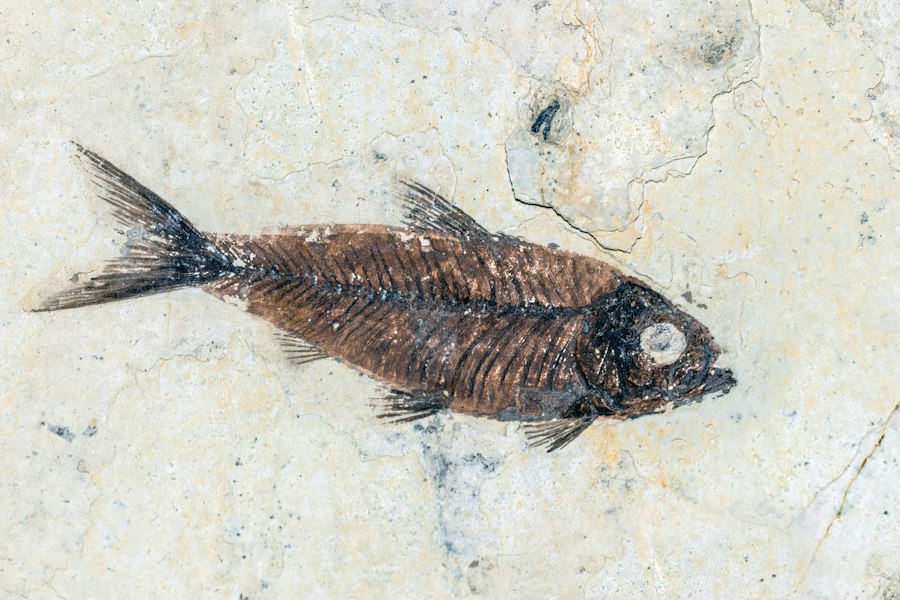
The evolutionary leap from aquatic to terrestrial existence was one of the most profound transformations in the history of life. This monumental transition was not a sudden event but a gradual process, marked by a series of intermediate forms that exhibit a mosaic of aquatic and terrestrial adaptations. The discovery of these “transitional fossils” has been instrumental in understanding how vertebrates conquered land, providing tangible evidence of the incremental changes that allowed life to move out of the water and into new environments. These fossils offer invaluable insights into the anatomical and physiological modifications necessary for life on land, from breathing air to supporting body weight and locomotion.
The Lobe-Finned Ancestors: Fins to Limbs
The lobe-finned fishes, as mentioned previously, represent a key lineage in the journey to land. Their distinctive fleshy fins, supported by internal bones homologous to our own limb bones, were pre-adapted for the demands of terrestrial locomotion. Fossils such as Tiktaalik roseae, discovered in the Canadian Arctic, have been hailed as a “fishapod” – a remarkable creature that embodies this transitional phase. Tiktaalik possessed both fish-like characteristics, such as gills and scales, and tetrapod-like features, including a flattened head with eyes on top, a neck that allowed it to move its head independently, and robust, limb-like pectoral fins with well-developed wrist bones capable of supporting weight. This creature lived in shallow, brackish waters and likely used its fins to prop itself up and navigate the substrate, foreshadowing the development of legs. The detailed anatomical study of Tiktaalik has provided unparalleled insight into the early stages of limb evolution.
Early Tetrapods: The First Steps on Land
Following the Tiktaalik stage, a lineage of lobe-finned fishes further evolved into the earliest tetrapods – four-limbed vertebrates. These creatures, such as Ichthyostega and Acanthostega from the Late Devonian period, represent a significant evolutionary milestone. While still retaining many aquatic features, such as tails with fins and even external gills in some cases, they possessed distinct limbs with digits, adapted for moving on land. Ichthyostega, for instance, had strong limbs and a more robust skeleton capable of bearing weight, suggesting it spent considerable time out of the water. Acanthostega, on the other hand, had more limb-like fins with eight digits, and its skeleton indicates it was likely more aquatic than Ichthyostega, possibly using its limbs for maneuvering in shallow water. These early tetrapods demonstrate the continued experimentation with locomotion and environmental adaptation as vertebrates began to exploit the terrestrial realm.
Adaptations for Terrestrial Life: Beyond the Fins
The move to land necessitated a cascade of anatomical and physiological adaptations. The fossil record reveals these changes in stages. The transition from gills to lungs for respiration was crucial, allowing vertebrates to breathe atmospheric oxygen. The development of a stronger skeletal structure to support the body against gravity, replacing the buoyancy of water, was another essential adaptation. Primitive limbs with digits evolved from the lobe-fins, providing a means of locomotion on solid ground. Sensory systems also underwent modifications, with the evolution of eyelids to protect the eyes from drying out and changes in the auditory system to perceive sound in air. The fossil evidence, through detailed examination of skeletal structures, preserved soft tissues (in rare cases), and even footprints, paints a comprehensive picture of these transformative evolutionary processes, highlighting the ingenuity of life in adapting to new challenges and opportunities.
The Significance of Early Fish Fossils: Foundations of Vertebrate Diversity
The study of ancient fish fossils is not merely an academic pursuit; it is fundamental to understanding the entire evolutionary trajectory of vertebrates, including our own lineage. These ancient creatures represent the earliest branching points in our evolutionary tree, and their study provides crucial context for the development of all subsequent vertebrate forms. The insights gained from these fossils have profound implications for fields ranging from evolutionary biology and paleontology to developmental biology and even medicine.
Evolutionary Tree Construction: Tracing Our Ancestry
The fossil record of early fish is indispensable for constructing the vertebrate evolutionary tree. By comparing the anatomical features of different fossil species and modern organisms, paleontologists can infer evolutionary relationships and pinpoint the divergence of major lineages. The discovery of transitional fossils, as discussed, is particularly vital for identifying key evolutionary innovations like jaws and limbs and understanding the order in which they arose. Studying the morphology, geological age, and geographic distribution of these ancient fish helps to place them within a phylogenetic framework, revealing the deep evolutionary connections that link all vertebrates. Without this evidence, our understanding of where we come from would be significantly incomplete.
Understanding Major Evolutionary Innovations
The evolution of key vertebrate traits, such as jaws, fins, limbs, and sensory organs, can be meticulously studied through the fossil record. Early fish fossils provide snapshots of these innovations in their nascent stages, allowing scientists to observe the gradual changes that occurred over millions of years. For example, the transformation of gill arches into jaws, the evolution of lobe-fins from paired fins, and the subsequent modification of these into limbs are all clearly traceable through a series of fossil specimens. This detailed understanding of how complex structures evolve through incremental modifications is a cornerstone of evolutionary theory and highlights the power of natural selection in shaping life. The fossil record acts as a time machine, allowing us to witness these crucial evolutionary experiments firsthand.
Insights into Early Ecosystems and Environmental Change
Fossils are not just about anatomy; they are also windows into the ancient environments in which these creatures lived. The types of fish found in a particular rock layer, along with associated fossil flora and fauna, provide clues about the conditions of ancient oceans, rivers, and lakes – their salinity, temperature, oxygen levels, and the composition of their food webs. The diversification and extinction patterns observed in early fish lineages can also inform us about significant environmental changes that occurred throughout Earth’s history, such as periods of glaciation, volcanic activity, or changes in sea level. By studying the fossil evidence of ancient fish, we gain a deeper appreciation for the dynamic nature of Earth’s ecosystems and the profound impact environmental forces have had on the evolution of life.
Recent discoveries in paleontology have shed light on the fascinating evolution of ancient fish, providing evidence that challenges our understanding of their introduction into various ecosystems. A related article explores the implications of these findings and how they reshape our perspective on prehistoric marine life. For more insights into this topic, you can read the article here.
Ongoing Discoveries and Future Directions in Fish Paleontology
| Evidence Type | Description | Location Found | Estimated Age | Significance |
|---|---|---|---|---|
| Fossilized Fish Scales | Preserved scales indicating early fish species | Green River Formation, USA | 50 million years | Shows early diversity of freshwater fish |
| Jawbone Fossils | Partial jawbones from primitive fish | Old Red Sandstone, Scotland | 400 million years | Evidence of early jawed vertebrates |
| Impressions of Fish Fins | Fossilized fin impressions in sedimentary rock | Chengjiang, China | 518 million years | Indicates early fish-like organisms in Cambrian |
| Conodont Elements | Microfossils from early jawless fish | Various global locations | 500 million years | Used to date Paleozoic marine sediments |
| Placoderm Armor Plates | Fossilized bony plates from armored fish | Burgess Shale, Canada | 360 million years | Shows early development of fish armor |
The field of fish paleontology is far from static. Continuous exploration and technological advancements are constantly unearthing new fossils and refining our understanding of ancient aquatic life. Future research promises to fill in remaining gaps in our knowledge, further illuminate evolutionary pathways, and potentially reveal entirely new branches on the vertebrate family tree. The ongoing quest to understand our deep past is driven by a combination of dedicated fieldwork, sophisticated analytical techniques, and a persistent curiosity about the origins of life.
New Fossil Discoveries: Expanding the Picture
Paleontological expeditions continue to yield remarkable new fossil discoveries that challenge and refine existing hypotheses. Recent finds in regions previously unexplored for vertebrate fossils, or revisited with new technologies, are routinely providing specimens that offer fresh perspectives on evolutionary transitions. For instance, discoveries of exceptionally preserved fossils, where soft tissues or delicate skeletal elements are preserved, are particularly invaluable. These discoveries can reveal previously unknown anatomical features, feeding strategies, or reproductive behaviors of extinct fish, thereby enriching our understanding of their biology and ecological roles. Each new fossil is a piece of a larger puzzle, and the continued accumulation of these pieces is steadily building a more complete picture of early vertebrate evolution.
Advanced Imaging and Analytical Techniques
Modern paleontology leverages a suite of advanced technologies to extract more information from fossil specimens than ever before. Techniques such as micro-computed tomography (micro-CT) allow researchers to create detailed three-dimensional digital models of fossils, revealing internal structures without the need for destructive preparation. This enables precise anatomical comparisons and functional analyses. Isotopic analysis of fossil bones and teeth can provide information about diet, habitat, and even climate. Molecular paleontology, while still in its early stages for ancient fish due to the degradation of DNA over vast timescales, holds the potential to reveal genetic insights from exceptionally preserved specimens in the future. These sophisticated tools are transforming how paleontologists study fossils, unlocking secrets that were previously inaccessible.
Unanswered Questions and Future Research Aims
Despite remarkable progress, many questions about ancient fish origins remain unanswered. The precise origins of jaws, the exact timing of the water-to-land transition, and the evolutionary relationships between many early fish groups are still areas of active research. Future research will likely focus on filling these knowledge gaps through targeted fossil discoveries and the application of emerging analytical techniques. Investigating the biodiversity of under-explored geological periods and regions, and re-examining existing collections with new technologies, are key strategies. Furthermore, the integration of paleontological data with insights from developmental biology and genomics offers exciting avenues for understanding the genetic and developmental mechanisms underlying major evolutionary transitions. The journey to fully understand our ancient aquatic ancestors is ongoing, a testament to the enduring fascination and scientific importance of uncovering the deep history of life on Earth.

The 7,000-Year-Old Secret Hidden Under a Lake
FAQs
What is considered an ancient fish?
Ancient fish are fish species that have remained relatively unchanged for millions of years, often exhibiting primitive characteristics compared to modern fish.
What evidence supports the existence of ancient fish?
Evidence of ancient fish includes fossil records, genetic studies, and anatomical similarities between modern fish and their ancient ancestors.
Where have ancient fish fossils been found?
Ancient fish fossils have been found in various locations around the world, including sedimentary rock formations, ancient lakes, and archaeological sites near bodies of water.
How do ancient fish differ from modern fish?
Ancient fish often have simpler anatomical features, such as cartilaginous skeletons, lack of scales, and primitive jaw structures, compared to the more evolved characteristics of modern fish.
Why are ancient fish important in the study of evolution?
Ancient fish provide valuable insights into the early stages of vertebrate evolution, helping scientists understand the development of key traits and adaptations that have shaped the diversity of fish species today.