The Silent Stories of Stone and Tide: Unearthing Ancient Fishing Technologies
The rhythmic pulse of the ocean, a timeless force shaping coastlines and sustaining life, has also been a relentless partner in human ingenuity. For millennia, coastal communities worldwide have developed sophisticated methods to harvest the bounty of the sea. Among the most enduring and revealing of these are ancient fish traps, ingeniously constructed structures designed to funnel, corral, and capture marine life. These stone and wooden marvels, often submerged and visible only at low tide, are not merely relics of the past; they are silent storytellers, offering profound insights into the ecological knowledge, social organization, and technological prowess of our ancestors. Dating these structures, however, presents a unique set of challenges, requiring a multi-faceted approach that blends archaeological observation with scientific analysis and historical interpretation.
Recent advancements in archaeological methods have shed light on ancient fishing practices, particularly through the study of fish traps. These traps, often made from natural materials, can be dated using various techniques, allowing researchers to understand the fishing habits of ancient civilizations. For a fascinating exploration of how ancient maps, like the Piri Reis map, provide insights into lost civilizations and their practices, you can read more in this article: Uncovering the Lost Civilization: Piri Reis Map Theory.
Decoding the Depths: Archaeological Investigations and Site Interpretation
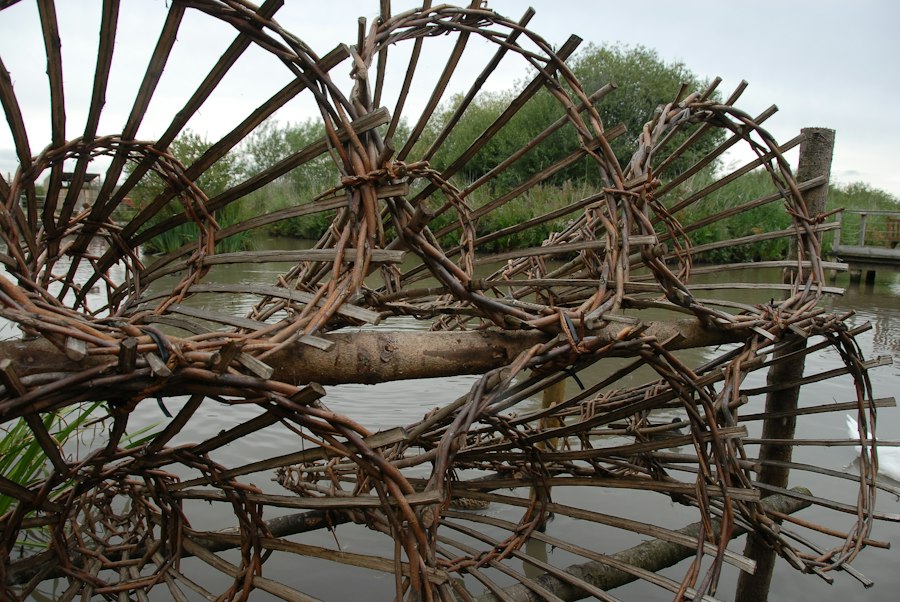
The initial steps in dating ancient fish traps involve meticulous archaeological investigation. Researchers meticulously survey coastal areas, often focusing on regions with a history of fishing and where tidal patterns expose potential trap structures. The very form and construction of a fish trap can provide initial clues to its age and purpose. The types of stones used, the way they are interlocked or stacked, and the overall design – whether a simple enclosure or a complex maze of channels – all speak to the skill and resources available to the builders.
Identifying Construction Styles and Materials
The raw materials employed in the construction of fish traps are often the first tangible link to a specific time period. In many coastal regions, particularly where bedrock is abundant, traps are predominantly built from carefully selected and placed stones. The size, shape, and type of stone used can be indicative of local geological resources and the technological capabilities of the builders. For instance, the use of precisely cut and fitted stones, as seen in some Mediterranean or Pacific island traps, suggests a more advanced level of stonemasonry than the rough, fieldstone construction found in other areas. Similarly, the presence of preserved wooden elements, though rarer due to degradation, can be directly dated through dendrochronology if suitable tree species and well-preserved timbers are found. The types of wood, their grain patterns, and the tools used to shape them (evidenced by tool marks) can all contribute to establishing a chronological framework.
Recognizing Typological Sequences and Functional Evolution
Archaeologists often look for typological sequences in the design of fish traps. This involves identifying recurring patterns and variations in trap construction over time and across different sites. Certain trap designs might be more primitive and basic, perhaps simple V-shaped enclosures, while others might exhibit more complex, elaborate features such as long guiding walls, multiple chambers, or intricate funnel entrances. By studying these variations within a region or across related cultures, archaeologists can develop a relative chronology, suggesting that certain trap types are older than others. This is akin to dating pottery shards based on evolving decorative styles. Furthermore, understanding the functional evolution of traps is crucial. Were earlier traps designed for a broader range of fish, or were they specialized? Did the introduction of new materials or techniques lead to more efficient trapping methods? Answering these questions can help place traps within a broader historical narrative.
Mapping Location and Environmental Context
The location of a fish trap is not arbitrary; it is intimately linked to the local marine environment and the behavior of the targeted fish species. Understanding the paleogeography and paleoenvironment of a site is therefore paramount. Changes in sea level, coastline morphology, and sediment deposition over millennia can significantly alter the original context of a fish trap. For example, a trap that was once situated in a tidal estuary might now be found further offshore or buried under accumulated sediment due to coastal progradation. Archaeological mapping and geological surveys help reconstruct these past environments, providing a crucial backdrop for interpreting the trap’s original function and dating its construction within a specific ecological niche. The presence of certain marine organisms within the sediment layers surrounding a trap, or even within the trap itself, can also provide environmental indicators and aid in dating through radiocarbon analysis of associated organic material.
Scientific Clocks: Dating Methods and Analytical Techniques
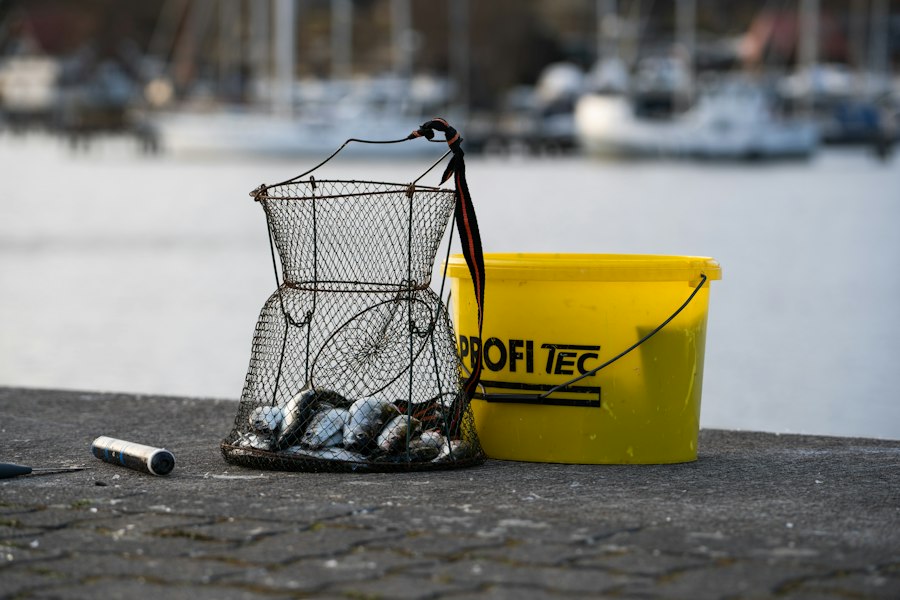
While archaeological observation provides valuable context, scientific dating methods offer more precise chronological anchors for ancient fish traps. These techniques, based on the decay of radioactive isotopes or the accumulation of certain elements, provide quantitative age estimates, transforming relative chronologies into absolute dates.
Radiocarbon Dating: The Gold Standard for Organic Remains
Radiocarbon dating, also known as Carbon-14 dating, is a cornerstone technique for dating organic materials found in association with fish traps. If organic material such as wood, bone, shell, or seaweed is preserved within or directly adjacent to the trap structure, it can be sampled and analyzed. Radiocarbon dating relies on the principle that living organisms absorb carbon from their environment, including the radioactive isotope Carbon-14. Once an organism dies, it no longer absorbs carbon, and the Carbon-14 within its tissues begins to decay at a known rate. By measuring the remaining amount of Carbon-14, scientists can calculate the time elapsed since the organism’s death, thereby dating the associated trap. For fish traps, this could involve dating fragments of wooden stakes used in construction, shells incorporated into the fill, or even fossilized seaweed that became trapped. The accuracy of radiocarbon dating can be further refined through calibration curves, which account for variations in atmospheric Carbon-14 levels over time.
Luminescence Dating: Unlocking the Secrets of Buried Sediments
Luminescence dating techniques, such as Optically Stimulated Luminescence (OSL) and Thermoluminescence (TL), are invaluable for dating sediments that have buried fish traps. These methods measure the energy absorbed by mineral grains, such as quartz and feldspar, from natural background radiation. This energy is stored within the crystal lattice of the minerals. When a sediment is buried, light exposure is cut off, and the “geological clock” begins to tick as radiation continues to accumulate. OSL dating works by exposing sediment samples to specific wavelengths of light in a laboratory setting, causing the stored energy to be released as luminescence. The intensity of this luminescence is directly proportional to the time the sediment has been buried. TL dating uses heat instead of light to stimulate the release of stored energy. By dating sediment layers directly above or below a fish trap, or sediments found within the trap itself, researchers can establish a minimum or maximum age for its construction. This is particularly useful when direct organic dating material is scarce.
Other Isotopic and Geochemical Approaches
Beyond radiocarbon and luminescence dating, other isotopic and geochemical methods can contribute to dating ancient fish traps. Uranium-series dating, for instance, can be applied to calcareous materials like shells or coral that might be found in association with traps, particularly in marine environments. This method dates the formation of calcium carbonate. Electron Spin Resonance (ESR) dating is another technique that can be applied to materials like quartz, tooth enamel, or mollusk shells, dating the accumulation of radiation damage within the material’s crystal structure. Geochemical analysis of the sediments surrounding the trap can also provide clues. Changes in the chemical composition of sediments over time, due to factors like erosion, deposition, or human activity, can sometimes be correlated with known historical periods or environmental events, offering indirect dating evidence.
Bridging the Past and Present: Historical and Ethnohistorical Clues
While archaeological and scientific methods provide the hard data, historical and ethnohistorical records can offer crucial context and corroborate findings, helping to paint a more complete picture of when and why ancient fish traps were built and used.
Consulting Written Records and Oral Traditions
For regions with a documented history, written records can provide invaluable insights. Ancient texts, explorers’ journals, colonial administrative reports, and even local archives might contain descriptions or mentions of fishing practices and structures that align with the archaeological evidence. While direct dating of traps might not be explicitly stated, these records can confirm the existence and use of such technologies during specific historical periods. Oral traditions and indigenous knowledge systems are equally important, especially in societies where written records are scarce. Elders and community members may possess generations of knowledge about the location, construction, and historical use of traditional fishing sites, including fish traps. These narratives, when carefully recorded and critically analyzed, can offer invaluable insights into the cultural significance and temporal placement of these ancient structures.
Comparative Studies and Cultural Diffusion
Comparing fish trap designs and construction techniques across different geographical regions and cultures can also aid in dating. If a particular trap design is found in one location that has a well-established chronology and then appears in another region, it can suggest a similar timeframe for the construction and use of the traps in the latter area. This comparative approach helps in understanding patterns of technological diffusion and adaptation. For example, if a specific type of basketry or netting material, known to be used during a certain period, is found preserved in association with a trap, it provides a potential chronological marker. Ethnohistorical accounts of trade networks and migration patterns can also shed light on how these technologies might have spread.
Archaeological Context and Stratigraphic Evidence
The archaeological context in which a fish trap is discovered is a critical element in its dating. Stratigraphy, the study of layered deposits, plays a vital role. If a fish trap is found buried beneath layers of sediment that contain datable artifacts or have themselves been dated through other methods, it helps establish a chronological relationship. For instance, if a trap is found beneath a layer of pottery dating to the Roman period, it strongly suggests the trap predates the Roman occupation. Conversely, if the trap is found within or upon a layer of later material, it indicates it is older than that layer. The careful excavation and documentation of these stratigraphic relationships are fundamental to building a robust chronological framework for fish traps.
Recent studies on ancient fishing practices have shed light on the innovative methods used by early civilizations, particularly in relation to fish traps. These traps not only reveal the ingenuity of our ancestors but also provide valuable insights into their daily lives and environmental interactions. For a deeper understanding of historical navigation and mapping techniques that may have influenced fishing practices, you can explore an intriguing article about the Piri Reis map. This resource offers a fascinating perspective on how ancient cartography played a role in the development of maritime activities. You can read more about it here.
The Human Element: Social and Economic Implications of Ancient Traps
| Dating Method | Description | Materials Analyzed | Typical Age Range | Accuracy | Limitations |
|---|---|---|---|---|---|
| Radiocarbon Dating (C-14) | Measures decay of carbon-14 in organic materials | Wood, charcoal, bone, plant fibers from traps | Up to ~50,000 years | ±50 to 200 years depending on sample quality | Requires organic material; contamination affects results |
| Dendrochronology | Tree-ring dating to determine exact year of wood growth | Wooden trap components | Up to ~10,000 years (region dependent) | Yearly precision | Requires preserved wood with visible rings; regional tree-ring chronologies needed |
| Thermoluminescence (TL) | Measures trapped electrons in minerals heated during last use | Stone or ceramic parts of traps | Up to ~500,000 years | ±5-10% of sample age | Requires heating event; complex calibration |
| Optically Stimulated Luminescence (OSL) | Dates last exposure of minerals to sunlight | Sand or sediment associated with trap structures | Up to ~100,000 years | ±10% of sample age | Must avoid light exposure during sampling; sediment context critical |
| Stratigraphy | Relative dating based on sediment layers | Trap location within sedimentary layers | Varies by site | Relative dating only | Cannot provide absolute dates; disturbed layers reduce reliability |
The construction and use of ancient fish traps were not merely technological endeavors; they were deeply embedded within the social and economic fabric of the communities that built them. Understanding these aspects provides further context for their dating and significance.
Resource Management and Subsistence Strategies
The presence of well-constructed fish traps indicates a sophisticated understanding of marine ecosystems and fish behavior. These traps represent a commitment to resource management, suggesting that communities were not simply taking fish haphazardly but were employing strategies to ensure a sustainable food supply. The scale and complexity of the traps can also reveal the importance of fishing to the overall subsistence economy. Large, elaborate trap systems might suggest a reliance on fishing for survival, potentially indicating periods of agricultural scarcity or a primary dependence on marine resources. The types of fish targeted, as evidenced by the trap design and any preserved remains, can further illuminate dietary habits and ecological knowledge.
Labor Organization and Community Cooperation
Building substantial fish traps, especially those requiring the movement and placement of large stones or timbers, demanded significant labor and coordination. This implies a degree of social organization and cooperation within the community. The construction of these structures may have been a communal effort, perhaps undertaken during specific seasons or as part of seasonal rituals. The existence of shared fishing grounds and the communal responsibility for maintaining and utilizing trap systems highlight the social structures that underpinned these ancient technologies. The ability to mobilize such labor suggests a stable and organized society with established leadership or decision-making processes.
Territoriality and Resource Control
In some instances, the strategic placement and robust construction of fish traps can also point towards issues of territoriality and resource control. The establishment of a permanent or semi-permanent fishing structure in a particular location could signify a claim over that fishing ground. This might have been particularly important in areas with limited prime fishing spots. The control of these valuable resources could have led to social stratification, with certain groups or individuals having greater access to and benefit from the fish caught. The presence of multiple traps in close proximity, or the distribution of traps across a coastline, can offer clues about how fishing rights and responsibilities were organized within the community.
Preserving the Legacy: Conservation and Future Research
The enduring nature of stone fish traps has allowed many to survive the ravages of time and tide, but they are not immune to modern threats. Ensuring their preservation and continuing research are vital for unlocking their full historical and scientific potential.
Threats to Preservation and Mitigation Strategies
Ancient fish traps face numerous threats, including coastal erosion, rising sea levels, storm damage, and human activities such as marine construction, dredging, and even the casual removal of stones for other purposes. The increasing impact of climate change poses a significant risk to these coastal heritage sites. Mitigation strategies are crucial and include careful monitoring of trap sites, the implementation of protective measures where feasible, and public education campaigns to raise awareness about their historical significance. In some cases, selective removal and reassembly of endangered trap sections might be considered, though this is a complex undertaking requiring careful planning and execution. Collaboration between archaeologists, conservationists, and local communities is essential for developing effective preservation plans.
Advancements in Dating and Analytical Technologies
The field of dating and analytical technologies is constantly evolving. New methods and refinements to existing techniques offer the potential for even more precise and detailed dating of fish traps. Advances in remote sensing technologies, such as lidar and drone-based photogrammetry, can aid in mapping and monitoring trap sites with unprecedented accuracy, even in challenging intertidal zones. Further development in paleoclimate reconstruction can provide more detailed environmental contexts for trap sites, aiding in their interpretation. The integration of artificial intelligence and machine learning in analyzing large datasets of archaeological and environmental information could also accelerate discovery and interpretation. Future research will likely benefit from interdisciplinary collaborations, bringing together archaeologists, geologists, marine biologists, historians, and computer scientists.
The Ongoing Quest for Understanding
The study of ancient fish traps is an ongoing quest to understand the ingenuity and adaptability of past human societies. Each new discovery, each refined date, and each historical narrative adds another layer to our appreciation of these remarkable structures. As research continues, we can anticipate gaining deeper insights into the ecological wisdom of our ancestors, their complex social systems, and their profound connection to the marine world. The silent stories etched in stone and tide are far from fully told, and the continued exploration of ancient fish traps promises to reveal even more about the human journey through time.

The 7,000-Year-Old Secret Hidden Under a Lake
FAQs
What are some common dating methods used for ancient fish traps?
Common dating methods for ancient fish traps include radiocarbon dating, dendrochronology (tree-ring dating), optically stimulated luminescence (OSL) dating, and stratigraphy.
How does radiocarbon dating help determine the age of ancient fish traps?
Radiocarbon dating measures the amount of carbon-14 remaining in organic material found in or around the fish trap. By comparing the carbon-14 levels to the known decay rate, scientists can estimate the age of the fish trap.
What information can dendrochronology provide about ancient fish traps?
Dendrochronology, or tree-ring dating, can provide information about the age of the wood used in constructing the fish trap. By analyzing the growth rings of trees, researchers can determine the approximate age of the wood and, by extension, the fish trap.
How does optically stimulated luminescence (OSL) dating work in dating ancient fish traps?
Optically stimulated luminescence (OSL) dating measures the last time quartz grains in sediment were exposed to sunlight. By analyzing these grains near the fish trap, researchers can estimate when the sediment was last exposed to sunlight, providing a minimum age for the fish trap.
Why is stratigraphy important in dating ancient fish traps?
Stratigraphy involves studying the layers of sediment or soil in which the fish trap is found. By analyzing the sequence of these layers and the artifacts within them, researchers can determine the relative age of the fish trap compared to other archaeological finds in the same area.