The story of humanity’s relationship with its environment is a tale as old as time, stretching back to the very dawn of our species. For millennia, prehistoric humans lived as part of the intricate ecological webs, their impact seemingly negligible against the vastness of the natural world. However, as our ancestors evolved, adapted, and spread across the globe, their actions, often unintentional, began to weave new threads into the tapestry of life, initiating profound and lasting ecological changes. This exploration delves into the early environmental impact of prehistoric humans, examining how their subsistence strategies, technological advancements, and migratory patterns reshaped landscapes and ecosystems long before the advent of agriculture.
The Paleolithic Footprint: Hunter-Gatherer Ecosystem Interactions
The Paleolithic era, spanning millions of years, represents the longest period of human existence, characterized by small, nomadic groups of hunter-gatherers. Their impact on the environment was largely localized and driven by their immediate needs for survival: food, shelter, and tools. Yet, even with relatively simple technologies, their presence subtly altered the ecosystems they inhabited.
Fire as a Tool and Landscape Modifier
Perhaps one of the most significant early environmental interventions by prehistoric humans was the control and use of fire. The mastery of fire, which likely began in the Lower Paleolithic, provided warmth, protection from predators, and the ability to cook food, making it more digestible and safer to consume. Beyond these direct benefits, fire was also a powerful tool for landscape management.
Sparking Controlled Burns for Resource Management
Evidence suggests that early humans deliberately used fire to clear vegetation, creating more open habitats that favored the growth of certain plants they relied upon for food and medicinal purposes. These intentional burns could also have influenced the distribution and abundance of prey animals by encouraging the growth of grasses and other forage. The practice of “fire-stick farming,” as described by some anthropologists, involved using fire to manage grasslands, driving game towards hunters and promoting the regeneration of edible plants. While the scale of these early burns was undoubtedly smaller than modern wildfires, they represented a deliberate manipulation of ecological processes, altering successional patterns and potentially increasing biodiversity in some areas by creating mosaic landscapes.
The Impact on Soil and Nutrient Cycling
The repeated use of fire in specific areas would have also had an impact on soil composition and nutrient cycling. Burning vegetation releases nutrients back into the soil in a readily available form, potentially leading to temporary increases in soil fertility. However, excessive or poorly controlled fires could also lead to soil erosion, especially on sloped terrain, and the loss of organic matter, impacting long-term soil health. The specific effects would have varied greatly depending on the type of vegetation being burned, the frequency of burning, and the climatic conditions.
Hunting Practices and Megafauna Dynamics
The hunting of large mammals, or megafauna, by early humans is a topic of ongoing debate, but it is undeniable that these apex predators, including our ancestors, played a role in shaping animal populations.
Predation Pressure and Species Extinction Debates
During the Pleistocene epoch, the Earth was home to a remarkable array of large animals, from mammoths and mastodons to giant sloths and saber-toothed cats. As humans expanded their range, they encountered these megafauna, and hunting likely became a significant source of protein and resources. The “overkill hypothesis,” proposed by Paul S. Martin, suggests that human hunting was a primary driver of the extinction of many Pleistocene megafauna as humans spread into new continents. While the precise role of hunting versus climate change in these extinctions is complex and debated, it is clear that human predation exerted a novel selective pressure on these large animals. In some cases, populations of large herbivores may have been reduced, altering vegetation structure and the overall ecosystem dynamics.
Shifting Herd Behavior and Spatial Distribution
Even without causing extinctions, human hunting could have influenced the behavior and distribution of large mammals. The constant threat of predation would have driven herbivores to alter their migratory routes, feeding grounds, and denning sites. This behavioral adaptation, in turn, would have had ripple effects on plant communities, as altered grazing patterns would influence plant growth and regeneration. The presence of human hunting parties could have fragmented herds, leading to less efficient foraging and increased vulnerability to other predators.
The study of prehistoric human environmental impact is a fascinating topic that intersects with various fields, including archaeology and cartography. One related article that delves into the complexities of ancient mapping and its implications for understanding human interactions with the environment is available at this link: Piri Reis Map: Ancient Cartography and Modern Science. This article explores how ancient maps, like the Piri Reis map, provide insights into the geographical knowledge of early civilizations and their relationship with the natural world.
The Mesolithic Transition: Adapting to New Environments and Technologies
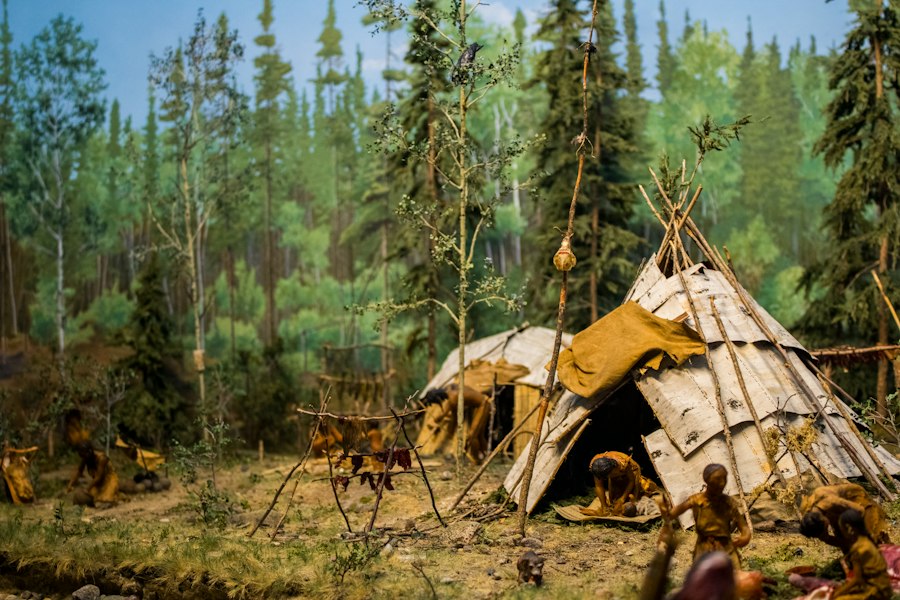
The Mesolithic period, following the last Ice Age, marked a significant shift in human societies. As the glaciers retreated and sea levels rose, new environments emerged, and human populations adapted by developing more diverse subsistence strategies and innovative technologies. This period saw a further, albeit still relatively subtle, increase in human ecological influence.
Exploiting New Marine and Freshwater Resources
The post-glacial warming led to the expansion of coastlines and the formation of numerous freshwater lakes and rivers. Mesolithic peoples became adept at exploiting these new aquatic environments, developing sophisticated fishing techniques and tools.
Innovations in Fishing and Seafood Consumption
The development of nets, traps, fishhooks, and harpoons allowed for more efficient harvesting of fish, shellfish, and marine mammals. This increased reliance on aquatic resources led to localized concentrations of human populations near rich fishing grounds, often resulting in the accumulation of shell middens – large accumulations of discarded shells and other refuse. These middens can provide valuable archaeological insights into diet and behavior, but they also represent a significant localized environmental alteration, concentrating organic waste and potentially altering local soil chemistry and hydrology. The intensive harvesting of shellfish in certain areas could have also impacted coastal ecosystems, affecting populations of other marine organisms.
Impact on Estuarine and Coastal Ecosystems
The increased exploitation of estuarine and coastal environments meant that Mesolithic humans were directly interacting with more sensitive and productive ecosystems. Their fishing and gathering activities, combined with the construction of temporary or semi-permanent settlements, could have led to localized habitat disturbance, changes in water quality due to refuse, and altered prey populations. The establishment of sedentary or semi-sedentary fishing communities would have exerted a greater localized pressure on resources compared to the highly mobile hunter-gatherer groups of the Paleolithic.
The Rise of Composite Tools and Their Ecological Implications
Mesolithic toolkits became more complex, with the development of composite tools – tools made from multiple parts, such as hafted axes and composite spears. These advancements enhanced efficiency and expanded the range of activities humans could undertake.
Efficient Woodworking and Landscape Modification
The development of effective axes and adzes, even if made of stone, allowed for more efficient clearing of forests for shelter construction, fuel, and the creation of open spaces. While not on the scale of later deforestation, these activities would have begun to subtly alter forest structure and composition in areas of human settlement. The availability of wood for fuel also meant that fire use likely intensified in accessible areas, with the associated impacts on vegetation and soil.
Increased Hunting and Butchering Efficiency
Composite spears and other projectile technologies improved hunting success rates. This increased efficiency in hunting, combined with a broader dietary base, could have led to more consistent pressure on animal populations. The ability to process larger carcasses more effectively would also have supported larger or more sedentary human groups, further concentrating their impact on local environments.
The Neolithic Revolution: The Dawn of Intentional Landscape Alteration

The Neolithic Revolution, beginning around 10,000 years ago, represents the most transformative period in human history in terms of environmental impact. The development of agriculture and animal domestication fundamentally altered the human relationship with the environment, shifting from passive exploitation to active manipulation and management of ecosystems.
The Advent of Agriculture and its Cascading Effects
The transition to farming, characterized by the cultivation of crops and the domestication of livestock, led to profound and widespread ecological changes. This period marks the beginning of a new era where humans intentionally shaped landscapes to meet their needs.
Land Clearing and Habitat Transformation
The expansion of agriculture required the clearing of vast tracts of land, transforming forests, grasslands, and wetlands into cultivated fields. This process led to significant habitat loss and fragmentation for countless species, altering biodiversity and ecosystem structure. Deforestation, in particular, became a major driver of environmental change, leading to soil erosion, changes in hydrological cycles, and impacts on local climates. The selective cultivation of certain plants also reduced the diversity of plant species in agricultural landscapes, creating more homogenous environments.
Soil Degradation and Nutrient Depletion
Intensive agriculture, even with early methods, often led to soil degradation. Continuous cropping without adequate fallowing or nutrient replenishment depleted soil fertility over time. This could result in reduced crop yields, forcing farmers to clear new land, further exacerbating deforestation and habitat loss. The loss of topsoil due to erosion, a consequence of extensive land clearing and cultivation, was a significant and persistent environmental problem that plagued early agricultural societies.
The Rise of Monocultures and Biodiversity Loss
The focus on cultivating a few staple crops led to the rise of monocultures – large areas planted with a single crop. This dramatically reduced local biodiversity, both plant and animal, as the diverse habitats previously supported by natural vegetation were replaced by a simplified agricultural landscape. The loss of natural habitats also meant a decline in the populations of wild species that depended on them, impacting food webs and ecological interactions.
Domestication and its Ecological Footprint
The domestication of animals brought about its own set of environmental consequences, often intertwined with agricultural practices.
Overgrazing and Soil Compaction
Large herds of domesticated livestock, such as sheep, goats, and cattle, could exert significant grazing pressure on landscapes. In many regions, this overgrazing led to the degradation of grasslands, soil erosion, and desertification. The trampling of the ground by hooves also compacted the soil, reducing its permeability and hindering plant growth. This intensive grazing pressure could fundamentally alter the composition and structure of plant communities, favoring less palatable or more resilient species.
Introduction of Invasive Species and Disease Transmission
The movement of domesticated animals, both by humans and through trade, facilitated the introduction of species to new environments where they had no natural predators or controls. These introduced species, or invasives, could outcompete native flora and fauna, disrupting ecosystems. Furthermore, domesticated animals can act as reservoirs for diseases that can then be transmitted to wild populations, or vice versa, leading to widespread health impacts within ecosystems. The close proximity of humans, their livestock, and wild animals also increased the potential for zoonotic disease transmission.
Early Human Migration and Environmental Reshaping
The remarkable ability of prehistoric humans to migrate and colonize diverse geographical regions played a crucial role in their environmental impact. As humans spread across continents, they encountered and interacted with a vast array of ecosystems, each responding in unique ways to their presence.
Colonization of New Continents and Ecosystem Transitions
The peopling of continents like Australia and the Americas represents monumental migrations that had profound and often dramatic ecological consequences. These were vast landmasses with unique flora and fauna, and the arrival of humans, with their hunting and fire-using capabilities, initiated significant transformations.
The Australian Megafauna Extinction
Australia’s prehistoric megafauna, including giant marsupials like Diprotodon and massive flightless birds, largely disappeared within a few thousand years of the arrival of Aboriginal peoples. While climate change may have played a role, the timing strongly suggests that human hunting and the use of fire were significant contributing factors to these extinctions. The introduction of fire into ancient Australian ecosystems, which had evolved with limited fire, likely altered vegetation patterns, creating environments less suitable for the megafauna.
The Americas: A Continent Reshaped
Similarly, the arrival of humans in the Americas, potentially in multiple waves, coincided with the extinction of much of the continent’s Pleistocene megafauna, including mammoths, mastodons, horses, and camels. The “Columbian Exchange” is often discussed in relation to later European arrival, but earlier human migrations also brought about significant ecological shifts through predation, fire use, and the eventual development of agriculture. The establishment of hunter-gatherer societies across diverse environments, from the Arctic to the tip of South America, required adaptation and led to localized but widespread alterations in animal populations and vegetation.
Impact of Fire Regimes on New Landscapes
The introduction of fire-use by migrating human populations into environments that had not experienced regular burning had particularly dramatic effects. In some cases, fire could open up dense forests, promoting the growth of grasslands that supported large herbivore populations. In other cases, uncontrolled fires could lead to widespread destruction of vegetation and soil erosion, fundamentally changing the character of the landscape. The long-term ecological consequences of these introduced fire regimes continue to be studied.
Recent studies have shed light on the significant environmental impact of prehistoric humans, revealing how their activities shaped ecosystems long before the industrial age. For instance, an intriguing article discusses the discovery of ancient reservoir ruins, which suggests that early humans engaged in sophisticated water management practices that altered local landscapes. You can read more about this fascinating topic in the article Uncovering Secrets of Ancient Reservoir Ruins, highlighting the intricate relationship between early societies and their environments.
Long-Term Ecological Legacies: The Enduring Imprint of Prehistoric Humanity
| Time Period | Human Activity | Environmental Impact | Estimated Scale | Key Evidence |
|---|---|---|---|---|
| Lower Paleolithic (2.5 million – 300,000 years ago) | Use of fire and stone tools | Localized vegetation clearing, hunting pressure on megafauna | Small, localized impact | Charcoal deposits, cut-marked bones |
| Middle Paleolithic (300,000 – 40,000 years ago) | Advanced hunting techniques, controlled use of fire | Increased hunting pressure, early landscape modification | Moderate, regional impact | Faunal remains, hearth sites |
| Upper Paleolithic (40,000 – 10,000 years ago) | Expansion of human populations, sophisticated tools | Significant megafauna extinctions, habitat alteration | Widespread regional impact | Extinction records, pollen analysis |
| Mesolithic (10,000 – 8,000 years ago) | Hunter-gatherer societies, early forest management | Selective burning, modification of plant communities | Localized to regional impact | Charcoal layers, pollen shifts |
| Neolithic (8,000 – 3,000 years ago) | Agriculture, animal domestication | Deforestation, soil erosion, biodiversity loss | Extensive regional impact | Archaeological sites, sediment cores |
The environmental changes wrought by prehistoric humans, though often gradual and localized compared to the industrial era, have left enduring legacies that continue to shape ecosystems today. Understanding these early impacts is crucial for comprehending the trajectory of human-environment interactions and for informing contemporary conservation efforts.
Altered Species Distributions and Extinction Patterns
The most visible long-term legacy is the alteration of species distributions and the patterns of extinction. Many species that were once widespread have been reduced to fragmented populations or have vanished entirely due to human activities, including hunting, habitat modification, and the introduction of invasive species. The megafauna extinctions of the Pleistocene stand as a stark reminder of the profound impact early human expansion could have.
Changes in Vegetation Structure and Composition
The deliberate use of fire, the clearing of land for early agriculture, and the grazing pressure from domesticated animals have all led to long-term changes in vegetation structure and composition. Forests have been thinned or replaced by grasslands, and the diversity of plant species has often been reduced in areas of long-term human settlement. These changes have cascaded through ecosystems, affecting food webs, soil health, and hydrological cycles.
The Foundation for Future Environmental Challenges
The innovations and practices developed by prehistoric humans, particularly the advent of agriculture, laid the groundwork for the environmental challenges faced by modern societies. While the scale and intensity of human impact have increased exponentially with technological advancement, the fundamental processes of habitat destruction, resource depletion, and biodiversity loss were initiated in prehistoric times. Recognizing these deep historical roots provides a crucial perspective on the long and complex journey of humanity’s relationship with the planet. The subtle yet significant environmental interventions of our early ancestors serve as a powerful testament to the profound and lasting influence that even nascent human societies can exert on the natural world.
The 7,000-Year-Old Secret Hidden Under a Lake
FAQs
What evidence exists of prehistoric human environmental impact?
Archaeological evidence such as tools, pottery, and structures, as well as pollen records, animal bones, and sediment layers, provide insights into how prehistoric humans interacted with their environment.
How did prehistoric humans alter their environment?
Prehistoric humans altered their environment through activities such as hunting, gathering, agriculture, deforestation, and the introduction of invasive species, which had significant impacts on ecosystems and landscapes.
What were the consequences of prehistoric human environmental impact?
The consequences of prehistoric human environmental impact included changes in biodiversity, soil erosion, water quality, climate, and the extinction of certain plant and animal species, leading to long-term effects on ecosystems.
Did prehistoric humans contribute to climate change?
Prehistoric humans did contribute to climate change through activities such as burning forests, agriculture, and the release of greenhouse gases, which altered the Earth’s climate over thousands of years.
How can studying prehistoric human environmental impact inform modern environmental practices?
Studying prehistoric human environmental impact can provide valuable lessons for modern environmental practices by highlighting the long-term consequences of human activities on ecosystems, biodiversity, and climate, and emphasizing the importance of sustainable and responsible interactions with the environment.