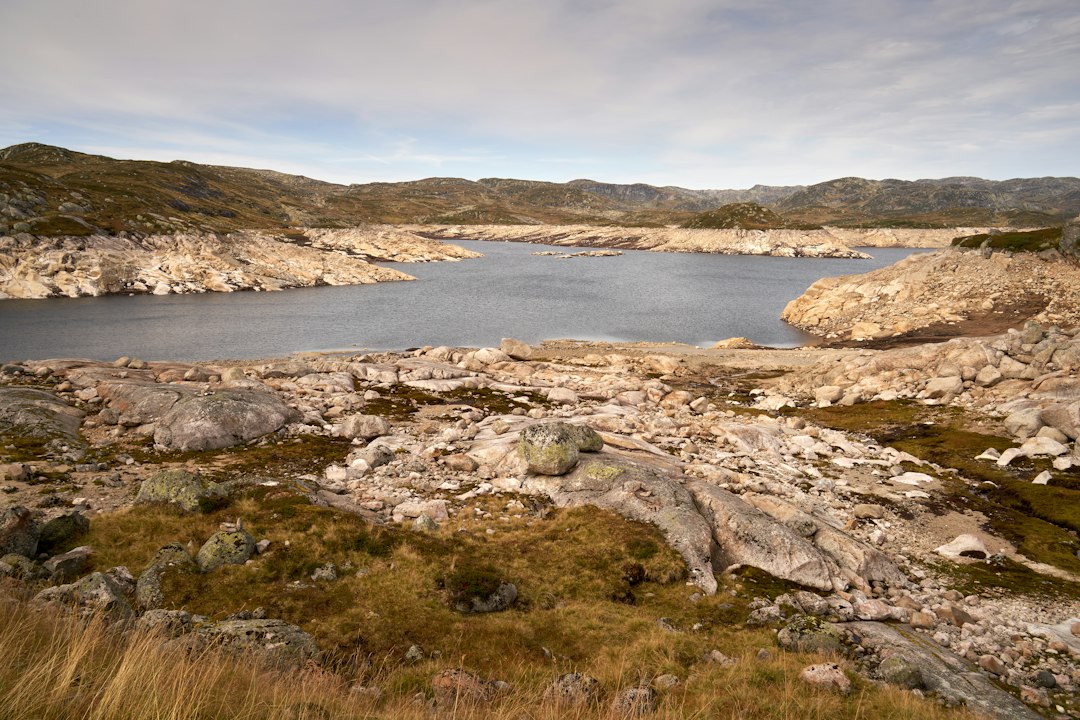
The placid surface of Lake Tesse, nestled within the picturesque landscape of Innlandet County, Norway, has long held secrets whispered by the winds and carried by the melting snows. For centuries, it was a tranquil body of water, a vital artery for local communities, and a source of sustenance. Yet, beneath its shimmering facade lay a submerged testament to human ingenuity and adaptation, a forgotten chapter of Norway’s past waiting to be rediscovered. Recent archaeological endeavors, utilizing cutting-edge sonar technology and meticulous underwater excavation, have begun to peel back the layers of time, revealing an astonishing array of artifacts and structures that are rewriting our understanding of prehistoric life in this region. The archaeological discoveries at Lake Tesse are not merely isolated finds; they represent a complex and dynamic settlement, offering unprecedented insights into the daily lives, technological capabilities, and social structures of ancient peoples who thrived in this seemingly harsh environment. The project, a collaborative effort between Norwegian archaeological institutions and international researchers, has been a painstaking process, but the rewards are proving to be immense, promising to illuminate a previously dimly lit corner of Scandinavian prehistory.
Unveiling the Submerged Landscape
The initial impetus for the comprehensive archaeological survey of Lake Tesse stemmed from anecdotal evidence and scattered historical records suggesting the presence of submerged structures. Local folklore often spoke of “old villages” beneath the water, tales that were largely dismissed as myth until technological advancements provided the means to investigate them seriously. The integration of advanced geophysical survey methods, including high-resolution side-scan sonar and multibeam echo sounder technology, proved to be the crucial turning point. These non-intrusive techniques allowed archaeologists to map the lakebed with remarkable detail, identifying anomalies that were not natural geological formations but rather patterns indicative of human activity. The sonar data painted a compelling picture: distinct linear features, rectilinear shapes, and concentrated clusters of objects that strongly suggested the presence of ancient settlements. This initial mapping phase was akin to discovering an underwater city, albeit one buried under centuries of silt and sediment. The sheer scale of the identified features pointed towards a significant human presence, far beyond what had been previously hypothesized for the region during the periods indicated by preliminary assessments. The meticulous analysis of these sonar images required a specialized skillset, combining geological interpretation with archaeological pattern recognition. Every anomaly was cross-referenced and scrutinized, differentiating between natural rock formations, submerged trees, and the undeniable hallmarks of human construction and habitation.
The Technological Arsenal for Subaquatic Exploration
The success of the Lake Tesse project owes a significant debt to the sophisticated array of technologies employed. Beyond the initial sonar mapping, the team utilized remotely operated vehicles (ROVs) equipped with high-definition cameras and manipulator arms. These ROVs provided a real-time visual inspection of the identified features, allowing archaeologists to confirm their suspicions and make informed decisions about where to focus their physical excavation efforts. The ROVs were also instrumental in collecting preliminary sediment samples, providing crucial environmental data and hints about the preservation conditions of the submerged artifacts. For the more delicate and significant discoveries, divers, equipped with specialized underwater breathing apparatus and cutting-edge survey equipment, conducted direct archaeological investigations. They meticulously documented the context of each find, using photogrammetry to create detailed 3D models of the underwater sites. This level of precision is paramount in underwater archaeology, where disturbance of the fragile environment can lead to the loss of invaluable contextual information. The integration of Geographic Information Systems (GIS) played a crucial role in organizing and visualizing the vast amounts of data collected, creating a comprehensive digital model of the submerged landscape and its archaeological contents. This digital framework allows for ongoing analysis and interpretation, ensuring that the full potential of the discoveries is realized.
Identifying Patterns of Human Habitation
The sonar data revealed a complex network of features across the lakebed. Most striking were the outlines of what appear to be clusters of dwellings, some exhibiting regular, almost geometric shapes. These are not isolated structures but suggest organized communities. The distribution of these features indicates a deliberate choice of settlement locations, likely chosen for access to resources, defensibility, or specific environmental advantages. The presence of what are interpreted as causeways or pathways connecting different areas further supports the notion of integrated settlements rather than scattered hamlets. The identification of these patterns has been a gradual process, requiring constant refinement of interpretation as more data becomes available. Archaeologists are now moving beyond simply identifying objects to understanding the spatial relationships between them, seeking to reconstruct the layout and functioning of these ancient communities. The density and extent of these features suggest that Lake Tesse was a focal point for human activity for a considerable period, supporting a population that was likely more substantial than previously believed for this area. The careful mapping and analysis of these habitation patterns are providing the foundational understanding for interpreting the individual artifacts that are subsequently recovered.
Recent archaeological discoveries at Lake Tesse in Norway have shed light on ancient human activities in the region, revealing artifacts that suggest a rich cultural history. For those interested in exploring the intersection of history and contemporary issues, a related article titled “Guardians of the Moon: A Documentary on Lunar Military Strategy” provides an intriguing perspective on how past strategies influence current geopolitical dynamics. You can read more about it here: Guardians of the Moon.
Treasures from the Depths: Artifact Assemblages
The physical excavation phase has been a treasure trove of discovery, yielding a diverse and remarkably well-preserved collection of artifacts. The cold, oxygen-poor environment of Lake Tesse has acted as an exceptional natural preservative, offering a glimpse into the material culture of its ancient inhabitants with astonishing clarity. These finds are not just objects of curiosity; they are tangible links to the past, providing insights into the daily lives, technological capabilities, and cultural practices of the people who once called this lakeside their home. The ongoing analysis of these artifacts is expected to shed light on trade networks, subsistence strategies, and belief systems. The sheer volume and variety of items recovered underscore the significance of the Lake Tesse sites as major centers of human activity.
Tools of the Trade: Implements of Daily Life
Among the most common, yet profoundly informative, discoveries are the tools used by the ancient inhabitants. Stone tools, including intricately flaked projectile points, scrapers, and awls, have been found in significant numbers. Their craftsmanship and material indicate a skilled population with a deep understanding of their environment and the resources available to them. The presence of polished stone axes, some remarkably intact, suggests sophisticated woodworking capabilities, essential for constructing dwellings, tools, and potentially even watercraft. Beyond stone, early metalworking is also hinted at by the recovery of a limited number of bronze artifacts, including small tools and decorative elements. The presence of bronze, a relatively advanced material for its time, suggests that these communities were not isolated but were likely engaged in trade and cultural exchange with other regions. The meticulous study of wear patterns on these tools is also providing invaluable information about their specific uses and the activities they facilitated, from hunting and food preparation to crafting and building. The consistent presence of certain tool types across different excavated areas also helps to delineate distinct activity zones within the settlements.
Vessels of Sustenance: Pottery and Containers
The recovery of pottery fragments has been a cornerstone of the Lake Tesse discoveries. Numerous sherds, some exhibiting intricate decorative patterns, have been meticulously collected and are undergoing analysis. The styles and techniques of pottery production can provide crucial dating information and reveal regional stylistic variations. The presence of complete or near-complete vessels, though rarer, offers an even more intimate glimpse into how these ancient people stored and prepared their food. Residue analysis of these containers is a key area of ongoing research, aiming to identify the types of food and beverages they once held, thus directly informing our understanding of their diet and culinary practices. The sheer quantity of pottery suggests a settled agricultural or semi-agricultural lifestyle, where food storage and preparation were integral to daily life. The quality of the pottery, ranging from simple utilitarian wares to more elaborately decorated pieces, also speaks to the aesthetic sensibilities and social stratification within these communities. The fragmentation of many vessels also hints at the possibility of deliberate breakage or ritualistic deposition.
Personal Adornments and Ritual Objects
Beyond the strictly utilitarian, the Lake Tesse excavations have yielded a fascinating array of objects that speak to the personal lives and spiritual beliefs of its ancient inhabitants. Small, finely crafted bone and antler ornaments, including beads, pendants, and carved figurines, suggest a desire for personal adornment and perhaps a symbolic understanding of the natural world. The discovery of what are interpreted as ritualistic objects, such as small carved effigies and polished stones with unusual markings, hints at complex spiritual practices and belief systems. These objects, often found in specific contexts, provide a window into their worldview and their attempts to understand and influence the forces of nature. The presence of such items challenges any simplistic notion of these ancient peoples as solely focused on survival, revealing a capacity for artistry, symbolism, and perhaps even abstract thought. The careful analysis of the materials used in these adornments and ritual objects, such as the origin of specific types of stone or shell, can also provide further clues about their trade networks.
Environmental Context and Subsistence Strategies
The archaeological discoveries at Lake Tesse are inextricably linked to the natural environment in which these ancient communities thrived. Understanding the ecological conditions of the time, including the flora, fauna, and climate, is crucial for interpreting human adaptation and subsistence strategies. The lake itself would have been a vital resource, providing water, fish, and access to surrounding ecosystems. The exceptional preservation at the site has also allowed for the recovery of organic remains, offering direct evidence of their diet and the landscape they inhabited. The ongoing paleoenvironmental research is painting a vivid picture of a dynamic landscape that supported human life for millennia.
Reconstructing the Ancient Ecosystem
Paleobotanical and zooarchaeological analyses are providing crucial insights into the ancient environment. Pollen analysis from sediment cores extracted from the lakebed and surrounding areas reveals shifts in vegetation over time, indicating changes in climate and human impact. The identification of ancient plant remains, such as seeds and wood fragments, tells us about the types of crops they cultivated and the wild plants they gathered. Similarly, the analysis of animal bones recovered from the sites provides direct evidence of the animals they hunted, herded, or fished. This data allows archaeologists to reconstruct the types of forests, wetlands, and open landscapes that existed around Lake Tesse during the periods of occupation. Understanding these ecological conditions is fundamental to understanding why people settled in this particular location and how they utilized its resources for survival. The recovery of preserved wooden structures, such as the remains of boats or palisades, offers direct evidence of their interaction with the forest resources.
Diet and Resource Management
The insights gained from residue analysis of pottery, the identification of animal bones, and the study of botanical remains paint a detailed picture of the diet of the ancient Lake Tesse inhabitants. Evidence suggests a mixed economy, relying on a combination of hunting, fishing, gathering, and likely some form of agriculture or animal husbandry. The abundance of fish remains indicates that the lake was a significant source of protein. The presence of wild animal bones suggests successful hunting practices. The identification of cultivated plant species and domesticated animal remains, if found, would further refine our understanding of their subsistence strategies and the level of their technological development in food production. The careful management of these resources would have been essential for the long-term sustainability of these communities, requiring knowledge of seasonal cycles and resource availability. The distribution of animal bones across different excavated areas may also indicate specialized butchery or processing sites.
Human Impact on the Landscape
The paleoenvironmental data also sheds light on the extent to which these ancient communities modified their environment. Evidence of land clearance for agriculture or settlement expansion, changes in vegetation patterns, and the introduction of non-native species can all be detected through careful analysis of sediment cores and artifact distribution. Understanding the scale and nature of human impact is crucial for assessing the sustainability of their societies and their relationship with the natural world. The long-term occupation of the Lake Tesse sites suggests a degree of environmental stewardship or at least an ability to adapt to the consequences of their activities. Comparative analysis with other prehistoric sites in Norway can help determine whether the human impact at Lake Tesse was typical or exceptional for its time.
Dating the Past: Chronological Frameworks
Establishing a precise chronological framework for the Lake Tesse discoveries is paramount to understanding the evolution of human activity in the region and placing these findings within the broader context of Scandinavian prehistory. The application of various scientific dating techniques, combined with the stratigraphic analysis of excavated layers, is providing a robust timeline for the site’s occupation. This dating process is not a single event but an ongoing refinement as more data is collected and analyzed, allowing for a more nuanced understanding of the different phases of settlement and activity.
Radiocarbon Dating: Anchoring the Timeline
Radiocarbon dating, applied to organic materials such as wood, charcoal, bone, and seeds recovered from the sites, has been a primary tool for establishing the absolute chronology of the Lake Tesse settlements. This technique measures the decay of the radioactive isotope carbon-14, allowing for the estimation of the time elapsed since an organism’s death. Multiple samples from different contexts and depths have been subjected to radiocarbon dating, providing a series of age estimates for various archaeological layers and features. The clustering of these dates helps to define the periods of significant human occupation and abandonment. The careful selection of materials for radiocarbon dating, ensuring they are in primary context and not contaminated, is critical for obtaining reliable results. The interpretation of radiocarbon dates also requires consideration of potential reservoir effects or other factors that might influence the apparent age of the sample.
Stratigraphic Analysis: Layers of History
The meticulous excavation of the underwater sites involves careful recording of stratigraphy – the layering of deposits. Each layer represents a period of deposition, and understanding their sequence is crucial for determining the relative chronology of artifacts and features. Artifacts found in lower layers are generally older than those found in upper layers, assuming no significant disturbance has occurred. The correlation of stratigraphic sequences across different excavated areas, combined with the absolute dates obtained from radiocarbon dating, allows for the construction of a detailed chronological model for the entire site. This layered approach to understanding history is fundamental to all archaeological practice, but it takes on a unique complexity in the submerged environment. The identification of distinct occupational horizons within the stratigraphic record is key to distinguishing between different phases of settlement and activity.
Typological Seriation: Relative Dating Through Artifact Styles
In addition to absolute dating methods, typological seriation plays a vital role in refining the chronological understanding of the Lake Tesse sites. This method involves arranging artifacts, particularly pottery and stone tools, based on perceived changes in their styles and forms over time. By identifying distinct stylistic trends and their progression, archaeologists can establish a relative chronology, even for contexts where radiocarbon dating is not feasible or available. Comparing the typologies of artifacts from Lake Tesse with those from other dated sites in Norway and Scandinavia can help to cross-reference and strengthen the chronological interpretations. This comparative approach allows for the integration of a wider range of archaeological evidence into the dating framework. The consistent evolution of certain artifact types over time provides a valuable relative dating tool, especially when combined with absolute dating methods.
Recent archaeological discoveries at Lake Tesse in Norway have shed light on the ancient practices of the region’s inhabitants. These findings not only reveal insights into the daily lives of the people but also connect to broader historical narratives found in various cultures. For those interested in exploring similar themes of history and mythology, a fascinating article can be found at the lore of the Elder Scrolls, which delves into the rich tapestry of stories that shape our understanding of ancient civilizations.
Implications for Norwegian Prehistory and Future Research
| Metric | Data | Details |
|---|---|---|
| Location | Lake Tesse, Norway | Situated in Innlandet County, Norway |
| Archaeological Period | Neolithic to Iron Age | Artifacts date from approximately 4000 BCE to 500 CE |
| Types of Finds | Stone tools, pottery shards, burial mounds | Indicates settlement and ritual activity |
| Number of Sites | 5 major sites | Includes habitation areas and burial grounds |
| Excavation Period | 1990 – 2005 | Multiple excavation campaigns conducted |
| Significant Discoveries | Well-preserved burial mounds and tools | Provides insight into prehistoric life in the region |
| Current Status | Protected archaeological site | Managed by Norwegian cultural heritage authorities |
The archaeological discoveries at Lake Tesse are far more than just an intriguing collection of ancient objects; they represent a paradigm shift in our understanding of prehistoric settlement patterns and societal complexity in Norway. The sheer scale and sophistication of the submerged settlements challenge previous assumptions about the population density and the level of organization present in these regions during prehistoric times. The ongoing research at Lake Tesse promises to continue unraveling the mysteries of this remarkable site, with vast potential for future investigations and discoveries that will further illuminate Norway’s deep past.
Rethinking Settlement Dynamics
The presence of extensive, organized settlements at Lake Tesse suggests that this area was a significant hub of human activity for extended periods. This challenges the prevailing view of much of inland Norway as being sparsely populated with small, transient groups. The evidence points towards more permanent and substantial communities, with a greater capacity for resource management, social organization, and technological innovation than previously assumed. The careful selection of settlement locations, likely driven by access to resources such as water, fish, and fertile land, highlights a sophisticated understanding of the local environment. The discovery of potential defensive structures or strategically placed settlements might also indicate periods of social complexity or inter-group relations that were more dynamic than initially thought. The findings at Lake Tesse necessitate a re-evaluation of settlement models for prehistoric Norway.
Unlocking Trade Networks and Cultural Exchange
The presence of materials such as bronze, and potentially exotic stone or shell for ornaments, hints at the existence of established trade networks and cultural exchange with other regions. The extent and direction of these networks are areas of active investigation. By analyzing the provenance of raw materials used in artifact production, archaeologists can begin to map the connections between the Lake Tesse communities and their wider world. This understanding of interaction is crucial for comprehending the spread of ideas, technologies, and cultural practices across prehistoric Scandinavia. The discoveries at Lake Tesse are likely to provide key pieces of evidence for reconstructing these ancient trade routes and understanding the flow of goods and influence.
A Living Laboratory for Underwater Archaeology
Lake Tesse has become a vital “living laboratory” for the advancement of underwater archaeological techniques. The challenges of excavating and preserving artifacts in a submerged environment have driven innovation in survey technology, ROV deployment, diving protocols, and artifact conservation. The lessons learned at Lake Tesse are not only applicable to future Norwegian underwater sites but also to archaeological endeavors worldwide. The meticulous documentation and detailed mapping of the site are creating a comprehensive digital archive that will serve as a valuable resource for future generations of archaeologists and researchers. The ongoing preservation efforts, developed in collaboration with conservation specialists, are also crucial for safeguarding these fragile discoveries for the long term.
Future Avenues of Exploration
The discoveries at Lake Tesse are far from complete. The sheer extent of the identified features suggests that many more secrets lie buried beneath the lakebed. Future research will likely focus on expanding the survey area, conducting more targeted excavations in promising locations, and applying advanced analytical techniques to further scrutinize the recovered artifacts and environmental data. The potential for discovering even older or different types of settlements, or uncovering evidence of more recent, less-studied periods of human activity, remains significant. The integration of interdisciplinary research, involving geologists, biologists, anthropologists, and conservation scientists, will be crucial for fully understanding the complex story that Lake Tesse has to tell. The ongoing quest to unveil these ancient insights promises to continue enriching our knowledge of Norway’s rich and layered history.

The 7,000-Year-Old Secret Hidden Under a Lake
FAQs
What is Lake Tesse in Norway?
Lake Tesse is a small lake located in Norway, known for its archaeological significance.
What archaeological discoveries have been made at Lake Tesse?
Archaeologists have found well-preserved artifacts such as tools, pottery, and even human remains dating back to ancient times at Lake Tesse.
Why is Lake Tesse important for archaeology?
Lake Tesse provides a unique environment that has helped preserve ancient artifacts and remains, offering valuable insights into the history and culture of the region.
Who conducts archaeological research at Lake Tesse?
Archaeological research at Lake Tesse is typically carried out by experts from universities, research institutions, and archaeological organizations in Norway.
What can visitors learn from the archaeological findings at Lake Tesse?
Visitors can learn about the daily lives, customs, and technologies of ancient civilizations that once inhabited the area surrounding Lake Tesse through the archaeological findings discovered there.