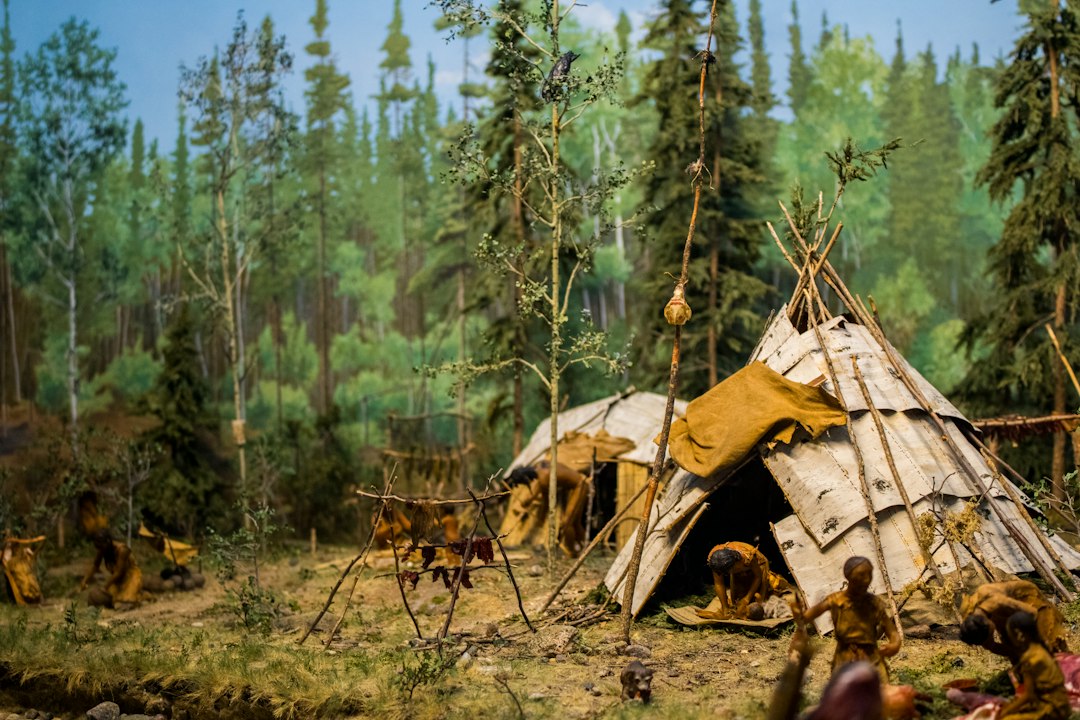
The Dawn of Human Impact: An Ecological Revolution
The story of life on Earth is a tapestry woven with countless threads of adaptation and evolution. For millennia, ecosystems have waxed and waned, shaped by geological forces, climatic shifts, and the relentless march of biological processes. Yet, a relatively recent addition to this grand narrative, Homo sapiens and their prehistoric ancestors, have left an indelible mark, a transformative power that reshaped the planet’s landscapes and biodiversity in ways that continue to resonate today. Before the advent of agriculture, before the rise of cities and industrialization, early humans were not merely passive observers of their environments; they were active agents of change, their presence initiating an ecological revolution whose consequences were profound and, in many cases, irreversible. This article delves into the multifaceted ways in which prehistoric peoples subtly, and sometimes dramatically, altered ancient ecosystems, setting the stage for the ecological realities of the modern world.
Prehistoric people had a profound impact on their ecosystems, often altering landscapes through their hunting practices, agricultural development, and the domestication of animals. This transformation is a fascinating topic that highlights the intricate relationship between early humans and their environment. For a deeper understanding of how ancient civilizations interacted with their surroundings and shaped the world, you can explore the article on the Seven Wonders of the Ancient World, which discusses the achievements of early societies and their lasting influence on ecosystems. You can read more about it here: Discovering the Seven Wonders of the Ancient World.
## Ignition and the Altered Landscape: The Power of Fire
One of the most significant tools wielded by early humans, and arguably one of the earliest and most potent agents of ecological transformation, was fire. While natural wildfires, sparked by lightning, have always been a part of terrestrial ecosystems, humans introduced a new dimension to fire’s role: intentional use. The ability to control and utilize fire, a skill that likely emerged during the Lower Paleolithic, offered a suite of advantages, from cooking food and providing warmth to deterring predators and clearing land. However, these benefits came with a profound ecological cost, fundamentally altering vegetation patterns and influencing the distribution and behavior of fauna.
### The Genesis of Anthropogenic Fire Regimes
The precise timing and geographical spread of human-controlled fire remain subjects of ongoing research, but evidence suggests its widespread adoption by at least the Middle Paleolithic. This adoption was not a singular event but a gradual process, likely occurring independently in different regions as hominin populations expanded their range. The initial uses of fire may have been opportunistic, capitalizing on natural burns. However, the development of techniques for striking sparks or friction-based ignition allowed for more deliberate and widespread application. This meant that fire was no longer solely a product of chance but a tool actively deployed by humans to shape their surroundings.
The impact of this controlled burning was multifaceted. In some environments, it served to clear undergrowth, making it easier to travel and hunt. In others, it was used to stimulate the growth of specific edible plants, essentially creating and maintaining desirable foraging grounds. This selective burning favored certain plant species and inhibited others, leading to a homogenization of vegetation in frequently burned areas. Grasslands, for instance, might have been expanded at the expense of forests, as fire is more effective at clearing woody vegetation than grasses. This change in vegetation structure would have directly impacted herbivore populations, altering their food sources and habitats.
### Fire as a Tool for Hunting and Landscape Management
Beyond simple land clearing, fire was strategically employed in hunting. Drives involving fire could be used to funnel game towards waiting hunters or to corner them in impassable terrain. The smoke and noise of a fire could also disorient prey, making them easier to catch. While the scale of these fire-driven hunts might have varied, their cumulative effect over vast areas and long periods could have significantly impacted prey populations, potentially leading to localized extinctions or shifts in species distribution.
Furthermore, the concept of fire as a landscape management tool is crucial. Prehistoric peoples, much like indigenous populations in more recent times, often used fire to maintain habitats conducive to their preferred resources. This could include promoting the growth of berries, nuts, or specific game animals. This active manipulation of ecosystems through fire created anthropogenic landscapes, landscapes that were maintained by human intervention and would have differed significantly from unburnt, naturally evolving ecosystems. The long-term consequences of these persistent fire regimes included altered soil composition, changes in nutrient cycling, and the perpetuation of plant communities that might not have been able to sustain themselves without human-induced burning. The fires set by early humans, therefore, were not mere isolated events but the ignition of enduring ecological transformations.
## Megafaunal Extinctions: The Shadow of the Hunter
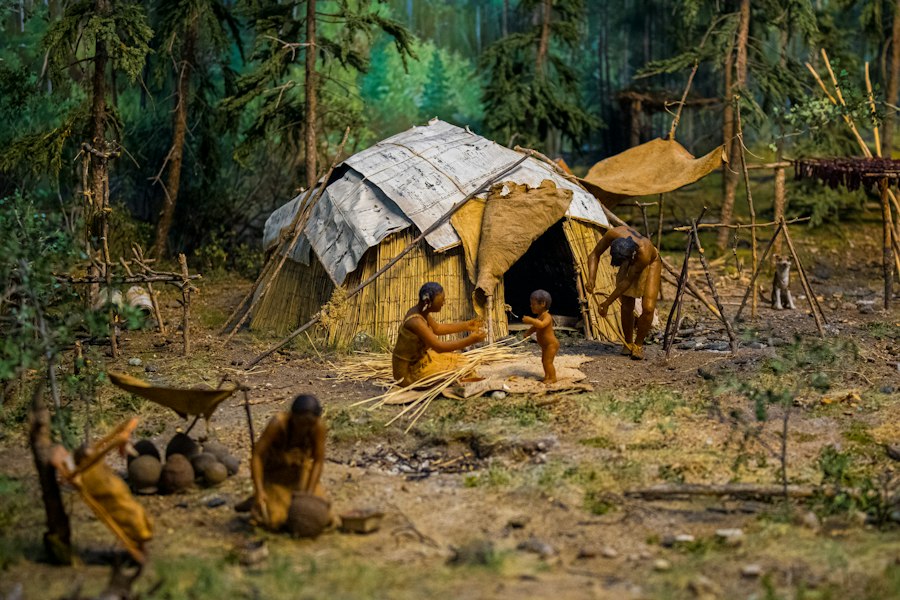
Perhaps the most dramatic and widely debated ecological transformation attributed to prehistoric humans is the widespread extinction of megafauna. The Pleistocene epoch, often referred to as the “Ice Age,” was characterized by the presence of enormous mammals – mammoths, mastodons, giant ground sloths, saber-toothed cats, and numerous other species – that roamed continents across the globe. The late Pleistocene and early Holocene witnessed a staggering decline in these giants, with many species disappearing entirely. While climate change undoubtedly played a role, a growing body of scientific evidence points to the crucial, and often devastating, impact of human hunting as a primary driver of these extinctions.
### The Arrival of the Apex Predator
The expansion of Homo sapiens out of Africa into previously sparsely populated continents like the Americas and Australia coincided with the disappearance of many of their largest native mammals. This temporal correlation is striking. In regions where humans arrived relatively late, such as the Americas around 15,000 years ago, the extinction pulse of megafauna was particularly intense and rapid. This has led to the “overkill hypothesis,” which posits that these large, often slow-reproducing animals, having evolved without significant predation pressure from large carnivores or intelligent hominins, were particularly vulnerable to the novel hunting strategies of early humans.
Early humans, equipped with projectile weapons like spears and atlatls, and likely coordinated hunting strategies, possessed the capacity to hunt large prey effectively. The sheer size and nutritional yield of these animals would have made them an attractive food source, driving intensified hunting pressure. It is important to distinguish this from simple subsistence hunting. While prehistoric peoples relied on hunting for survival, the ecological impact arises from the scale and sustainability of the hunting effort relative to the reproductive capacity of the prey species. In many cases, the human predator was a new apex predator introduced into an ecosystem where prey had no evolved defenses against such efficient and persistent hunting.
### Indirect Impacts and Ecosystem Collapse
The impact of human hunting extended beyond the direct reduction of megafaunal populations. The extinction of these large herbivores had cascading effects throughout ecosystems. For instance, mammoths played a crucial role in shaping the open, grassy landscapes of the Pleistocene steppes. Their grazing habits prevented the encroachment of forests, maintaining biodiverse grasslands. With their demise, these landscapes likely transitioned to more wooded environments, altering habitats for numerous other species.
Similarly, the disappearance of large predators, who preyed on other carnivores and herbivores, could have led to trophic cascades. This might have resulted in unchecked population growth of smaller herbivores or shifts in the competitive dynamics among predator species. The loss of such keystone species, animals that have a disproportionately large effect on their environment relative to their abundance, could have triggered a collapse of entire ecological webs, leading to further extinctions and a simplification of biodiversity. The legacy of these prehistoric extinctions is the diminished richness of large fauna that characterizes many modern ecosystems, a stark reminder of the power of human presence to reshape the very fabric of life on Earth.
## Land Transformation Through Vegetation Manipulation
Beyond the dramatic impact of fire and hunting, prehistoric humans also engaged in more subtle, yet equally transformative, manipulations of vegetation. These practices, often driven by the need for reliable food sources, the management of habitats for game, or the creation of desirable living spaces, gradually altered the composition, structure, and distribution of plant communities across vast regions. These were not simply passive adaptations to the environment but active interventions that reshaped the natural world.
### The Art of Plant Husbandry and Seed Dispersal
While the development of full-scale agriculture is a much later phenomenon, evidence suggests that prehistoric peoples practiced forms of plant husbandry and intentional seed dispersal long before the Neolithic Revolution. This could have involved favoring certain edible plants by clearing competing vegetation around them, or by collecting and spreading their seeds in new areas. This form of proto-agriculture, often termed “incipient agriculture” or “managed landscapes,” would have gradually increased the abundance of preferred species and influenced their geographical distribution.
This manipulation could have led to the creation of semi-natural landscapes, where plant communities were maintained through human activity, resembling natural ecosystems but with a distinct anthropogenic signature. For example, certain fruit-bearing trees or root crops might have been actively cultivated in cleared areas, creating localized patches of enhanced food availability. This would have not only altered the plant community itself but also influenced the animal populations that depended on these resources, attracting herbivores and carnivores to these human-managed zones.
### Clearing and the Expansion of Grasslands
The clearing of forests for various purposes, including campsite establishment, fuel gathering, and potentially early forms of cultivation, also played a significant role in transforming vegetation. The removal of trees, especially in conjunction with the use of fire, could have favored the expansion of grasslands. Grasslands are generally less biodiverse than forests but can support large populations of grazing animals. Therefore, the deliberate or incidental clearing by early humans could have inadvertently created more favorable conditions for certain herbivore species, further influencing the ecological dynamics of the landscape.
The extent of this clearing likely varied greatly depending on the region and the available technology. However, over long periods, even small-scale, repeated clearing events could have had a cumulative impact, leading to significant shifts in vegetation structure. The long-term consequences of these changes included altered soil erosion patterns, changes in water runoff, and the creation of novel ecological niches that could support different sets of plant and animal species. The world that early humans inhabited was thus not a pristine wilderness but a landscape in continuous flux, shaped by their ongoing interaction with the plant kingdom.
Prehistoric people played a significant role in altering their ecosystems, as evidenced by various archaeological studies. These early humans engaged in activities such as hunting, gathering, and the use of fire, which led to changes in vegetation and animal populations. For a deeper understanding of how human activities have historically impacted the environment, you can explore this insightful article that discusses the broader implications of human influence on ecosystems. To read more about it, check out this article.
## Altering Hydrology and Soil Dynamics
| Metric | Description | Estimated Impact | Time Period |
|---|---|---|---|
| Deforestation | Clearing of forests for settlement and hunting | Reduction of forest cover by up to 20% in some regions | 10,000 – 5,000 BCE |
| Megafauna Extinction | Hunting and habitat changes leading to extinction of large animals | Loss of species such as mammoths, giant sloths | 15,000 – 8,000 BCE |
| Fire Use | Controlled use of fire to manage landscapes and promote certain plants | Altered vegetation patterns, increased grasslands | 100,000 BCE onwards |
| Soil Erosion | Increased erosion due to agriculture and land clearing | Degradation of soil quality in early farming areas | 8,000 – 3,000 BCE |
| Introduction of Agriculture | Transition from foraging to farming, changing land use | Expansion of cultivated land, altered ecosystems | 9,000 – 4,000 BCE |
The influence of prehistoric human activities extended beyond the visible realm of plants and animals, reaching into the fundamental processes that govern water cycles and soil health. While their technologies were rudimentary compared to modern standards, the cumulative impact of their presence, particularly in relation to land modification and resource extraction, led to subtle but significant alterations in hydrological regimes and soil dynamics.
### Campsite Impact and Localized Erosion
The establishment of permanent or semi-permanent campsites, particularly in areas with dense vegetation, could have had localized impacts on soil and hydrology. The clearing of vegetation for shelter and fuel, combined with the trampling of ground by human and animal inhabitants, would have reduced soil cover and increased its susceptibility to erosion. This erosion could have led to the sedimentation of nearby water bodies, altering water quality and affecting aquatic ecosystems.
Furthermore, the concentration of human waste and activities around campsites could have altered local nutrient cycles. While likely on a smaller scale than modern agricultural runoff, these localized inputs could have influenced plant growth and the composition of microbial communities in the soil. The long-term occupation of certain areas might have led to the development of unique soil profiles, enriched or depleted in certain nutrients, depending on the specific activities undertaken.
### River Course Modification and Wetland Drainage
In some regions, early humans may have engaged in more direct interventions with water systems. While large-scale dam construction was beyond their capabilities, there is evidence of prehistoric peoples altering river courses or draining wetlands for settlement, agriculture, or to access resources. The construction of rudimentary channels or the diversion of small streams could have influenced local water availability and altered the characteristics of wetland habitats.
The drainage of wetlands, even on a small scale, can have significant ecological consequences. Wetlands are vital ecosystems that support immense biodiversity, filter water, and play a crucial role in regulating water cycles. Their alteration or removal can lead to the loss of unique flora and fauna, changes in downstream water flow, and an increased risk of flooding or drought. While these interventions were likely not as widespread or impactful as modern land reclamation projects, they represent an early form of human control over hydrological systems, demonstrating an awareness of and an ability to manipulate these fundamental environmental processes.
## The Unforeseen Legacy: Prehistoric Human Impact on Modern Ecosystems
The ecological transformations wrought by prehistoric peoples were not confined to the distant past. Their actions set in motion processes that continue to shape the biodiversity and ecological functioning of our planet today. The patterns of extinction, the altered distribution of species, the modified landscapes, and the subtle shifts in biogeochemical cycles all represent a profound and enduring legacy of our ancient ancestors.
### Biodiversity Patterns and Species Distribution
The megafaunal extinctions of the Pleistocene, driven in part by prehistoric hunting, fundamentally altered the evolutionary trajectory of many ecosystems. The absence of these large herbivores and their predators created ecological vacuums that were filled by other species, or simply left unfilled, leading to a less diverse large-animal fauna. The deliberate or incidental dispersal of plant species by humans also contributed to altered species distributions, introducing plants to new regions where they could become established, sometimes outcompeting native species.
The long-term effects of these prehistoric introductions and extinctions are still observable. For instance, the distribution of certain plant species across continents may reflect ancient human migration routes, where seeds were carried along. Similarly, the lack of certain large mammals in specific regions can be directly traced back to the period of human colonization and the subsequent extinction events. Understanding these prehistoric influences is crucial for comprehending present-day biodiversity patterns and for informing conservation efforts.
### The Foundation for Future Transformations
The early interventions of prehistoric peoples laid the groundwork for more significant ecological transformations to come. Their mastery of fire, their hunting strategies, and their initial manipulations of vegetation demonstrated the power of human agency to alter natural systems. These early successes, however small in scale initially, provided the behavioral and technological foundations for the development of more intensive practices like agriculture and animal domestication in later periods.
The cumulative impact of these early transformations created novel environments and set in motion ecological trajectories that were distinct from those that would have occurred in the absence of humans. The concept of “anthropocene” or “human-dominated landscapes” is not a recent phenomenon but has roots stretching back tens of thousands of years. Prehistoric peoples, through their innovative use of tools and their deep engagement with their environments, were the first architects of human-modified ecosystems, their subtle and sometimes dramatic actions forever altering the delicate balance of life on Earth. Their legacy is not just in the archaeological record but etched into the very fabric of the natural world we inhabit today.

The 7,000-Year-Old Secret Hidden Under a Lake
FAQs
What is the significance of prehistoric people changing ecosystems?
Prehistoric people changing ecosystems had a significant impact on the environment, influencing plant and animal populations, altering landscapes, and shaping the biodiversity of the regions they inhabited.
How did prehistoric people modify their environments?
Prehistoric people modified their environments through activities such as hunting, gathering, agriculture, deforestation, and the introduction of new species, which led to changes in ecosystems over time.
What evidence supports the idea of prehistoric people changing ecosystems?
Evidence such as archaeological findings, fossil records, pollen analysis, and studies of ancient landscapes provide insights into how prehistoric people interacted with and transformed their environments, contributing to changes in ecosystems.
What are some examples of prehistoric people altering ecosystems?
Examples of prehistoric people altering ecosystems include the domestication of plants and animals, the creation of agricultural systems, the construction of irrigation networks, and the intentional or unintentional introduction of invasive species.
How did prehistoric people’s impact on ecosystems influence future environmental changes?
Prehistoric people’s impact on ecosystems influenced future environmental changes by shaping the landscapes, biodiversity, and ecological processes that continue to affect ecosystems today, highlighting the long-lasting effects of human activities on the environment.