The successful survival and growth of early civilizations hinged on a multitude of factors, and among the most critical was the ability to secure and distribute essential resources. Food, in particular, was paramount, and fish, readily available in many coastal, riverine, and lacustrine environments, represented a vital source of protein and sustenance. However, transporting this perishable commodity from its source to inland settlements or distant markets presented a significant logistical challenge. Early peoples, lacking modern refrigeration or rapid transit, developed ingenious methods to overcome these obstacles, demonstrating a remarkable understanding of natural principles and resourcefulness. These ancient fish transport techniques, though often rudimentary by today’s standards, were crucial for trade, diet diversification, and the very expansion of human populations.
The Aquatic Highways: Rivers, Lakes, and Coastal Routes
The natural waterways that crisscrossed the landscapes inhabited by early civilizations served as their primary arteries of transportation. Rivers, in particular, were not merely sources of water but also pathways that connected communities and facilitated the movement of goods. For fish, these aquatic highways offered a direct and often efficient means of transport, allowing for the movement of relatively fresh catches over considerable distances. The effectiveness of these routes was directly influenced by the navigability of the waterways, the presence of natural barriers such as waterfalls or rapids, and the availability of suitable watercraft.
Navigating the Currents: Boats and Barges of Antiquity
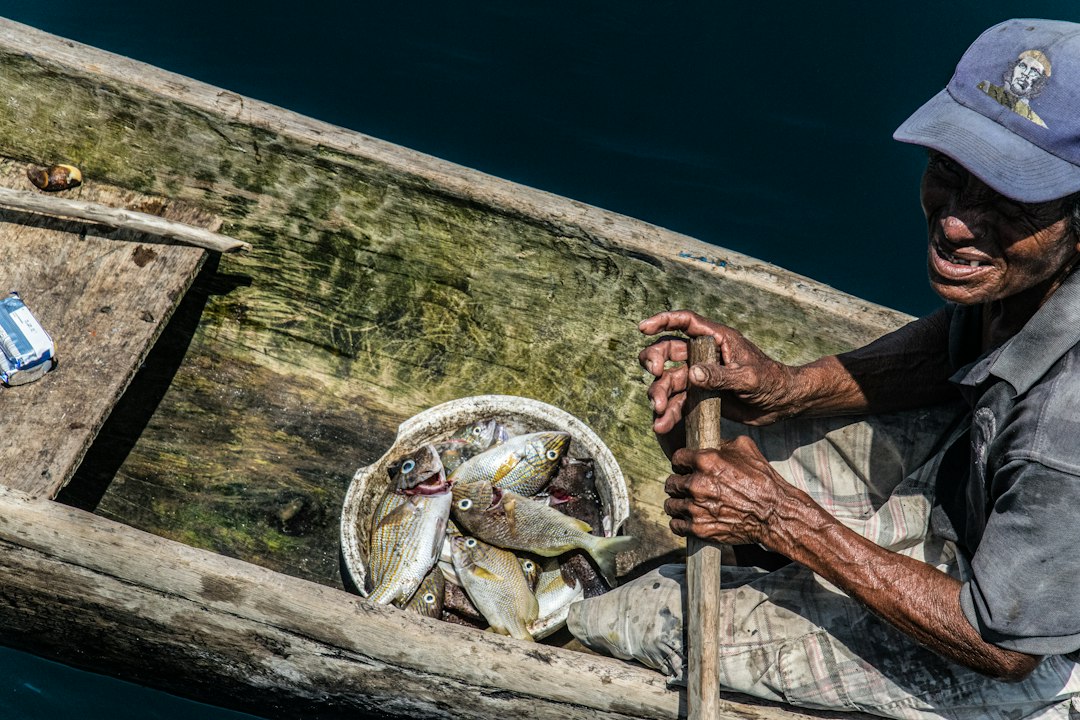
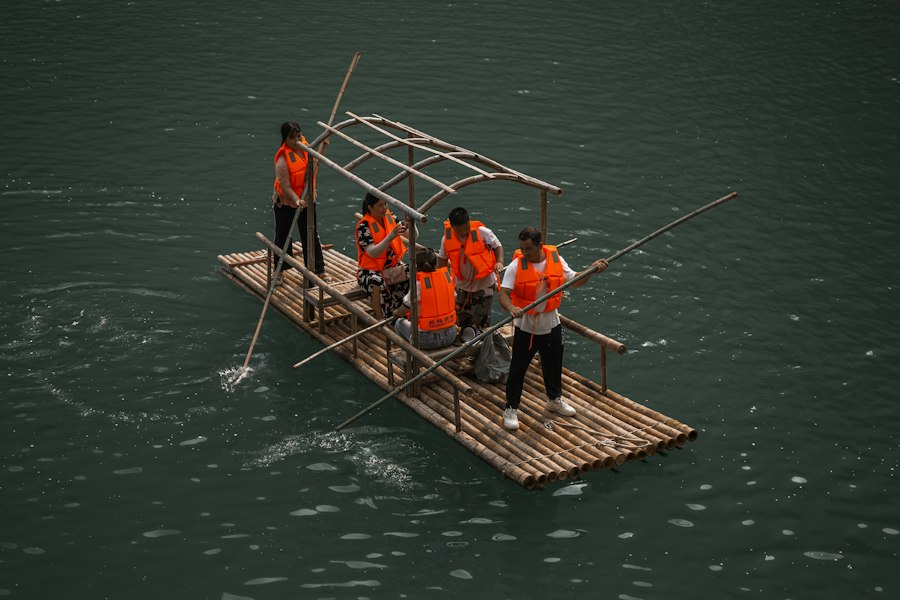
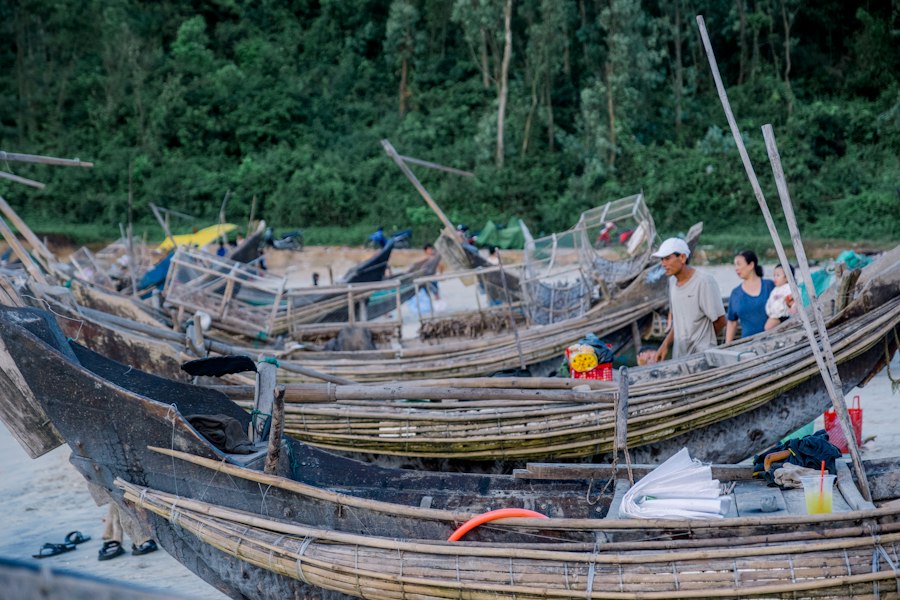
The development of watercraft was a cornerstone of ancient fish transport. From simple dugout canoes carved from single logs to more sophisticated reed boats and plank-built vessels, these early watercraft were adapted to the specific environments in which they operated. For riverine transport, long, slender boats were often preferred to navigate currents and avoid shallow areas. Their design allowed for the efficient movement of both people and goods, including freshly caught fish. Coastal trade, on the other hand, necessitated more robust vessels capable of withstanding open water conditions and carrying larger quantities of cargo. The construction of these boats involved a deep understanding of buoyancy, stability, and the forces of wind and water. For instance, the Egyptians expertly utilized the Nile River with their papyrus reed boats and later wooden vessels, transporting fish from the fertile delta regions to inland settlements and even for use in religious offerings. Similarly, the Mesopotamians relied on reed rafts and bitumen-sealed boats to move fish from the Tigris and Euphrates rivers. The Phoenicians, renowned mariners of the ancient Mediterranean, developed advanced sailing ships that facilitated extensive trade networks, undoubtedly including the transport of preserved and salted fish across vast sea routes. The choice of material, be it wood, reeds, or animal hides stretched over frames, depended on local availability and the intended use of the vessel. These innovations in boat building were not merely functional but also reflected a growing understanding of engineering and resource management.
The Saltwater Superhighways: Maritime Trade Networks
Beyond inland waterways, the vast expanse of the oceans and seas also played a crucial role in the long-distance transport of fish. Coastal communities, with direct access to abundant marine life, developed sophisticated maritime trade networks that connected distant regions. Fish, particularly when preserved, became a valuable commodity in this interregional exchange. The ability to sail across open waters, often relying on knowledge of wind patterns and celestial navigation, opened up new possibilities for trade and cultural diffusion. The Mediterranean Sea, with its numerous islands and relatively calm waters, was a prime example of such a maritime highway, facilitating the exchange of goods, including fish, between civilizations in Europe, North Africa, and the Near East. Evidence suggests that salted and dried fish were important staples traded by the ancient Greeks and Romans, who would have relied on their seafaring capabilities to bring these provisions to inland cities and military outposts.
Ancient civilizations developed various innovative methods to transport fish, ensuring their freshness and availability for trade and consumption. Techniques ranged from using ice and salt to preserve the catch to constructing specialized vessels designed for aquatic transport. For a fascinating exploration of how ancient practices intersect with modern concepts, you can read about the intriguing question of territorial sovereignty in space in this article: Is the Moon a Sovereign Territory?.
Preserving the Bounty: Techniques for Extended Storage
The perishable nature of fresh fish posed a significant challenge to its long-distance transport. To overcome this, early civilizations developed a range of preservation techniques that extended the shelf life of their catches, allowing for storage and transport over longer periods and greater distances. These methods, honed through generations of trial and error, were vital for ensuring food security and facilitating trade beyond the immediate vicinity of the fishing grounds.
The Power of Salt: Salting and Curing Methods
Salting was arguably the most effective and widely employed method for preserving fish in ancient times. The dehydrating properties of salt drew out moisture from the fish, inhibiting the growth of spoilage-causing bacteria and enzymes. This process, known as curing, allowed fish to be stored for extended periods, making them a reliable food source and a valuable commodity for trade. Various techniques were employed, including dry salting, where fish were packed in salt, and brine salting, where they were immersed in a salt-water solution. The quality of the salt and the precise ratio used were critical to the success of the preservation. Archaeological evidence, such as the remains of large salt pans and the discovery of fish bones in ancient trading contexts, attests to the widespread practice of salting. For instance, the ancient Egyptians, in addition to drying fish, also utilized salt from the Wadi Natrun, a natural salt deposit, to preserve their catches for consumption and trade. The Romans were also known for their extensive salt production and their sophisticated methods of salting and pickling fish, particularly for their legions on the move. The garum, a fermented fish sauce, a staple of Roman cuisine, also highlights the importance of preserving fish through salting and fermentation. This technique allowed fish to travel far inland and be stored for months, even years, ensuring a consistent food supply.
The Sun’s Embrace: Drying and Smoking Techniques
Drying, often facilitated by the sun and wind, was another fundamental method for preserving fish. This process reduced the moisture content to a level that inhibited microbial activity. Fish were typically cleaned, gutted, and then laid out in the sun, often on raised racks to allow for air circulation. In regions with less consistent sunshine, smoking became an important alternative. The smoke from burning wood not only helped to dry the fish but also imparted a distinct flavor and had mild antibacterial properties. Different types of wood were used to achieve varying flavor profiles. This method was particularly common in colder climates or areas where prolonged sunshine was not reliable. Indigenous communities across various continents, from the Pacific Northwest of North America to parts of Scandinavia, developed sophisticated smoking techniques to preserve salmon and other fish. The Romans also employed drying, particularly for smaller fish, and evidence suggests that smoked fish was also part of their diet and trade. The effectiveness of these methods lay in their simplicity and reliance on readily available natural elements, making them accessible to a wide range of early cultures.
Packaging and Protection: Ensuring Safe Passage
Once preserved, the fish still needed to be packaged and protected from the elements and physical damage during transport. The methods employed varied depending on the type of preserved fish and the mode of transport, but the underlying goal was to maintain the integrity of the product and prevent spoilage or contamination.
Containers of Clay and Fiber: Early Packaging Solutions
For shorter distances or less demanding journeys, simple containers made from readily available materials were often sufficient. Woven baskets, made from reeds, grasses, or animal hides, were common for carrying dried or salted fish. These baskets offered flexibility and some degree of protection. For more robust packaging, particularly for longer journeys or more valuable preserved fish, pottery was utilized. Earthenware jars and amphorae, sealed with stoppers or lids, provided a more secure and waterproof environment. These vessels could protect the fish from moisture, insects, and physical damage during transit. The Romans, in particular, were masters of pottery production, and their amphorae were used to transport a vast array of goods, including salted fish and fish products like garum, across their extensive empire. The shape and size of these vessels were often adapted to their specific contents and the intended mode of transport, whether by cart, ship, or pack animal. Evidence of such containers has been found in archaeological sites across the ancient world, illustrating their widespread use in the distribution of preserved foodstuffs.
The Art of the Bundle: Securing and Transporting Fish
In many instances, particularly for less valuable or locally traded fish, simple bundling techniques were employed. Fish, after being dried or salted, could be tightly bound together using ropes or strips of hide. These bundles could then be carried by hand, slung over the shoulder, or loaded onto pack animals. This method was efficient for bulk transport where individual packaging was not a primary concern. The key was to ensure the bundles were compact and secured to prevent them from unraveling or the fish from being damaged. This approach was likely employed for the transport of dried fish from coastal areas to nearby inland communities or for local market sales. The visual imagery of ancient marketplaces often depicts merchants with bundles of preserved goods, suggesting the prevalence of such straightforward packaging methods.
The Role of the Merchant and the Marketplace: Facilitating Exchange
The organized transport of fish was intrinsically linked to the development of trade routes, merchant classes, and bustling marketplaces. These were the conduits through which preserved fish moved from producers to consumers, fostering economic growth and cultural exchange. The efficiency of these systems, though lacking modern infrastructure, was remarkable for their time.
The Backbone of Trade: Ancient Trade Routes and Networks
The development of well-defined trade routes, both overland and maritime, was essential for the widespread distribution of preserved fish. These routes often followed natural pathways, such as river valleys or coastal shorelines, and were sometimes augmented by the construction of roads. Merchant caravans, moving with pack animals, traversed these routes, carrying a diverse range of goods, including salted and dried fish. The establishment of these networks allowed for the specialization of production, with some regions focusing on fishing and preservation, while others specialized in agriculture or crafts, relying on trade to obtain their necessary protein sources. The Silk Road, for instance, while primarily known for the trade of silk and spices, also facilitated the movement of other commodities, including foodstuffs, across vast distances. Similarly, maritime trade routes in the Mediterranean and beyond would have seen regular shipments of preserved fish. The presence of fish remains in ancient settlements far from the coast provides tangible evidence of these extensive trade networks.
Hubs of Commerce: The Ancient Marketplace
The marketplace was the focal point of ancient commerce, where producers and consumers converged to exchange goods. Here, preserved fish would have been a common sight, offered for sale in various forms – whole, filleted, or as processed products like fish sauces. Merchants would have displayed their wares, negotiating prices and engaging in the complex economic dance of supply and demand. The size and sophistication of these marketplaces varied, from small village gatherings to sprawling urban centers. Archaeological excavations of ancient cities often reveal evidence of dedicated market areas, sometimes with specialized stalls or storage facilities. These marketplaces were not only centers of economic activity but also social hubs, where information was exchanged and communities interacted. The ability to transport preserved fish to these vital centers of commerce was a testament to the ingenuity and organizational capabilities of early civilizations, ensuring that even inland populations had access to this important source of nutrition.
In ancient times, the transportation of fish was a crucial aspect of trade and sustenance for many civilizations. Various methods were employed, including the use of boats, baskets, and even salt preservation techniques to ensure the fish remained fresh during transit. For a fascinating look at how ancient practices have evolved and their impact on modern society, you might find this article on Russia’s role in the new moon race particularly interesting, as it touches on the significance of resource transportation throughout history.
Impact on Society and Diet: More Than Just Food
| Method | Description | Materials Used | Region | Estimated Time Period | Capacity |
|---|---|---|---|---|---|
| Drying and Smoking | Preserving fish by drying or smoking to transport over long distances without spoilage. | Wood, smokehouses, drying racks | Worldwide | Prehistoric times to present | Varied, from small catches to large quantities |
| Carrying in Baskets or Containers | Transporting fresh fish in woven baskets or containers made from natural materials. | Wicker, reeds, animal skins | Various, including Africa, Asia, and Americas | Ancient times | Small to medium loads |
| Use of Canoes and Rafts | Transporting fish by water using small boats or rafts. | Wood, reeds, animal hides | Coastal and riverine societies worldwide | Neolithic period onwards | Medium to large loads |
| Salting and Packing | Preserving fish with salt to allow longer transport times. | Salt, wooden barrels or ceramic containers | Ancient Mediterranean, Asia | Bronze Age onwards | Large quantities |
| Ice and Snow Storage | Using natural ice or snow to keep fish fresh during transport. | Ice, snow, insulated containers | Cold climates such as Arctic regions | Ancient times | Small to medium loads |
The ability to reliably transport and distribute fish had a profound and far-reaching impact on the societies of early civilizations. It was not simply about securing a source of protein; it influenced dietary diversity, supported population growth, and facilitated the development of complex economies and cultures.
Diversifying the Diet: Beyond Local Catches
The transport of fish allowed for dietary diversification in regions that might otherwise have had limited access to protein sources. Inland communities, far from the sea or major rivers, could now enjoy the nutritional benefits of marine and freshwater life. This broadened the range of available foods, leading to a more balanced and varied diet, which in turn could contribute to improved health and overall well-being. The availability of fish, even in preserved form, could have been particularly crucial during times of agricultural scarcity or crop failure, providing a reliable and accessible food reserve. This dietary enrichment played a significant role in the robustness and resilience of these early populations.
Fueling Growth and Expansion: Population and Economic Implications
The consistent availability of a vital food source like fish, facilitated by effective transport, directly supported population growth. Larger, more stable populations, in turn, could support larger settlements, increased labor forces, and the development of more complex societal structures. Economically, the trade in fish stimulated specialized industries, from fishing and curing to boat building and merchant activities. This specialization led to the accumulation of wealth and the development of sophisticated trade networks that extended far beyond the immediate production areas. The economic viability of transporting fish provided a valuable commodity that fueled the growth of cities, the expansion of empires, and the exchange of ideas and technologies between different cultures. The surplus of food, enabled by efficient transport, freed up individuals from subsistence farming, allowing them to pursue specialized crafts, engage in intellectual pursuits, or contribute to civic and military endeavors.

The 7,000-Year-Old Secret Hidden Under a Lake
FAQs
1. How did ancient people transport fish over long distances?
Ancient people used various methods to transport fish over long distances, including using containers filled with water, packing fish in salt to preserve them, and smoking or drying the fish for preservation.
2. What types of containers were used to transport fish by ancient people?
Ancient people used containers made from materials such as clay pots, woven baskets, wooden barrels, and leather bags to transport fish. These containers were often lined with materials to keep the fish fresh during transportation.
3. Did ancient people have specific techniques for preserving fish during transportation?
Yes, ancient people developed specific techniques to preserve fish during transportation. These techniques included salting the fish, smoking or drying them, and using natural preservatives like herbs and spices to extend the fish’s shelf life.
4. How did ancient people ensure the quality of transported fish?
Ancient people ensured the quality of transported fish by maintaining proper hygiene during the handling and packaging process, using fresh water to keep the fish moist, and monitoring the temperature to prevent spoilage.
5. Were there specialized individuals responsible for transporting fish in ancient societies?
Yes, in many ancient societies, there were specialized individuals such as fishermen, traders, and merchants who were responsible for transporting fish from coastal areas to inland regions. These individuals had knowledge of the best preservation methods and transportation routes for fish.