The Dawn of the Angler: Early Humans and the Aquatic Bounty
The story of humanity is inextricably linked with its ability to adapt and innovate, and for much of our long history, a significant portion of that innovation was directed towards securing sustenance. Among the earliest and most persistent methods of food acquisition was fishing. Long before the advent of agriculture or sophisticated hunting techniques, our Stone Age ancestors recognized the rich and readily available protein source teeming in the world’s rivers, lakes, and coastal waters. This article delves into the fascinating world of Stone Age fishing, exploring the ingenuity, challenges, and evolution of early human angling techniques that were vital for survival.
The sheer abundance of fish in prehistoric aquatic environments offered a reliable and often less perilous alternative to terrestrial hunting. While large game posed significant risks, fish provided a more predictable and accessible food source, particularly for early hominins with developing tool-making skills. The ability to exploit this aquatic bounty allowed human populations to thrive and expand, influencing settlement patterns, social structures, and technological advancements. Understanding Stone Age fishing is not merely an academic exercise; it is a window into the fundamental drivers of human evolution and the deep, enduring connection between our species and the natural world.
The archaeological record, though often fragmented, offers compelling evidence of early fishing practices. The discovery of fish bones at ancient human campsites, along with specialized tools designed for catching and processing aquatic life, paints a vivid picture of our ancestors’ dietary habits and their sophisticated understanding of their environments. These findings reveal a remarkable degree of patience, observation, and problem-solving, showcasing a level of skill that belies the “primitive” label often associated with the Stone Age.
Stone Age people developed various ingenious methods for catching fish, utilizing tools made from stone, wood, and bone. They often employed techniques such as spearfishing, netting, and trapping to secure their aquatic food sources. For a deeper understanding of the technological advancements that have shaped human history, including those from the Stone Age, you can explore the article on ancient inventions and the conspiracy to hide these advancements at Uncovering Ancient Inventions: The Conspiracy to Hide Technological Advancements.
Ingenuity in the Water: Tools and Techniques of the Stone Age Fisher
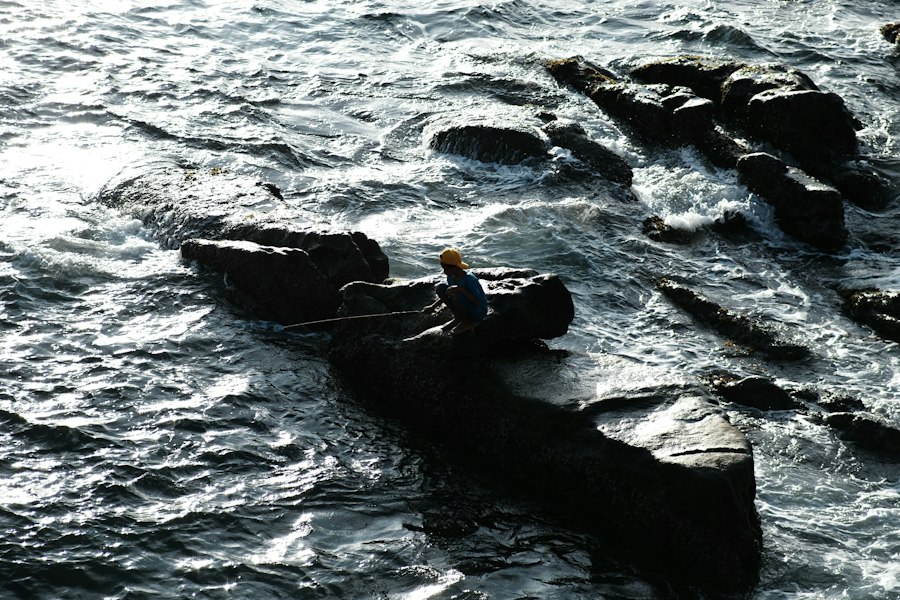
The success of Stone Age fishing was not a matter of luck; it was the direct result of human ingenuity in developing tools and employing effective techniques. Faced with the challenge of extracting swift and elusive creatures from their watery domain, early humans devised a variety of methods, each tailored to specific environments and prey. These tools and techniques represent some of the earliest examples of human technological innovation, demonstrating a deep understanding of physics, animal behavior, and resource management.
Primitive Fishing Implements: Spears, Hooks, and Lines
The simplest and perhaps most ancient method of catching fish involved direct spearing. Sharpened wooden spears, often fire-hardened for increased durability and penetration, were used by Stone Age fishers to stab at fish in shallow waters. Archaeological evidence, such as preserved wooden spears and stone points that could have been hafted onto such shafts, supports this practice. The effectiveness of spearing would have been dependent on the clarity of the water, the speed of the fish, and the skill of the fisher. Early humans would have honed their skills through countless hours of observation and practice, learning to anticipate the movements of their aquatic targets.
Beyond spearing, the development of hooks and lines marked a significant leap forward in fishing technology. While direct evidence of early fishing lines made from organic materials like animal sinew or plant fibers is scarce due to their perishable nature, the discovery of bone and shell fishhooks provides compelling proof. These hooks, crafted with remarkable precision from materials like animal bone, antler, or shells, demonstrate a sophisticated understanding of leverage and the mechanics of hooking a fish. The size and shape of these hooks likely varied, suggesting they were designed to catch different species of fish. The advent of hooks and lines allowed for passive fishing, enabling individuals to set their lines and attend to other tasks, thereby increasing efficiency and the potential catch.
Trapping the Unwary: Nets and Weirs
For a more communal and systematic approach to fishing, Stone Age humans developed ingenious trapping methods. The construction of fish weirs, essentially submerged barriers built from stones, branches, or reeds, was a highly effective technique for concentrating fish. These weirs were often strategically placed in narrow channels or river bends, funneling fish into enclosed areas where they could be more easily caught. The sheer scale of some weir constructions suggests considerable cooperative effort and advanced planning. By understanding the migratory patterns of fish and the flow of water, these early engineers created natural traps that provided a reliable food source.
The use of nets, though difficult to find direct archaeological evidence for due to their organic composition, is strongly inferred from depictions in art and the prevalence of netting techniques in later Stone Age cultures. Woven from plant fibers, animal sinew, or hair, these nets could be used in various ways: cast over schools of fish, dragged through the water, or used in conjunction with weirs to scoop up trapped fish. The development of knot-tying techniques, essential for net construction, represents another significant technological achievement of the Stone Age. The ability to create flexible, strong, and selective fishing gear demonstrates a deep understanding of material properties and construction.
Adapting to Environments: Diverse Fishing Strategies Across Continents

The fishing techniques employed by Stone Age humans were not monolithic; they varied considerably depending on the specific geographical location, available resources, and the types of aquatic environments encountered. From the vast oceans to winding rivers and serene lakes, early humans demonstrated a remarkable ability to adapt their strategies to exploit the unique opportunities presented by each ecosystem. This geographical diversity in fishing practices reflects the global spread of humanity and its deep engagement with a wide range of ecological niches.
Coastal Catches: Exploiting the Ocean’s Larder
For Stone Age communities living along coastlines, the ocean offered an immense and varied food source. While open-sea fishing likely remained challenging without advanced watercraft, the intertidal zones and shallow coastal waters were highly productive. Early fishers would have utilized their spearing and netting techniques in these areas, targeting species that frequented rocky shores, estuaries, and mangrove forests. The collection of shellfish, a relatively easy and reliable food source, would have also been a crucial part of coastal foraging. Evidence from shell middens, large accumulations of discarded shells found at ancient human sites, points to the significant role of marine invertebrates in the diet of coastal populations. The discovery of specialized tools for prying open shells or processing seaweed further highlights the comprehensive exploitation of marine resources.
Riverine Riches: Navigating Freshwater Streams
Inland Stone Age communities relied heavily on the abundant fish populations found in rivers and lakes. The techniques described earlier, such as spearing in shallow areas and the use of traps and weirs, would have been particularly effective in freshwater environments. Riverine fishing often involved navigating currents and understanding the behavior of fish in relation to water flow and depth. The construction of weirs in rivers allowed for efficient harvesting, and the development of early forms of rafts or dugout canoes may have facilitated access to deeper waters for spearing or setting lines. The archaeological record from inland sites frequently reveals a high proportion of freshwater fish bones, underscoring the importance of these aquatic resources to prehistoric inland human populations.
Lacustrine Life: Sustenance from Ancient Lakes
Similarly, the shores of ancient lakes provided another vital source of sustenance. Stone Age fishers would have adapted their methods to the specific characteristics of these bodies of water. In shallower lakes, spearing and net casting would have been common. For larger and deeper lakes, the use of simple rafts or boats, coupled with hooks and lines or nets, would have been essential for accessing a wider range of fish species. The study of sediment cores and fossil fish remains can provide insights into the types of fish available to these lakeside communities. The consistent presence of fish remains at lakeside archaeological sites points to their dietary significance.
The Significance of Fish in the Stone Age Diet and Beyond
The role of fishing in the lives of Stone Age humans extended far beyond mere sustenance; it played a crucial role in their dietary richness, cultural development, and the very trajectory of human evolution. The protein and nutrient-dense nature of fish provided a vital energy source, enabling physical and cognitive development. Furthermore, the practice of fishing fostered social cohesion and contributed to the development of complex human behaviors.
Nutritional Powerhouse: Fueling Human Growth and Development
Fish are an excellent source of lean protein, essential fatty acids (such as omega-3s), vitamins (like D and B12), and minerals (including iodine and selenium). For Stone Age humans, whose diets were often variable and dependent on the success of hunting and gathering, the consistent availability of nutrient-rich fish would have been invaluable. These nutrients would have supported robust physical development, strong immune systems, and crucial brain development. The increased availability of easily digestible protein from fish may have played a significant role in the evolutionary advantage of larger brain sizes in early humans. The energy provided by fish allowed for greater physical activity, the capacity for complex problem-solving, and the ability to engage in more elaborate social interactions.
Cultural Threads: Art, Ritual, and Social Bonds
The importance of fish is often reflected in the art and cultural practices of prehistoric societies. While direct depictions of fishing are rare, fish motifs appear in ancient cave paintings and on artifacts, suggesting their symbolic significance. These representations might have been related to fertility, abundance, or the interconnectedness of life and water. The communal nature of some fishing techniques, such as the construction and use of weirs, would have fostered social cooperation and strengthened community bonds. Shared meals of fish would have been central to social gatherings and the transmission of knowledge and traditions. The development of specialized fishing skills within a community could have also led to social stratification or the recognition of individuals with particular expertise.
A Foundation for Future Innovation: Lessons Learned from the Water
The skills and knowledge gained through Stone Age fishing laid the groundwork for future technological and societal advancements. The understanding of fluid dynamics involved in designing weirs, the material science required for crafting hooks and lines, and the organizational skills needed for communal fishing all contributed to a broader base of human ingenuity. These early innovations in resource exploitation and tool development directly influenced subsequent technologies, including those related to agriculture, transportation, and more complex forms of social organization. The long and successful history of fishing among early humans demonstrates a profound and enduring partnership with aquatic environments, a partnership that continues to shape human societies to this day.
Stone Age people developed various innovative techniques for catching fish, which played a crucial role in their survival and diet. They utilized simple tools made from stone and wood, such as spears and nets, to effectively harvest fish from rivers and lakes. This fascinating aspect of prehistoric life highlights the resourcefulness of early humans in adapting to their environment. For a deeper understanding of how ancient societies evolved and faced challenges, you might find it interesting to read about the factors that contributed to the Bronze Age collapse in this article here.
Challenges and Adaptations: Overcoming Obstacles in Prehistoric Fishing
| Method | Description | Materials Used | Effectiveness | Region |
|---|---|---|---|---|
| Spear Fishing | Using sharpened wooden or bone spears to catch fish in shallow waters. | Wood, bone, stone tips | Moderate – effective in clear, shallow waters | Worldwide |
| Fish Traps | Constructing barriers or traps in rivers or tidal areas to catch fish as water recedes. | Wood, stones, reeds | High – passive method allowing multiple catches | Europe, Asia, Africa |
| Fishing Nets | Using woven nets made from plant fibers to catch schools of fish. | Plant fibers, sinew | High – effective for catching large quantities | Various regions |
| Hook and Line | Using bone or shell hooks attached to lines to catch individual fish. | Bone, shell, plant fibers | Moderate – selective and portable | Coastal areas worldwide |
| Stunning Fish | Using natural toxins or stunning techniques to immobilize fish for easy collection. | Plant toxins, stones | Variable – depends on toxin availability and knowledge | Some regions in Africa and South America |
The life of a Stone Age fisher was not without its difficulties. Despite the perceived abundance of fish, several challenges would have tested the resilience and ingenuity of early humans. Overcoming these obstacles required careful observation, continuous adaptation, and the development of increasingly sophisticated techniques and tools. The persistence of fishing as a survival strategy underscores the success of these adaptations.
Environmental Fluctuations and Resource Scarcity
One of the primary challenges faced by Stone Age fishers would have been the unpredictable nature of aquatic environments. Seasonal variations in water levels, droughts, and floods could significantly impact fish populations and their accessibility. Migratory patterns of fish could also shift due to environmental changes, requiring fishers to constantly adapt their strategies and locations. Furthermore, overfishing in certain areas, even with primitive methods, could have led to temporary resource scarcity, forcing communities to move or develop new fishing grounds. The ability to forecast and react to these environmental shifts was a critical survival skill.
Predatory Threats and the Perils of the Water
While fishing might have been less dangerous than hunting large terrestrial animals, it was not entirely risk-free. Stone Age fishers working in rivers and lakes could have encountered dangerous aquatic predators, such as crocodiles or large predatory fish, depending on their location. Even shallow waters could present hazards, and accidents involving drowning or injury from tools were likely occurrences. The development of early warning systems, careful observation of water conditions, and the selection of safer fishing locations would have been crucial for minimizing these risks. The communal aspect of fishing also offered a degree of safety, with individuals looking out for one another.
The Evolution of Skills and Knowledge Transfer
The sophisticated nature of some Stone Age fishing techniques suggests a significant investment in learning and skill development. The knowledge of which bait to use, the best times and places to fish, the construction of effective tools, and the interpretation of animal behavior would have been passed down through generations. This oral tradition and hands-on learning were essential for maintaining fishing expertise within a community. As human populations grew and spread, the challenge of effectively transferring this specialized knowledge to new generations would have been ongoing. This intergenerational transfer of fishing knowledge highlights the importance of social learning in early human societies.
The Enduring Legacy: From Stone Age Streams to Modern Oceans
The practices and innovations of Stone Age fishers have left an indelible mark on human history, shaping our relationship with aquatic resources and influencing the development of countless technologies and cultures. The foundational techniques developed in prehistoric times continue to resonate in modern fishing practices, albeit with significant technological advancements. The long and successful history of fishing among our Stone Age ancestors serves as a testament to human adaptability, ingenuity, and our deep, enduring connection with the natural world.
The story of Stone Age fishing is a narrative of survival, innovation, and a profound understanding of the environment. It highlights how early humans, armed with simple yet effective tools and keen observation, were able to harness the bounty of aquatic ecosystems, contributing to their own development and the expansion of our species across the globe. The lessons learned from these ancient anglers continue to inform our modern relationship with the oceans, rivers, and lakes that sustain us.

The 7,000-Year-Old Secret Hidden Under a Lake
FAQs
1. How did Stone Age people catch fish?
Stone Age people caught fish using various methods such as spears, fishing nets, traps, and hooks made from materials like bone, wood, and plant fibers.
2. What types of fishing tools did Stone Age people use?
Stone Age people used tools like harpoons, fish hooks, fishing spears, and fishing nets to catch fish in rivers, lakes, and coastal waters.
3. Did Stone Age people use boats for fishing?
Stone Age people did use boats for fishing, including simple rafts, canoes, and dugout boats, to access deeper waters and increase their chances of catching fish.
4. How did Stone Age people preserve fish for later consumption?
Stone Age people preserved fish by smoking, drying, or salting them to extend their shelf life and ensure a stable food supply during times of scarcity.
5. What role did fishing play in the diet of Stone Age people?
Fishing played a significant role in the diet of Stone Age people, providing them with a valuable source of protein, essential nutrients, and calories to sustain their communities and help them thrive in their environments.