
The biting wind, carrying the scent of salt and pine, has sculpted Scandinavia for millennia, and long before the first sturdy longships cleaved the waves, its inhabitants were intimately connected to the surrounding waters. Prehistoric fishing in this northern realm was not merely a subsistence activity; it was a cornerstone of survival, a driver of cultural development, and a testament to human ingenuity in adapting to a challenging environment. Archaeological evidence, painstakingly unearthed from bogs, shell middens, and ancient lakebeds, paints a vivid picture of early Scandinavian peoples mastering the art of extracting sustenance from the rich marine and freshwater ecosystems. Their tools, techniques, and the very fish they caught offer a profound glimpse into a world shaped by the rhythm of the tides and the abundance of aquatic life.
The Earliest Anglers: From Mesolithic Foundations to Neolithic Shifts
The story of prehistoric fishing in Scandinavia begins in the Mesolithic period, a time when nomadic hunter-gatherer groups relied heavily on mobile resources. The retreat of the massive ice sheets at the end of the last Ice Age opened up vast new territories and created abundant opportunities for those who could exploit them. The changing coastlines and the emergence of new freshwater lakes and rivers provided fertile grounds for fish populations, and early humans, with their keen observational skills and developing toolmaking abilities, were quick to capitalize.
Adapting to a Changing Landscape: Mesolithic Coastal Exploitation
During the Mesolithic (roughly 10,000 to 4,000 BCE), Scandinavian settlements were often located in coastal areas, drawn by the readily available marine resources. The Baltic Sea, though different in salinity than today, was a significant source of food. Archaeological sites like the famous shell middens of Denmark and Sweden, vast accumulations of discarded mollusk shells, also contain numerous fish bones, indicating fishing as a primary activity. The inhabitants of these settlements were highly mobile, likely following seasonal fish migrations and exploiting different marine species throughout the year. This adaptability was crucial for survival in a dynamic post-glacial environment. The resources available would have varied greatly depending on the specific location, from the open ocean to more sheltered fjords and archipelagos. The focus was on opportunistic harvesting, taking advantage of whatever the sea offered.
Freshwater Havens: Inland Fishing Traditions
While coastal fishing dominated many Mesolithic narratives, inland fishing also played a vital role. As glaciers receded, numerous lakes and rivers formed, teeming with species like pike, perch, and salmon. Archaeological finds from these inland sites reveal a parallel development of fishing techniques. The exploitation of freshwater resources often involved more stationary approaches, taking advantage of known fishing spots and the predictable movements of fish within these confined environments. The successful exploitation of both marine and freshwater environments demonstrates a sophisticated understanding of ecological niches and resource management, even in these early stages.
The Dawn of Agriculture and its Impact on Fishing
The Neolithic period (roughly 4,000 to 1,700 BCE) saw the gradual introduction of agriculture to Scandinavia, a transformative shift that fundamentally altered human societies. While farming became a more prominent food source in many areas, fishing did not disappear. Instead, it often integrated with agricultural practices. In some regions, fishing remained a crucial component of the diet, particularly in coastal areas or where arable land was scarce. In others, the surplus of agricultural products may have allowed for more specialized fishing activities or the development of more sophisticated techniques. The rise of settled communities also meant that fishing could become a more established, albeit still seasonal, part of the economy. The relationship between farming and fishing was complex and varied across Scandinavia, often dictated by local geography and resource availability.
Recent studies have shed light on prehistoric fishing practices in Scandinavia, revealing how ancient communities adapted to their environments and utilized local resources. For a deeper understanding of how different cultures have developed their industries and practices over time, you might find this article on Mexico’s electronics manufacturing hubs interesting: Exploring Mexico’s Electronics Manufacturing Hubs.
The Ingenuity of the Angler: Tools and Techniques
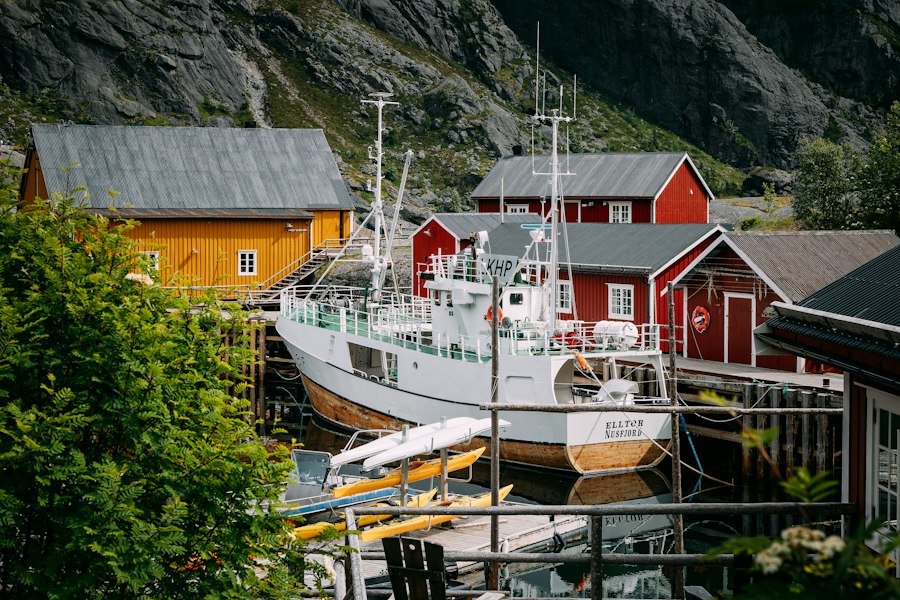
The success of prehistoric Scandinavian fishers was intrinsically linked to their ability to craft effective tools and employ clever techniques. Necessity, as always, was the mother of invention, and over generations, these early anglers developed a sophisticated arsenal that allowed them to exploit a wide range of aquatic environments and species. Their ingenuity is a testament to their deep understanding of fish behavior and the properties of natural materials.
The Spear and the Harpoon: Precision in the Water
For many prehistoric Scandinavian fishers, direct confrontation with their quarry was a common method. The spear, a simple yet effective tool, was likely one of the earliest fishing implements. Archaeological evidence includes numerous bone and antler points, some of which exhibit the characteristic barbs of a harpoon. These were likely hafted onto wooden shafts and used for spearing fish in shallow waters, particularly in rivers and along the coast. The harpoon, with its detachable point, offered a greater chance of success, as the barbed head would remain lodged in the fish even if the shaft was pulled free. The precision required for spearing demanded excellent eyesight, a steady hand, and an intimate knowledge of the water’s clarity and the fish’s swimming patterns.
Nets and Traps: The Art of the Capture
While spearing offered a direct approach, more passive methods like net fishing and trap construction allowed for greater efficiency and the ability to catch smaller, schooling fish. Fragments of netting, often made from plant fibers or animal sinew, have been found at various prehistoric sites. These nets would have been used in conjunction with floats and weights, acting as barriers to guide fish into desired areas or to entangle them. Archaeological evidence also points to the construction of elaborate fish traps. These were often built from wood, stones, or woven branches, forming enclosures or funnel-shaped structures designed to guide fish into a confined space from which they could not escape. The construction of these traps required significant planning and labor, suggesting well-organized fishing efforts. The effectiveness of these traps often relied on understanding water currents and fish migration routes.
Hooks and Lines: Patience and Persistence
The development of hooks and lines represents a significant advancement in fishing technology, allowing for a more patient and less physically demanding approach. While the earliest fishing hooks were likely made from bone, antler, or even thorns, later periods saw the use of more refined materials. These hooks would have been attached to lines made from plant fibers, animal sinew, or even twisted hair. Fishing with hooks and lines would have been effective for a variety of species and in different water depths. The success of this method relied heavily on bait selection, understanding what attracted specific fish, and the patience to wait for a bite. The discovery of discarded fishing hooks provides a tangible link to the individual angler, waiting by the water’s edge.
The Pantry of the Past: Diet and Species Exploited

The diet of prehistoric Scandinavians was a reflection of their environment, and fish formed a substantial and vital part of it. The diverse aquatic ecosystems of the region provided a rich larder, and the archaeological record allows us to identify the specific species that graced their tables. This knowledge not only sheds light on their nutritional intake but also on their understanding of the natural world and their ability to exploit its bounty.
Coastal Bounty: Marine Species Sustaining Communities
Along the extensive coastlines of Scandinavia, marine species were a primary food source. Archaeological excavations, particularly of shell middens, have yielded a wealth of fish bones. Cod, herring, mackerel, and various flatfish were undoubtedly important. These species were likely caught using a combination of nets, traps, and possibly hooks and lines from boats or from the shore. The abundance of certain species would have fluctuated seasonally, and prehistoric fishers likely adapted their strategies accordingly. The discovery of bones from larger marine animals like seals and porpoises also suggests opportunistic hunting alongside fishing, further diversifying their protein sources. The sheer volume of fish remains found at some sites indicates that fishing was a large-scale operation, capable of sustaining significant populations.
Freshwater Abundance: Inland Diets and Lake Dwellers
The numerous lakes, rivers, and wetlands of the Scandinavian interior provided a rich source of freshwater fish. Pike, perch, salmon, trout, and various species of whitefish were staples for inland communities. Evidence for this comes from hearths and middens located away from the coast, as well as from the submerged remains of stilt villages (or lake dwellings) found in some areas. These villages, often built over water, suggest a strong reliance on the surrounding aquatic environment for food. The techniques employed in freshwater fishing would have been similar to those used at sea, though perhaps with more emphasis on traps and nets within confined river channels and lake bays. The salmon, with its anadromous life cycle, would have been a particularly valuable resource, migrating upstream to spawn in large numbers.
Beyond the Meal: The Nutritional Significance of Fish
Fish were not just a source of protein; they were also a crucial source of essential fatty acids, vitamins, and minerals in a region where other food sources might have been limited, especially during the long northern winters. The high fat content of many oily fish, like herring, would have provided valuable calories and nutrients. The ability to preserve fish through smoking or drying would have allowed communities to store food for leaner times, contributing to greater food security. This dietary reliance on fish likely played a significant role in the health and resilience of prehistoric Scandinavian populations, contributing to their ability to thrive in a demanding climate.
The Social Fabric of Fishing: Community and Culture
Fishing in prehistoric Scandinavia was rarely an individual pursuit. It was often a communal activity, interwoven with social structures, traditions, and even spiritual beliefs. The organization required for successful fishing, particularly for larger ventures, fostered cooperation and strengthened social bonds.
Collective Endeavors: Shared Resources and Labor
Many fishing techniques, such as net making, trap construction, and potentially boat building, would have required the coordinated efforts of multiple individuals. The harvesting of large shoals of fish or the tackling of significant marine mammals would have necessitated teamwork. This shared labor likely led to the development of communal fishing grounds and the establishment of rules or protocols for resource sharing. Archaeological evidence of specialized fishing settlements or organized fishing camps further supports the idea of collective endeavors. The success of these ventures depended on the efficient allocation of tasks and the ability of the community to work together towards a common goal.
Rituals and Beliefs: The Spiritual Connection to the Water
It is highly probable that fishing was imbued with spiritual significance for prehistoric Scandinavians. The power and unpredictability of the sea and rivers, and the reliance on their bounty for survival, would have naturally led to the development of rituals and beliefs surrounding aquatic life. Offerings to deities of the sea or rivers, or ceremonies to ensure a good catch, are likely possibilities, although direct archaeological evidence for such practices can be difficult to find. However, the presence of fish motifs in some prehistoric art or artifacts could hint at a symbolic importance. The awe inspired by the vastness of the ocean and the mystery of the depths would have undoubtedly fueled a rich spiritual landscape connected to the waters.
Boats and Navigation: Mastering the Aquatic Realm
The ability to travel on water was crucial for accessing fishing grounds, especially for exploiting more distant marine resources. While evidence for the earliest watercraft is scarce, later periods reveal increasingly sophisticated boatbuilding. Finds of dugout canoes made from hollowed-out tree trunks are common, demonstrating an early mastery of water travel. The development of more advanced vessels would have allowed for longer voyages, opening up new fishing territories and facilitating trade or communication between coastal communities. The navigation of these waters, whether by familiar landmarks or early celestial observations, was a vital skill for these prehistoric seafarers.
Recent discoveries in Scandinavia have shed light on prehistoric fishing practices, revealing how ancient communities adapted to their environments. These findings are not only significant for understanding the daily lives of early humans but also provide insights into their social structures and trade networks. For a fascinating perspective on historical navigation and exploration, you might want to check out this article on the Piri Reis map, which highlights the complexities of maritime knowledge in ancient times. You can read more about it here.
Unearthing the Past: Archaeological Discoveries and Ongoing Research
| Metric | Details | Time Period | Region |
|---|---|---|---|
| Earliest Evidence of Fishing | Bone and antler fishing hooks found | Mesolithic (c. 9000–6000 BCE) | Southern Scandinavia |
| Common Fish Species Caught | Salmon, trout, pike, and cod | Mesolithic to Neolithic | Coastal and inland waters of Scandinavia |
| Fishing Tools | Bone hooks, harpoons, nets made from plant fibers | Mesolithic to Bronze Age | Scandinavia |
| Fishing Techniques | Spearfishing, net fishing, trapping in weirs | Mesolithic to Iron Age | Rivers, lakes, and coastal areas |
| Estimated Fish Consumption | Up to 50% of diet in some coastal communities | Mesolithic | Southern Scandinavia |
| Archaeological Sites | Kongemose and Ertebølle cultures notable for fishing remains | Mesolithic to Neolithic | Denmark and Southern Sweden |
The understanding of prehistoric fishing in Scandinavia is a continuous process, driven by ongoing archaeological research and technological advancements. Each unearthed artifact, each carefully analyzed bone, adds another piece to the intricate puzzle of these ancient lives.
Key Discoveries: Revealing Ancient Lifestyles
Numerous archaeological sites across Scandinavia have yielded invaluable evidence of prehistoric fishing practices. The aforementioned shell middens in Denmark and Sweden, rich in fish remains and discarded tools, offer a direct window into the diets and activities of Mesolithic and Neolithic peoples. In Norway, the discovery of ancient fishing weirs – submerged structures designed to guide fish – provides tangible evidence of sophisticated trapping systems. Submerged settlements and waterlogged sites in various regions have preserved organic materials like net fragments, fishing lines, and wooden tools that would rarely survive in drier conditions. The analysis of fish bones themselves, through techniques like osteology, allows researchers to identify species, determine the age and sex of the fish, and even infer the season of capture.
Modern Methods, Ancient Insights: The Role of Science
Contemporary archaeological techniques are revolutionizing our understanding of prehistoric fishing. Radiocarbon dating allows for precise chronological placement of finds, helping to trace the evolution of fishing technologies. Isotope analysis of human and animal remains can reveal dietary patterns, confirming the importance of fish in the prehistoric Scandinavian diet and even indicating the types of aquatic environments exploited. Paleoenvironmental studies, examining pollen and sediment cores, help reconstruct the ancient landscapes and the availability of different fish species. DNA analysis of fish bones can provide insights into the genetic makeup of ancient fish populations and potential management practices. These scientific tools are transforming our ability to interpret the archaeological record with ever-increasing detail and accuracy.
Future Directions: The Continuing Quest
The study of prehistoric fishing in Scandinavia is far from complete. Ongoing excavations and the application of new analytical techniques promise to uncover even more about these ancient practices. Researchers are increasingly focusing on the long-term sustainability of fishing, the impact of climate change on prehistoric fish populations, and the complex interactions between humans and their aquatic environments. Understanding how these early societies managed their resources, developed their technologies, and integrated fishing into their social and cultural lives remains a vital area of inquiry, offering valuable lessons for our own relationship with the natural world. The story of Scandinavia’s earliest anglers is a testament to human adaptability, ingenuity, and an enduring connection to the life-giving waters that have shaped this northern land.

The 7,000-Year-Old Secret Hidden Under a Lake
FAQs
What evidence exists of prehistoric fishing in Scandinavia?
Archaeological findings such as fish bones, fishing tools, and rock carvings depicting fishing scenes provide evidence of prehistoric fishing in Scandinavia.
What types of fish were commonly caught by prehistoric fishermen in Scandinavia?
Commonly caught fish included salmon, trout, cod, herring, and various freshwater species like pike and perch.
How did prehistoric people in Scandinavia catch fish?
Prehistoric fishermen in Scandinavia used various methods such as fishing with nets, traps, spears, hooks, and harpoons to catch fish in rivers, lakes, and coastal waters.
What role did fishing play in the prehistoric societies of Scandinavia?
Fishing was a crucial source of food, providing protein and essential nutrients for prehistoric societies in Scandinavia. It also played a significant role in trade and cultural practices.
Were there any rituals or beliefs associated with prehistoric fishing in Scandinavia?
Some archaeological evidence suggests that prehistoric fishing in Scandinavia was accompanied by rituals or beliefs related to the spiritual significance of fish and the act of fishing itself.