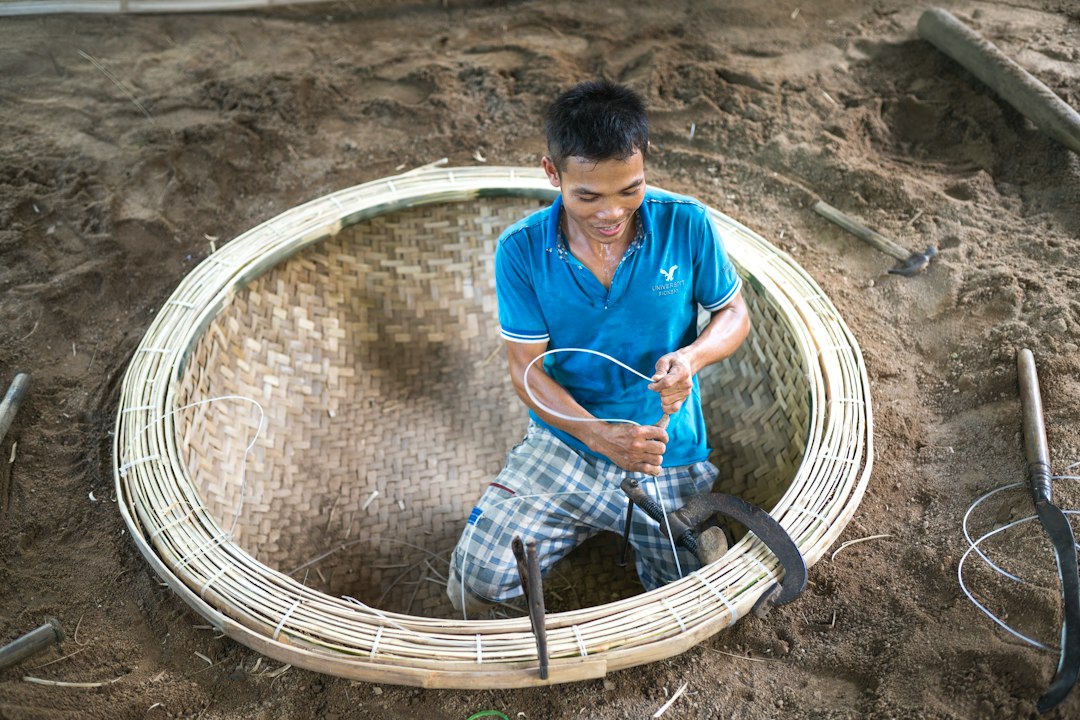
## The Enduring Ingenuity of Aquatic Enclosure
The art of capturing fish, a practice as old as human civilization itself, has been refined over millennia through ingenious methods of trap construction. These ancient techniques, born from an intimate understanding of aquatic environments and animal behavior, demonstrate a remarkable level of ingenuity and resourcefulness. From simple woven baskets to elaborate stone barriers, these methods not only provided sustenance but also reveal sophisticated ecological knowledge passed down through generations. Exploring these timeless techniques offers a glimpse into the lives of our ancestors, their relationship with the natural world, and the fundamental principles that still underpin modern fishing practices. The reliance on readily available natural materials, the adaptation to diverse geographical locations, and the sheer persistence required to build and maintain these structures underscore the deep connection between humanity and the aquatic ecosystems that sustained them. These are not merely historical curiosities; they are testaments to a profound and enduring human drive to understand and interact with the environment in a sustainable and effective manner.
Ancient fish trap construction methods reveal fascinating insights into the ingenuity of early civilizations in managing aquatic resources. These traps, often made from locally sourced materials, demonstrate a deep understanding of fish behavior and environmental conditions. For a broader perspective on how ancient societies effectively harnessed water resources, you can explore the article on ancient water management systems. This article delves into various techniques and innovations that supported agriculture and fishing, highlighting the interconnectedness of these practices. To learn more, visit Uncovering Ancient Water Management Systems.
## Materials and Design Principles: Nature’s Toolkit for Aquatic Capture
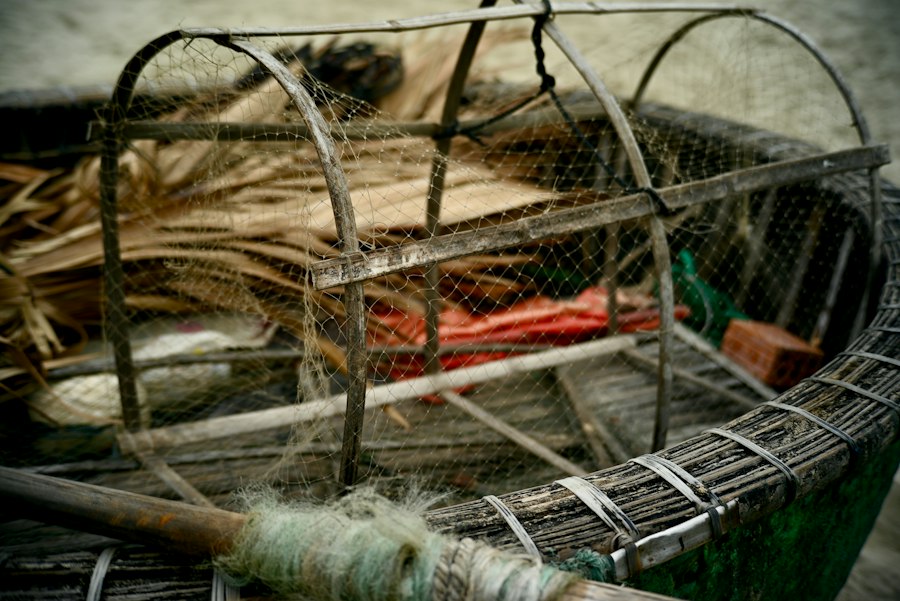
The success of ancient fish traps was intrinsically linked to the judicious selection of materials and the application of fundamental design principles. These builders, lacking modern tools and manufactured goods, drew inspiration directly from their surroundings, transforming natural resources into effective and durable fishing apparatuses. The choice of materials was dictated by availability, durability, and the specific environmental conditions of the fishing location. Wood, stone, reeds, grasses, and even bone were transformed through skilled craftsmanship into a diverse array of traps.
### The Versatility of Wood and Plant Fibers
Wood, in its various forms, served as a cornerstone for many trap designs. Branches, saplings, and larger logs were utilized for constructing the frameworks of more substantial traps, providing structural integrity and enabling the creation of elaborate configurations. In many coastal and riverine communities, flexible yet strong woods like willow, bamboo, or certain types of palm were preferred for their pliability, allowing them to be bent and woven into intricate shapes. This weaving technique was crucial for creating the permeable yet fish-confining walls of many traps. Reeds and rushes, abundant in wetland environments, were also extensively used. Their long, slender stalks could be bundled and interwoven to create panels or woven directly onto wooden frames. This created a mesh-like structure that allowed water to flow through freely while preventing fish from escaping. The natural buoyancy of some of these plant materials also played a role, with some traps designed to float or be anchored at specific depths. The careful selection of wood for its rot resistance, such as certain hardwoods found in tropical regions, further contributed to the longevity of these traps, allowing them to withstand prolonged immersion in water. The process of harvesting and preparing these materials was often labor-intensive, involving stripping bark, splitting wood, and drying reeds to enhance their durability and workability. This meticulous preparation was an integral part of the construction process, ensuring the trap’s effectiveness and longevity.
### The Strength and Permanence of Stone
In regions where wood was scarce or less durable, stone emerged as the primary material for constructing fish traps, particularly those intended for long-term use or in areas with strong currents. The construction of stone fish weirs and corrals represents a monumental undertaking, requiring significant human effort and a deep understanding of hydraulic engineering. These structures were typically built in tidal zones or along riverbanks, strategically positioned to intercept migrating fish. The simplest forms involved arranging large stones to create channels or walls that would guide fish towards an enclosed area. More sophisticated designs featured intricate labyrinths of smaller stones and gaps, designed to confuse and trap fish as the tide receded or the water level dropped. The selection of appropriate stones was crucial; rounded, smooth stones were often preferred to minimize damage to the fish and prevent the traps from snagging on debris. The weight and stability of the stones were paramount, especially in areas prone to strong currents or storm surges. Builders would carefully select and place stones to create a stable and impermeable barrier, often using the natural topography of the seabed or riverbed as a foundation. The sheer scale of some of these stone structures, still visible today in various coastal regions, is a testament to the organizational capabilities and engineering prowess of ancient societies. The construction often involved a collective effort, with communities working together to quarry, transport, and meticulously place thousands of stones. The knowledge of tides, currents, and fish behavior was vital in determining the optimal location and configuration of these stone traps.
### Adaptation to Local Ecologies and Species
A defining characteristic of ancient fish trap construction was its profound adaptation to the specific ecological niche and the target fish species. Builders possessed an intimate knowledge of local hydrology, including tidal patterns, river flows, and seasonal variations. They understood the migratory routes and behaviors of different fish species, tailoring their trap designs to exploit these predictable movements. For example, traps designed for salmon runs, which often occurred in fast-flowing rivers, would need to be robust enough to withstand strong currents and strategically placed to intercept fish moving upstream. Conversely, traps for species that inhabited slower-moving waters or tidal pools might employ finer mesh materials and gentler guiding structures. The size and shape of the trap’s openings were also carefully considered. Smaller fish might be allowed to pass through, while larger, more desirable species would be retained. The use of natural features, such as rock outcroppings or bends in rivers, was often incorporated into trap designs, further enhancing their effectiveness and reducing the amount of construction material required. This ecological intelligence extended to understanding the preferred habitats of target species. Some traps might be built in shallow, sunlit areas, while others might be submerged in deeper, cooler waters, depending on the habits of the fish being sought. This detailed understanding of local ecosystems allowed for the creation of highly efficient and sustainable fishing methods that minimized bycatch and maximized the harvest of desired species. The cyclical nature of many aquatic resources also influenced design, with traps often being constructed or deployed seasonally, reflecting a deep understanding of ecological rhythms.
## Iconic Trap Designs and Their Regional Variations: A Global Survey
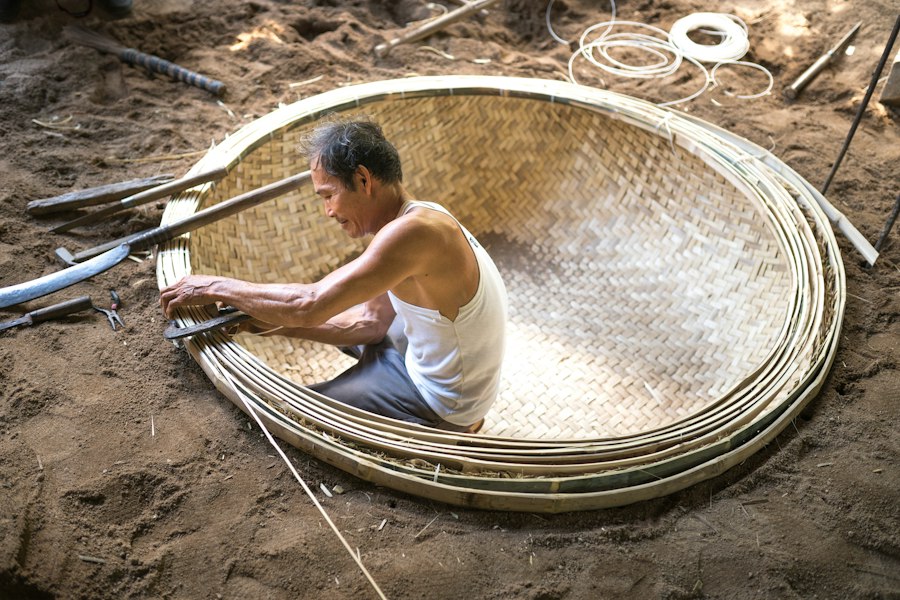
Across the globe, diverse cultures developed remarkably similar yet distinct approaches to fish trap construction. These variations reflect not only available materials but also specific environmental challenges and the unique culinary and cultural significance of fish within different societies. Examining these iconic designs reveals a shared human ingenuity in harnessing aquatic resources.
### The Woven Wonders of the Americas
In the Americas, indigenous peoples developed a sophisticated array of fish traps utilizing the abundant plant materials available. In the Pacific Northwest, for instance, the Coast Salish peoples were renowned for their intricate basket traps, often woven from cedar bark and spruce roots. These traps, typically conical or cylindrical in shape, were designed to be submerged in rivers or intertidal zones. Their fine weaving allowed water to pass through while effectively retaining salmon and other fish. The size and mesh of these traps were meticulously adjusted to the target species, demonstrating a nuanced understanding of local ichthyofauna. Further inland, along the Great Lakes and river systems, various tribes employed different weaving techniques and materials, often using reeds, cattails, and flexible twigs. These traps could be elaborate, with multiple chambers designed to guide fish and prevent escape. Some were built with guiding walls, or “wings,” made of similar woven materials or stakes, to funnel fish towards the trap entrance. The construction of these traps was often a communal activity, with specialized knowledge passed down through families. The principles of tidal and river flow were well understood, leading to the placement of traps in optimal locations that maximized their efficiency during seasonal runs. The designs were often modular, allowing for repairs and modifications as needed, and their portability was a key feature for some nomadic or semi-nomadic groups who moved with the fish migrations. The aesthetic quality of some of these woven traps was also noteworthy, with intricate patterns and designs often incorporated, suggesting a cultural as well as a utilitarian purpose.
### The Stone Weirs of Europe and the Mediterranean
The coastal communities of Europe and the Mediterranean basin, particularly in areas with significant tidal ranges, developed impressive stone fish weirs that have endured for millennia. These structures, often visible at low tide, were constructed by meticulously arranging large stones to form barriers and channels. The purpose was to trap fish as the tide went out, leaving them stranded in enclosed pools or guiding them into specific capture areas. The construction of these weirs required an immense understanding of tidal cycles, wave action, and the behavior of marine life. The positioning of these structures was critical; they were often built across estuaries, bays, or along natural migratory pathways of fish. The size and placement of the stones were carefully chosen to create a stable structure that could withstand the powerful forces of the sea. Some weirs were simple, straight barriers, while others featured complex, V-shaped designs or labyrinthine patterns to maximize fish capture. The construction of these stone traps was often a community endeavor, involving considerable labor and coordination. Archaeological evidence suggests that some of these weirs date back to the Neolithic period, highlighting their ancient origins and enduring effectiveness. The permanence of stone made these traps a long-term investment, providing a reliable source of food for coastal populations for generations. The strategic placement often took advantage of natural geological formations, with existing reefs or rocky outcrops serving as foundations. The ability to modify and expand these weirs over time also speaks to their adaptability and the ongoing learning process of their builders.
### The Ingenious Fish Fences of Asia
Asia, with its vast river systems and extensive coastlines, boasts a rich tradition of fish fence construction, often employing a combination of natural materials and clever engineering. In many parts of Southeast Asia, especially in countries like Vietnam, Thailand, and the Philippines, communities have long utilized bamboo and wood to create elaborate fish corrals and fences. These structures are often built in shallow coastal waters or river deltas, utilizing tidal movements to their advantage. The fences, typically made of closely spaced bamboo poles driven into the seabed, create enclosures that guide fish towards a central trap or funnel. The flexibility of bamboo allows for the construction of large, complex structures that can withstand strong currents. Some designs incorporate multiple compartments and escape routes for unwanted species, demonstrating a sophisticated understanding of marine ecology. In Japan, the construction of intertidal fish traps, known as tsubo-ami, also utilized natural materials. These traps were often funnel-shaped, with a narrow opening that allowed fish to enter but made egress difficult. The weaving of reeds and other plant fibers was common, creating a permeable barrier. In many Asian cultures, fishing was deeply intertwined with spiritual beliefs, and the construction and use of fish traps often involved rituals and ceremonies, reflecting a holistic approach to resource management and a deep respect for the natural world. The use of woven mats and intricate knotting techniques further enhanced the structural integrity and effectiveness of these Asian fish traps. The economic importance of these traps is also evident, with some communities relying heavily on them for subsistence and trade.
## Construction Techniques and Tool Use: From Hand to Tool
The construction of ancient fish traps, regardless of their specific design or materials, relied on a core set of techniques and the ingenious application of basic tools. These methods, honed over countless generations, showcase an understanding of leverage, joinery, and the inherent properties of natural materials. The process was often labor-intensive, requiring skill, patience, and a deep understanding of the materials being worked.
### Shaping and Joining Wood
Working with wood demanded a variety of techniques to shape branches, saplings, and larger timbers for trap construction. Simple yet effective tools were employed to achieve the desired forms. For smaller components, adzes and knives, often made of stone or bone in earlier periods and later of metal, were used for carving, stripping bark, and smoothing surfaces. For larger timbers, stone axes were used for felling trees and rough shaping. Splitting wood was often achieved by using wedges, either made of stone, bone, or hardwood, driven with mallets. Joinery techniques, though often less sophisticated than modern methods, were crucial for creating durable structures. Lashing, using plant fibers like sinew, bark strips, or vines, was a common and effective method for binding wooden components together. Notching and mortise-and-tenon joints, even if rudimentary, were also employed to create more stable connections. In some cases, fire might have been used to harden wooden points or to shape curved pieces. The creation of the woven elements, essential for many traps, involved meticulous preparation of the weaving materials, such as splitting reeds or stripping bark into thin strands. These strands would then be woven using fingers and sometimes aided by simple bone or wooden tools to help interlace them tightly. The skilled weaver could create remarkably strong and flexible panels, capable of withstanding the pressure of water and the movements of fish. The durability of the wood itself was enhanced by techniques like charring the ends of stakes that were driven into the ground or water, providing a degree of water resistance and protection against decay.
### Quarrying and Placing Stone
The construction of stone fish traps, particularly the large weirs, presented a different set of challenges and required distinct techniques. Quarrying stones often involved using stone hammers and chisels to break off manageable pieces from bedrock or to dislodge large boulders. Wedges, often made of hardwood that would expand when soaked in water, were also employed to crack large stones. Once quarried, the stones needed to be transported to the construction site. This was often achieved through a combination of brute force, levering with sturdy wooden poles, and utilizing natural inclines or waterways. In some cases, rollers made from logs might have been used for moving particularly heavy stones over land. The placement of stones was a critical and often meticulous process. Builders would carefully select stones of appropriate size and shape for each position, ensuring stability and effective water flow control. The art of dry-stone construction, where stones are carefully fitted together without mortar, was paramount. This required an intuitive understanding of weight distribution, interlocking shapes, and the ability to create a self-supporting structure. In areas with strong currents, larger, heavier stones would be placed at the base and along the outer edges of the weir to provide ballast and resist erosion. Smaller stones would then be used to fill gaps and create the desired contours of the trap. The construction often involved a cyclical process of building and reinforcing, with teams working in unison to place stones as the tide receded and then observing how the structure performed during the incoming tide, making adjustments as necessary. This constant feedback loop was crucial for perfecting the design and ensuring its longevity.
### The Role of Simple Tools and Ingenuity
Throughout the development of ancient fish traps, the absence of complex machinery was compensated by the extraordinary ingenuity in the use of simple tools. The fundamental principles of physics were implicitly understood and applied. Levers, for example, were crucial for moving heavy stones and timbers. Wedges were indispensable for splitting wood and breaking rock. The human hand, guided by generations of accumulated knowledge, was the primary tool for manipulation and intricate work. Improvised tools were common, with sharp stones serving as knives and scrapers, hollowed-out shells or gourds used as containers, and animal bones fashioned into awls or needles for finer tasks. The knowledge of where to find suitable materials – the best trees for their flexibility or rot resistance, the most stable rocks for building, the strongest plant fibers for lashing – was as important as the tools themselves. This practical knowledge, often passed down orally from elders to younger generations, formed the bedrock of their success. The ability to improvise and adapt to unforeseen challenges, whether a change in river flow or a shortage of a particular material, was a testament to their resourcefulness. Even the concept of a measuring tool, while not standardized as we know it today, existed in the form of body measurements (e.g., hand spans, forearm lengths) and the use of natural markers. The entire process was a demonstration of a deep, practical understanding of the natural world and a remarkable capacity for problem-solving with limited resources.
Ancient fish trap construction methods reveal fascinating insights into the ingenuity of early civilizations in their quest for sustainable food sources. These traps, often crafted from local materials, demonstrate a deep understanding of aquatic ecosystems and the behavior of fish. For a broader perspective on how ancient technologies have shaped modern strategies, you might find it interesting to explore this article on the militarization of the moon, which discusses the strategic advantages of historical innovations. You can read more about it here.
## Ecological Impact and Sustainability: A Legacy of Balance
| Region | Material Used | Construction Method | Trap Type | Typical Fish Targeted | Estimated Age |
|---|---|---|---|---|---|
| Pacific Northwest (Native American) | Wood, Stone | Interlocking wooden stakes and woven brush fences placed in tidal zones | Weir | Salmon, Trout | Over 2,000 years |
| Australia (Aboriginal) | Stone, Wood | Stone walls built in tidal areas to funnel fish into holding pools | Stone Fish Trap | Bream, Flathead | Up to 6,000 years |
| Europe (Neolithic) | Wood, Brush | Wooden stakes driven into riverbeds with brush barriers to guide fish | Fish Weir | Carp, Pike | Approximately 5,000 years |
| Middle East (Ancient Mesopotamia) | Reeds, Wood | Reed mats and wooden frames constructed in river channels | Basket Trap | Carp, Catfish | About 4,000 years |
| South America (Amazon Basin) | Wood, Vines | Wooden stakes and woven vine fences in seasonal floodplains | Fish Weir | Pirarucu, Catfish | Several thousand years |
The construction and use of ancient fish traps were not merely about immediate food acquisition; they represented a sophisticated, albeit often unwritten, approach to ecological management and sustainability. These methods, developed over long periods of observation and adaptation, often fostered a delicate balance between human needs and the health of aquatic ecosystems.
### Minimizing Overexploitation
Many ancient fish trap designs incorporated elements that naturally limited overexploitation. The selectivity of some traps, designed to catch specific sizes or species of fish, meant that smaller or less desirable individuals could escape, ensuring the continuation of breeding populations. The permeability of woven traps allowed water to flow freely, minimizing disruption to the overall aquatic environment and preventing the unnecessary drowning of non-target species. Furthermore, the cyclical nature of many trap deployments, often tied to seasonal migrations or specific lunar phases, allowed fish populations time to reproduce and recover. The careful placement of traps in areas that did not impede essential fish movements, such as spawning grounds or critical migratory corridors, also contributed to long-term ecological health. The knowledge of carrying capacity, though not articulated in scientific terms, was implicitly understood. Communities recognized that depleting the resource would ultimately harm themselves, leading to a cultural imperative for moderation. The fact that many of these traps were built with natural, biodegradable materials also meant that their impact on the environment was generally lower than modern, more intensive fishing methods. When a trap was no longer used or maintained, it would naturally decompose, leaving little lasting trace. This inherent sustainability was a crucial factor in the longevity of these practices across generations.
### Habitat Modification and Management
While some traps involved significant manipulation of the environment, particularly stone weirs, the overall impact was often managed with a long-term perspective. The construction of stone weirs, for example, could create artificial reefs and provide habitats for a variety of marine life, thus indirectly benefiting the ecosystem. The careful selection of sites for traps, often utilizing natural features, meant that the modifications were integrated into the existing landscape rather than imposed upon it. In some cases, the creation of fish traps might have even been part of a broader strategy of habitat management, where certain areas were intentionally altered to enhance fish productivity. This could involve clearing debris from spawning grounds or creating sheltered areas for juvenile fish. The builders of these traps possessed an intimate understanding of how their actions would influence the aquatic environment, and their practices were often shaped by this knowledge. They understood the importance of maintaining water flow, preserving sensitive habitats, and respecting the natural cycles of the aquatic world. This was not a passive relationship with nature, but an active, engaged stewardship, driven by the need for a reliable and sustainable food source. The long lifespan of some of these structures is a testament to their durable construction and their integrated design, which minimized disruption and maximized beneficial interactions with the environment.
### Enduring Principles for Modern Practices
The study of ancient fish trap construction methods offers valuable insights that remain relevant for modern sustainable fishing practices. The emphasis on selectivity, understanding local ecologies, and working in harmony with natural cycles are principles that modern fisheries management strives to emulate. The ingenuity of using locally sourced, renewable materials also provides a blueprint for reducing the environmental footprint of fishing gear. Furthermore, the deep cultural connection to the natural world that underpinned many ancient fishing traditions serves as a reminder of the importance of community engagement and respect for the environment. As we face the challenges of overfishing and habitat degradation, looking back at these timeless techniques can offer a renewed appreciation for the wisdom of our ancestors and provide inspiration for developing more sustainable and ecologically responsible approaches to harvesting aquatic resources. The ability of these ancient methods to sustain human populations for millennia without causing irreversible ecological damage is a powerful lesson, urging us to reconsider our own impact and to seek a more balanced relationship with the natural world. The very simplicity and resourcefulness of these techniques highlight the potential for effective resource management through a deep understanding of ecological principles and a commitment to long-term sustainability.
Ancient fish trap construction methods reveal fascinating insights into the ingenuity of early civilizations and their relationship with aquatic resources. For those interested in exploring similar themes of historical innovation, a related article discusses the intriguing maps of Piri Reis and the mysteries surrounding them. You can read more about this captivating subject in the article found here. Understanding these ancient techniques not only highlights the skills of our ancestors but also connects us to their broader navigational and environmental knowledge.
## Cultural Significance and Legacy: More Than Just Food
The construction and use of fish traps were deeply interwoven with the cultural fabric of ancient societies, extending far beyond their practical function as a source of sustenance. These structures often held symbolic meaning, played a role in social organization, and left a lasting legacy in art, mythology, and traditional knowledge.
### Ritual, Symbolism, and Social Structure
In many cultures, the act of building and using fish traps was imbued with spiritual significance. Rituals and ceremonies often accompanied the construction, deployment, and harvesting from traps, reflecting a deep respect for the fish and the natural forces that governed their abundance. The success of a trap could be attributed to appeasing spirits or demonstrating proper ecological stewardship. The construction of large, communal traps, such as stone weirs, often served as a focal point for social cohesion and cooperation. These projects required collective effort, fostering a sense of shared responsibility and community identity. The knowledge associated with trap building and fishing was often highly valued and passed down through specific lineages or social groups, contributing to the stratification and organization of society. In some cultures, the act of fishing itself, and the traps used, became subjects of mythology and folklore, with stories explaining their origins or attributing magical properties to them. These narratives not only entertained but also served to transmit important ecological knowledge and cultural values related to resource management. The ownership or control of prime fishing locations and successful trap designs could also confer social status and power. This intertwining of practical necessity with cultural meaning highlights the holistic approach ancient peoples took to their relationship with the environment. The symbolism embedded in the shapes and designs of traps, or the materials used, could also carry specific meanings, often related to fertility, abundance, or the cyclical nature of life.
### Preserving Traditional Knowledge and Skills
The knowledge required to build and maintain effective fish traps was a complex and highly specialized skill set, meticulously preserved and passed down through generations. This often involved oral traditions, apprenticeships, and hands-on learning, ensuring the continuity of these vital practices. The ability to read the subtle signs of the environment – the flow of water, the behavior of fish, the changing seasons – was crucial for success and was a core component of this inherited wisdom. The loss of these traditional practices often coincided with the encroachment of modern technologies and changing lifestyles, but in many parts of the world, these ancient skills are being rediscovered and revitalized. Efforts to preserve and teach these techniques are not only about maintaining a connection to the past but also about fostering more sustainable and culturally sensitive approaches to resource management in the present. The intricate knotting techniques, the precise weaving patterns, and the understanding of material properties are all forms of embodied knowledge that are difficult to replicate through written instruction alone. The tactile experience of working with natural materials and the direct observation of ecological processes are central to the transmission of this valuable heritage. The recognition of the intrinsic value of these traditional skills extends to their potential to inform modern conservation efforts and to promote community-based resource management strategies.
### The Enduring Influence on Modern Design and Sustainability
The legacy of ancient fish trap construction extends far beyond the archaeological record. The fundamental principles of guiding, corralling, and entrapping aquatic life, refined over millennia, continue to inform modern fishing gear design. Even in sophisticated modern technologies, the basic concepts of channeling fish towards a capture point, utilizing natural water flow, and creating barriers are evident. More importantly, these ancient methods serve as powerful case studies in sustainable resource management. Their long-term success in providing sustenance without catastrophic depletion offers a vital lesson in ecological balance. As contemporary societies grapple with the challenges of overfishing, climate change, and biodiversity loss, the wisdom embedded in these ancient techniques provides a compelling argument for adopting more holistic and environmentally conscious approaches. The inherent sustainability of many of these designs, utilizing renewable materials and working in concert with natural processes, offers a tangible path forward. By understanding and appreciating these timeless techniques, we can gain a deeper respect for the ingenuity of our ancestors and find inspiration for building a more sustainable future for our aquatic resources. The enduring presence of some of these structures, still visible in the landscape, serves as a tangible link to the past and a constant reminder of the deep and abiding connection between humanity and the natural world, a connection that must be nurtured for the survival of both.

The 7,000-Year-Old Secret Hidden Under a Lake
FAQs
What materials were commonly used in ancient fish trap construction methods?
Ancient fish traps were typically constructed using natural materials such as wood, stones, reeds, and vines. These materials were readily available in the local environment and were used to create effective traps for catching fish.
How were ancient fish traps designed to catch fish?
Ancient fish traps were designed with funnel-like entrances that allowed fish to swim into the trap but made it difficult for them to find their way out. Once inside, the fish would be unable to escape, making it easy for fishermen to collect their catch.
Were ancient fish traps used in specific locations or were they universal in design?
Ancient fish traps were often designed to suit the specific conditions of the location where they were built. Different environments required different trap designs to effectively catch fish, so fishermen would adapt their construction methods accordingly.
What role did ancient fish traps play in the daily lives of ancient civilizations?
Ancient fish traps were essential tools for ancient civilizations that relied on fishing as a primary food source. They provided a reliable method for catching fish in large quantities, helping to sustain communities and support their livelihoods.
Are ancient fish trap construction methods still used today?
While modern fishing techniques have largely replaced ancient fish traps, some traditional communities still use these methods to catch fish. Additionally, archaeologists and historians study ancient fish trap construction methods to better understand the fishing practices of past civilizations.