The frigid waters surrounding Norway have sustained human populations for millennia, and the Mesolithic period, roughly spanning from 10,000 to 4,000 BCE, witnessed the development of sophisticated fishing techniques that allowed these early communities to thrive. As the last Ice Age receded, revealing a dramatically altered landscape, Norwegian hunter-gatherer groups turned to the abundant marine and freshwater resources to supplement their diets and build stable settlements. The archaeological evidence, though sometimes fragmented, paints a vivid picture of ingenuity and adaptation, highlighting a deep understanding of fish behavior, seasonal patterns, and the effective utilization of natural materials. This exploration delves into the primary fishing methods employed by Mesolithic Norwegians, examining the tools, strategies, and environmental context that shaped their aquatic subsistence.
Adapting to a Changing Environment
The Mesolithic in Norway was a period of significant environmental transformation. The melting glaciers created new coastlines, inland lakes, and river systems, each offering distinct fishing opportunities. As the ice sheets retreated, the landmass also experienced isostatic rebound, further altering the topography and the distribution of fish populations. Mesolithic communities were inherently mobile, following migratory routes of fish and game, but they also began to establish more semi-permanent or seasonal base camps, often strategically located near reliable fishing grounds. This allowed for the accumulation of knowledge about fishing cycles and the development of more specialized techniques. The availability of various fish species, from anadromous salmon and sea trout to cod, herring, and freshwater species like pike and perch, dictated the specific strategies employed.
Coastal Bounty and Marine Exploitation
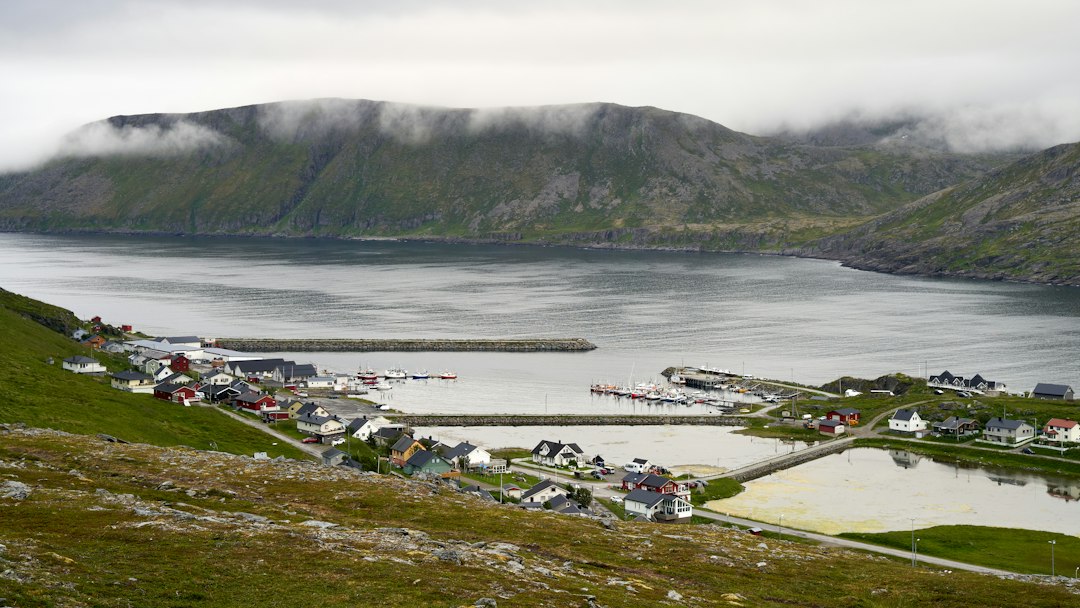
Norway’s extensive coastline, with its fjords, skerries, and open ocean access, provided a rich larder for Mesolithic fishers. The proximity to abundant marine life meant that coastal settlements often relied heavily on fish for sustenance. This marine exploitation was not a passive endeavor; it required active strategies to intercept migrating shoals, target specific species, and navigate the often-treacherous coastal waters. The ability to catch larger pelagic fish and a variety of demersal species was crucial for supporting growing populations and ensuring dietary diversity.
Net Fishing: A Community Endeavor
While direct evidence of nets from the Mesolithic is rare due to their perishable nature, the discovery of bone and antler net sinkers, and imprints on pottery, strongly suggests their widespread use. Net fishing, in its various forms, would have been a highly effective method for capturing significant quantities of fish, particularly schooling species like herring and mackerel. The construction of nets would have involved plant fibers, such as nettle or flax, meticulously woven into a mesh. The size of the mesh would have been tailored to the target species, preventing smaller fish from escaping while retaining larger ones.
Sinkers, often made from smooth stones or shaped bone, were attached to the bottom of the net to help it sink and maintain its shape in the water. Buoyancy could be achieved using pieces of wood or inflated animal bladders attached to the top of the net. Mesolithic communities likely employed different net configurations depending on the location and desired catch. Seine nets, dragged through the water by a team of people, would have been effective in shallower coastal waters or within fjords. Gill nets, set in place and relying on fish swimming into the mesh and becoming entangled, would have been used in areas with consistent water flow. The sheer effort and coordination required for seine netting suggest it was a communal activity, fostering social cohesion and shared resource management.
Spear Fishing: Precision and Patience
Spear fishing, both in shallow waters and from boats, would have been a vital technique for targeting individual fish. The archaeological record offers compelling evidence in the form of finely crafted bone and antler harpoons and fishing spears. These tools often featured barbed points designed to prevent the fish from escaping once impaled. The shafts, likely made of wood, would have been long enough to allow for a good reach and leverage.
Mesolithic spear fishers would have needed considerable skill, patience, and an intimate knowledge of fish behavior. They would have observed fish lurking in shallow areas, among seaweed beds, or in the clear waters of inlets. The ability to approach silently and strike with precision was paramount. For larger prey, such as seals or larger fish, harpoons with detachable points might have been used. The shaft would detach from the barbed head, allowing the prey to be tracked and eventually subdued with a line attached to the harpoon. This method offered a more direct and personalized way of acquiring food, allowing fishers to select specific individuals or species.
Angling: Early Forms of Hook and Line
While perhaps less visually dramatic than spear fishing or netting, the development of angling techniques using hooks and lines represents a significant advancement in Mesolithic fishing technology. Discoveries of bone and shell fishhooks, meticulously shaped and often with a sharpened point and an eye for attaching a line, provide tangible proof of this practice. The line itself would have been made from sinew, animal hair, or plant fibers.
The bait used would have been crucial for attracting fish. This could have included small invertebrates, pieces of other fish, or even worms. Mesolithic anglers would have likely fished from shorelines, rocky outcrops, or from small boats, casting their lines into deeper waters where larger fish might be found. The effectiveness of angling would have depended on understanding fish feeding habits, preferred locations, and the type of bait that proved most successful for different species. This method offered a more passive approach to fishing, allowing individuals to fish while engaged in other activities or to exploit areas inaccessible by other means.
Freshwater Fisheries: Rivers and Lakes as Food Sources
Beyond the rich coastal waters, Norway’s abundant inland lakes and extensive river systems provided crucial fishing grounds for Mesolithic communities. These freshwater environments supported a diverse array of fish, offering a reliable food source for groups who might not have been exclusively coastal dwellers. The techniques employed in freshwater fishing shared some similarities with marine methods but were often adapted to the specific characteristics of these environments, such as the flow of rivers or the depths of lakes.
Fish Traps: Ingenious Water Management
Fish traps represent one of the most ingenious and resource-efficient fishing techniques of the Mesolithic. These structures, often built within river channels or at the mouths of streams, were designed to funnel fish into a contained area from which escape was difficult or impossible. Archaeological evidence for traps includes the remnants of wooden stakes driven into the riverbed, forming V-shaped or funnel-shaped enclosures.
The principle behind these traps was to utilize natural water flow and fish migration patterns. Fish swimming upstream or downstream would be guided by the converging walls of the trap into a central chamber. Once inside, they could be easily harvested. The size and complexity of these traps would have varied depending on the size of the river or stream and the types of fish being targeted. Some traps might have been simple barriers with an opening, while others could have been elaborate constructions designed to trap fish during specific migratory periods. The construction and maintenance of fish traps would have required significant labor and coordination, further highlighting the communal aspect of Mesolithic subsistence.
Specialized Tools for Inland Waters
While many of the tools used for coastal fishing were also applicable in freshwater environments, some adaptations and specialized tools emerged. For instance, smaller, more finely crafted bone and antler hooks might have been used for targeting smaller freshwater species like perch and roach. The use of bone or stone gorges, simple pointed objects that would lodge sideways in the fish’s throat when swallowed, might also have been employed, particularly for smaller fish where a traditional hook and line might have been too cumbersome.
The development of canoes and small boats, likely fashioned from logs or animal hides stretched over wooden frames, would have greatly enhanced access to larger lakes and wider rivers, opening up new fishing grounds. These vessels would have allowed Mesolithic fishers to move to optimal locations for spearing, netting, or angling in deeper waters. The ability to travel and fish on these inland waterways was crucial for establishing year-round or semi-permanent settlements away from the immediate coast.
The Mesolithic period in Norway is marked by innovative fishing techniques that reflect the ingenuity of early human societies in adapting to their environment. These methods not only highlight the importance of fishing as a primary food source but also demonstrate the sophisticated understanding of aquatic ecosystems possessed by these ancient peoples. For a deeper exploration of ancient technologies and their significance, you can read the article on the lost power of ancient technology at this link.
Evidence from the Archaeological Record

The understanding of Mesolithic fishing techniques in Norway is primarily derived from the careful excavation and analysis of archaeological sites. While organic materials like wooden spears, fishing lines, and nets rarely survive the passage of millennia, the presence of their non-perishable components provides invaluable clues. Bone and antler artifacts, in particular, offer tangible evidence of the tools used.
Bone and Antler Artifacts: Tools of the Trade
The prevalence of worked bone and antler in Mesolithic Norwegian sites is a testament to their importance in everyday life, and fishing was no exception. Numerous fishhooks, crafted from animal bone, have been recovered. These hooks vary in size and design, with some featuring simple curved shanks and sharp points, while others have more elaborate carved eyes for attaching the fishing line.
Harpoons and spear points, made from the tines of deer antlers or the bones of larger mammals, are also common finds. These artifacts are often barbed, a crucial feature for ensuring a secure catch. The craftsmanship displayed in these tools speaks to the skill and knowledge of Mesolithic artisans. The selection of specific bone or antler, the careful shaping, and the deliberate addition of barbs all point to a deep understanding of the functional requirements of these fishing implements. The distribution of these artifacts across different sites also helps to reconstruct the extent of fishing activities and the types of environments exploited.
Environmental Archaeology: Reconstructing Past Ecosystems
Environmental archaeology plays a critical role in understanding the context of Mesolithic fishing. Analysis of preserved fish remains, often found in middens (waste heaps), provides direct evidence of the species being caught and consumed. The identification of fish bones, scales, and otoliths (ear stones) allows archaeologists to reconstruct the diet of Mesolithic communities and to infer the fishing methods likely used to obtain these specific fish. For example, the presence of large cod bones might suggest deep-water fishing or the use of potent lines and hooks, while smaller fish bones could indicate netting or angling in shallower waters.
Furthermore, studies of ancient pollen and sediment layers can reveal information about the wider environment, including water levels, vegetation, and the presence of migratory fish runs. This contextual information is vital for understanding seasonal fishing patterns and the availability of different fish species throughout the year. By combining evidence from artifacts with environmental data, researchers can create a more holistic picture of Mesolithic fishing practices and their significance for human survival.
The Importance of Fish in the Mesolithic Diet
Fish was not merely a supplementary food source for Mesolithic Norwegians; it was a cornerstone of their diet and a vital resource for their long-term survival and settlement patterns. The abundance of fish in Norway’s waters provided a reliable and highly nutritious food source, rich in protein, essential fatty acids, and vitamins.
Recent studies on Mesolithic fishing techniques in Norway have shed light on the innovative practices of ancient communities that thrived along the coastline. These techniques not only highlight the resourcefulness of early humans but also provide insights into their relationship with the environment. For a deeper understanding of how environmental factors can influence societal development, you might find it interesting to explore this article on the real reasons for civilization collapse due to environmental degradation. The link to the article can be found here.
Dietary Staples and Seasonal Abundance
The consistent availability of fish, particularly through various seasons, allowed Mesolithic communities to establish more stable settlements and reduce their reliance on the more unpredictable hunting of terrestrial game. Salmon and trout, with their predictable annual spawning runs, were particularly important. These runs provided a concentrated source of food that could be exploited intensively over a short period, allowing for the preservation and storage of fish through drying or smoking.
Coastal communities would have had access to a wider variety of marine species year-round, including cod, herring, mackerel, and flatfish. The fat content of many of these fish would have provided essential calories during the colder months. Inland communities would have focused on species like pike, perch, and various types of whitefish, which were abundant in lakes and rivers. The ability to successfully exploit both marine and freshwater resources provided a resilient food base, buffering against fluctuations in other food sources.
Preservation Techniques: Extending the Harvest
The Mesolithic period saw the development of early food preservation techniques, which were crucial for maximizing the utility of successful fishing expeditions. Drying and smoking were likely the most common methods employed for fish. Drying, often done in the sun or over a slow fire, removed moisture and inhibited spoilage. Smoking, in addition to preserving the fish, also imparted a desirable flavor. This allowed communities to store surplus fish, providing a vital food reserve for leaner times, particularly during the winter months when fishing might have been more challenging. The ability to preserve fish was a critical factor in enabling Mesolithic populations to develop more settled lifestyles and to support larger communities.
Innovation and Adaptation in Fishing Technologies
The Mesolithic era was a time of continuous innovation, driven by the need to exploit available resources effectively. Mesolithic Norwegian fishing technologies were not static but evolved in response to changing environmental conditions, increasing population densities, and the ongoing accumulation of knowledge.
Tool Refinement and Specialization
Over time, the tools used for fishing likely underwent refinement and specialization. For example, the size and shape of fishhooks might have been adapted to target specific species more effectively. The development of different types of net sinkers and floats could have improved the efficiency of net fishing in various water conditions. The careful observation of fish behavior would have informed the design of harpoons and spears, leading to features like optimized barb placement for maximum holding power.
The increasing reliance on fishing may also have spurred the development of specialized tools for fish processing, such as bone knives for gutting and scaling. While direct evidence of these processing tools from the Mesolithic is scarce, it is reasonable to infer their existence given the likely scale of fish consumption. This ongoing process of tool refinement and specialization demonstrates the adaptive capacity of Mesolithic communities.
The Role of Experimentation and Knowledge Transfer
The development of new fishing techniques and the improvement of existing ones would have been a continuous process of experimentation. Mesolithic fishers would have observed what worked and what didn’t, sharing this knowledge within their communities and potentially with neighboring groups. This intergenerational transfer of knowledge was crucial for maintaining and advancing fishing technology.
The effectiveness of Mesolithic fishing was not solely dependent on the tools themselves but also on the understanding of fish behavior, seasonal cycles, and the optimal locations and times for fishing. This accumulated ecological knowledge, passed down through generations, was as vital as any physical implement. The successful exploitation of Norway’s rich aquatic environments by Mesolithic peoples stands as a testament to their ingenuity, adaptability, and profound connection with the natural world. Their fishing techniques, honed over thousands of years, laid the groundwork for subsequent maritime traditions in the region.

The 7,000-Year-Old Secret Hidden Under a Lake
FAQs
What types of fishing techniques were used during the Mesolithic period in Norway?
During the Mesolithic period in Norway, people used various fishing techniques such as net fishing, spearfishing, and fish traps to catch fish for sustenance.
Were boats or watercrafts used for fishing during the Mesolithic period in Norway?
Yes, evidence suggests that boats or watercrafts were used for fishing during the Mesolithic period in Norway. These boats were likely small and made from materials such as wood or animal hides.
What kind of fish were commonly caught using Mesolithic fishing techniques in Norway?
Common fish species caught using Mesolithic fishing techniques in Norway included salmon, trout, cod, herring, and mackerel, among others.
How did Mesolithic people in Norway preserve their fish for future consumption?
Mesolithic people in Norway preserved their fish for future consumption by smoking, drying, or salting the fish. These methods helped extend the shelf life of the fish and made them suitable for storage.
Did Mesolithic fishing techniques in Norway play a significant role in the diet and survival of the people during that time?
Yes, Mesolithic fishing techniques in Norway played a crucial role in the diet and survival of the people during that time. Fish provided a valuable source of protein and nutrients, contributing to the overall health and well-being of the Mesolithic population.