## The Illusory Pristine: Mountains as Islands of Water
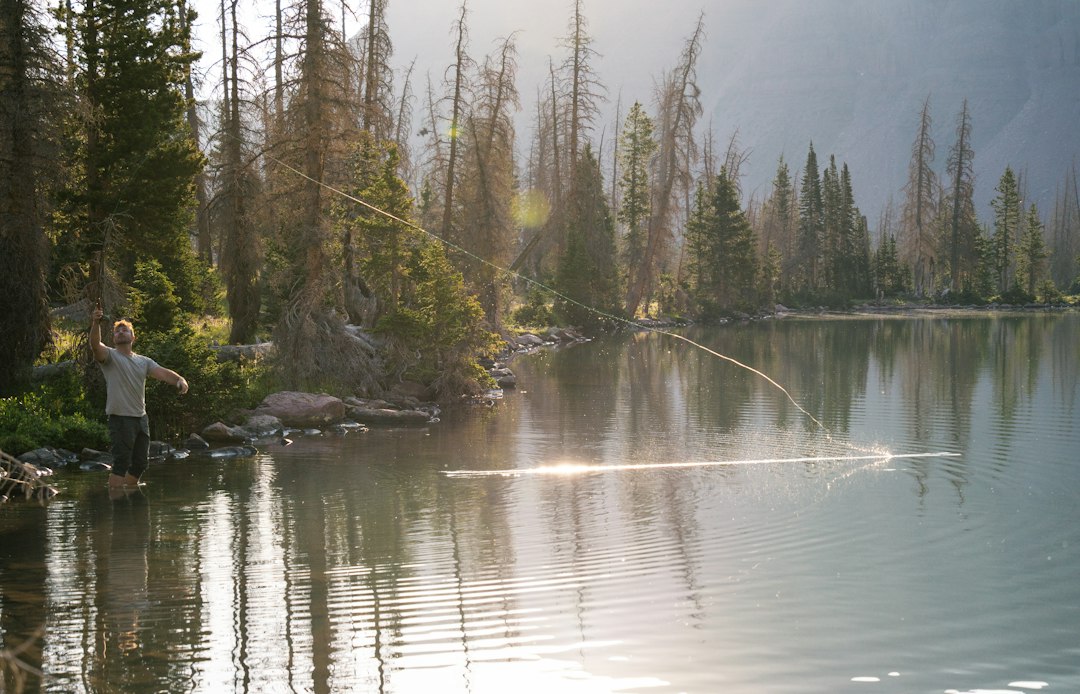
The image of a remote mountain lake, often conjured as an untouched sanctuary, frequently implies a naturally isolated and pristine aquatic environment. These bodies of water, nestled high in rugged landscapes, often appear as if they have always been there, teeming with life that evolved in splendid isolation. Yet, the presence of fish in many of these high-altitude lakes, particularly those far from any natural lowland connection, presents a compelling biological puzzle. How did these aquatic organisms, typically associated with rivers and larger bodies of water, come to inhabit such seemingly inaccessible environments? The answer lies not in spontaneous generation, but in a fascinating interplay of geological processes, ecological resilience, and, importantly, the interventions of both nature and humankind. The notion of a “virgin” mountain lake devoid of human influence is, in many cases, a misnomer. Understanding the origins of fish in these elevated aquatic realms requires delving into the deep history of Earth’s transformation and the persistent, often surprising, capabilities of both aquatic life and its dispersal agents.
These high-altitude lakes are, in a sense, biological islands. Like oceanic islands, they are geographically separated, and the ability of a species to colonize them depends entirely on its capacity to overcome the intervening land barriers. For fish, this is a significant challenge. Unlike birds or insects, they are tethered to aquatic environments. Their journey to a mountain lake is not a matter of flying or walking; it requires either a direct aquatic pathway or a remarkably effective method of transport. This inherent limitation makes the presence of fish in many alpine settings all the more intriguing, prompting a deeper investigation into the mechanisms that have facilitated their dispersal over vast distances and elevated terrains. The very existence of these ecosystems challenges simplistic notions of biogeography, revealing a more dynamic and interconnected world than might be initially apparent.
The fascinating question of how fish ended up in isolated mountain lakes has intrigued scientists and nature enthusiasts alike. Various theories suggest that fish may have been introduced through natural means, such as glacial melt or bird transport, or through human intervention. For those interested in exploring more about unexpected journeys and the interconnectedness of ecosystems, a related article discusses the broader implications of exploration and discovery in different contexts. You can read more about this topic in the article on Russia’s role in the new moon race at this link.
## Glacial Architects: Sculpting Landscapes and Seeding Waters
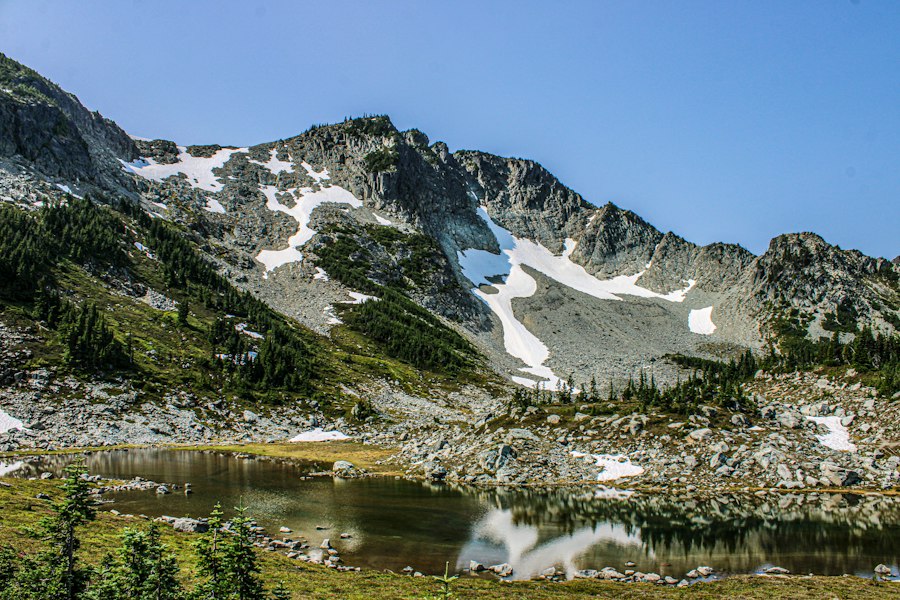
The most profound and widespread force shaping the mountain landscapes that hold these lakes, and consequently influencing fish distribution, is glaciation. During the Pleistocene epoch, vast ice sheets and alpine glaciers relentlessly carved and reshaped the Earth’s surface. As these colossal glaciers advanced and retreated over millennia, they dramatically altered topography, creating the very basins that would eventually fill with water to form lakes.
### The Scouring Power of Ice
Glacial ice, a powerful erosive agent, scraped away bedrock, gouged out valleys, and deposited massive amounts of debris. The characteristic U-shaped valleys and cirques common in mountainous regions are direct evidence of glacial activity. These processes not only created the physical depressions that hold water but also influenced drainage patterns, sometimes disconnecting previously connected river systems and isolating basins that would become perfect candidates for lake formation. The sheer erosive power of glaciers was capable of excavating basins far below the existing natural water table, creating opportunities for water to accumulate in areas that would otherwise remain dry.
### The Legacy of Moraines and Kettle Holes
As glaciers melted and receded, they left behind distinctive landforms. Moraines, ridges of rock and sediment deposited at the edges or terminus of a glacier, often acted as natural dams, impounding meltwater and forming proglacial lakes. Similarly, the melting of buried ice blocks within glacial till could create irregular depressions known as kettle holes. When these depressions filled with water, they formed small, often ephemeral, lakes. While many of these smaller water bodies may not sustain fish populations indefinitely, they represent critical stepping stones in the dispersal process and can serve as important nurseries for early life stages. The varied topography left by glacial retreat provided a mosaic of potential aquatic habitats, each with its own unique characteristics and opportunities for colonization.
### Post-Glacial Colonization Pathways
Following the retreat of the last ice sheets, meltwater rivers and streams began to establish new drainage networks. These dynamic waterways often served as initial colonizers, carrying aquatic organisms from lower elevations upwards as the environment became habitable again. In some cases, post-glacial rivers might have temporarily connected higher basins that are now isolated. As the landscape continued to stabilize and erode, these connections were severed, leaving isolated populations of fish in once-connected lakes. The interconnectedness of the post-glacial hydrological system, even if transient, was crucial for the initial seeding of these newly formed aquatic environments. The dynamic nature of meltwater systems meant that new pathways for dispersal were constantly opening and closing, offering windows of opportunity for colonization.
## Nature’s Navigators: The Role of Animals in Fish Dispersal
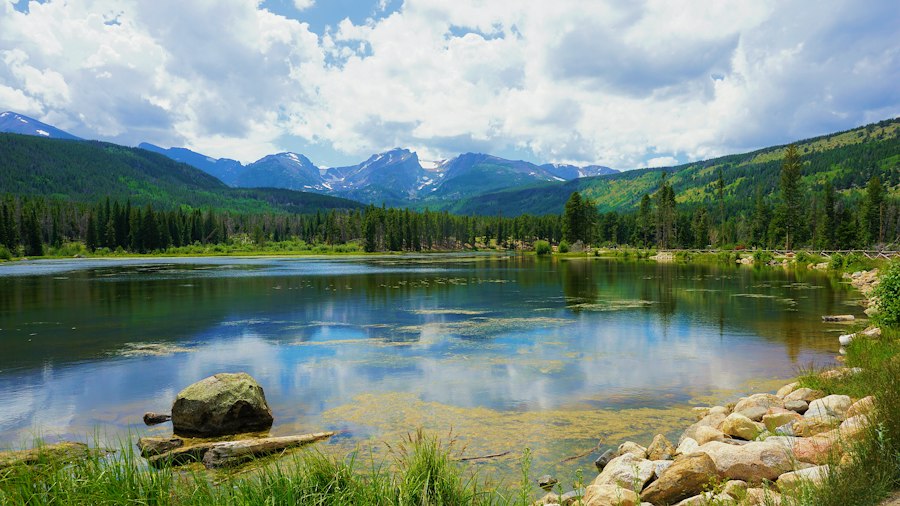
While geological forces create the physical habitats, the actual transport of fish, especially to isolated mountain lakes, often relies on the actions of other animals. These natural vectors play a critical, albeit often overlooked, role in bridging the land barriers that separate aquatic environments.
### Avian Assistants: Birds as Accidental Aquanauts
Birds, particularly migratory waterfowl like ducks and geese, are considered the most significant natural agents for dispersing fish eggs to isolated lakes. The process is surprisingly simple yet remarkably effective. Fish eggs, often sticky, can adhere to the feathers, feet, or even be ingested by waterfowl as they forage in shallow waters or consume vegetation from the lakebed. When these birds then fly to a different water body, potentially miles away and at a much higher elevation, they can inadvertently transport viable fish eggs. The buoyancy of the eggs, combined with the bird’s migratory journey, allows for inter-basin transfers that would otherwise be impossible for the fish themselves. Certain species of fish, with eggs that are more adherent or that have a higher tolerance for desiccation, are more likely to be dispersed in this manner.
### Mammalian Migrations: Fur and Fecal Routes
While less common than avian transport, some mammals can also play a role in fish dispersal. Otters, for instance, may carry fish between connected or semi-connected water bodies. More indirectly, animals that consume fish or vegetation from lakes can transport fish eggs or larvae in their digestive tracts. As with birds, these eggs can be viable after passing through the digestive system. Furthermore, mammals with thick fur, such as beavers or muskrats, can also inadvertently carry sticky fish eggs attached to their pelts as they move between aquatic environments. The sticky nature of some fish eggs makes them ideal candidates for hitching a ride on the fur of mammals.
### The Importance of Habitat Connectivity (Even Temporary)
It is crucial to emphasize that these natural dispersal mechanisms are most effective when there is some degree of habitat connectivity, even if it is temporary or indirect. A bird feeding in a lowland marsh and then flying to a mountain lake is more likely to succeed in dispersing eggs if there are intervening water bodies or wetlands that serve as staging grounds or refueling points. Similarly, mammals are more likely to transfer eggs between lakes if there are riparian corridors or connected waterways that facilitate their movement. The mosaic of landscapes, with its interplay of aquatic and terrestrial environments, creates opportunities for these vectors to operate.
## Human Intervention: Intentional Introductions and Accidental Transfers
While nature has its own methods of dispersal, a significant portion of fish populations in many mountain lakes owe their existence to human activity, both intentional and unintentional. Historically, humans have viewed these pristine environments as ideal for stocking, often for sport fishing.
### The Era of Anglers: Stocking for Sport
Anglers and fisheries management agencies have, for over a century, actively introduced fish species into mountain lakes. The motivation was primarily to create opportunities for recreational fishing in areas where fish populations were naturally absent or scarce. This was often achieved by netting fish from established populations in lower elevation rivers or hatcheries and transporting them, along with their eggs or fry, to high-altitude lakes. The practice, while providing economic and recreational benefits, dramatically altered the natural biogeography of these ecosystems, introducing species that might not have naturally colonized them. The selection of species for stocking was often based on their suitability for sport fishing, leading to the prevalence of trout and salmonids in many alpine lakes.
### The Methods of Transport: From Buckets to Planes
The methods of transporting fish for stocking have evolved over time. Early efforts often involved carrying fish in buckets or containers. With the advent of motorized transport and eventually aircraft, the scale and efficiency of stocking operations increased dramatically. Helicopters became particularly important for accessing remote and difficult-to-reach mountain lakes, allowing for the aerial dispersal of fish fry or eggs. This capability meant that even the most isolated basins could be readily stocked, leading to a widespread distribution of introduced species.
### Unintended Consequences: Invasive Species and Ecosystem Disruption
The intentional introduction of fish has not been without its drawbacks. In many cases, introduced species have become invasive, outcompeting or preying upon native species that may have been present, or that were later introduced. This can lead to a decline or even extinction of native fish populations, disrupting the delicate ecological balance of the lake ecosystem. Furthermore, some introduced species may not be well-adapted to the environment, leading to unsustainable populations or the introduction of diseases. The concept of a “native” fish population in a mountain lake can be complex, as many species now found there were not historically present.
The fascinating question of how fish ended up in remote mountain lakes has intrigued scientists and nature enthusiasts alike for years. Various theories suggest that fish may have been introduced to these isolated bodies of water by natural means, such as birds transporting eggs or through glacial meltwater. For those interested in exploring more about the mysteries of nature and its hidden stories, you might find this article on the lore of the Elder Scrolls particularly captivating, as it delves into the rich history and mythology of a fictional universe that often mirrors real-world mysteries. You can read more about it here.
## The Ice Age Relicts: Survival Through Isolation
| Method | Description | Examples | Impact on Ecosystem |
|---|---|---|---|
| Natural Colonization | Fish migrate through connected waterways or during flooding events. | Salmon migrating upstream, trout moving through streams. | Maintains natural biodiversity and ecosystem balance. |
| Bird Transport | Fish eggs or larvae attach to birds’ feet or feathers and are transported to isolated lakes. | Eggs of small fish species transported by waterfowl. | Rare but can introduce new species, affecting native populations. |
| Human Introduction | Intentional stocking for fishing or accidental release from aquaculture. | Stocking trout or bass in mountain lakes for recreational fishing. | Can disrupt native species and alter food webs. |
| Glacial Relics | Fish populations trapped in lakes formed by retreating glaciers. | Arctic char in alpine lakes. | Supports unique, isolated populations with high conservation value. |
In some rare and fascinating instances, fish populations found in mountain lakes might be remnants of Ice Age ecosystems. These “refugia” are areas where conditions remained suitable for aquatic life to survive throughout glacial periods, even when much of the surrounding landscape was inhospitable.
### Ancient Lakes and Enduring Populations
During glacial periods, the vast ice sheets often blocked drainage, creating large proglacial lakes that extended over wide areas. Some of these ancient lakes, particularly in areas that experienced less severe glaciation or where refugia existed, may have persisted or reformed as the ice retreated. Fish populations that were established in these precursor lakes might have survived in isolation as the glaciers receded and the landscape changed. These populations, cut off from lowland gene pools, can represent unique evolutionary lineages.
### Adapting to Elevated Extremes
Fish that survived in these isolated mountain refugia had to be highly resilient and adaptable. They likely possessed traits that allowed them to tolerate a wider range of temperatures, lower oxygen levels, and limited food resources often characteristic of alpine environments. Over thousands of years of isolation, these populations may have evolved distinct characteristics that differentiate them from their lowland relatives, becoming genetically unique “mountain ecotypes.” This isolation allows for localized adaptation and divergence, leading to novel genetic and phenotypic variations.
### Scientific Significance of Relict Populations
The study of these relict fish populations is of immense scientific importance. They provide invaluable insights into the biogeographical history of a region, the adaptive capacities of species, and the long-term effects of glaciation on aquatic ecosystems. Understanding these ancient lineages helps scientists reconstruct past environments and predict how species might respond to future environmental changes. They serve as living archives of Earth’s past, offering clues to ecological processes that have shaped life on our planet.
The fascinating question of how fish ended up in isolated mountain lakes has intrigued scientists and nature enthusiasts alike. Various theories suggest that fish may have been transported by birds, carried in the water of melting glaciers, or introduced by humans for recreational fishing. For a deeper dive into the mysteries of nature and ancient engineering, you might find this article on Puma Punku and the precision of its cuts particularly interesting. It explores how ancient civilizations interacted with their environments, much like the way fish adapted to their new mountain habitats. To read more about this, check out the article here.
## Modern Challenges and Future Outlook: Conservation in a Changing World
The presence and survival of fish in mountain lakes are increasingly influenced by modern environmental changes and ongoing conservation efforts. Understanding these dynamics is crucial for ensuring the future health of these unique ecosystems.
### Climate Change Impacts on Alpine Lakes
Climate change poses a significant threat to mountain lakes and their inhabitants. Rising temperatures can lead to altered ice-out dates, reduced snowpack, and increased evaporation, impacting water levels and the availability of suitable habitat. Warmer water temperatures can also stress cold-water adapted fish species, such as trout, and favor the proliferation of invasive species. Changes in precipitation patterns can lead to more extreme flood and drought events, further destabilizing these fragile ecosystems.
### The Evolving Role of Fisheries Management
Fisheries management in mountain lakes is becoming increasingly complex. While historical stocking practices have established many populations, there is a growing recognition of the need for more ecologically sound approaches. This includes a focus on managing invasive species, restoring degraded habitats, and, in some cases, re-evaluating or ceasing stocking programs where they may be detrimental to native or naturally established populations. The emphasis is shifting towards understanding the natural ecological processes at play and supporting the resilience of these systems.
### Balancing Recreation and Conservation
Balancing the demands of recreational use, particularly sport fishing, with the imperative of conservation is a constant challenge. Effective management strategies require careful consideration of the ecological impacts of fishing practices, such as catch-and-release regulations and bag limits, and the potential introduction of non-native pathogens or parasites through contaminated gear. Education and outreach are vital in fostering a sense of stewardship among anglers and the broader public, promoting responsible enjoyment of these valuable natural resources. The long-term viability of fish populations in mountain lakes depends on a concerted effort to understand and protect their delicate ecological balance from the myriad pressures of a rapidly changing world.

The 7,000-Year-Old Secret Hidden Under a Lake
FAQs
1. How did fish get into mountain lakes?
Fish were introduced into mountain lakes through various means, including natural processes like flooding, birds carrying fish eggs, and human activities such as stocking for recreational fishing.
2. Can fish naturally migrate to mountain lakes?
Yes, fish can naturally migrate to mountain lakes through rivers, streams, and other waterways that connect to the lakes. This migration can occur over long periods of time and is influenced by factors like water levels and barriers.
3. What role do birds play in introducing fish to mountain lakes?
Birds can carry fish eggs on their feathers, feet, or beaks from one body of water to another, including mountain lakes. This accidental transportation of fish eggs by birds is known as “biotic dispersal” and can contribute to the introduction of fish into new habitats.
4. How do humans contribute to the presence of fish in mountain lakes?
Humans play a significant role in introducing fish to mountain lakes by stocking them for recreational fishing purposes. Fish stocking involves releasing fish into lakes and other bodies of water to establish or enhance fish populations for fishing activities.
5. What are some challenges associated with introducing fish into mountain lakes?
Introducing fish into mountain lakes can disrupt the existing ecosystem and native species, leading to competition for resources, predation, and habitat degradation. It is essential to consider the potential impacts of fish introductions on the environment before undertaking such activities.