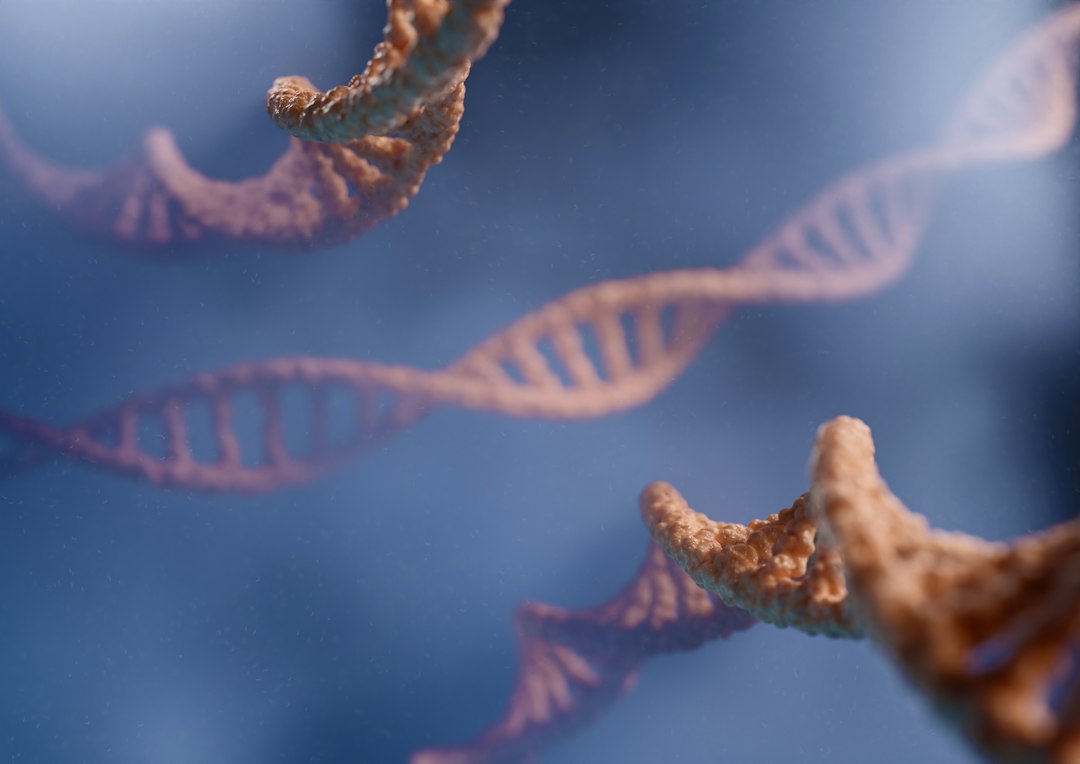
Genetic genealogy has revolutionized the way individuals explore their family history. For centuries, people relied on birth certificates, marriage licenses, census records, and oral traditions to piece together their lineage. While these traditional methods remain invaluable, the advent of DNA testing has introduced a powerful new layer of discovery, allowing individuals to confirm or uncover familial relationships and ancestry links with remarkable accuracy. This field bridges the gap between historical research and scientific inquiry, offering a tangible and personal connection to the past.
The Science Behind the Connection
At its core, genetic genealogy leverages the inherent inheritance of DNA to trace family lines. Every individual receives a unique combination of DNA from their biological parents, who in turn inherited it from their parents, and so on, stretching back through generations. By analyzing specific markers within this DNA, genetic genealogy services can identify shared genetic material between individuals, thus inferring a degree of relatedness.
Understanding DNA Inheritance
The human genome is organized into chromosomes, which are found in the nucleus of our cells. We inherit 23 chromosomes from our mother and 23 from our father, totaling 46 chromosomes. These chromosomes carry our genes, the blueprints for our traits. However, for the purposes of genetic genealogy, the most relevant types of DNA are autosomal DNA, mitochondrial DNA (mtDNA), and Y-chromosome DNA (Y-DNA).
Autosomal DNA is inherited from both parents and all ancestors. It constitutes the vast majority of our DNA and is the primary tool for determining ethnicity estimates and identifying close relatives. Because we inherit approximately 50% of our autosomal DNA from each parent, this type of DNA is excellent for tracing recent ancestry, typically within the last five to seven generations. The amount of shared autosomal DNA decreases with each generation removed, but even distant cousins can share small, detectable segments.
Mitochondrial DNA, on the other hand, is inherited exclusively from the mother. It resides in the mitochondria, the energy-producing organelles outside the cell nucleus. mtDNA has a much slower mutation rate than autosomal DNA, making it useful for tracing ancient maternal lineages. Because only females pass on mtDNA, both males and females can be tested for their maternal line.
Y-chromosome DNA is passed down from father to son. Men have one Y chromosome, while women have two X chromosomes. This makes Y-DNA invaluable for tracing paternal ancestry. Only males can be tested for their Y-DNA, allowing them to explore their direct paternal line. Like mtDNA, Y-DNA mutations occur at a relatively slow pace, enabling the tracing of deep paternal lineages.
Types of DNA Tests and What They Reveal
Genetic genealogy companies offer different types of DNA tests, each designed to provide specific insights into ancestry. The most common is the autosomal DNA test, which is offered by most major providers. This test analyzes hundreds of thousands of single nucleotide polymorphisms (SNPs) across the autosomal chromosomes. The results are used to calculate the percentage of DNA shared with other individuals in the company’s database, revealing potential relatives. Additionally, autosomal DNA is used to estimate a person’s ethnic or ancestral origins by comparing their genetic makeup to reference populations from around the world.
Mitochondrial DNA tests are also available, though they are less common for general genealogy. These tests focus on specific regions within the mtDNA molecule that are prone to mutation. By analyzing these mutations, researchers can determine a person’s maternal haplogroup, which represents a migratory path of their maternal ancestors over tens of thousands of years.
Y-chromosome DNA tests are specifically for males and are used to determine a paternal haplogroup and identify paternal relatives. The Y-chromosome also has specific regions that are analyzed for mutations. This test is particularly useful for men seeking to trace their direct paternal line back through history and connect with other men who share the same Y-DNA signature.
Genetic genealogy has revolutionized the way we trace our ancestry, allowing individuals to uncover their familial connections through DNA testing. This innovative approach not only helps in building family trees but also provides insights into historical migrations and relationships between different populations. For instance, an intriguing article titled “Uncovering the Source Documents of the Piri Reis Map” explores how historical documents and maps can reveal the interconnectedness of cultures, much like genetic genealogy does for individuals today. You can read more about this fascinating intersection of history and genealogy in the article here: Uncovering the Source Documents of the Piri Reis Map.
Uncovering Family Connections Through DNA Matching

One of the most exciting aspects of genetic genealogy is the ability to connect with living relatives, some of whom may be previously unknown. DNA testing services maintain vast databases of anonymized genetic profiles, and when two individuals share a significant amount of DNA, they are flagged as potential matches.
Interpreting DNA Matches
When a DNA test result is returned, it typically includes a list of “matches” – other individuals in the database who share a detectable amount of DNA. The key to interpreting these matches lies in understanding the amount of DNA shared and the estimated relationship. Genetic genealogy companies provide tools to help users navigate these matches, often estimating the likelihood of various relationships based on the shared DNA.
For instance, sharing a large amount of DNA (e.g., over 1700 centimorgans, or cM) often indicates a very close relationship, such as a sibling, parent, or child. As the amount of shared DNA decreases, the estimated relationship becomes more distant, such as a first cousin, second cousin, or even a more distant relation. It’s important to note that these are estimations, and corroborating historical research is often necessary to confirm the exact relationship.
Building Pedigrees and Verifying Ancestors
DNA matches can be invaluable for building and verifying family trees. If a DNA match indicates a close relationship, and the match has a public or shared family tree, it can provide new branches or confirm existing ones in your own tree. This is particularly helpful when traditional records are scarce, incomplete, or difficult to access. For example, if you have an unknown great-grandparent, and you match with someone who lists that same individual in their family tree, it’s a strong indication that you’ve found a connection.
Furthermore, DNA matches can help to resolve genealogical brick walls. These are points in a family tree where research stalls due to a lack of information. A new relative identified through DNA might possess unique family heirlooms, stories, or documents that can shed light on the missing ancestor. Conversely, if you have a completed family tree, DNA matches can help you identify which branches of your tree are represented in your genetic makeup.
Genetic genealogy has become a powerful tool in uncovering ancestral connections and solving historical mysteries. For instance, the recent article on decoding the Piri Reis map highlights how genetic evidence can complement historical records to reveal the truth behind ancient explorations. By analyzing genetic markers, researchers can trace lineage and establish relationships that were previously unknown, shedding light on the interactions between different cultures. This fascinating intersection of genetics and history is explored further in the article, which you can read here.
Utilizing Shared DNA and Ethnicity Estimates
The raw data from DNA tests can also be used with third-party tools to gain further insights. Many websites allow users to upload their raw DNA data and analyze it in more detail. These tools can help to identify specific DNA segments shared with matches, which can sometimes pinpoint the common ancestor or ancestral line. This is a more advanced technique, often employed by experienced genealogists.
Ethnicity estimates, while not proving direct familial connections in the same way as matches, offer a broad overview of ancestral origins. By comparing a person’s DNA to reference populations from different regions, companies can provide percentages of ancestry from various parts of the world. While these estimates are not always precise and can vary slightly between testing companies, they offer a fascinating glimpse into the migratory history of one’s ancestors and can sometimes lead to discoveries about less-documented branches of the family tree.
Navigating Privacy and Ethical Considerations
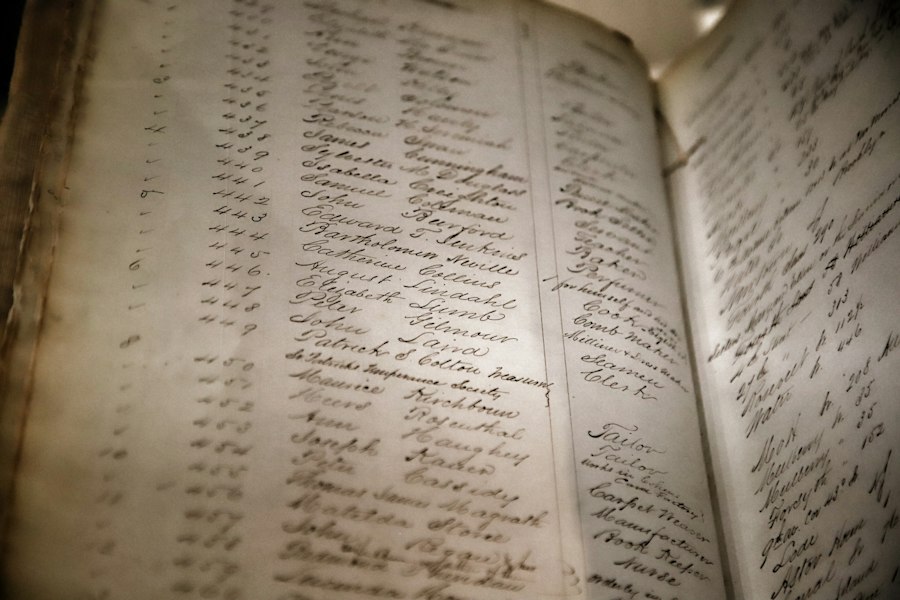
As with any technology that deals with personal information, genetic genealogy raises important privacy and ethical questions. Understanding these aspects is crucial for individuals before and during their genetic exploration.
Data Security and Privacy Policies
When submitting a DNA sample, individuals are entrusting a significant piece of their genetic identity to a private company. It is imperative to carefully review the privacy policies of any genetic genealogy service before testing. These policies outline how the company will store, use, and potentially share your DNA data.
Key concerns include whether the company sells or shares your raw DNA data with third parties, such as pharmaceutical companies or law enforcement agencies, without your explicit consent. Some companies may anonymize data for research purposes, but the definition of “anonymized” can vary. Understanding the terms of service and data handling practices is essential to making an informed decision about participation.
Consent and Family Dynamics
Genetic genealogy can have profound implications for family dynamics, especially when it reveals unexpected relationships or discrepancies in family narratives. For example, a DNA test might reveal that someone believed to be a biological father is not, or it could uncover previously unknown half-siblings or full siblings.
Before undergoing testing, it’s advisable to consider how the results might impact family relationships. If you are testing your own DNA, you are in control of what you discover. However, if you are testing a family member, it’s important to have a conversation about potential outcomes and to respect their privacy and autonomy. For children, parental consent is typically required, and the ethical considerations are even more nuanced.
Genetic Surveillance and Law Enforcement Access
The use of genetic databases by law enforcement agencies is a growing concern. Some companies may cooperate with law enforcement requests for DNA data, either through direct warrants or by allowing the submission of unidentified DNA profiles from crime scenes to search their databases for potential familial leads. This practice has led to the identification of suspects in cold cases, but it also raises questions about the potential for increased surveillance and the implications for privacy. Individuals should be aware of the possibility that their DNA data, even if submitted for genealogical purposes, could potentially be accessed by law enforcement.
Advanced Techniques and the Future of Genetic Genealogy
The field of genetic genealogy is continuously evolving, with new technologies and analytical methods emerging regularly. These advancements are pushing the boundaries of what is possible in tracing ancestry and understanding our genetic heritage.
Utilizing Raw DNA Data and Third-Party Tools
As mentioned previously, raw DNA data obtained from testing companies can be uploaded to various third-party platforms. These platforms offer more sophisticated tools for analyzing DNA matches, such as segment triangulation, which helps to identify which common ancestor is responsible for a shared DNA segment. Tools like GEDmatch, FTDNA’s Discover, and others allow users to compare their DNA with individuals tested by different companies, greatly expanding the pool of potential matches. These tools require a more technical understanding but can unlock deeper genealogical insights.
DNA Phenotyping and Ancestral Reconstruction
A more cutting-edge area within genetic genealogy is DNA phenotyping. This involves using genetic markers to predict physical traits like eye color, hair color, and even facial features. While still in its early stages, DNA phenotyping could potentially help researchers visualize what their ancestors might have looked like, offering a visual dimension to ancestral reconstruction. Furthermore, advancements in ancestral DNA reconstruction aim to piece together the genetic makeup of ancient populations, providing a macro-level understanding of human migration and evolution.
The Role of DNA in Historical Research and Anthropology
Genetic genealogy is increasingly being integrated into historical research and anthropological studies. By analyzing DNA from ancient human remains, scientists can gain unprecedented insights into migration patterns, population movements
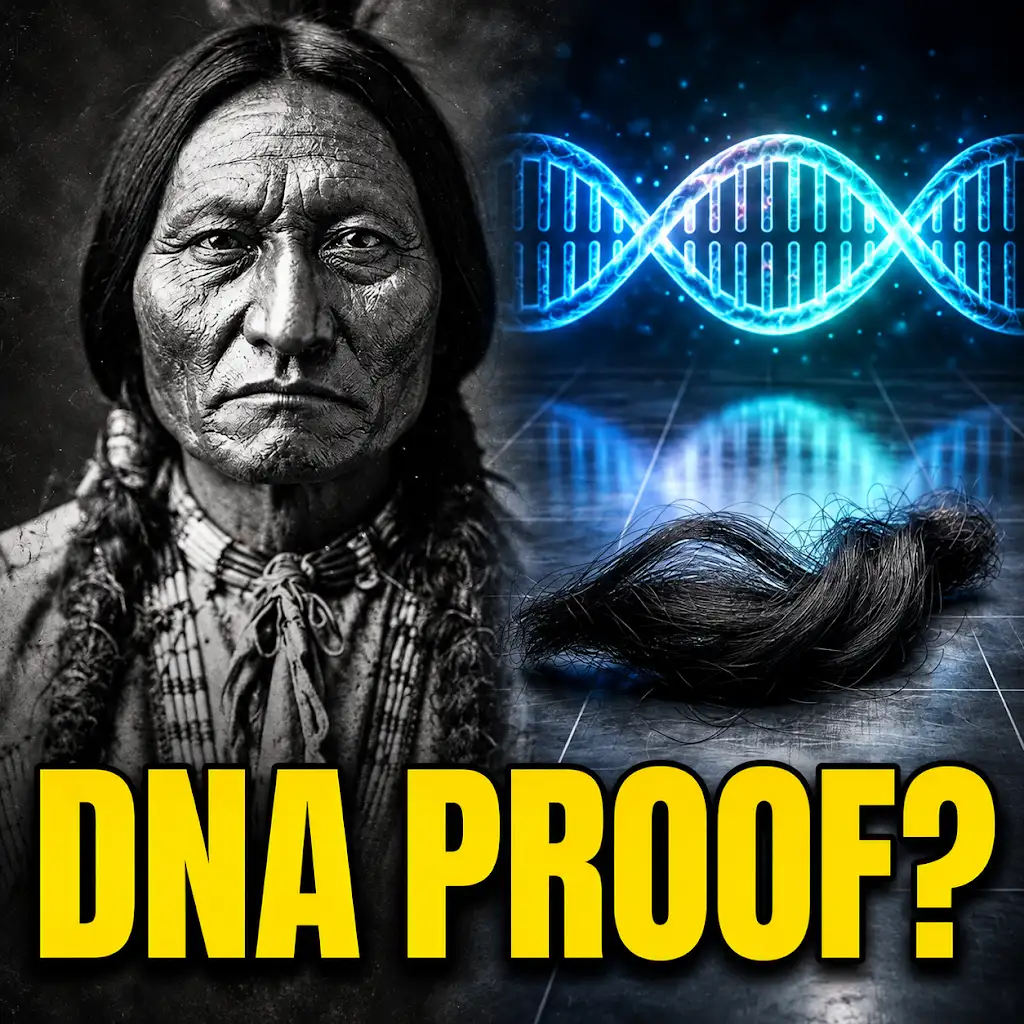
The Sitting Bull DNA Test: What Did It Actually Prove?
FAQs
What is genetic genealogy?
Genetic genealogy is the use of DNA testing in combination with traditional genealogical and historical records to infer relationships between individuals and determine ancestry.
How can genetic genealogy help in tracing family history?
Genetic genealogy can help in tracing family history by providing information about an individual’s ethnic origins, connecting with distant relatives, and confirming or disproving existing genealogical research.
What can genetic genealogy prove about an individual’s ancestry?
Genetic genealogy can prove an individual’s ancestral origins, migration patterns of their ancestors, and connections to specific ethnic groups or populations around the world.
Can genetic genealogy determine specific relationships between individuals?
Genetic genealogy can determine specific relationships between individuals such as parent-child, sibling, cousin relationships, and can identify common ancestors shared between individuals.
Is genetic genealogy always accurate in determining ancestry?
While genetic genealogy can provide valuable insights into ancestry, it is not always 100% accurate due to factors such as genetic mutations, incomplete databases, and limitations in interpreting DNA results.