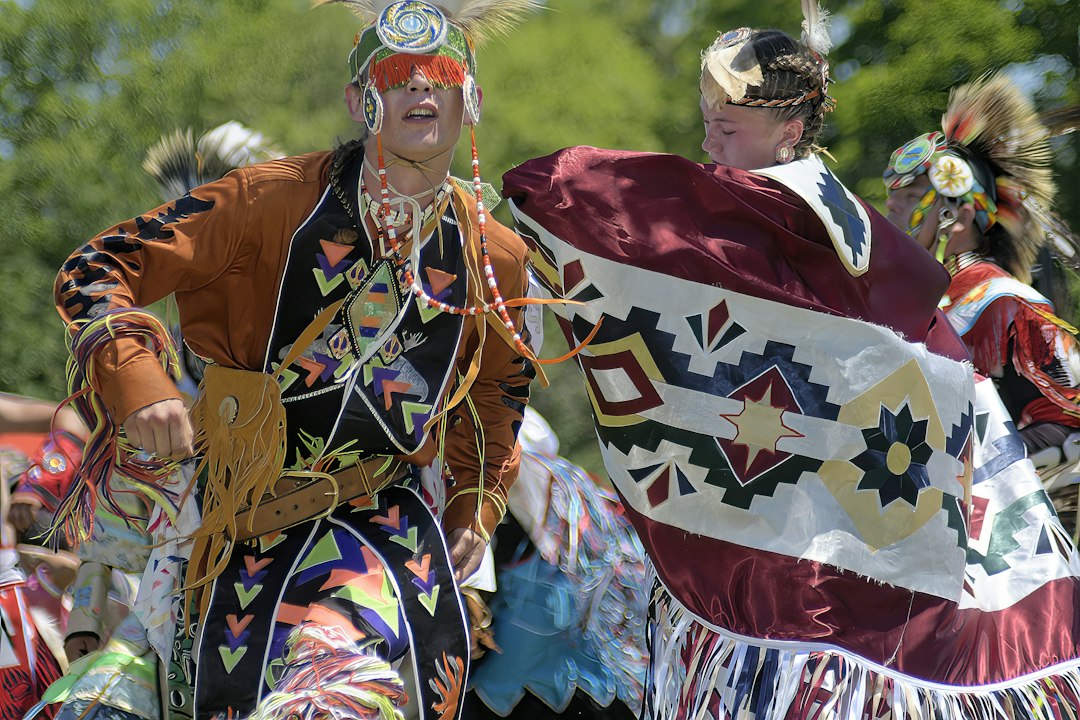
The intricate tapestry of Native American identity is woven from threads of history, culture, spirituality, and ancestral lineage. For centuries, this rich heritage was primarily understood and transmitted through oral traditions, familial stories, and community practices. However, in recent decades, the advent of advanced DNA testing has introduced a powerful new dimension to this exploration, offering individuals a scientific lens through which to examine their ancestry and connect with their heritage in unprecedented ways. This exploration is not merely a scientific endeavor; it is a deeply personal and often profound journey for many Native Americans, touching upon questions of belonging, cultural preservation, and the very definition of identity in the modern world.
Unraveling the Genetic Threads of Indigenous Peoples
The story of human migration is a long and complex one, and the genetic landscape of the Americas is a testament to this ancient journey. Scientists have long sought to understand the origins of Native American populations, employing various methods to trace the initial peopling of the continents. While archeological and linguistic evidence provided crucial insights, the advent of molecular genetics offered a more direct and detailed approach to deciphering these ancestral pathways. DNA, with its remarkable ability to carry and preserve information across generations, has become an invaluable tool in this scientific endeavor.
The Science Behind Ancestry Testing
At its core, DNA ancestry testing analyzes specific regions of an individual’s genome, primarily the Y-chromosome (passed down from father to son) and mitochondrial DNA (inherited from the mother). These markers, often referred to as haplogroups, are relatively stable and can be traced back thousands of years. By comparing an individual’s genetic markers to extensive databases of known populations, testing companies can identify patterns that are characteristic of certain ancestral groups. For Native American populations, this involves identifying haplogroups that are predominantly found in indigenous peoples of the Americas, often distinguishing them from other global populations.
Geographic Origins and Migratory Patterns
The genetic data collected from DNA testing has significantly contributed to our understanding of the migratory routes and settlement patterns of early indigenous peoples in North America. Studies have shown distinct genetic signatures that correlate with geographical regions, suggesting ancient divisions and movements across the continent. For instance, certain haplogroups are more prevalent in the Arctic regions, while others are concentrated in the Southwest or the Eastern Woodlands. These genetic findings often align with and enrich the narratives passed down through oral histories, providing a scientific validation of ancestral knowledge. The testing can pinpoint geographical regions where an individual’s ancestors are most likely to have originated, offering a tangible link to specific ancestral homelands.
The Complexity of Tribal Affiliation
It is crucial to understand that DNA testing, particularly direct-to-consumer ancestry tests, is not a definitive tool for establishing tribal affiliation. While it can indicate indigenous American ancestry, it typically cannot identify membership in a specific federally recognized tribe. Tribal membership is usually determined by a tribe’s own enrollment criteria, which often involve lineal descent from enrolled members and adherence to specific cultural or residency requirements. Therefore, a genetic test indicating Native American ancestry does not automatically grant membership to any particular tribe. This distinction is vital to avoid misinterpretations and to respect the sovereignty and self-determination of individual tribal nations.
The intersection of DNA testing and Native American identity is a complex and often contentious topic, as many individuals seek to understand their heritage through genetic analysis. A related article that delves into the implications of such testing on identity and community is available at this link. It explores how genetic data can influence personal and collective identities, particularly among Indigenous populations, and raises important questions about authenticity and belonging in the context of modern society.
Reconnecting with Roots: The Personal Impact of Genetic Discovery
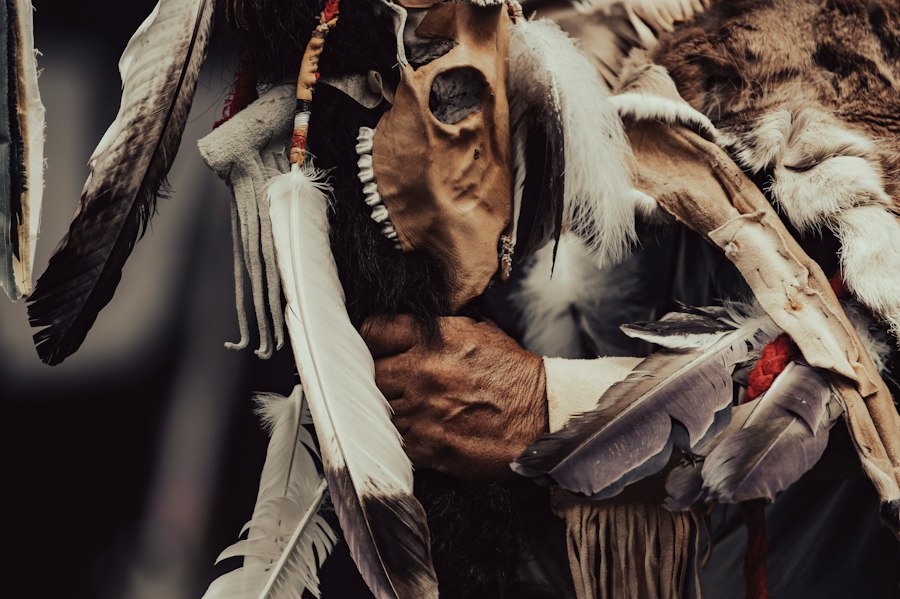
For many Native Americans, the decision to undergo DNA ancestry testing is driven by a deep-seated desire to connect with their heritage, particularly for those who may have lost touch with their ancestral roots due to historical disruptions like forced assimilation policies and the residential school system. The results of these tests can be profoundly moving, offering a sense of validation and a renewed connection to a lineage that may have felt distant or uncertain.
Bridging Generational Gaps and Lost Histories
In cases where families have experienced a rupture in their oral traditions or where historical records are incomplete, DNA testing can act as a bridge, offering concrete evidence of indigenous ancestry. This can be particularly impactful for individuals who grew up with fragmented stories or who were unaware of their Native American heritage. Discovering this connection can lead to a powerful sense of belonging and a motivation to learn more about the cultural practices, languages, and histories of their ancestors. It can spark conversations within families that may have been avoided or forgotten, fostering a deeper understanding and appreciation for their collective past.
The Emotional Resonance of Genetic Findings
The emotional impact of discovering Native American ancestry through DNA can be immense. For some, it is a joyous affirmation of identity, a confirmation of stories they have always suspected or hoped to be true. For others, it may bring a sense of sorrow or a yearning to understand the circumstances that led to the severing of ancestral ties. The results can evoke a complex range of emotions, including pride, curiosity, a sense of loss, and a desire to actively reclaim and celebrate their heritage. This emotional journey is a significant aspect of the role DNA plays in the modern Native American identity.
The Role of DNA in Cultural Revitalization
While DNA testing itself does not revive a culture, the knowledge it imparts can serve as a catalyst for cultural revitalization. Individuals who discover or confirm their indigenous ancestry may be inspired to learn traditional languages, participate in cultural ceremonies, engage with tribal communities, and advocate for the preservation of their ancestral lands and traditions. This personal journey of discovery can ripple outward, contributing to a broader movement of cultural renewal and strengthening the collective identity of indigenous peoples. It can empower individuals to become active participants in safeguarding their heritage for future generations.
Navigating the Ethical Landscape of Genetic Ancestry
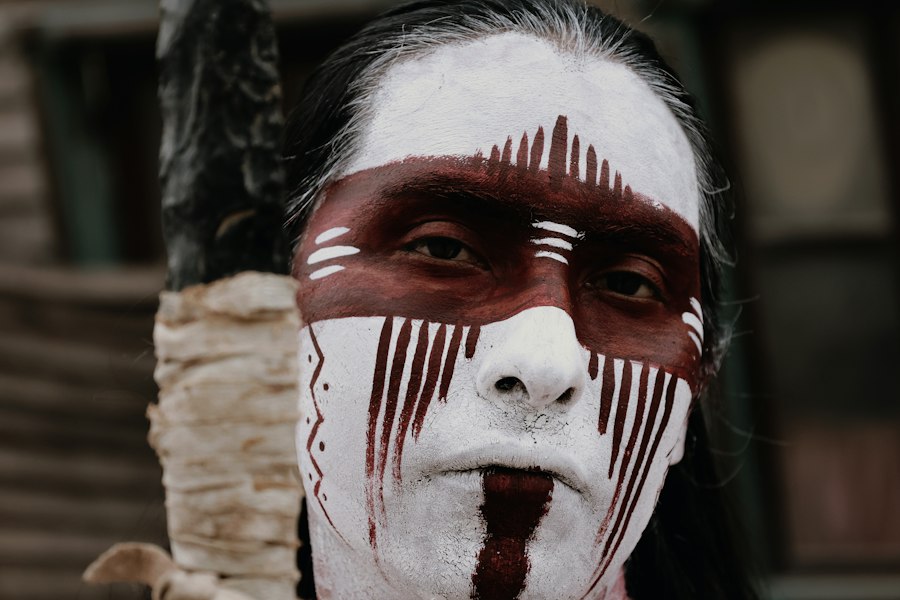
The burgeoning field of genetic ancestry testing, while offering unprecedented insights, also presents a complex ethical landscape that Native American communities have had to navigate carefully. Questions surrounding data ownership, privacy, the potential for misuse of genetic information, and the very definition of what constitutes “Native American” ancestry are paramount considerations.
Data Privacy and Security Concerns
A significant ethical concern for all users of DNA ancestry services, including Native Americans, is the privacy and security of their genetic data. Companies collect vast amounts of sensitive information, and there are ongoing debates about how this data is stored, protected, and potentially shared with third parties, including law enforcement agencies or commercial entities. For Native American communities, who have historically faced exploitation and marginalization, the safeguarding of their genetic information is a particularly sensitive issue, demanding robust privacy protections and transparent data handling practices.
The Commodification of Heritage
Another ethical consideration is the potential for the commodification of cultural heritage. When ancestral DNA becomes a product to be bought and sold, there is a risk that the deep spiritual and cultural significance of ancestry can be reduced to mere data points. This can lead to a superficial understanding of identity, divorced from the lived experiences, responsibilities, and relationships that define Native American cultures. It is important to ensure that genetic exploration remains a tool for understanding and connection, rather than a means of commercial exploitation.
Respecting Tribal Sovereignty and Self-Determination
The ethical implications of DNA testing are inextricably linked to the principles of tribal sovereignty and self-determination. Federally recognized tribes have the inherent right to determine their own membership and to govern their own affairs. External entities, including commercial DNA testing companies, must respect these rights and avoid making pronouncements or providing services that could undermine tribal authority or mislead individuals about their tribal status. Engaging with tribes, seeking their guidance, and adhering to their protocols are essential for ethical genetic research involving indigenous populations.
DNA as a Tool, Not a Determinant, of Identity
It is crucial to reiterate that DNA ancestry testing should be viewed as one tool among many for understanding Native American identity. While it can provide valuable genetic insights into ancestral origins, it cannot fully encapsulate the multifaceted nature of being Native American. Identity is a dynamic construct shaped by culture, language, community, lived experiences, and personal beliefs.
The Supremacy of Cultural and Community Belonging
For most Native Americans, cultural practices, language, community involvement, and a sense of belonging within a tribe or indigenous nation are the primary determinants of identity. While genetic heritage is undeniably important, it is the active participation in and transmission of cultural knowledge that truly defines one’s connection to their people. A genetic link to indigenous ancestry, without engagement with the culture, may not translate into a felt sense of belonging. Conversely, individuals who may have lower percentages of identified indigenous DNA can still identify strongly with their Native American heritage through their cultural upbringing and community ties.
Language, Traditions, and Spirituality
The preservation and revitalization of indigenous languages are often seen as central to Native American identity. Similarly, the adherence to traditional ceremonies, spiritual beliefs, and customary laws are profound markers of belonging. These elements of cultural heritage carry the wisdom, values, and worldview of ancestral generations, providing a living connection to the past and a framework for the present and future. DNA can confirm a biological link, but it is through these cultural expressions that identity is truly lived and perpetuated.
The Evolving Nature of Identity
Native American identity is not static; it is fluid and adaptive, evolving in response to historical challenges and contemporary realities. The concept of “pan-Indianism,” for instance, emerged as a response to shared experiences of oppression and a desire for collective solidarity. In the modern era, with increasing global connectivity and diverse life experiences, individual and collective identities continue to be shaped and redefined. DNA ancestry testing, when used thoughtfully and responsibly, can be a valuable component in this ongoing process of understanding and affirmation, but it should never be considered the sole or ultimate arbiter of who is Native American.
The exploration of DNA and its connection to Native American identity has garnered significant attention in recent years, shedding light on the rich and complex heritage of Indigenous peoples. A fascinating article that delves into this topic is available at The Day of Two Suns, which unveils ancient history and its implications for understanding the genetic lineage of Native Americans. This intersection of genetics and cultural identity emphasizes the importance of recognizing and honoring the diverse narratives that shape Indigenous communities today.
The Future of Genetic Exploration and Indigenous Heritage
| Metric | Description | Relevance to DNA and Native American Identity | Example Data |
|---|---|---|---|
| Percentage of Native American Ancestry | Proportion of an individual’s genome inherited from Native American ancestors | Used to estimate genetic connection to Native American heritage | Ranges from 0% to 100%, often 10-50% in self-identified individuals |
| Haplogroup Distribution | Classification of mitochondrial DNA (mtDNA) or Y-chromosome lineages | Identifies maternal or paternal Native American lineage markers | Common Native American mtDNA haplogroups: A, B, C, D, X |
| Tribal Enrollment Criteria | Requirements for official membership in Native American tribes | Often includes minimum blood quantum or documented lineage, not solely DNA | Many tribes require at least 1/4 Native American ancestry or documented descent |
| Genetic Admixture Levels | Proportion of non-Native ancestry mixed with Native American DNA | Reflects historical intermarriage and migration patterns | Admixture with European and African ancestries common in Native American populations |
| Accuracy of Commercial DNA Tests | Reliability of consumer genetic tests in identifying Native American ancestry | Varies due to reference database limitations and genetic diversity | Estimated accuracy ranges from 60% to 90% depending on test and population |
As DNA technology continues to advance, its role in exploring Native American heritage is likely to become even more sophisticated. This presents both opportunities and challenges, demanding a continued commitment to ethical practices and a focus on empowering indigenous communities.
Advancements in Genetic Research
Future advancements in genetic sequencing and analysis may offer more granular insights into ancestral populations, potentially identifying ancestral connections to smaller geographical regions or even specific historical communities. This could further enrich the understanding of ancient migratory patterns and the development of distinct indigenous cultures across the Americas. However, it is imperative that such research is conducted in collaboration with and with the explicit consent of indigenous peoples, ensuring that the benefits of such discoveries are shared and that potential harms are mitigated.
Empowering Indigenous Communities through Genetic Data
There is a growing movement among indigenous communities to develop their own genetic databases and research protocols. This “Indigenous Genomics” approach aims to ensure that genetic research is conducted in a manner that respects tribal sovereignty, prioritizes community well-being, and allows tribes to control their own genetic information. By taking ownership of their genetic data, indigenous nations can better protect their heritage, advance their own research priorities, and ensure that genetic discoveries serve their communities.
A Holistic Approach to Ancestry
Ultimately, the journey of exploring Native American identity through DNA is most meaningful when approached holistically. It is about weaving together the scientific insights of genetics with the rich narratives of oral traditions, the enduring strength of cultural practices, and the profound sense of belonging that comes from community connection. DNA can provide a starting point, a confirmation, or a revelation, but the true essence of Native American identity lies in its vibrant, living expression across generations. The future of this exploration rests on a foundation of respect, collaboration, and a deep understanding that identity is far more than just the sum of one’s genes.
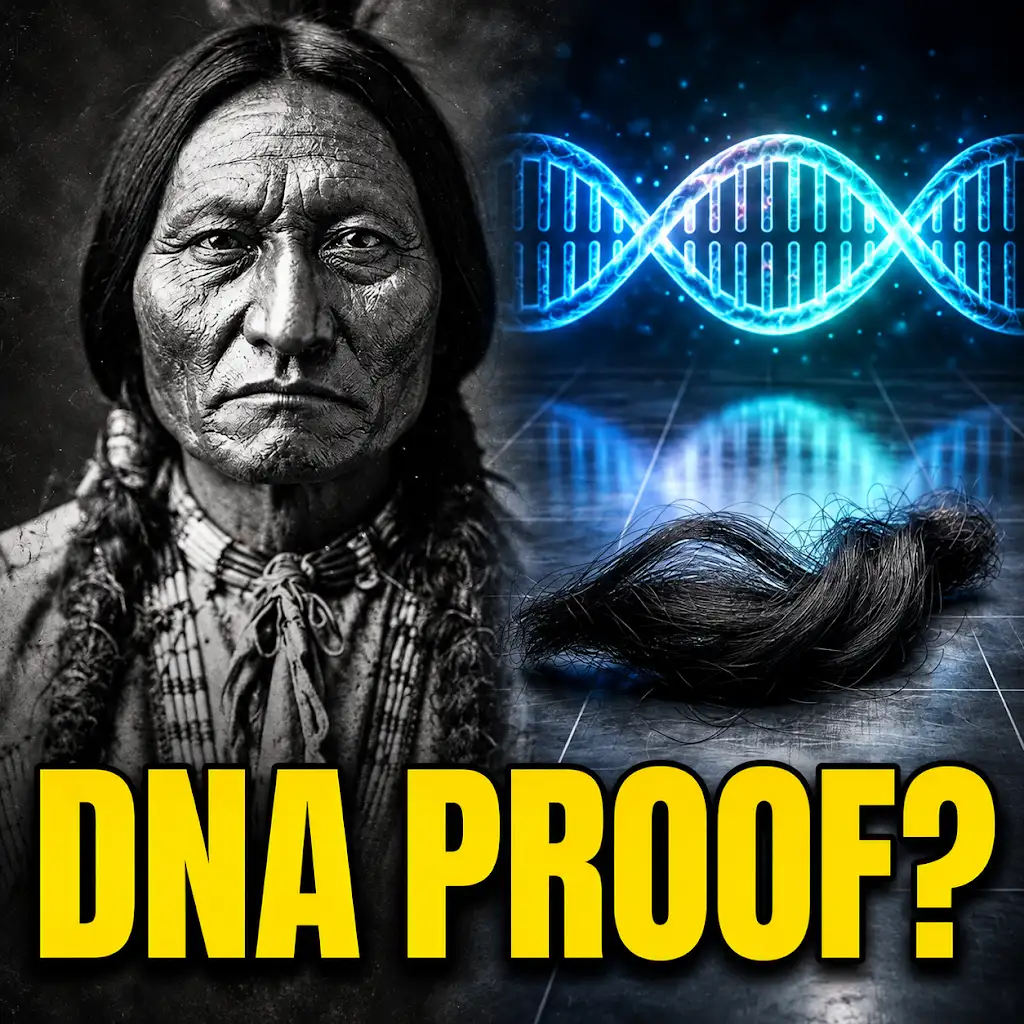
The Sitting Bull DNA Test: What Did It Actually Prove?
FAQs
1. Can DNA testing definitively prove Native American ancestry?
While DNA testing can provide clues to Native American ancestry, it is not always definitive. Many factors can influence the results, such as the accuracy of the reference databases and the complexity of genetic inheritance.
2. How accurate are DNA tests in determining Native American heritage?
DNA tests can give an estimate of Native American ancestry, but the accuracy can vary. It is important to consider the limitations of these tests, as they may not account for all Native American tribes or individuals who may not have genetic markers commonly associated with Native American populations.
3. Can DNA testing be used for tribal enrollment or official recognition?
While DNA testing can provide information about genetic ancestry, it is not typically used for tribal enrollment or official recognition. Tribal nations have their own criteria for determining membership, which may include cultural, historical, and genealogical evidence in addition to genetic testing.
4. Are there specific genetic markers that are unique to Native American populations?
There are certain genetic markers, such as mitochondrial DNA (mtDNA) haplogroups and Y-chromosome haplogroups, that are more common in Native American populations. However, these markers can also be found in other populations, so they are not exclusive to Native Americans.
5. How can DNA testing impact Native American identity and cultural heritage?
DNA testing can play a role in shaping individual and collective identities among Native Americans. It can provide insights into genetic ancestry, connections to specific tribes or regions, and potential links to ancestral heritage. However, it is important to approach DNA testing with caution and consider its implications for cultural identity and community belonging.