The dusty, glass-encased relics within museum walls, once silent witnesses to bygone eras, are now speaking. Through the astonishing advancements in DNA analysis, these historical specimens are yielding secrets that were previously locked away in their molecular structures. From the brittle bones of ancient hominins to the faded feathers of extinct birds, the genetic material preserved within these artifacts offers an unprecedented window into our past. This revolutionary field is not merely about identifying species; it’s about reconstructing lifeways, understanding migrations, tracing disease, and even resolving long-standing scientific debates. The meticulous work of scientists, painstakingly extracting and sequencing DNA from these often-fragile samples, is rewriting textbooks and deepening our comprehension of the natural and human histories that have shaped our world.
The Treasure Trove of Genetic Information
Museums, often perceived as repositories of the past, have become invaluable laboratories for genetic research. Their collections, amassed over centuries, represent a vast and diverse archive of biological material. This material, when subjected to modern DNA extraction and sequencing techniques, can unlock a wealth of information that would otherwise be lost to time. The preservation methods employed by early collectors, though perhaps not designed with genetic analysis in mind, have often inadvertently safeguarded crucial molecular evidence. From dried plant samples and preserved animal tissues to ancient human remains, the potential for genetic discovery within these institutions is immense and continues to be explored.
Challenges in Extracting Ancient DNA
The journey of extracting viable DNA from museum specimens is fraught with challenges. Over time, DNA degrades due to various environmental factors like exposure to light, fluctuating temperatures, and humidity. Furthermore, the very processes used for preservation, such as the application of chemicals or the drying of tissues, can further damage the DNA molecules. Contamination is another significant hurdle; modern DNA from researchers or the environment can easily infiltrate the ancient samples, leading to misleading results. Scientists must therefore employ highly sterile techniques and sophisticated computational methods to distinguish genuine ancient DNA from contaminants. The success of any analysis hinges on the ability to overcome these obstacles and obtain a clean, representative genetic profile.
Innovative Techniques for DNA Recovery
Despite the inherent difficulties, a suite of innovative techniques has been developed to maximize DNA recovery from challenging museum specimens. Specialized extraction kits and protocols have been designed to target the specific types of DNA damage typically found in ancient samples. For instance, chemists have devised methods to remove inhibitors that can interfere with the sequencing process. Furthermore, advancements in polymerase chain reaction (PCR) technology allow scientists to amplify even minute quantities of degraded DNA. Once amplified, the DNA fragments are sequenced using high-throughput sequencing platforms, generating massive amounts of data that can be pieced together to reconstruct the organism’s genome. The continuous refinement of these methods is key to pushing the boundaries of what can be learned from historical genetic material.
Recent advancements in extracting DNA from museum specimens have opened new avenues for understanding biodiversity and evolutionary history. An insightful article discussing the implications of artificial intelligence on decision-making in military contexts can be found at this link. This intersection of technology and biological research highlights the importance of interdisciplinary approaches in both the sciences and strategic planning.
Unraveling Human Ancestry and Migration
Perhaps one of the most profound impacts of DNA analysis on museum specimens has been in the field of human origins and migration. By studying ancient human remains housed in ethnographic and archaeological collections, scientists can now trace the intricate paths of our ancestors, understanding how populations moved, interacted, and diversified across the globe. These genetic footprints offer a powerful complement to traditional archaeological and linguistic evidence, often resolving long-standing questions about human dispersal and the peopling of continents.
Tracing the Journeys of Early Humans
Ancient DNA extracted from fossilized human bones and teeth, often curated in natural history museums or anthropological collections, has revolutionized our understanding of early human migrations. Studies have revealed the complex movements of Homo sapiens out of Africa, demonstrating multiple dispersal events and subsequent interactions with archaic human species like Neanderthals and Denisovans. For example, the analysis of DNA from skeletal remains found in Europe has shed light on the arrival of agriculture and the subsequent genetic transformations of European populations. Similarly, research on ancient individuals from Asia has provided crucial insights into the peopling of Siberia and the eventual migration into the Americas. These findings, derived from the very bones of our distant relatives, paint a dynamic picture of human history.
Insights into Prehistoric Societies
Beyond broad migration patterns, DNA analysis from museum specimens offers granular insights into the social structures and genetic makeup of prehistoric societies. By analyzing the DNA of individuals from the same burial site, researchers can determine kinship relationships, infer social hierarchies, and even identify evidence of social mobility or exchange between different communities. Studies of ancient European farmer burials, for instance, have revealed that not all individuals within a settlement were closely related, suggesting complex family structures and perhaps the incorporation of individuals from outside the immediate lineage. The genetic signatures preserved in these remains can also reveal patterns of endogamy (marriage within a group) or exogamy (marriage outside a group), providing valuable data for reconstructing social dynamics and cultural practices.
Reconstructing Extinct Ecosystems and Biodiversity
The genetic legacy preserved in museum specimens extends far beyond humans, offering critical insights into the Earth’s past biodiversity and the intricate workings of extinct ecosystems. The DNA of animals, plants, and even microorganisms collected centuries ago provides a baseline against which we can measure present-day biodiversity loss and understand the ecological forces that shaped the planet.
Recent advancements in extracting DNA from museum specimens have opened new avenues for understanding historical biodiversity and evolutionary processes. This innovative approach allows scientists to analyze genetic material from preserved specimens, shedding light on species that may have long been extinct. For those interested in exploring the implications of such discoveries, a related article discusses the intriguing concept of lost high technology and its connection to our understanding of ancient civilizations. You can read more about it in this fascinating documentary here.
The Genetic Footprint of Lost Species
Museum collections are a veritable Noah’s Ark of extinct species. The DNA of creatures that have vanished from the Earth, preserved in skins, bones, and even preserved tissues, allows scientists to study their evolutionary relationships, physical characteristics, and ecological roles. For example, DNA extracted from the dodo, the passenger pigeon, and the Tasmanian tiger has provided valuable information about their genetic diversity and the potential reasons for their extinction, such as susceptibility to disease or lack of genetic variation. This genetic data can
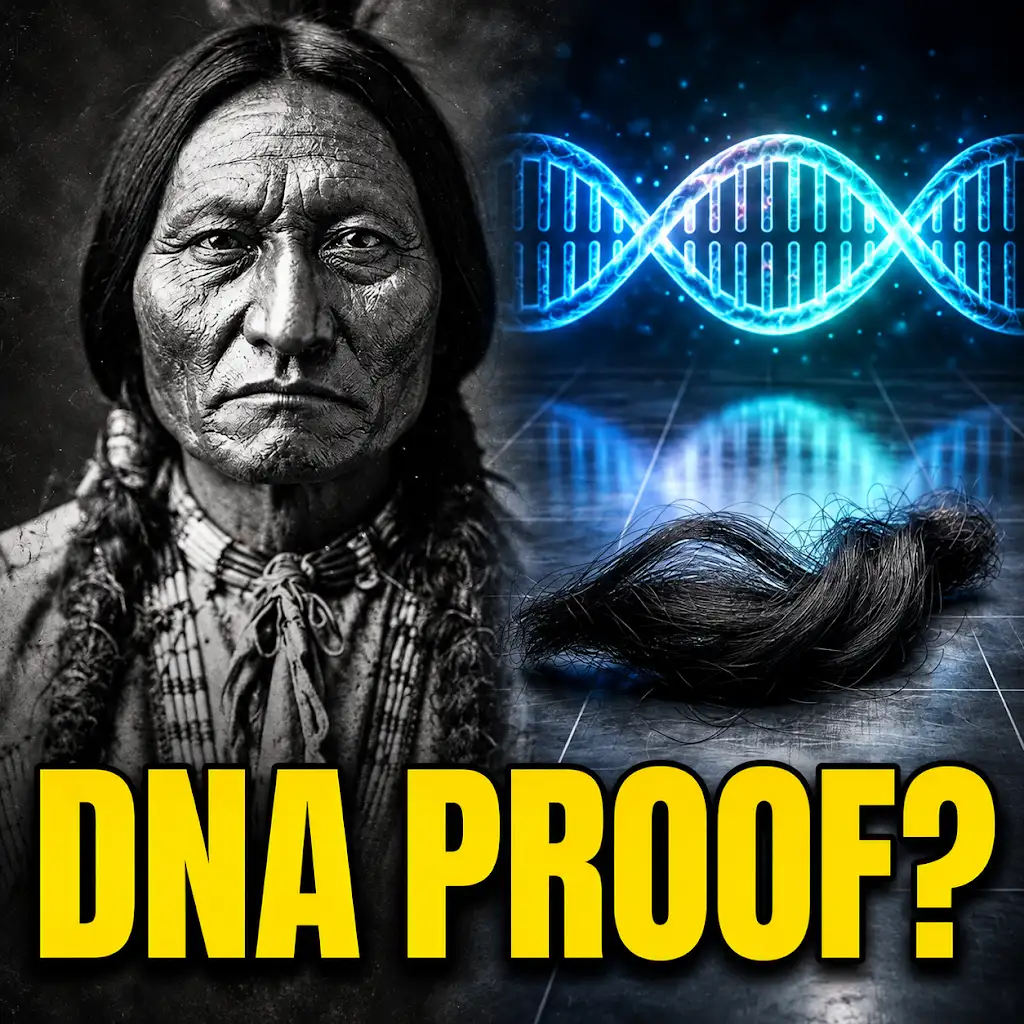
The Sitting Bull DNA Test: What Did It Actually Prove?
FAQs
1. Can DNA be extracted from museum specimens?
Yes, DNA can be extracted from museum specimens such as bones, feathers, and skins. Advances in technology have made it possible to obtain genetic material from old and preserved samples.
2. What are the challenges of extracting DNA from museum specimens?
Challenges include DNA degradation over time, contamination from modern sources, and the presence of inhibitors that can interfere with the extraction process. Researchers must use specialized techniques to overcome these obstacles.
3. How is DNA from museum specimens used in research?
DNA from museum specimens is used to study evolutionary relationships, genetic diversity, population dynamics, and the effects of environmental changes on species over time. It provides valuable insights into the history and biology of various organisms.
4. Are there any ethical considerations when working with DNA from museum specimens?
Researchers must consider ethical issues such as obtaining proper permissions for sample collection, respecting cultural sensitivities, and ensuring that the research benefits outweigh any potential harm to the specimens or their associated communities.
5. What are some notable discoveries made using DNA from museum specimens?
Researchers have used DNA from museum specimens to uncover new species, revise evolutionary relationships, track the spread of diseases, and understand the impact of human activities on biodiversity. These discoveries contribute to our knowledge of the natural world and inform conservation efforts.