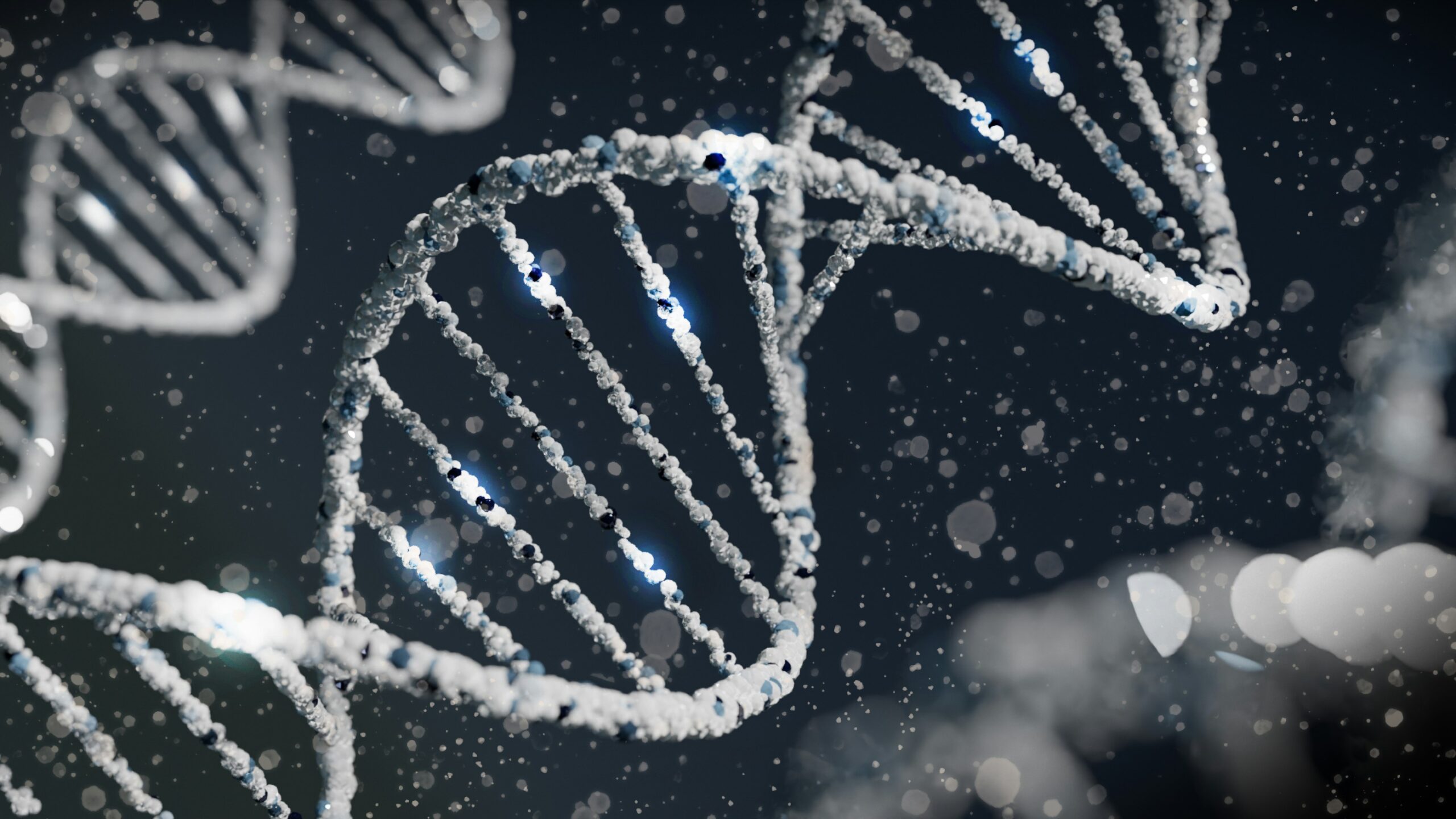
The scent of old paper, the faded ink of ancestral diaries, and the hushed whispers of family lore have long been the primary tools for those seeking to understand their origins. For generations, genealogical research relied on meticulous sifting through birth certificates, marriage licenses, census records, and obituaries, piecing together fragments of lives lived long ago. While these traditional methods remain invaluable, a revolutionary new avenue has opened, transforming the landscape of family history: genetic evidence. This scientific marvel allows individuals to connect with their past on a molecular level, confirming or uncovering ancestral lineage connections with a precision previously unimaginable.
Unlocking the Genetic Blueprint
The human genome, a complex tapestry of deoxyribonucleic acid (DNA), holds the ultimate record of our lineage. Every individual inherits a unique combination of DNA from their parents, who in turn inherited it from their parents, and so on, stretching back through millennia. Genetic genealogy harnesses the power of this inherited information to trace these ancestral pathways. It’s a journey into the very building blocks of life, revealing connections that may have been lost to time, obscured by migration, or simply unknown. The fundamental principle lies in the shared genetic material passed down through generations. By comparing specific segments of DNA, particularly those found in the Y chromosome (passed from father to son) and mitochondrial DNA (passed from mother to all children), researchers can identify common ancestors. Autosomal DNA, inherited from all chromosomes, offers a broader picture, revealing connections to a wider range of relatives within the last few hundred years.
The Science Behind the Strands
At its core, genetic genealogy relies on the analysis of DNA markers. These are specific locations in the genome that vary between individuals. For paternal lineage tracing, the Y chromosome is key. It undergoes very few mutations over generations, making it an excellent tool for tracking the direct male line. Mitochondrial DNA (mtDNA), found in the mitochondria of cells, is inherited almost exclusively from the mother. Like the Y chromosome, mtDNA is passed down with minimal changes, allowing for the tracing of the direct maternal line. Autosomal DNA testing, the most common type offered by commercial genealogy companies, analyzes DNA from all 23 pairs of chromosomes. This type of testing is particularly effective for identifying relatives within the last five to seven generations, as the amount of shared autosomal DNA decreases with each passing generation. The algorithms employed by these companies compare an individual’s DNA with a vast database of other users, calculating the probability of a shared ancestor based on the amount of DNA they have in common.
Types of Genetic Tests for Genealogy
Several types of DNA tests are available to the aspiring genealogist, each offering a different perspective on ancestral connections. Y-DNA testing is exclusively for males and traces the direct paternal line. It can identify the haplogroup (a group of people sharing a common Y-chromosome ancestor) and provide insights into ancient migration patterns of one’s paternal ancestors. Mitochondrial DNA (mtDNA) testing, available to both males and females, traces the direct maternal line. It also identifies haplogroups and can offer clues about maternal ancestral journeys. Autosomal DNA testing is the most popular choice for general genealogical research. It provides a broad overview of recent ancestry, revealing relationships with cousins of varying degrees on both the maternal and paternal sides. This is the most effective test for confirming family tree connections within the last five to seven generations. Finally, X-chromosome DNA testing can offer supplementary information, particularly for tracing connections on the maternal side of the family for males, as the X chromosome is inherited from both parents.
Genetic evidence has become a crucial tool in tracing family lineage, providing insights that traditional genealogical methods may overlook. For those interested in understanding how genetic testing can illuminate family connections and ancestral roots, a related article discusses the broader implications of authority and governance in the context of personal identity. You can read more about this topic in the article found at The US Government’s Authority in Declared Disasters.
Bridging the Gap: Confirming Family Trees
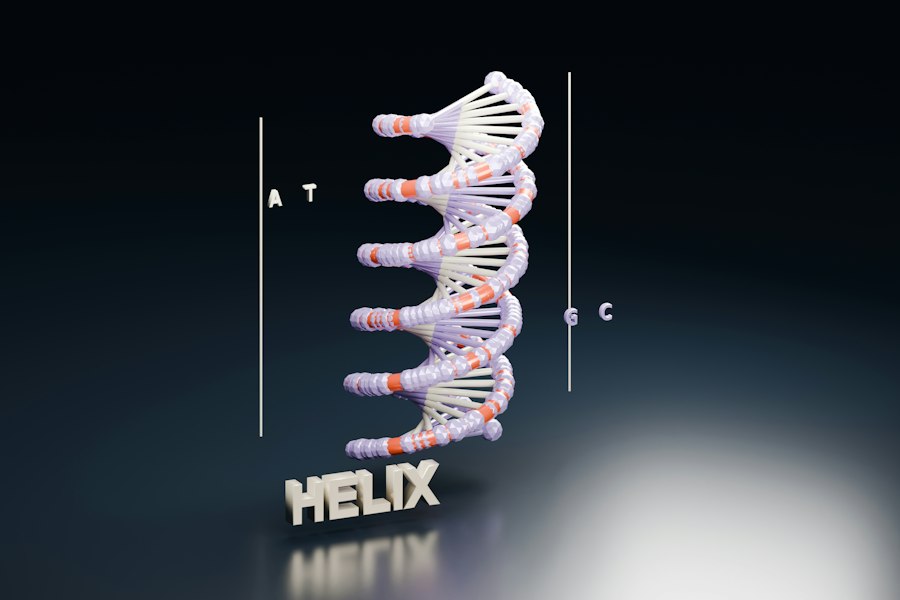
The most profound impact of genetic evidence on genealogy lies in its ability to bridge the gaps and confirm the accuracy of existing family trees. For centuries, family trees were built on the foundations of documented records, which, while often reliable, could be incomplete, misinterpreted, or even contain errors. Genetic testing acts as an independent verification system, providing objective data that can either solidify established connections or reveal surprising new ones. A single DNA match can ignite further research, prompting a deeper dive into historical documents to understand the nature of the relationship. Conversely, the absence of expected matches can also be informative, suggesting a need to re-examine existing assumptions or records.
The Power of DNA Matches
A “DNA match” is the term used when two individuals share a statistically significant amount of DNA, indicating a probable recent common ancestor. These matches are typically presented with an estimated relationship (e.g., first cousin, second cousin, third cousin once removed) and the percentage of DNA shared. This information is invaluable for genealogists. If a person has meticulously built a family tree and then discovers a DNA match who is also a genealogist and appears on that tree, it’s a powerful moment of confirmation. It validates years of research and provides a tangible link to the past. Furthermore, collaborating with DNA matches can unlock entirely new branches of a family tree. A newfound cousin might possess family documents, stories, or photographs that were previously unknown, enriching the genealogical narrative.
Uncovering Unexpected Ancestry
Beyond confirming known relationships, genetic evidence frequently unearths entirely unexpected ancestral connections. This is particularly common when dealing with deeper ancestral lines or when family histories involve migration patterns or adoptions. A person might discover they have a significant DNA match with someone from a completely different ethnic or geographical background than they previously believed. These discoveries can be initially startling but ultimately lead to a more complete and nuanced understanding of one’s heritage. Such findings often prompt a reassessment of family stories and encourage research into previously unexplored ancestral regions. It’s a reminder that the tapestry of human ancestry is far more intricate and interconnected than we might initially assume.
Navigating the Genealogical Landscape
While the promise of genetic genealogy is immense, navigating its landscape requires careful consideration and a strategic approach. The raw data generated by DNA tests is just the beginning; it needs to be interpreted within the broader context of genealogical research. This involves understanding the limitations of each test type, the potential for misinterpretation, and the importance of combining genetic findings with traditional research methods. A purely genetic approach can be misleading; it’s the synergy between DNA and documentary evidence that yields the most accurate and comprehensive understanding of family lineage.
Understanding Test Limitations and Interpretation
It is crucial to understand that genetic tests are not infallible. Autosomal DNA tests, for instance, are most effective for identifying relationships within the last five to seven generations. Beyond this, the amount of shared DNA becomes too small to reliably distinguish between a close relative and random chance. Y-DNA and mtDNA tests can trace deeper paternal and maternal lines, respectively, but they only follow a single lineage. Furthermore, the ethnicity estimates provided by some companies are just that – estimates. They are based on comparing an individual’s DNA to reference populations, which are not always perfectly representative, and can change as databases grow and algorithms improve. Accurate interpretation requires understanding these limitations and using the genetic data as a starting point for further investigation, not as a definitive endpoint.
The Synergy of DNA and Traditional Research
The most successful genealogical research integrates genetic evidence with traditional documentary research. Genetic matches can point researchers in new directions, suggesting individuals or families to investigate in historical records. Conversely, documentary evidence can help identify the specific ancestral couple responsible for a DNA match. For example, if a DNA match reveals a shared ancestor who is a second cousin, and traditional research has identified two individuals who fit that description within a particular timeframe, the genetic data can help confirm which of those individuals is the correct common ancestor. This cross-referencing approach significantly increases the accuracy and depth of genealogical findings, transforming a speculative tree into a well-substantiated family history.
Historical Migrations and Ancient Connections
Beyond immediate family connections, genetic genealogy offers a profound window into the grand narratives of human migration and the deep history of our species. By analyzing haplogroups, researchers can trace the ancient paths taken by our ancestors across continents, revealing connections to groups who lived thousands of years ago. These haplogroups represent large populations that shared a common ancestor tens of thousands of years in the past, offering insights into prehistoric movements and the peopling of the world. This scientific approach complements archaeological findings and linguistic studies, painting a more complete picture of humanity’s journey.
Tracing Ancient Journeys Through Haplogroups
Haplogroups are essentially genetic “roadmaps” of human migration. For example, certain Y-DNA haplogroups are strongly associated with the spread of early humans out of Africa, tracing their routes across Asia, Europe, and eventually the Americas. Similarly, mtDNA haplogroups reveal the maternal lines’ ancient journeys. By identifying their own haplogroup, individuals can connect themselves to these vast ancient populations and understand the broader historical context of their ancestry. This allows for a sense of connection not just to immediate family but to the collective human story, spanning millennia and continents. It transforms a personal genealogical quest into a grand exploration of human history.
Revealing Ethnic and Geographic Ancestry
Genetic testing, particularly autosomal DNA analysis, provides ethnicity estimates that offer insights into the geographic origins of one’s ancestors. These estimates are presented as percentages attributed to different regions or ethnic groups. While these are approximations and can fluctuate with updates to reference databases, they often align with historical migration patterns and documented family histories. For individuals with a fragmented or unknown ancestral background, these ethnicity estimates can provide crucial clues, directing research towards specific regions and cultures. Discovering a significant percentage of ancestry from a particular region can be a powerful revelation, encouraging further exploration of the history, traditions, and genetic heritage of that area.
Recent advancements in genetic research have provided compelling evidence for tracing family lineage, shedding light on ancestral connections that span generations. This fascinating field not only enhances our understanding of personal heritage but also plays a crucial role in addressing broader social issues. For instance, the ongoing Yemen crisis highlights the urgent need for international aid, as discussed in a related article that emphasizes the importance of recognizing familial ties in humanitarian efforts. You can read more about this pressing situation and its implications for family structures in the article found here.
The Future of Genealogical Discovery
| Metric | Description | Typical Values/Range | Significance in Family Lineage |
|---|---|---|---|
| Autosomal DNA Match Percentage | Percentage of shared autosomal DNA between two individuals | 0% – 100% | Indicates degree of relatedness; higher percentage means closer relation |
| Shared Centimorgans (cM) | Amount of DNA shared measured in centimorgans | 0 – 3400 cM | Used to estimate relationship; e.g., parent-child ~3400 cM, siblings ~2300 cM |
| Y-DNA Haplogroup | Genetic marker passed from father to son on Y chromosome | Various haplogroups (e.g., R1b, I2a) | Traces paternal lineage and ancestral origins |
| mtDNA Haplogroup | Genetic marker passed from mother to offspring via mitochondrial DNA | Various haplogroups (e.g., H, U5) | Traces maternal lineage and ancestral origins |
| Number of Identical by Descent (IBD) Segments | Count of DNA segments inherited from a common ancestor | Varies by relationship; closer relatives share more segments | Helps confirm familial relationships and estimate degree of kinship |
| Mutation Rate | Frequency of genetic mutations per generation | ~1 x 10^-8 mutations per base pair per generation | Used to estimate time to most recent common ancestor |
The field of genetic genealogy is constantly evolving, with advancements in DNA sequencing technology and ever-expanding databases promising even deeper and more precise insights into our ancestral past. As more people embrace DNA testing and contribute their genetic information, the resolution of matches will improve, and the ability to identify more distant relatives will increase. This ongoing evolution suggests a future where the intricate web of human connections can be mapped with unprecedented detail, unlocking personal histories and shedding light on the collective story of humanity. The journey of tracing roots is far from over; it is, in many ways, just beginning, powered by the very code of life itself.
Advancements in DNA Technology and Databases
The technology behind DNA sequencing is becoming faster, more accurate, and more affordable, making genetic genealogy accessible to a wider audience. New scientific breakthroughs are continually refining the analysis of genetic data. Furthermore, the growth of commercial DNA testing databases is exponential. As more individuals submit their DNA, the likelihood of finding genetic matches increases significantly. This growing pool of genetic information allows for more robust statistical analysis and a greater ability to identify even distant relatives. Researchers are also developing more sophisticated algorithms to interpret complex genetic patterns, enabling a deeper understanding of ancestral relationships and migration routes.
Ethical Considerations and Data Privacy
As genetic genealogy becomes more prevalent, important ethical considerations and data privacy concerns come to the forefront. Individuals are entrusting their most personal genetic information to companies, and understanding how this data is stored, used, and protected is paramount. Transparency regarding data usage policies, the right to anonymity, and robust security measures are essential for maintaining public trust. Furthermore, the discovery of unexpected genetic links can raise complex personal and familial questions, requiring sensitivity and careful consideration. Open dialogue and responsible practices are crucial to ensure that the benefits of genetic genealogy are realized while safeguarding individual privacy and well-being.
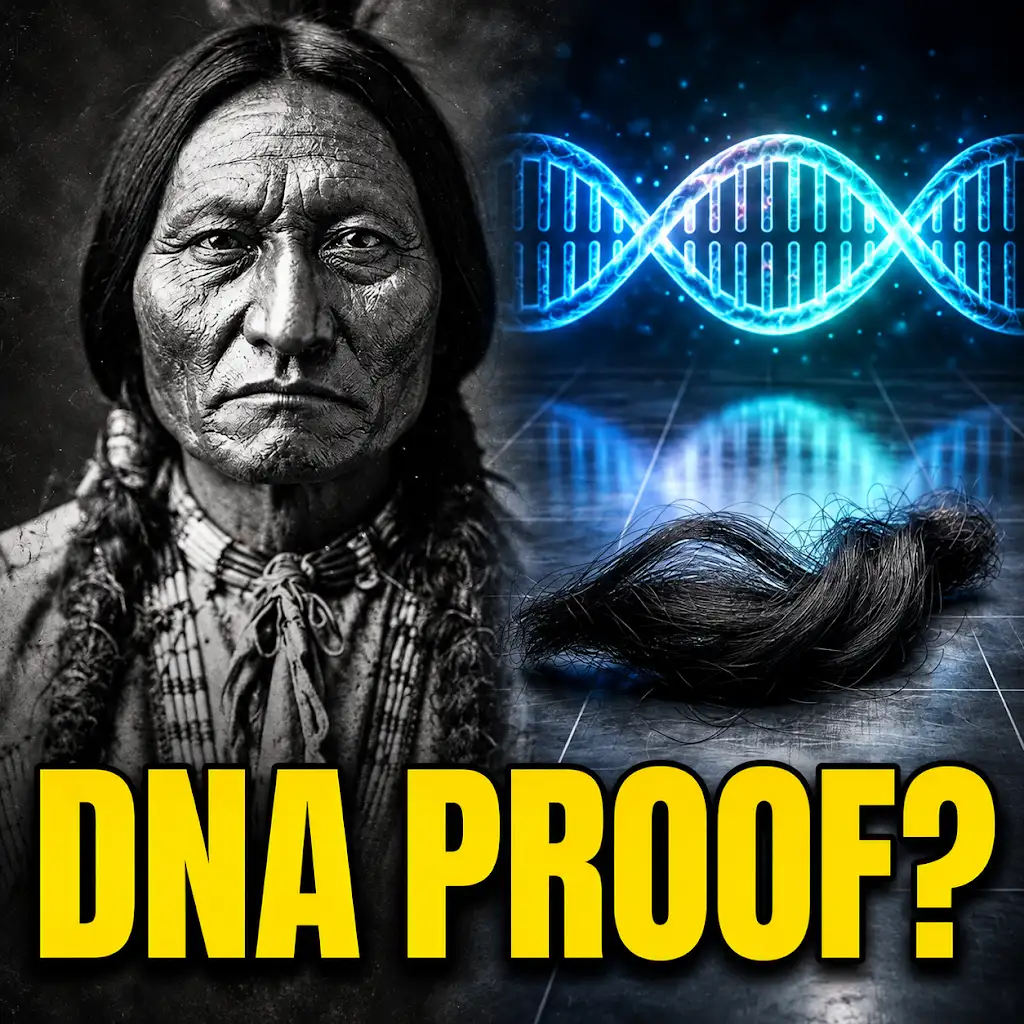
The Sitting Bull DNA Test: What Did It Actually Prove?
FAQs
What is genetic evidence for family lineage?
Genetic evidence for family lineage refers to using DNA testing to trace a person’s ancestry and determine their familial connections based on shared genetic markers.
How does genetic testing help in determining family lineage?
Genetic testing analyzes specific regions of a person’s DNA to identify unique genetic markers that are passed down through generations, allowing individuals to trace their family lineage back several generations.
What types of genetic tests are commonly used to determine family lineage?
Common genetic tests used for determining family lineage include Y-DNA testing, mitochondrial DNA testing, and autosomal DNA testing, each providing different insights into different aspects of a person’s ancestry.
Can genetic evidence for family lineage reveal unexpected or unknown relatives?
Yes, genetic evidence for family lineage can sometimes reveal unexpected or unknown relatives by identifying genetic matches with individuals who share a significant amount of DNA, indicating a familial connection.
Is genetic evidence for family lineage always accurate?
While genetic evidence for family lineage is generally reliable, it is important to consider factors such as the quality of the DNA sample, the testing company’s database size, and the limitations of genetic testing in determining more distant relationships accurately.