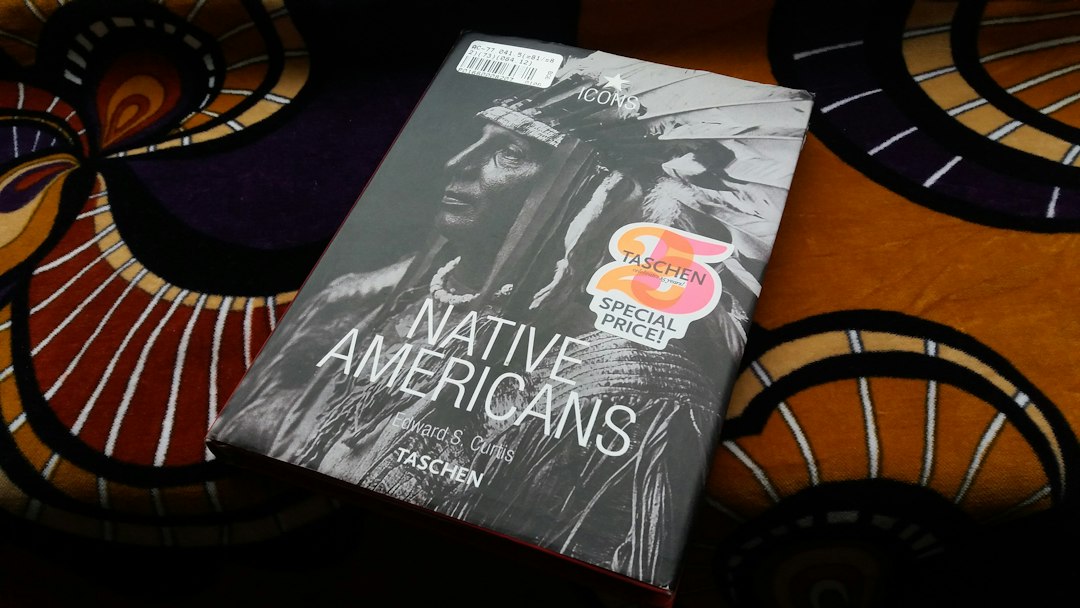
The allure of tracing ancestral roots has captivated many, and for individuals with Native American heritage, DNA testing offers a compelling, albeit complex, avenue for exploration. In recent years, direct-to-consumer genetic testing services have made it possible for people to delve into their genetic makeup, revealing insights into their ethnic origins. For those seeking to understand their Native American lineage, these tests can provide a powerful, albeit sometimes surprising, connection to the past. However, navigating these results requires a nuanced understanding of both the science and the socio-cultural context of Native American identity.
Unraveling Genetic Ancestry: The Science Behind the Tests
The foundation of understanding Native American heritage through DNA testing lies in the scientific principles of population genetics and haplogroups. These tests analyze specific regions of an individual’s DNA, primarily autosomal DNA, Y-DNA, and mitochondrial DNA (mtDNA), to identify patterns that are statistically common within particular geographic or ancestral populations.
Autosomal DNA: A Broad Ancestral Snapshot
Autosomal DNA is inherited from both parents and is present in 22 pairs of chromosomes. This type of DNA is the most commonly tested by commercial services and provides a broad overview of an individual’s ancestry from roughly the last 500 to 1000 years. The algorithms used by these companies compare an individual’s autosomal DNA to extensive reference databases of DNA samples from various populations around the world. When a significant portion of an individual’s DNA matches the genetic signature of a particular group, the company assigns a percentage of ancestry to that region. For individuals with suspected Native American heritage, the presence of specific genetic markers that are prevalent in Indigenous populations of the Americas can lead to an ancestry estimate. These markers might include unique single nucleotide polymorphisms (SNPs) or specific combinations of alleles that have evolved and remained relatively isolated within Indigenous communities for millennia.
Y-DNA and mtDNA: Tracing Direct Patrilineal and Matrilineal Lines
Y-DNA is passed down solely from father to son, making it invaluable for tracing the direct paternal lineage. Similarly, mtDNA is inherited from the mother and passed to all her children, allowing for the tracking of the direct maternal lineage. While autosomal DNA provides a more comprehensive picture of recent ancestry, Y-DNA and mtDNA can offer insights into much deeper ancestral connections, spanning tens of thousands of years. For Native American heritage, specific Y-DNA haplogroups and mtDNA haplogroups are strongly associated with Indigenous peoples of the Americas. For instance, haplogroup X, particularly its subtypes like X2a, is a significant indicator of ancient Native American ancestry. The presence of these haplogroups can provide a more ancient confirmation of lineage, suggesting a connection to the original migrations into the Americas.
The Role of Reference Databases and Their Limitations
The accuracy and specificity of DNA testing for Native American heritage are heavily reliant on the quality and comprehensiveness of the reference databases used by testing companies. These databases are built by collecting DNA samples from individuals who are known to belong to specific ethnic groups. For Native American ancestry, the ideal reference database would contain a wide representation of genetic diversity from all the distinct Indigenous nations and tribes across North, Central, and South America. However, these databases are constantly evolving, and historical limitations in data collection, particularly concerning Indigenous populations, can present challenges. Some databases may have a stronger representation of certain tribes or regions than others, which can influence the granularity and accuracy of the results. Furthermore, the concept of “Native American” itself is a broad term, encompassing hundreds of distinct nations with unique languages, cultures, and genetic histories. A DNA test might indicate “Native American” ancestry without specifying which particular nation or tribe it originates from, requiring further investigation.
DNA testing has become an increasingly popular method for individuals seeking to explore their Native American heritage, providing insights into ancestral roots and tribal affiliations. For those interested in the intersection of history and exploration, an intriguing article titled “Uncharted Territories: Piri Reis and the Mystery of Lost Maps” delves into the enigmatic world of ancient cartography and its implications for understanding cultural connections. You can read more about this fascinating topic by visiting this article.
Beyond the Percentage: Understanding the Nuances of Native American Identity

While DNA testing can provide a genetic link to Native American ancestry, it is crucial to understand that genetic markers do not solely define Native American identity. Identity is a multifaceted construct, encompassing cultural affiliation, self-identification, community belonging, and historical connection, all of which are deeply intertwined with the complex socio-political landscape of Indigenous peoples.
The Social and Political Definition of Tribal Membership
For many, Native American identity is intrinsically linked to belonging to a federally or state-recognized tribe. Tribal membership is not solely based on genetics; it often involves meeting specific criteria set by the tribe itself, which can include lineal descent from a recognized ancestor, residency on tribal lands, adherence to tribal laws, and participation in tribal governance and cultural practices. DNA testing can offer a piece of the puzzle, but it rarely, if ever, grants automatic tribal enrollment. Tribes have their own enrollment policies, which are paramount in formally recognizing an individual as a member. Genetic evidence can sometimes be used to support an application for tribal membership, particularly if it corroborates historical documentation or oral traditions, but it is usually one factor among many. The process of tribal enrollment is a matter of sovereign rights, and tribes have the ultimate authority to determine their own membership.
The Importance of Genealogy and Historical Records
When DNA testing reveals a potential Native American connection, the next vital step is often to complement these genetic insights with traditional genealogical research. This involves delving into historical documents such as census records, birth, marriage, and death certificates, land deeds, military records, and oral histories passed down through families. These sources can help to identify specific ancestors who were recognized as Native American and, crucially, the specific tribal affiliations of those ancestors. Genealogy can provide the narrative and historical context that DNA alone cannot. For instance, a DNA test might indicate a percentage of Native American ancestry, but without genealogical research, it’s difficult to know if that ancestor was a recognized member of a particular tribe, lived on a reservation, or was part of a broader Indigenous community. Connecting the genetic dots to historical individuals and their documented tribal connections is essential for a more complete understanding.
Self-Identification and Community Belonging
Beyond formal tribal enrollment and genealogical research, self-identification and a sense of belonging within an Indigenous community are also fundamental aspects of Native American identity. For individuals who discover a genetic predisposition to Native American ancestry through DNA testing, engaging with Native American communities, learning about Indigenous cultures and histories, and building relationships with tribal members can be a profound part of their journey of understanding. This engagement can involve attending cultural events, learning Indigenous languages, understanding contemporary Indigenous issues, and respecting the traditions and protocols of Indigenous peoples. A DNA test can be an invitation to explore, but true understanding often comes through active participation and a genuine commitment to learning from and within Indigenous communities.
Navigating the Results: Practical Steps and Considerations
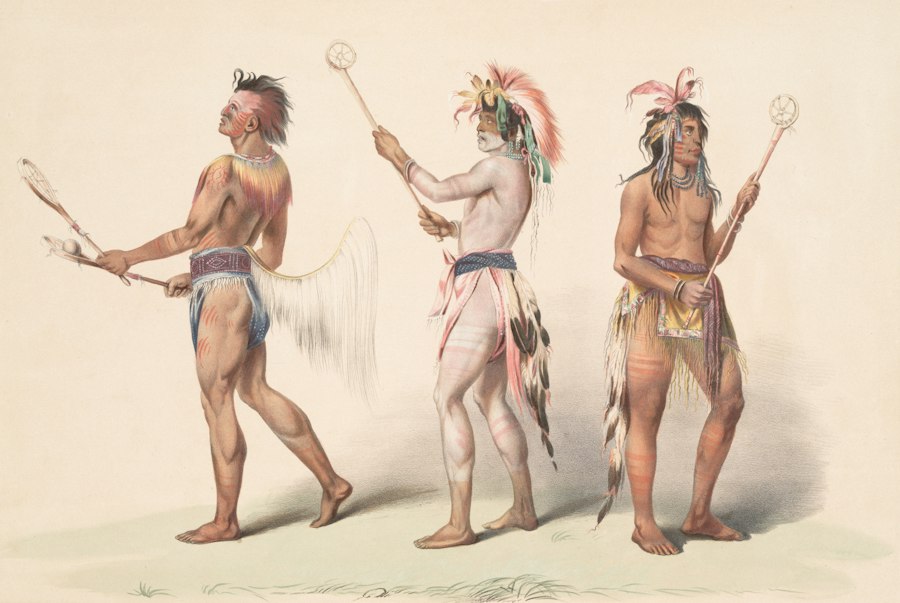
Receiving DNA test results that indicate Native American ancestry can be an emotionally charged experience. It is important to approach these results with a balanced perspective, understanding their strengths and limitations, and to know how to proceed with further investigation.
Interpreting Ancestry Estimates: More Than Just a Number
Ancestry estimates from DNA testing are probabilistic. A reported percentage of Native American ancestry signifies that a detectable portion of an individual’s DNA shares common ancestry with the reference populations used by the testing company. It is not an exact science, and the percentages can vary slightly between different testing services due to their unique algorithms and reference databases. For instance, one company might report 5% Native American ancestry, while another might report 3%. This variation does not necessarily mean one is more correct than the other; it simply reflects different analytical approaches. Furthermore, the historical period covered by autosomal DNA analysis means that these percentages reflect ancestry from roughly the last 500 to 1000 years. This timeframe can be significant for understanding recent migrations and admixtures, but it might not capture deeper ancestral connections.
Working with Tribal Nations: Respect and Protocol
When DNA results suggest a connection to a specific tribe or Indigenous nation, it is paramount to approach any engagement with that nation with respect and an understanding of their protocols. Tribes have the sovereign right to manage their own affairs, including membership. Direct contact should be initiated through official tribal channels, such as tribal enrollment offices or cultural heritage departments. Avoid making assumptions or demands based solely on genetic findings. Many tribes have specific procedures for individuals who believe they have ancestral ties, and it is important to follow these procedures diligently. This might involve submitting genealogical documentation, attending community meetings, or participating in cultural events. Showing genuine interest in and respect for the tribe’s culture, history, and contemporary issues is far more valuable than simply presenting a DNA report.
The Journey of Discovery: Continuous Learning and Engagement
Understanding Native American heritage through DNA testing is often the beginning of a longer journey, not the end. The results can serve as a catalyst for deeper exploration into personal history, family stories, and Indigenous cultures. This journey involves continuous learning, which might include reading books and articles about Native American history and contemporary issues, watching documentaries, visiting museums, and engaging in conversations with elders and community members (with their consent and invitation). It is also an opportunity to understand the historical injustices and ongoing challenges faced by Indigenous peoples. A responsible approach involves not only celebrating one’s potential heritage but also acknowledging and learning about the historical context and the present realities of Indigenous communities.
Ethical Considerations and Responsible Use of Genetic Information
The use of DNA testing for ancestral research, particularly concerning Indigenous heritage, raises important ethical considerations that must be carefully addressed. The history of scientific research involving Indigenous communities is often fraught with exploitation and misrepresentation, making a responsible and respectful approach all the more critical.
Privacy and Data Security
When individuals submit their DNA to commercial testing companies, they are entrusting them with highly sensitive personal information. It is crucial to be aware of the privacy policies of these companies and how they store, use, and potentially share genetic data. Concerns about data breaches, unauthorized access, and the potential for genetic information to be used for purposes beyond ancestry tracing, such as by law enforcement or insurance companies, are valid. Thoroughly researching the company’s reputation for data security and understanding their terms of service is essential before submitting a sample. For those with Native American ancestry, the stakes can be even higher, as historical instances of genetic data being misused have created a climate of caution within some Indigenous communities.
Avoiding Genetic Determinism and Cultural Appropriation
A significant ethical pitfall to avoid is genetic determinism, the belief that one’s identity or destiny is solely determined by their genes. While DNA testing can reveal ancestral connections, it should not be used to oversimplify or essentialize Native American identity. As discussed, identity is a complex interplay of genetics, culture, self-identification, and community belonging. Furthermore, it is crucial to guard against cultural appropriation, which involves adopting elements of a minority culture by members of the dominant culture in a way that is disrespectful or commodifies sacred traditions. Simply displaying symbols or using terms associated with Native American cultures without genuine understanding, respect, or connection can be harmful. The journey of understanding Native American heritage should be one of humility, learning, and respect for the cultural integrity of Indigenous peoples.
The Impact of DNA Testing on Indigenous Communities
The increasing popularity of DNA testing has had a varied impact on Indigenous communities. For some, it has been a tool for reconnection, allowing individuals with distant or unknown ancestral ties to find a sense of belonging and to begin the process of understanding their heritage. For others, it has raised concerns about the potential for an influx of individuals seeking tribal membership based solely on genetic results, which can strain community resources and dilute the established membership structures. It is important for individuals using DNA testing to be aware of these broader community impacts and to engage in a way that is supportive and respectful of tribal sovereignty and the well-being of existing community members. Open dialogue and collaboration between DNA testing companies, researchers, and Indigenous communities are vital to ensure that these technologies are used ethically and beneficially for all involved.
DNA testing has become an increasingly popular method for individuals seeking to uncover their Native American heritage, offering insights into ancestral roots and cultural connections. For those interested in the broader implications of exploration and discovery, a fascinating article discusses the mysteries surrounding the Piri Reis map and its connection to historical explorations. You can read more about this intriguing topic in the article found here. Understanding these historical contexts can enrich the experience of discovering one’s own lineage through DNA testing.
The Future of Genetic Ancestry and Native American Heritage
| Metric | Description | Typical Range/Value | Notes |
|---|---|---|---|
| Percentage of Native American Ancestry | Estimated proportion of DNA inherited from Native American ancestors | 0% – 100% | Results vary based on individual heritage and testing company algorithms |
| Number of Native American Genetic Markers Tested | Count of specific SNPs or haplogroups associated with Native American populations | Several hundred to thousands | Depends on the depth of the test (e.g., autosomal, Y-DNA, mtDNA) |
| Haplogroup Identification | Classification of maternal (mtDNA) or paternal (Y-DNA) lineage linked to Native American groups | Common haplogroups: A, B, C, D, X | Haplogroups provide insight into ancient migration patterns |
| Confidence Level | Statistical confidence in the Native American ancestry estimate | Typically 85% – 99% | Higher confidence with more comprehensive testing and reference data |
| Reference Populations | Number of Native American groups used as comparison in the database | 10 – 50+ populations | More reference populations improve accuracy and specificity |
| Autosomal DNA Coverage | Percentage of genome analyzed for Native American ancestry | ~700,000 to 1,000,000 SNPs | Higher SNP count increases resolution of ancestry estimates |
| Timeframe of Ancestry Detection | Generations back that the test can reliably detect Native American ancestry | Up to 5-7 generations | More distant ancestry becomes harder to detect accurately |
As genetic technology continues to advance, the insights it can offer into Native American heritage are likely to become even more refined and nuanced. However, the fundamental ethical and cultural considerations will remain paramount, shaping how these discoveries are integrated into our understanding of identity and belonging.
Advancements in Genetic Science and Data Analysis
Future advancements in genetic science promise greater precision in tracing ancestral lineages. Scientists are continually improving the accuracy of SNP identification, developing more sophisticated algorithms for population analysis, and expanding reference databases. This could lead to more detailed breakdowns of Native American ancestry, potentially identifying specific ancestral regions or even more localized tribal groups with greater certainty. Technologies like whole-genome sequencing, which analyze an individual’s entire DNA sequence, hold the potential to unlock even deeper ancestral connections and provide a more comprehensive genetic portrait. The ongoing research into ancient DNA, extracting genetic material from fossilized remains, also plays a crucial role in understanding the deep history of human migration and the peopling of the Americas, providing context for contemporary genetic findings.
Bridging the Gap Between Genetics and Culture
The future of understanding Native American heritage through DNA testing will likely involve a more concerted effort to bridge the gap between genetic findings and cultural understanding. This means fostering greater collaboration between geneticists, anthropologists, historians, and Indigenous scholars and communities. The goal should be to move beyond simply identifying genetic markers to understanding the rich cultural narratives and historical contexts associated with those markers. This could involve developing educational resources that integrate genetic insights with Indigenous oral traditions, historical accounts, and contemporary cultural expressions. The aim is not to reduce Indigenous identity to a genetic code but to use genetic information as one tool among many to illuminate the complex tapestry of Native American heritage.
Empowering Indigenous Communities Through Genetic Research
Ultimately, the responsible and ethical use of DNA testing for Native American heritage should empower Indigenous communities themselves. This could involve supporting Indigenous-led research initiatives, ensuring that genetic data collected from Indigenous individuals is managed by Indigenous communities, and providing resources for tribes to conduct their own genealogical and genetic research. It also means advocating for policies that protect the genetic sovereignty of Indigenous peoples and ensure that their ancestral genetic information is used for their benefit and in accordance with their wishes. As genetic technologies continue to evolve, maintaining a focus on respect, self-determination, and collaboration will be key to ensuring that these powerful tools contribute positively to the understanding and preservation of Native American heritage for generations to come.
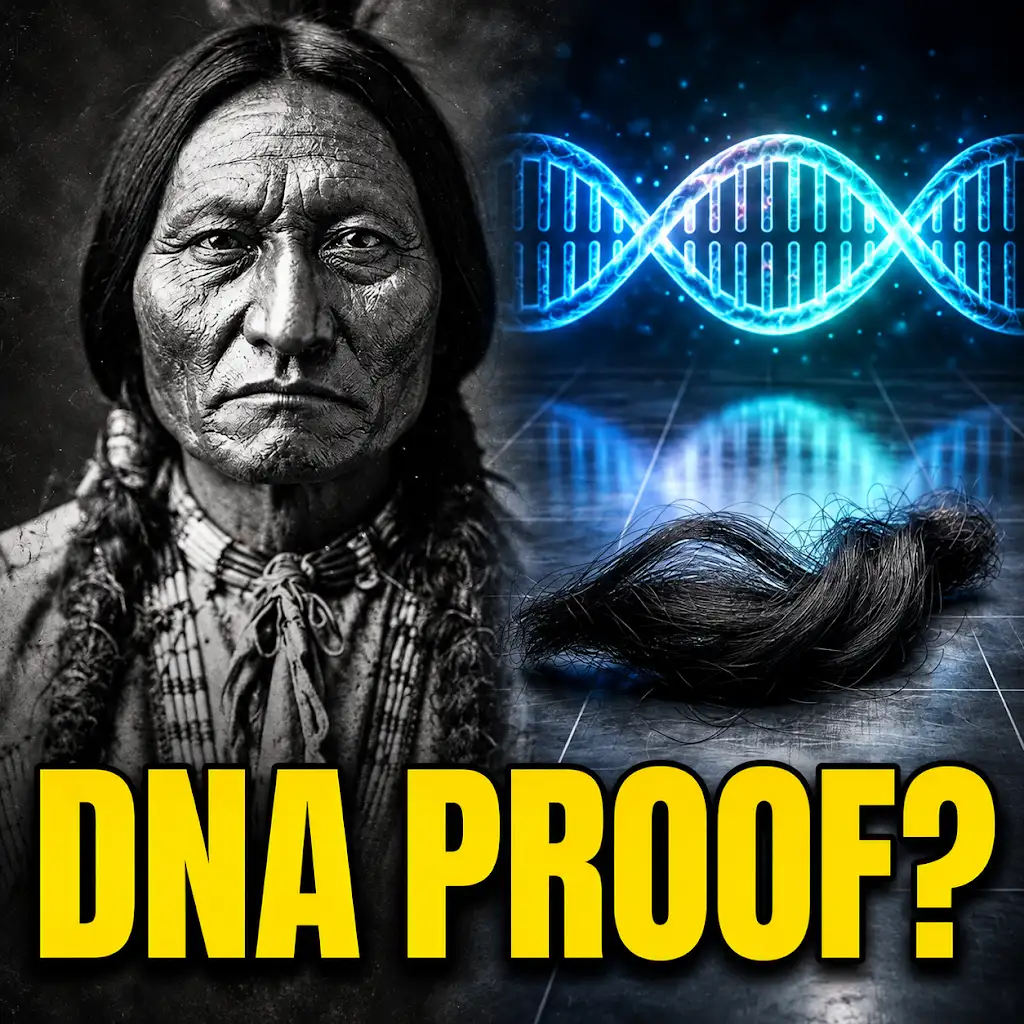
The Sitting Bull DNA Test: What Did It Actually Prove?
FAQs
Can DNA testing accurately determine Native American heritage?
DNA testing can provide some insight into Native American heritage, but it is not always definitive. The results can vary depending on the testing company and the reference populations used for comparison.
What type of DNA test is commonly used to trace Native American ancestry?
Autosomal DNA testing is the most common type of test used to trace Native American ancestry. This test looks at a person’s entire genome and can provide information about their ethnic background.
Are there specific genetic markers that indicate Native American ancestry?
There are certain genetic markers, such as mitochondrial DNA (mtDNA) and Y-chromosome DNA, that can be used to trace Native American ancestry. However, these markers are not exclusive to Native Americans and can be found in other populations as well.
How accurate are the results of DNA testing for Native American heritage?
The accuracy of DNA testing for Native American heritage can vary. While it can provide some general information about a person’s ancestry, it is important to interpret the results with caution and consider other factors such as family history and genealogical records.
Can DNA testing be used to determine tribal affiliation?
DNA testing alone is generally not sufficient to determine tribal affiliation. Tribal membership is typically based on a combination of factors, including genealogical records, family history, and cultural connections to a specific tribe.